

 Предпросмотр
 Поделиться
 Поделиться
 Детали произведения

 Скачать
 Похожие работы
 Рентгенография
 Слайд-шоу
 Статистика
Memory of Leonski
 Acrylic On Canvas
- WallArt
- Expressionism
 1943
1943 61.0 x 78.0 cm
 Национальная галерея Виктории
 Читать далее
Приобретите цифровое изображение высокого разрешения в улучшенном качестве, которое значительно превосходит онлайн-превью.
Каждый файл тщательно подготавливается нашими специалистами с использованием передовых инструментов и экспертной ручной ретуши. Мы гарантируем исключительную четкость, точную цветопередачу и детальную проработку каждого изображения.
Финальный файл доставляется по электронной почте в течение 72 часов и оптимизирован для немедленного использования в профессиональной среде, при верстке и печати. Это тот же уровень качества, которому доверяют ведущие дизайнерские студии, издательства и галереи.
Цифровое изображение
Скачайте файл высокого разрешения для личного использования, печати и творческих проектов. ( Перейти к печати Купить картину ручной работы)
Включено в каждый заказ цифровых изображений
Гарантия экспертной цифровой доставки
Выбирая ArtsDot.com, вы получаете не просто изображение — вы приобретаете профессионально обработанное цифровое произведение искусства, созданное с безупречной точностью и под защитой гарантии качества. Вот всё, что автоматически входит в ваш заказ:

Мгновенная доставка по e-mail
Ваш цифровой файл в высоком разрешении будет отправлен вам по электронной почте в течение 72 часов после оформления заказа — и сразу станет доступен для использования.

Цифровой файл с ИИ-улучшением
Ваше произведение искусства проходит профессиональную оптимизацию с использованием передовых инструментов ИИ и ручной обработки, что гарантирует максимальную детализацию, четкость и точность цветопередачи.

Бессрочная бесплатная повторная доставка
Случайно удалили или потеряли файл? Не беспокойтесь — мы отправим его вам повторно в любое время и совершенно бесплатно.

Без импортных пошлин — навсегда
Наслаждайтесь вашим произведением искусства мгновенно без таможенных пошлин, сборов или затрат на доставку — цифровые загрузки всегда не облагаются налогом.

Гарантия точности цветопередачи
Мы гарантируем, что ваше цифровое изображение максимально точно передает оригинальные цвета благодаря использованию профессиональных инструментов и систем управления цветом.

Гарантия удовлетворенности 100 дней
Если вы не будете удовлетворены своим цифровым изображением, мы внесем правки или вернем 100% стоимости в течение 100 дней — без лишних вопросов.

100% Гарантия возврата средств
Не удовлетворены покупкой? Получите полный возврат средств в течение 100 дней после получения цифрового файла — без лишних вопросов.

Скидки на оптовые заказы
Купите 3 изображения, сэкономьте 10% — Купите 5, сэкономьте 15% — Купите 10+, сэкономьте 20%. Отличное решение для творческих проектов, галерей и агентств.
A Deserted Shoreline and the Echoes of War
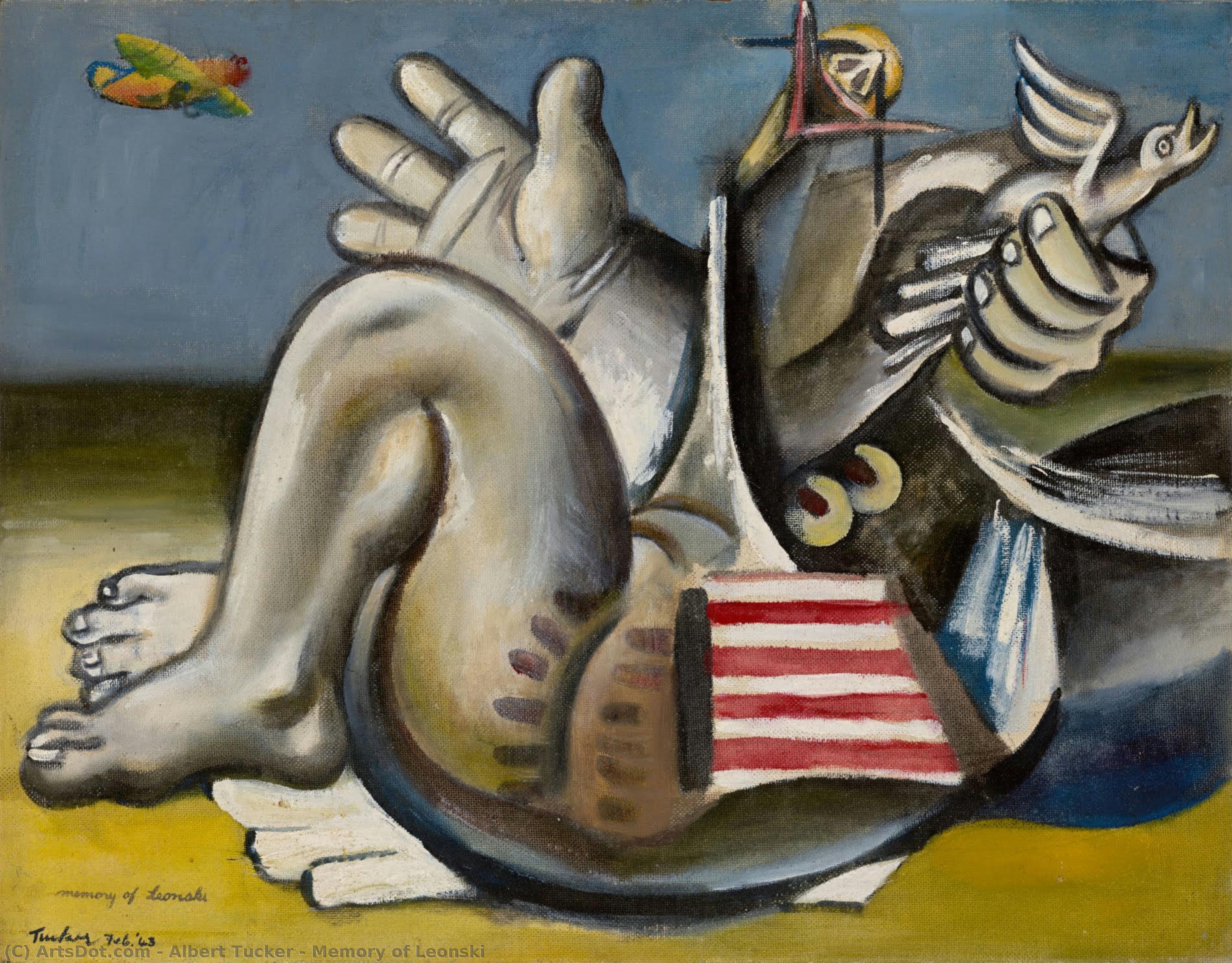
Albert Tucker’s “Memory of Leonski,” painted in 1943, isn't merely a depiction of a beach; it’s a haunting meditation on isolation, morality, and the lingering trauma of World War II. The painting immediately arrests the eye with its stark contrasts – the sun-bleached sand, the deep indigo of the sky, and the solitary figure of Private Edward Leonski sprawled across the shore. Leonski, rendered in a deliberately simplified, almost childlike style, is not presented as a heroic soldier but as a vulnerable, exposed individual, his arms outstretched as if offering an apology or seeking solace. The umbrella he clutches isn’t a symbol of protection from the elements, but rather a fragile shield against an unseen threat – perhaps the memories of violence he carries within him.
The Expressionist Palette and the Melbourne Landscape
Tucker’s distinctive style, rooted in Expressionism and influenced by artists like Van Gogh and Gauguin, is powerfully evident in “Memory of Leonski.” He employs a flattened perspective and bold, gestural brushstrokes to convey a sense of immediacy and emotional intensity. The colors are deliberately muted – ochres, browns, and blues dominate the palette – reflecting the bleakness of wartime Melbourne and the psychological landscape of the subject. The painting’s composition is carefully constructed; the diagonal lines created by Leonski's body and the horizon draw the viewer’s eye into the scene, intensifying the feeling of solitude and vulnerability. The two birds in flight, rendered with a surprising degree of detail amidst the otherwise simplified forms, could be interpreted as symbols of freedom or perhaps simply reminders of a world beyond the immediate crisis.
A Shadowed History: Edward Leonski’s Story
The painting's genesis is inextricably linked to a dark chapter in Melbourne’s history. Private Edward Leonski was an American GI who, in 1942, assaulted and murdered three women – a shocking event that gripped the city with fear and uncertainty. The details of this crime remain largely shrouded in mystery, but Tucker’s painting serves as a poignant memorial to the victims and a stark reminder of the violence that permeated wartime society. The title itself, “Memory of Leonski,” suggests an attempt to grapple with the unsettling legacy of these events, to hold them within the artist's consciousness and translate them into visual form. The Google Arts & Culture entry provides further context, revealing the chilling details of Leonski’s actions and the public’s reaction to them.
Symbolism and Emotional Resonance
Beyond its historical context, “Memory of Leonski” resonates with universal themes of alienation, guilt, and the struggle for redemption. Leonski's nakedness is not presented as erotic but rather as a symbol of vulnerability and exposure – he’s stripped bare, both physically and emotionally. The umbrella, a small gesture against an overwhelming force, speaks to the human desire for protection and control in the face of chaos. The painting evokes a profound sense of melancholy and unease, prompting viewers to contemplate the psychological toll of war and the enduring consequences of violence. It’s a powerful work that lingers long after it has been viewed, inviting repeated contemplation and offering no easy answers.
Похожие произведения
Биография художника
Albert Tucker: A Life Bridging Mathematics and Art
- Born: Oshawa, Canada (1905)
- Died: 1995
Albert William Tucker was a remarkable figure whose life defied easy categorization. While primarily recognized as a distinguished Canadian mathematician, his legacy extends into the realm of art and intellectual history. He is celebrated for significant contributions to topology, game theory (particularly for popularizing the "Prisoner's Dilemma"), and non-linear programming, while also leaving behind a body of artistic work that reflects themes of alienation, morality, and social commentary.
Early Life and Education: A Foundation in Mathematics
Tucker’s journey began in Oshawa, Ontario. His upbringing emphasized education, fostering an early aptitude for mathematics. He pursued his undergraduate studies at the University of Toronto, earning a B.A. in 1928 and an M.A. in 1929. His pursuit of advanced knowledge led him to Princeton University where he earned his Ph.D. under the guidance of Solomon Lefschetz in 1932 with a dissertation titled *An Abstract Approach to Manifolds*. This period laid the groundwork for his future contributions, establishing a strong foundation in abstract mathematics.
Mathematical Contributions and Legacy
- The Prisoner's Dilemma: Tucker is widely known for giving name and interpretation to Merrill M. Flood and Melvin Dresher’s model of cooperation and conflict, solidifying its place as a cornerstone of game theory.
- Karush-Kuhn-Tucker Conditions: His work on the Karush-Kuhn-Tucker conditions significantly advanced non-linear programming.
- Mathematical Education: Tucker was deeply committed to mathematics education, serving as chair of the AP Calculus committee for the College Board (1960-1963) and actively participating with the Committee on the Undergraduate Program in Mathematics (CUPM). He also served as president of the Mathematical Association of America (MAA) from 1961-1962.
- Mentorship: Tucker’s influence extended through his mentorship of numerous prominent figures, including Nobel Prize winners John Nash and Lloyd Shapley, and Turing Award winner Marvin Minsky. His collaborations with Harold W. Kuhn further enriched the mathematical landscape.
Tucker's legacy is not solely confined to his direct contributions; it also encompasses his role as a vital source for oral histories within the mathematics community, solidifying his position as a respected and influential figure.
Artistic Expression: Themes of Isolation and Social Commentary
While primarily known for his mathematical achievements, Tucker was also an artist. His paintings, often characterized by expressive figurative styles, explored themes of alienation, morality, and the complexities of human existence. His artistic output reflects a keen observation of social issues and wartime experiences, offering poignant commentary on the human condition.
- Style: Expressionism
- Recurring Themes: Isolation, contemplation, moral dilemmas, depictions of city life, wartime experiences.
Notable artworks such as "Philosopher" exemplify his ability to convey profound emotions through bold lines, dramatic lighting, and a rich color palette. His artistic vision provides another layer to understanding the multifaceted nature of Albert Tucker's intellectual pursuits.
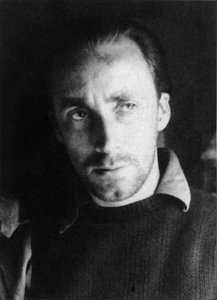
Albert Tucker
1905 - 1995 , Canada
Основные сведения
- Artistic Movement Or Style: Expressionism
- Date Of Birth: November 28, 1905
- Date Of Death: January 25, 1995
- Full Name: Albert William Tucker
- Nationality: Canadian
- Notable Artworks:
- Philosopher
- Memory of Leonski
- Place Of Birth: Oshawa, Canada