

 Предпросмотр
 Поделиться
 Поделиться
 Детали произведения

 Скачать
 Похожие работы
 Рентгенография
 Слайд-шоу
 Статистика
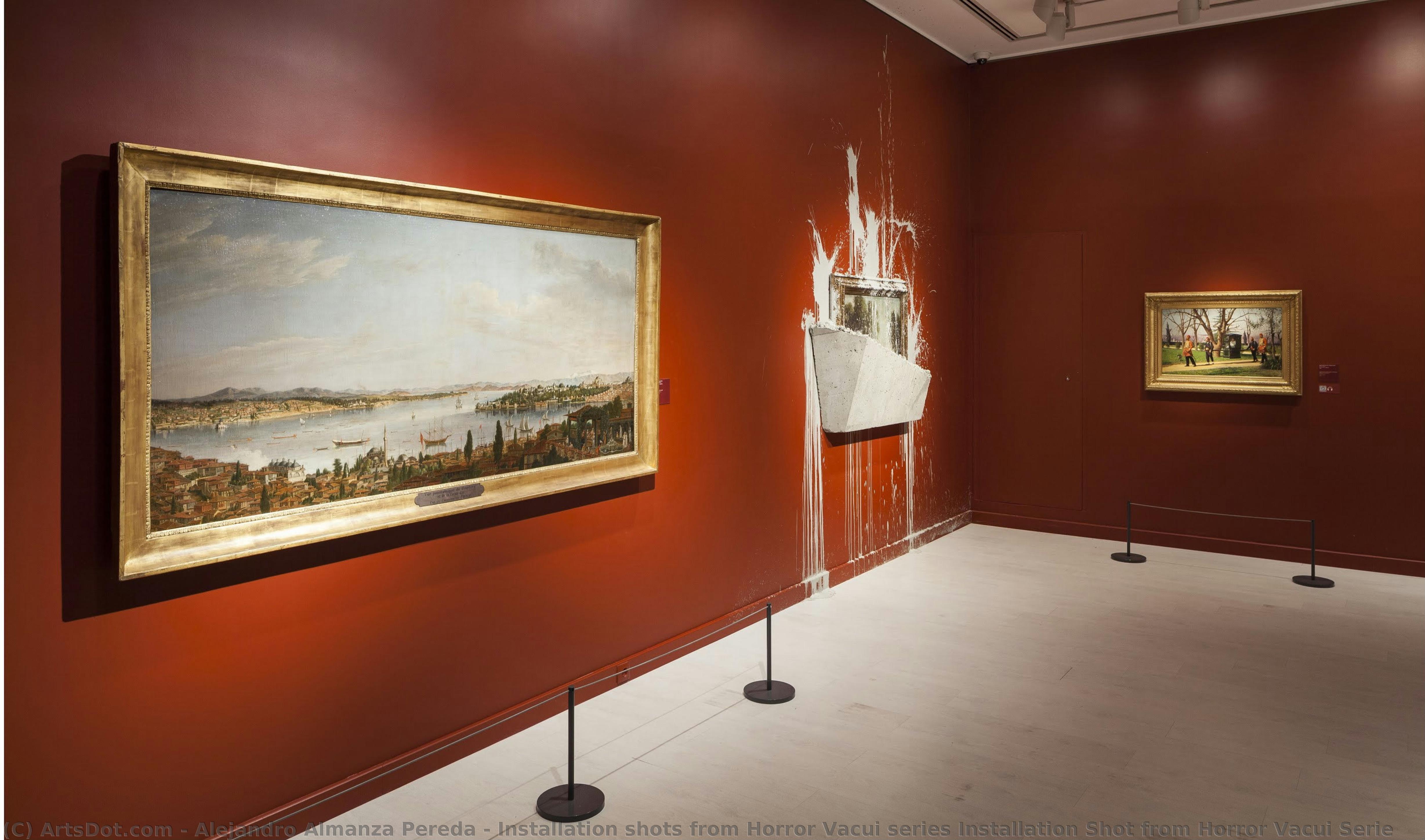
Installation shots from Horror Vacui series Installation Shot from Horror Vacui Serie


 Читать далее
Приобретите цифровое изображение высокого разрешения в улучшенном качестве, которое значительно превосходит онлайн-превью.
Каждый файл тщательно подготавливается нашими специалистами с использованием передовых инструментов и экспертной ручной ретуши. Мы гарантируем исключительную четкость, точную цветопередачу и детальную проработку каждого изображения.
Финальный файл доставляется по электронной почте в течение 72 часов и оптимизирован для немедленного использования в профессиональной среде, при верстке и печати. Это тот же уровень качества, которому доверяют ведущие дизайнерские студии, издательства и галереи.
Цифровое изображение
Скачайте файл высокого разрешения для личного использования, печати и творческих проектов. ( Перейти к печати Купить картину ручной работы)
Включено в каждый заказ цифровых изображений
Гарантия экспертной цифровой доставки
Выбирая ArtsDot.com, вы получаете не просто изображение — вы приобретаете профессионально обработанное цифровое произведение искусства, созданное с безупречной точностью и под защитой гарантии качества. Вот всё, что автоматически входит в ваш заказ:

Мгновенная доставка по e-mail
Ваш цифровой файл в высоком разрешении будет отправлен вам по электронной почте в течение 72 часов после оформления заказа — и сразу станет доступен для использования.

Цифровой файл с ИИ-улучшением
Ваше произведение искусства проходит профессиональную оптимизацию с использованием передовых инструментов ИИ и ручной обработки, что гарантирует максимальную детализацию, четкость и точность цветопередачи.

Бессрочная бесплатная повторная доставка
Случайно удалили или потеряли файл? Не беспокойтесь — мы отправим его вам повторно в любое время и совершенно бесплатно.

Без импортных пошлин — навсегда
Наслаждайтесь вашим произведением искусства мгновенно без таможенных пошлин, сборов или затрат на доставку — цифровые загрузки всегда не облагаются налогом.

Гарантия точности цветопередачи
Мы гарантируем, что ваше цифровое изображение максимально точно передает оригинальные цвета благодаря использованию профессиональных инструментов и систем управления цветом.

Гарантия удовлетворенности 100 дней
Если вы не будете удовлетворены своим цифровым изображением, мы внесем правки или вернем 100% стоимости в течение 100 дней — без лишних вопросов.

100% Гарантия возврата средств
Не удовлетворены покупкой? Получите полный возврат средств в течение 100 дней после получения цифрового файла — без лишних вопросов.

Скидки на оптовые заказы
Купите 3 изображения, сэкономьте 10% — Купите 5, сэкономьте 15% — Купите 10+, сэкономьте 20%. Отличное решение для творческих проектов, галерей и агентств.
Похожие произведения










Биография художника
Early Life and Artistic Foundations
Alejandro Almanza Pereda, born in Mexico City in 1977, embarked on a creative journey deeply rooted in the cultural tapestry of his homeland yet profoundly shaped by experiences beyond its borders. His formative years were spent navigating the vibrant energy of Mexico City, absorbing the rich artistic heritage and complex social narratives that would later become central themes in his work. A pivotal moment came with his pursuit of formal education, culminating in a Master’s degree in Arts from Hunter College in New York. This period proved transformative, exposing him to diverse perspectives and solidifying his conceptual framework. However, it wasn't merely academic study that fueled his artistic evolution; rather, it was the interplay between living within different cultural contexts – Mexico and the United States – that sparked a fascination with how societies perceive danger, risk, and the very structures of safety. This early exploration laid the groundwork for an oeuvre characterized by striking juxtapositions and a questioning of established norms.The Evolution of Materiality: From Installation to Underwater Worlds
Almanza Pereda’s artistic practice initially manifested in large-scale installations—precarious arrangements of found objects that seemed suspended between stability and collapse. These early works weren't simply about the aesthetic arrangement of materials; they were investigations into the inherent properties of those materials, challenging their perceived durability and conceptual limitations. Fluorescent tube lights, bowling balls, furniture, plants – seemingly disparate elements were brought together in a delicate balance, creating a tension that captivated viewers. The artist’s interest wasn't in narrative storytelling but rather in the materiality itself, prompting contemplation on fragility, value, weight, and power. This fascination with physicality led to an intriguing shift in his approach around 2010: he began immersing these objects underwater. Filming and photographing them within a DIY plywood aquarium introduced a new dimension—a sense of altered reality, where gravity’s rules were suspended and the mundane became surreal. The water acted as both a protective medium and a distorting lens, further emphasizing the inherent contradictions within his chosen materials.Influences and Conceptual Framework
While Almanza Pereda's work is distinctly contemporary, it resonates with historical precedents. He acknowledges an affinity for Dutch still-life painting, particularly its meticulous attention to detail and symbolic representation of mortality and transience. However, he diverges from traditional approaches by eschewing narrative in favor of a more open-ended exploration of materiality. His conceptual framework centers on the culturally specific paradigms of safety, danger, and architecture—themes that are often explored through the juxtaposition of objects with contrasting connotations. The artist’s work isn't about providing answers but rather about raising questions: How do different cultures define risk? What structures do we build to protect ourselves, both physically and psychologically? And how do these structures shape our perception of the world around us? This intellectual rigor is balanced by a keen aesthetic sensibility, resulting in works that are both conceptually challenging and visually compelling.Major Achievements and International Recognition
Alejandro Almanza Pereda’s work has garnered significant international recognition, solidifying his position as a leading contemporary artist. He has presented solo exhibitions at prestigious institutions including the San Francisco Art Institute, Museo El Eco in Mexico City, and ChertLüdde in Berlin. His installations have been featured at major art festivals such as the Istanbul Biennial and ASU Museum, demonstrating his ability to engage diverse audiences with complex themes. Beyond exhibition opportunities, Almanza Pereda has received numerous awards and residencies, including fellowships from the Smithsonian Institution, Black Cube Artist Fellowship, and Skowhegan School of Painting and Sculpture. His inclusion in Art21’s “Close Up” series further amplified his reach, introducing his work to a wider public. These achievements are not merely accolades; they represent a validation of his unique artistic vision and his commitment to pushing the boundaries of contemporary art.Historical Significance and Lasting Legacy
Alejandro Almanza Pereda's contribution to contemporary art lies in his ability to synthesize diverse influences—historical painting, cultural studies, and material exploration—into a cohesive and thought-provoking body of work. He challenges conventional notions of sculpture by embracing found objects and unconventional materials, creating installations that are both visually striking and conceptually rich. His shift towards underwater photography introduced a new dimension to his practice, blurring the lines between reality and illusion and prompting viewers to reconsider their relationship with the physical world. More importantly, Almanza Pereda’s work encourages critical reflection on societal structures—the ways in which we define safety, perceive danger, and build our environments. As an artist who consistently questions established norms and embraces ambiguity, he leaves a lasting legacy as a pioneer of contemporary installation art and a compelling voice within the global art community. His exploration of materiality continues to inspire artists and viewers alike, prompting ongoing dialogue about the complex interplay between culture, perception, and the physical world.
alejandro almanza pereda
1977 -