
Меню
ПредпросмотрПредпросмотр Предпросмотр в ARПредпросмотр в AR Купить картину ручной работы Купить картину ручной работыПерейти к цифровым изображениям Перейти к цифровым изображениям ПоделитьсяПоделиться
Детали произведенияДетали произведения Добавить в избранное Добавить в избранное СкачатьСкачать Похожие работыПохожие работы РентгенографияРентгенография Слайд-шоуСлайд-шоу СтатистикаСтатистика

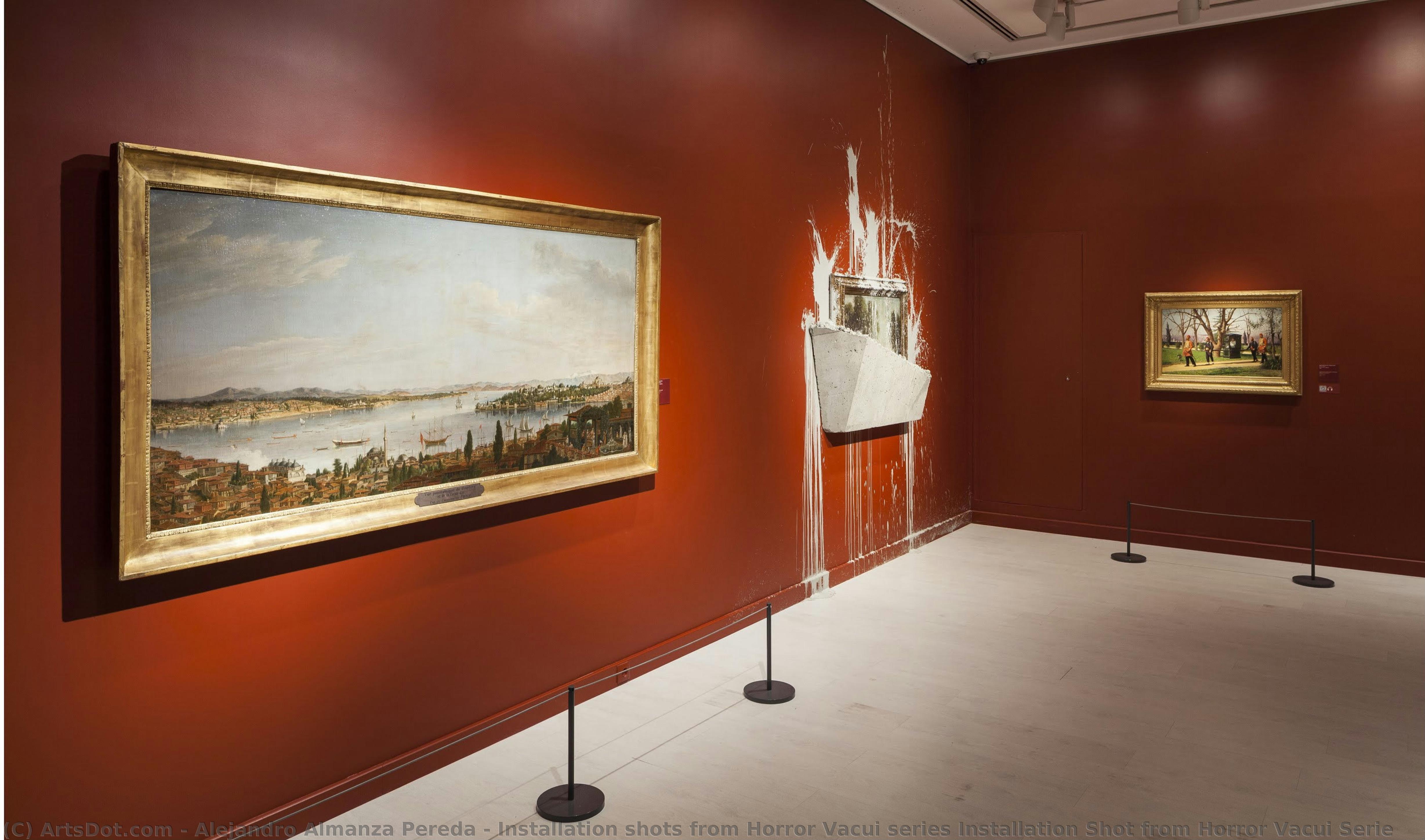
Installation shots from Horror Vacui series Installation Shot from Horror Vacui Serie

Explore Alejandro Almanza Pereda's unique art! Mexican artist blending danger, architecture & culture through striking juxtapositions. Master’s degree, international acclaim.

Жикле / Арт-принт

Печать (жикле) или холст музейного качества с быстрыми сроками изготовления и широким выбором вариантов отделки. (Купить картину ручной работы Купить картину ручной работыПерейти к цифровым изображениям Перейти к цифровым изображениям)

Стандартный размер
на заказ
CM
INCH

Выберите один из наших стандартных размеров, соответствующих оригинальным пропорциям произведения искусства.

ширина
высота

Вы можете указать свои собственные размеры, чтобы репродукция идеально подошла под конкретную раму или пространство. Если выбранный вами размер не будет соответствовать пропорциям оригинала, мы либо обрежем произведение, либо дополним изображение зеркальным отражением краев или однотонной заливкой. Перед началом производства вам будет отправлен цифровой макет для утверждения.
Пожалуйста, обратите внимание, что предварительный просмотр на экране не отображает фактическую обрезку или расширение изображения. Только макет точно покажет финальную композицию.
Несмотря на возможность заказа индивидуальных размеров, мы рекомендуем выбирать размер из предопределенного списка, чтобы сохранить оригинальные пропорции.

Доставка по всему миру () за 2 недели вместо стандартных 4/5 недель. (12 Сентябрь)

why_choose_icon
Бесплатная экспресс-доставка по всему миру
why_choose_icon
Высококачественный льняной холст
why_choose_icon
Полное страхование доставки
why_choose_icon
Гарантия возмещения таможенных пошлин
why_choose_icon
Гарантия точного соответствия цветов
why_choose_icon
100-дневная политика возврата (только при обнаружении дефектов)
why_choose_icon
Гарантия возврата 100% средств
why_choose_icon
Предложение оптовых скидок

Общая стоимость

$ 62

reproduction

Installation shots from Horror Vacui series Installation Shot from Horror Vacui Serie

Жикле / Арт-принт

Размер репродукции

-

Итоговая стоимость

$ 62

From the eighteenth to the early twentieth centuries, Romantic landscape paintings enjoyed great popularity. Depicting natural geographical features such as pastures, cliffs or waterfalls, such paintings were often intended to instill patriotism, cementing the national identities of emerging states or countries. After the advent of technologies of reproduction of the twentieth century, and cheap skilled labour, landscape and genre paintings became inexpensive to produce. Today, paintings of many styles by unknown makers of decades past are widely sold in flea markets or charity shops. Instead of being admired for their skillful artistry as they once were, they are often dismissed as throw-away or kitsch. Alejandro Almanza Pereda’s Horror Vacui (2010–2017) series appropriates existing Romantic-style landscape and genre paintings sourced by the artist from within Istanbul. In the series, each painting is hung on the wall, with a lump of concrete stuck onto it, partially obscuring the image, as though part of a wall is hanging on the painting and not vice versa. Liquid concrete is then splattered on the painting and surrounding wall. The resulting effect is of a petit bourgeois interior from the last century that has been accidentally damaged by processes of construction. The work is an allegory of the entropic forces that can ruin even as they build. By contrasting these depictions of outdoor space with a building material such as concrete, Almanza Pereda calls attention to the space-filling processes of human construction. (The series’ title, ‘horror vacui’ – ‘fear or dislike of empty spaces’ – refers to a traditional visual technique of filling a pictorial plane’s negative space with detail.) The installation sets an idyllic view of nature against the corrosive and relentless process of humans shaping geography to their will. It also points to the covering up of history, the translation of values across time, and changes in taste, from the once-aspirational hand-crafted painting to the concrete that – although once employed for its inexpensiveness and ease of construction – is used today within contemporary, minimal ‘design’ interiors at a high cost. Perhaps this too will fade.













































