 Предпросмотр
 Поделиться
 Поделиться
 Детали произведения

 Скачать
 Похожие работы
 Рентгенография
 Слайд-шоу
 Статистика
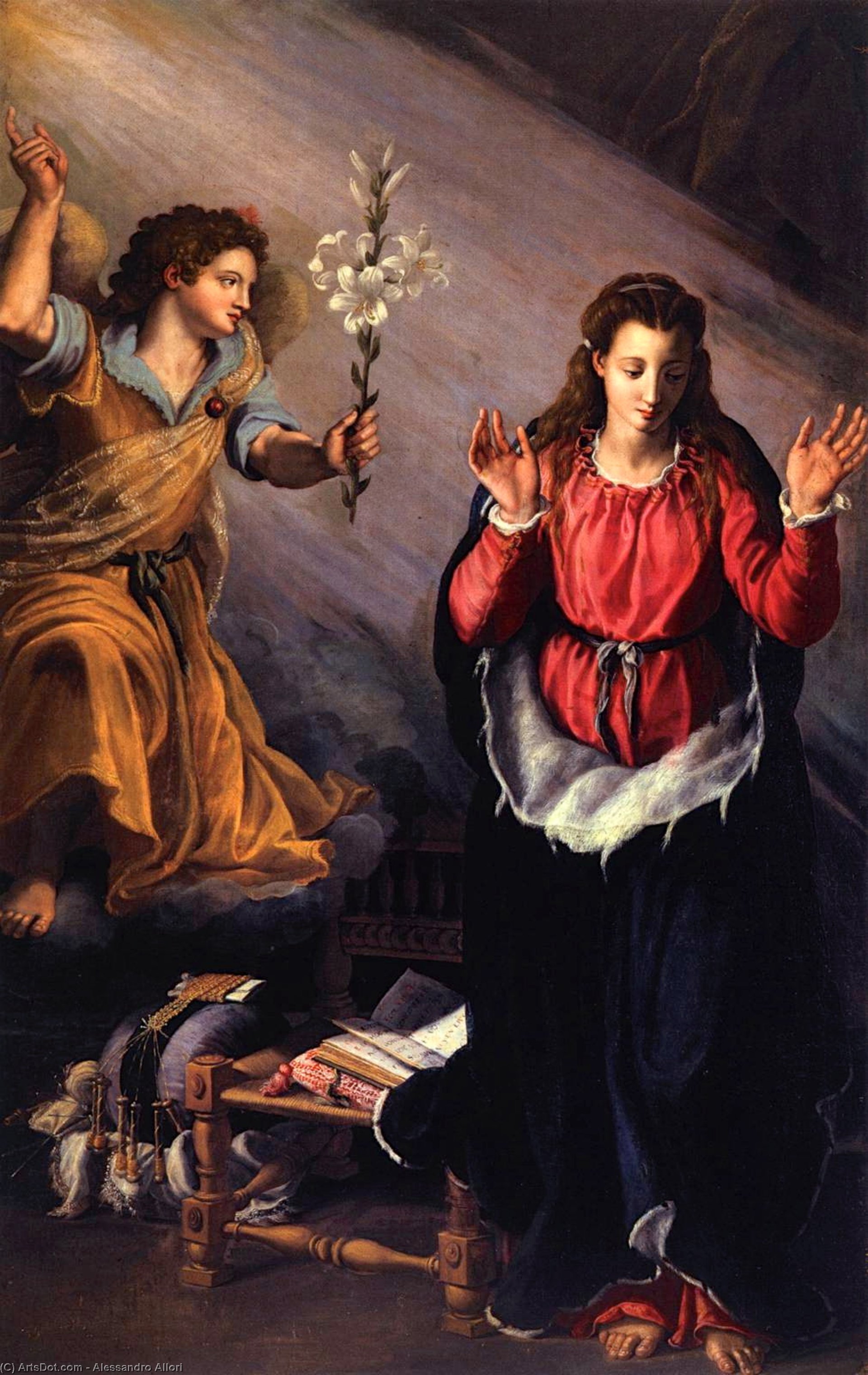
Annunciation


 Читать далее
Жикле / Арт-принт
Печать (жикле) или холст музейного качества с быстрыми сроками изготовления и широким выбором вариантов отделки. ( Купить картину ручной работы Перейти к цифровым изображениям)




P118B $10

P118H $10

P118W $10

P438Z $10

P508JH $12

P508YH $12

P805H $10

P805Z $10

P919BZ $10

P919G $10

P919XJ $10

P959ZH $10

P968JZ $12

W106C $8

W218G $10

W218JH $8

W218Y $10

W307PJ $10

W316G $10

W316PJ $8

W316Y $10

W398PJ $8

W4111J $10

W500HY $15

W500JH $15

W692G $12

W849H $8

W940BG $15

W953PJ $8




Выберите один из наших стандартных размеров, соответствующих оригинальным пропорциям произведения искусства.

Вы можете указать свои собственные размеры, чтобы репродукция идеально подошла под конкретную раму или пространство. Если выбранный вами размер не будет соответствовать пропорциям оригинала, мы либо обрежем произведение, либо дополним изображение зеркальным отражением краев или однотонной заливкой. Перед началом производства вам будет отправлен цифровой макет для утверждения.
Пожалуйста, обратите внимание, что предварительный просмотр на экране не отображает фактическую обрезку или расширение изображения. Только макет точно покажет финальную композицию.
Несмотря на возможность заказа индивидуальных размеров, мы рекомендуем выбирать размер из предопределенного списка, чтобы сохранить оригинальные пропорции.
Доставка по всему миру () за 2 недели вместо стандартных 4/5 недель. (10 Сентябрь)

Бесплатная экспресс-доставка по всему миру

Высококачественный льняной холст

Полное страхование доставки

Гарантия возмещения таможенных пошлин

Гарантия точного соответствия цветов

100-дневная политика возврата (только при обнаружении дефектов)

Гарантия возврата 100% средств

Предложение оптовых скидок
 Вариант со стеклом доступен только для размеров менее 110 см

Annunciation
Жикле / Арт-принт
Размер репродукции
-


Итоговая стоимость
$ 62
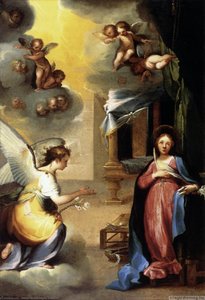
A Celestial Encounter: The Elegance of Allori’s Annunciation
In the quiet sanctity of the Galleria dell'Accademia in Florence, Alessandro Allori’s Annunciation stands as a breathtaking window into the soul of late Florentine Mannerism. Completed in 1603, this masterpiece does more than merely depict a biblical moment; it captures the very essence of an era caught between the structured perfection of the High Renaissance and the expressive, stylized tension of the Mannerist movement. As the viewer approaches, they are met with a scene of profound spiritual weight, where the divine intersects with the human through a masterful display of light and form. The painting breathes with a certain ethereal grace, inviting anyone from the passionate art historian to the discerning interior designer to lose themselves in its luminous depths.
The composition is a masterclass in the deliberate use of elongated proportions and sculptural precision. Allori, heavily influenced by his mentor Agnolo Bronzino, imbues the figures of the Angel Gabriel and the Virgin Mary with a marble-like smoothness that feels both incredibly tactile and otherworldly. The angel, poised on the left, gestures with a refined elegance, holding a lily—a timeless symbol of purity—while draped in robes of brilliant blue that seem to glow from within. Opposite him, Mary receives the divine message with a gesture of startled acceptance, her red dress providing a warm, emotional anchor to the composition. The subtle, twisted poses characteristic of the Mannerist style lend a sense of rhythmic movement to the scene, ensuring that even in their stillness, the figures possess a dynamic, spiritual energy.
Technique and the Radiance of Florentine Color
To behold this work is to witness the technical brilliance of Allori’s hand. Utilizing tempera on plaster, the artist achieved a level of durability and pigment vibrancy that has allowed the brilliant golds and deep blues to remain strikingly potent for over four centuries. The way light interacts with the surface is nothing short of miraculous; Allori skillfully manipulates shadows to sculpt the faces of his subjects, creating an emotional depth that transcends the flat plane of the canvas. This interplay of light and shadow—the chiaroscuro effect—highlights the angel’s halo and casts a soft, contemplative glow across Mary’s features, heightening the drama of the miraculous visitation.
For those seeking to bring this level of sophistication into a contemporary space, a high-quality reproduction of this piece offers more than just decoration; it provides a focal point of intellectual and aesthetic prestige. The dark, atmospheric background serves as a perfect foil for modern, minimalist interiors, allowing the rich textures and classical subject matter to command attention without overwhelming the room. Whether placed in a sunlit gallery or a moody, private study, the Annunciation acts as a bridge between the historical grandeur of the Italian Renaissance and the refined tastes of the modern collector.
Symbolism and the Emotional Resonance of the Divine
Beyond its technical prowess, the painting is rich with symbolic layers that reward deep contemplation. The small bird perched upon Mary's shoulder and the delicate lily held by Gabriel are not merely decorative flourishes; they are silent narrators of themes involving innocence, the Holy Spirit, and the unfolding of divine will. Allori’s ability to weave these symbols into a cohesive, aesthetically pleasing narrative is what elevates this work from a religious icon to a profound piece of fine art. The emotional impact is one of quiet awe—a sense of witnessing a sacred secret being whispered across the ages.
Owning or displaying a reproduction of Allori’s Annunciation allows for a continuous dialogue with history. It is an invitation to reflect on the beauty of precision, the power of light, and the enduring human fascination with the divine. For the art lover, it is a piece of Florentine heritage; for the designer, it is a cornerstone of classical elegance; and for the collector, it is a timeless investment in the enduring legacy of the Italian masters.
Похожие произведения


Биография художника
A Florentine Legacy: The Life and Art of Alessandro Allori
Alessandro Allori, born in Florence on May 31st, 1535, stands as a captivating figure within the late Mannerist school – an artist deeply shaped by circumstance and profoundly influenced by the tutelage of Agnolo Bronzino. His journey began with an unexpected inheritance: orphaned at a young age, he found a surrogate father in the renowned painter Bronzino, immersing himself not just in artistic skill but also into a world of refined technique, intellectual rigor, and a distinctive aesthetic sensibility that would become the very essence of Allori’s style. This adoption wasn't merely familial; it was an apprenticeship within a circle of artistic excellence, fostering a deep understanding of Bronzino’s meticulous approach to composition, color, and form – a preference for polished surfaces, elongated figures, and a subtle, almost sculptural quality that defined his work. While often criticized for its perceived derivative nature, this influence ultimately formed the bedrock of Allori's unique artistic identity, establishing him as a crucial link in the transmission of artistic knowledge within Florentine circles.The Echoes of Mannerism and Artistic Development
Allori’s art is inextricably linked to the Mannerist tradition – an era characterized by its deliberate artificiality, elegant complexity, and a conscious departure from the naturalistic ideals of the High Renaissance. However, he wasn't a revolutionary; rather, he was a master interpreter and skillful developer of existing forms, meticulously refining and reinterpreting the works of giants like Michelangelo and Raphael through Bronzino’s distinctive lens. Critics frequently noted his tendency to draw heavily upon pre-existing art, demonstrating an impressive ability to absorb and adapt established styles. This wasn't a criticism of laziness but rather a recognition of Allori’s role as a vital conduit for artistic knowledge within the vibrant Florentine art world. His paintings are immediately recognizable by their almost unsettling smoothness – figures possessing a remarkable marble-like quality that lends them an air of timelessness and formality, creating a visual effect reminiscent of ancient sculpture. This deliberate aesthetic choice wasn't simply a matter of technical proficiency; it reflected the Mannerist desire to elevate art beyond mere representation, aiming instead for images of idealized beauty, intellectual depth, and profound emotional resonance. He supplemented his formal training with an intense dedication to anatomical study – even undertaking dissections at the Hospital of Santa Maria Nuova in Florence – demonstrating a deep understanding of human anatomy that underpinned his stylized yet remarkably accurate depictions of the human form.Major Works and Patronage
Allori’s career flourished under the generous patronage of some of Florence's most influential families, particularly the powerful Medici dynasty. He contributed significantly to several prestigious decorative projects for them, showcasing his versatility and technical mastery. His *Pearl Fishers*, painted around 1571 as part of the elaborate program adorning the Studiolo of Duke Francesco I in the Palazzo Vecchio, stands as a testament to his skill – a complex allegorical scene brimming with graceful figures, intricate details, and a captivating sense of movement. This work exemplifies Allori’s ability to seamlessly blend narrative storytelling with sophisticated artistic technique. Beyond this monumental commission, he produced numerous portraits, religious paintings, and altarpieces that reflect the tastes and preferences of his wealthy patrons. Notably, he created a series of works for the Salviati family, including mythological scenes for Alamanno Salviati’s villa near Florence, intricate depictions of episodes from the Odyssey for Jacopo Salviati's Florentine palazzo, and significant contributions to the Chapel of St. Antoninus within San Marco – a space that also served as the family chapel. His dedication to his craft was further demonstrated by his expansion upon frescoes begun by earlier masters like Andrea del Sarto and Franciabigio within the Villa di Poggio a Caiano, skillfully harmonizing with their existing compositions and demonstrating both his technical skill and his deep appreciation for the artistic legacy of Florence.Legacy and Historical Significance
Alessandro Allori died in Florence on September 22nd, 1607, leaving behind a substantial body of work that continues to captivate art historians and enthusiasts alike. While he may not have achieved the same level of widespread recognition as some of his contemporaries – such as Michelangelo or Leonardo da Vinci – his significance lies in his pivotal role within the late Mannerist movement and his crucial function as a transmitter of artistic knowledge and tradition. He wasn’t an innovator in the same radical sense, but rather a supremely skilled craftsman who meticulously refined and developed existing styles, ensuring their survival for future generations. The story of “Allegory of Human Life,” a painting that was lost for decades before being rediscovered in the Uffizi Gallery, adds another layer to his legacy – a testament to the enduring power of his art and its ability to transcend time and circumstance. Allori’s influence extended through his numerous pupils, most notably his son Cristofano Allori, who continued the family's artistic tradition, ensuring that the distinctive style of Alessandro Allori would continue to resonate within the Florentine art world for years to come. His paintings remain valuable testaments to the elegance and intellectual complexity of Florentine Mannerism, offering a glimpse into a world where art was not merely about representation but about the pursuit of idealized beauty and refined expression. He remains an important figure for understanding the transition from Renaissance artistry towards the Baroque period.Exploring Allori’s World Today
- Museum Collections: Discover Alessandro Allori's masterpieces in institutions like the Uffizi Gallery, the Gemäldegalerie in Berlin, and various other museums worldwide.
- Notable Works: Explore iconic paintings such as “Allegory of Human Life,” “Stories of St. Jerome,” and his contributions to the Studiolo of Francesco I.
- Further Research: Delve deeper into Allori’s life and art through resources like Wikipedia, Getty Museum archives, and scholarly articles on Florentine Mannerism.

Алессандро Магнаско
1535 - 1607 , Италия
Основные сведения
- Artistic Movement Or Style: Маньеризм
- Artists Or Movements Influenced By This Artist: ['Кристофоро Аллори']
- Artists Who Influenced This Artist: ['Бронзино']
- Date Of Birth: 31 мая 1535 г.
- Date Of Death: 22 сент. 1607 г.
- Full Name: Alessandro Allori
- Nationality: Итальянец
- Notable Artworks:
- Аллегория жизни
- Рассказы о святом Иеронии
- Place Of Birth: Флоренция, Италия
Похожие статьи
Paul Gabriël: A Study in Belle Époque Academic Painting & Parisian Salon Ambitions
Explore the life & work of Paul Gabriël, a key figure of the Hague School and Belle Époque painting. Discover his journey to Parisian Salon recognition and lasting influence on Dutch landscape art.

Фра Анджелико: Топ-25 шедевров эпохи Возрождения для вашего интерьера
Погрузитесь в мир Фра Анджелико! Топ-25 шедевров Возрождения – религиозные фрески, алтари и картины с ангелами. Узнайте историю искусства и вдохновитесь для декора дома. Репродукции картин высокого качества на ArtsDot.com.
Celestial Messengers: Angels in Painting – A Historical & Artistic Exploration
Explore the captivating history of angels in painting! Discover symbolism, iconic Renaissance & Byzantine masterpieces, and renowned artists. Expert insights for art lovers & collectors at ArtsDot.
Celestial Messengers: A Comprehensive Exploration of Angelic Representation in Art History
Explore the captivating history of angels in art! Discover symbolism, iconic Renaissance masterpieces & renowned artists. Expert insights for art lovers & collectors at ArtsDot.
25 Шедевров Данте Габриэля Россетти: Искусство, Символизм и Декор для Вашего Дома
Погрузитесь в мир Данте Габриэля Россетти! 25 шедевров прерафаэлитов, полных символизма и страсти. Узнайте истории создания культовых картин и найдите идеальный декор для вашего дома на ArtsDot.com – музейное качество, вдохновение и искусство онлайн.