


 Предпросмотр
 Поделиться
 Поделиться
 Детали произведения

 Скачать
 Похожие работы
 Рентгенография
 Слайд-шоу
 Статистика
Paesaggio lacustre

 Читать далее
Жикле / Арт-принт
Печать (жикле) или холст музейного качества с быстрыми сроками изготовления и широким выбором вариантов отделки. ( Купить картину ручной работы Перейти к цифровым изображениям)
































Выберите один из наших стандартных размеров, соответствующих оригинальным пропорциям произведения искусства.

Вы можете указать свои собственные размеры, чтобы репродукция идеально подошла под конкретную раму или пространство. Если выбранный вами размер не будет соответствовать пропорциям оригинала, мы либо обрежем произведение, либо дополним изображение зеркальным отражением краев или однотонной заливкой. Перед началом производства вам будет отправлен цифровой макет для утверждения.
Пожалуйста, обратите внимание, что предварительный просмотр на экране не отображает фактическую обрезку или расширение изображения. Только макет точно покажет финальную композицию.
Несмотря на возможность заказа индивидуальных размеров, мы рекомендуем выбирать размер из предопределенного списка, чтобы сохранить оригинальные пропорции.
Доставка по всему миру () за 2 недели вместо стандартных 4/5 недель. (14 Сентябрь)

Бесплатная экспресс-доставка по всему миру

Высококачественный льняной холст

Полное страхование доставки

Гарантия возмещения таможенных пошлин

Гарантия точного соответствия цветов

100-дневная политика возврата (только при обнаружении дефектов)

Гарантия возврата 100% средств

Предложение оптовых скидок
 Вариант со стеклом доступен только для размеров менее 110 см

Paesaggio lacustre
Жикле / Арт-принт
Размер репродукции
-


Итоговая стоимость
$ 62
Похожие произведения
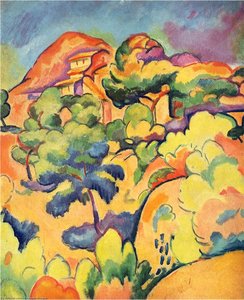
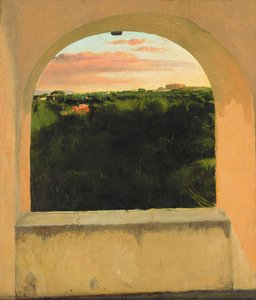
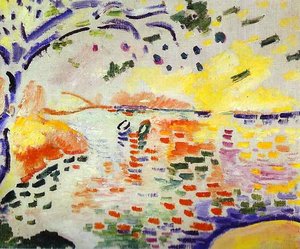
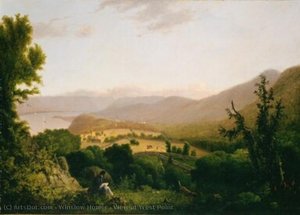
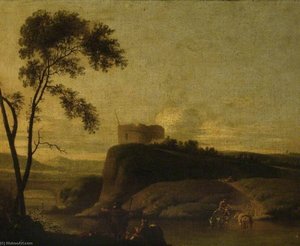
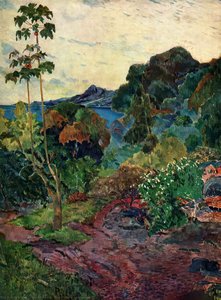
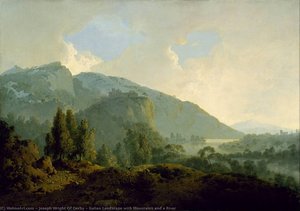
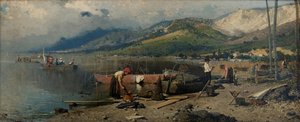
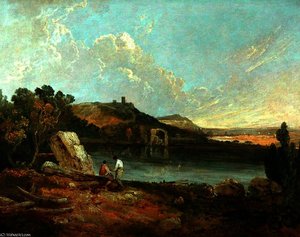
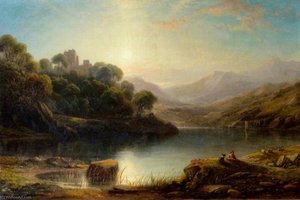
Биография художника
Alessandro La Volpe: Capturing the Soul of Southern Italy
Born in Lucera, a town nestled within the heart of Italy’s Campania region, Alessandro La Volpe (1820-1887) emerged as a pivotal figure in 19th-century Italian landscape painting. His artistic journey was deeply intertwined with his homeland – specifically, the sun-drenched landscapes and evocative light of Southern Italy, particularly the regions surrounding Naples and the Amalfi Coast. La Volpe’s work transcends mere representation; he sought to capture not just the visual appearance of these places but also their very essence, imbuing each canvas with a palpable sense of atmosphere and emotion.
La Volpe's early artistic training laid the foundation for his distinctive style. He began his formal studies at the Academy of Fine Arts in Naples, where he was mentored by Gabriele Smargiassi and Salvatore Fergola – both prominent figures within the burgeoning Posillipo School. This influential movement, centered around the picturesque district of Posillipo overlooking the Bay of Naples, emphasized a delicate realism combined with an expressive use of light and color. The influence of Smargiassi’s “rosy manner,” characterized by soft hues and atmospheric effects, is particularly evident in La Volpe's later works.
The Landscape as Narrative
La Volpe’s paintings are predominantly landscapes, but they function more like intimate narratives than simple depictions of scenery. He frequently chose subjects that resonated with the everyday lives of the people inhabiting these regions – bustling caravan scenes, quiet harbors dotted with fishing boats, and panoramic views of ancient ruins bathed in golden light. These weren't grand historical compositions; instead, he focused on capturing fleeting moments, the subtle shifts in light, and the interactions between man and his environment.
A key element of La Volpe’s technique was his masterful manipulation of *chiaroscuro* – the dramatic contrast between light and shadow. He employed this device not merely for aesthetic effect but to create a sense of depth, volume, and emotional intensity. The interplay of light and shade transforms ordinary landscapes into scenes brimming with drama and atmosphere. His use of color is equally noteworthy; he favored warm, earthy tones—ochres, siennas, and umbers—that perfectly mirrored the palette of the Italian countryside.
Influences and Artistic Development
La Volpe’s artistic development was shaped by a confluence of influences. As mentioned earlier, the Posillipo School provided him with a foundational understanding of landscape painting in Italy. However, he also drew inspiration from the Barbizon school in France, known for its emphasis on *plein air* (outdoor) painting and a direct observation of nature. This approach is reflected in his meticulous attention to detail and his ability to capture the nuances of light and color as they appear directly before him.
His early career saw him exhibiting at the annual exhibitions of the Promoter of Fine Arts in Naples, showcasing works such as “Temples of Paestum” and “Marina of Paestum.” Later, he moved to Rome, where he established a studio and continued to develop his distinctive style. His move to Rome marked a shift towards more urban landscapes, though he never abandoned his love for the natural beauty of Southern Italy.
Legacy and Historical Significance
Alessandro La Volpe’s contribution to Italian landscape painting is significant not only for his technical skill but also for his ability to evoke a profound sense of place. His paintings offer a glimpse into the soul of Southern Italy—its beauty, its history, and its enduring spirit. He remains an important figure in the Posillipo School and a testament to the power of art to capture the essence of a region and its people.
His work is held in several museums and private collections worldwide, including the Museum of La Plata in Argentina, where his landscapes of the Gulf of Naples are particularly celebrated. La Volpe’s legacy endures as an artist who masterfully translated the light and atmosphere of Southern Italy onto canvas, creating timeless images that continue to captivate viewers today.
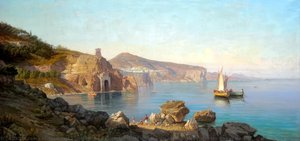
alessandro la volpe
1820 - 1887
Основные сведения
- Artistic Movement Or Style: Posillipo School
- Artists Or Movements Influenced By This Artist: ['Macchiaioli']
- Artists Who Influenced This Artist:
- Gabriele Smargiassi
- Salvatore Fergola
- Date Of Birth: February 27, 1820
- Date Of Death: August 2, 1887
- Full Name: Alessandro La Volpe
- Nationality: Italian
- Notable Artworks:
- Paesaggio lacustre
- Temples of Paestum
- Place Of Birth: Lucera, Italy
Похожие статьи
Топ-10 шедевров импрессионизма: пейзажи, изменившие искусство | ArtsDot
Погрузитесь в мир импрессионизма! Откройте 10 шедевров Моне, Ренуара и других великих художников. Узнайте историю создания культовых пейзажей и вдохновитесь для декора вашего дома. Репродукции картин высокого качества на ArtsDot.com.
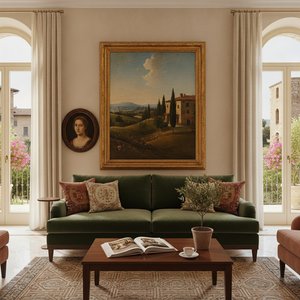
The Art of Italian Living: Transform Your Home with Timeless Landscapes and Renaissance Masterpieces
Elevate your home with the timeless romance of Italy. Discover expert-curated, hand-painted Italian landscapes and Renaissance-inspired masterpieces. From bespoke oil reproductions to custom portraits from photos, transform your space with elegance and artistic passion.
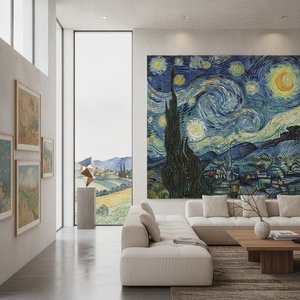
Beyond the Horizon: A Curated Guide to Integrating Post-Impressionist Landscapes into Modern Interiors
Transform your home with the emotive power of Post-Impressionist landscapes. Discover expert tips on selecting hand-painted oil reproductions to create a soulful, vibrant interior that reflects your unique style and connection to nature.

Evocations of Place: A Historical Journey Through Landscape Art
Explore the rich history of landscape art with ArtsDot. Discover renowned artists, movements like Impressionism & Romanticism, and expert guidance for collecting timeless pieces. Find your perfect serene escape today!
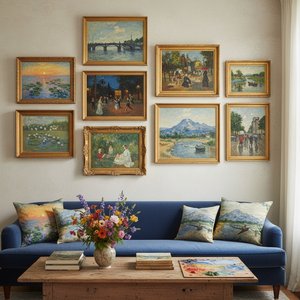
Топ-10 шедевров импрессионизма: пейзажи, изменившие искусство | ArtsDot
Погрузитесь в мир импрессионизма! Откройте топ-10 шедевров Моне, Ренуара и других великих художников. Узнайте историю создания культовых пейзажей и вдохновитесь для декора интерьера. Репродукции картин высокого качества на ArtsDot.com