

 Предпросмотр
 Поделиться
 Поделиться
 Детали произведения

 Скачать
 Похожие работы
 Рентгенография
 Слайд-шоу
 Статистика
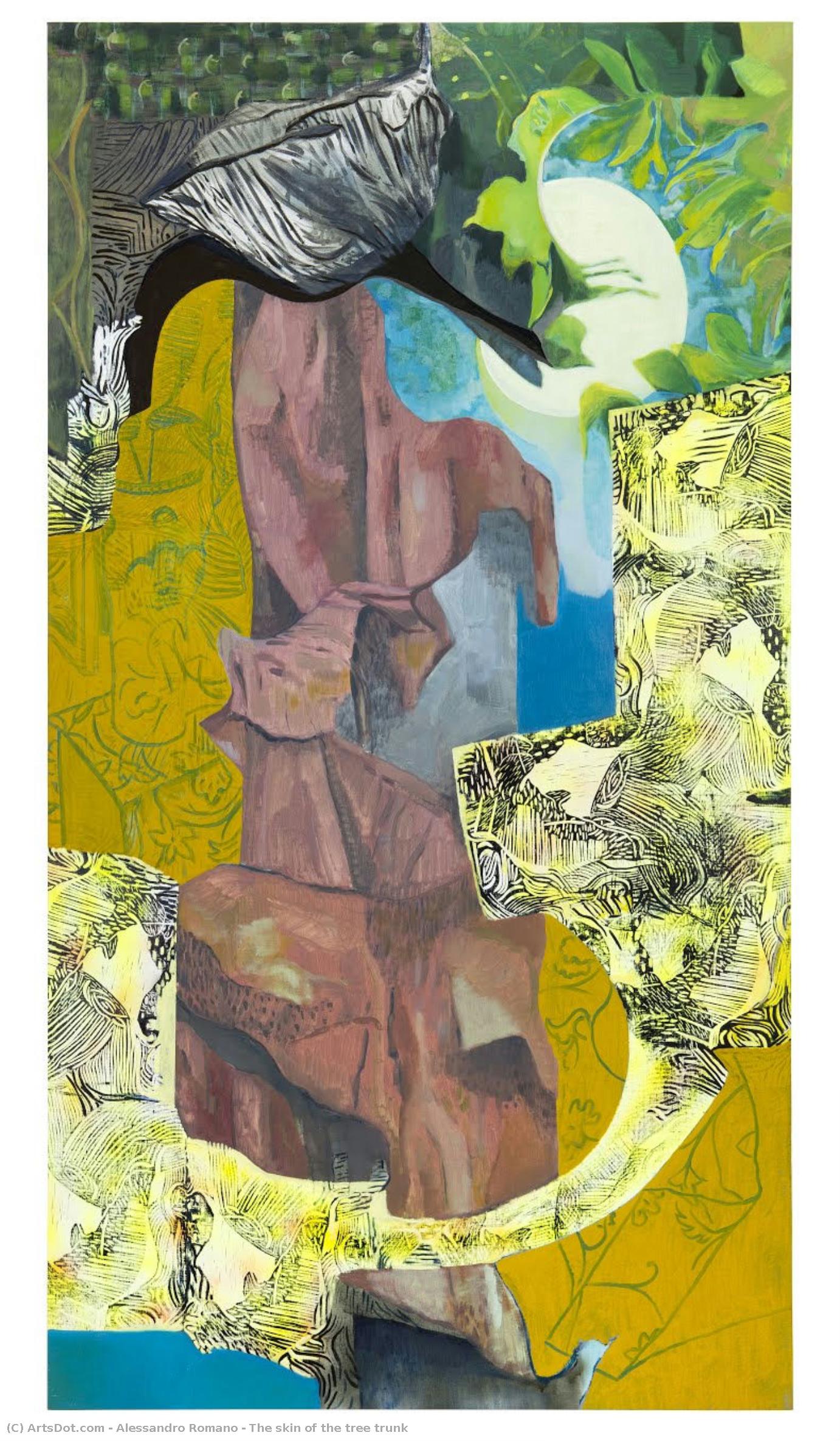
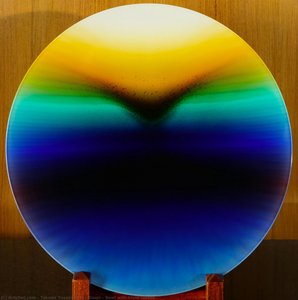
The skin of the tree trunk
 105.0 x 195.0 cm
 Viafarini
 Читать далее
Масляная репродукция ручной работы
Картина маслом на холсте в выбранном вами размере и раме, написанная на заказ нашими художниками. ( Перейти к печати Перейти к цифровым изображениям)




































Выберите один из наших стандартных размеров, соответствующих оригинальным пропорциям произведения искусства.

Вы можете указать собственные размеры, чтобы картина идеально вписалась в выбранную раму или пространство. Если выбранный вами размер не соответствует пропорциям оригинала, мы либо обрежем полотно, либо расширим его за счет дополнительных элементов, написанных вручную. Цифровой макет будет отправлен вам на утверждение перед началом производства.
Обратите внимание, что предварительный просмотр на экране не отражает фактическую обрезку или расширение. Только макет точно покажет окончательную композицию.
Хотя доступны индивидуальные размеры, мы рекомендуем выбирать вариант из предопределенного списка, чтобы сохранить исходные пропорции.
После оформления заказа команда ArtsDot.com свяжется с клиентом по электронной почте для уточнения деталей и предоставит предварительный макет
Доставка по всему миру () за 3–4 недели вместо стандартных 5 недель. (11 Сентябрь). Без компромиссов в качестве.

Бесплатная экспресс-доставка по всему миру

Высококачественный льняной холст

Полное страхование доставки

Гарантия возмещения таможенных пошлин

Гарантия точного соответствия цветов

100-дневная политика возврата (только при обнаружении дефектов)

Гарантия возврата 100% средств

Предложение оптовых скидок
 Вариант со стеклом доступен только для размеров менее 110 см

The skin of the tree trunk
Техника репродукции
Размер репродукции
-


Итоговая стоимость
$ 263
Похожие произведения

Биография художника
Alessandro Romano: A Sculptor of Myth and Modernity
Born in Rome in 1944, Alessandro Romano’s artistic journey is deeply rooted in a lineage of Italian craftsmanship and a profound engagement with both classical tradition and the anxieties of contemporary life. His career, spanning decades and encompassing sculpture, painting, and design, reveals an artist constantly seeking to bridge the gap between ancient narratives and the complexities of the modern world. Romano’s work isn't merely decorative; it’s a conversation—a dialogue with history, mythology, and the human condition.
His early education was meticulously shaped by his grandfather, Salvatore Romano, a prominent art collector and patron who fostered in young Alessandro a deep appreciation for sculpture. This inheritance extended beyond mere admiration; it involved hands-on experience within a workshop steeped in the techniques of the old masters. This rigorous training instilled a fundamental understanding of form, proportion, and the tactile qualities of materials – a bedrock upon which Romano’s distinctive style would later be built. The influence of this family legacy is palpable throughout his oeuvre, manifesting not as slavish imitation but as a considered reinterpretation informed by centuries of artistic precedent.
The Sculptor's Palette: Bronze, Stone, and Beyond
Romano’s sculptural output is remarkably diverse, ranging from monumental bronze figures to intricate stone carvings and even delicate jewelry. He masterfully manipulates various materials – primarily bronze, but also marble, alabaster, and occasionally wood – each chosen with deliberate intent to enhance the expressive power of his subjects. Bronze, in particular, becomes a vehicle for capturing movement and dynamism; Romano’s figures are rarely static, often imbued with a sense of poised action or profound contemplation. His work frequently draws inspiration from classical mythology, depicting gods, heroes, and mythical creatures rendered with both anatomical precision and an undeniable emotional resonance.
However, Romano's artistic vision extends far beyond mere mythological representation. He consistently incorporates elements of modernism into his sculptures, introducing abstract forms and fragmented compositions that challenge traditional notions of beauty and proportion. This juxtaposition of the ancient and the contemporary creates a compelling tension—a sense that Romano is not simply revisiting the past but actively engaging with it to illuminate the present.
A Fusion of Styles: From Mannerism to Contemporary Expression
Romano’s artistic development can be traced through a fascinating evolution of stylistic influences. Initially, his work leaned heavily towards traditional Italian sculpture, reflecting the influence of the Renaissance masters. However, in the 1980s, he co-founded the “New Italian Manner” movement with fellow artists, seeking to revitalize and reinterpret the principles of Mannerism – a period characterized by elongated forms, dramatic contrasts, and psychological intensity. This collaboration marked a pivotal moment in Romano’s career, pushing him towards greater experimentation and a willingness to embrace unconventional approaches.
Today, Romano's work transcends any single stylistic category. He seamlessly blends elements of Mannerism, classical sculpture, and abstract expressionism, creating pieces that are both deeply rooted in tradition and strikingly original. His sculptures possess a remarkable immediacy—a sense of raw emotion and visceral energy that speaks directly to the viewer’s experience.
Beyond the Studio: Design and Public Art
Romano's creative spirit extends beyond the confines of the studio, encompassing design projects for public spaces and private commissions. He has created fountains, portals, and architectural embellishments for a variety of clients, demonstrating his versatility as an artist and designer. His work in this realm is characterized by a similar commitment to craftsmanship and aesthetic rigor—a desire to elevate everyday objects and environments through thoughtful design.
His contributions to public art are particularly noteworthy, reflecting his belief that art should be accessible and engaging for all. From monumental bronze sculptures gracing city squares to intricate stone carvings adorning historic buildings, Romano’s work enriches the urban landscape and fosters a sense of connection between people and their surroundings. The artist's dedication to preserving Italian heritage is evident in his work with museums like Sant'Alessandro della Croce, where he has contributed significantly to the collection.
Legacy and Influence
Alessandro Romano’s legacy as one of Italy’s most significant sculptors is firmly established. His work continues to be exhibited internationally, captivating audiences with its blend of classical inspiration, modern sensibility, and profound emotional depth. He represents a vital link between the past and the present—an artist who honors tradition while forging new paths in the realm of sculpture. Romano's influence extends beyond his own creations; he has inspired generations of artists to explore the rich tapestry of Italian artistic heritage and to embrace the challenges and possibilities of contemporary art.

alessandro romano
1977 - , Italy
Основные сведения
- Artistic Movement Or Style: New Italian Manner
- Artists Or Movements Influenced By This Artist: ['Giulio Romano']
- Artists Who Influenced This Artist: ['Salvatore Romano']
- Date Of Birth: 1944
- Full Name: Alessandro Romano
- Nationality: Italian
- Notable Artworks: ['The skin of the tree trunk']
- Place Of Birth: Rome, Italy