

 Предпросмотр
 Поделиться
 Поделиться
 Детали произведения

 Скачать
 Похожие работы
 Рентгенография
 Слайд-шоу
 Статистика
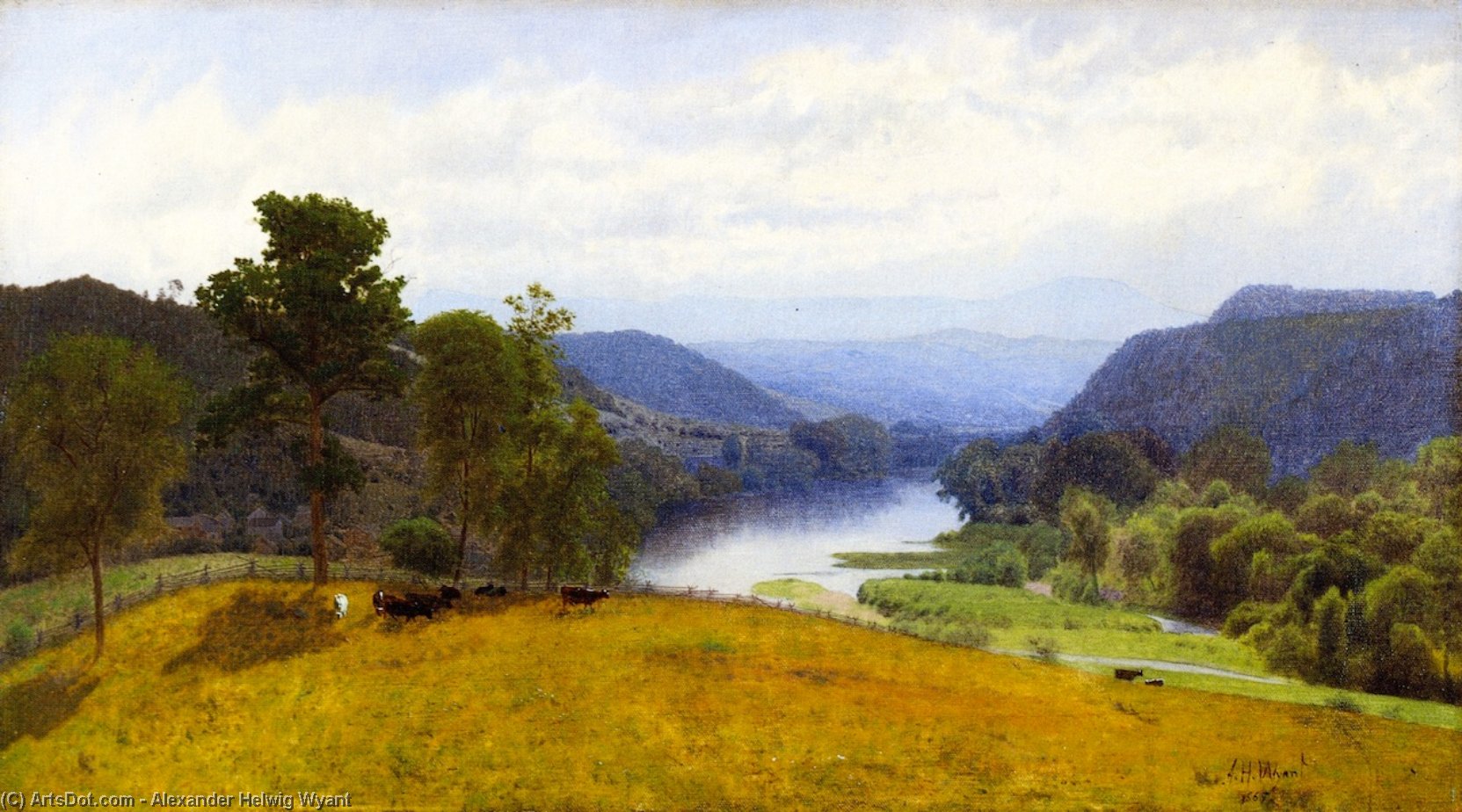
Sunset in the Hills


 Читать далее
Жикле / Арт-принт
Печать (жикле) или холст музейного качества с быстрыми сроками изготовления и широким выбором вариантов отделки. ( Купить картину ручной работы Перейти к цифровым изображениям)




P118B $10

P118H $10

P118W $10

P438Z $10

P508JH $12

P508YH $12

P805H $10

P805Z $10

P919BZ $10

P919G $10

P919XJ $10

P959ZH $10

P968JZ $12

W106C $8

W218G $10

W218JH $8

W218Y $10

W307PJ $10

W316G $10

W316PJ $8

W316Y $10

W398PJ $8

W4111J $10

W500HY $15

W500JH $15

W692G $12

W849H $8

W940BG $15

W953PJ $8




Выберите один из наших стандартных размеров, соответствующих оригинальным пропорциям произведения искусства.

Вы можете указать свои собственные размеры, чтобы репродукция идеально подошла под конкретную раму или пространство. Если выбранный вами размер не будет соответствовать пропорциям оригинала, мы либо обрежем произведение, либо дополним изображение зеркальным отражением краев или однотонной заливкой. Перед началом производства вам будет отправлен цифровой макет для утверждения.
Пожалуйста, обратите внимание, что предварительный просмотр на экране не отображает фактическую обрезку или расширение изображения. Только макет точно покажет финальную композицию.
Несмотря на возможность заказа индивидуальных размеров, мы рекомендуем выбирать размер из предопределенного списка, чтобы сохранить оригинальные пропорции.
Доставка по всему миру () за 2 недели вместо стандартных 4/5 недель. (12 Сентябрь)

Бесплатная экспресс-доставка по всему миру

Высококачественный льняной холст

Полное страхование доставки

Гарантия возмещения таможенных пошлин

Гарантия точного соответствия цветов

100-дневная политика возврата (только при обнаружении дефектов)

Гарантия возврата 100% средств

Предложение оптовых скидок
 Вариант со стеклом доступен только для размеров менее 110 см

Sunset in the Hills
Жикле / Арт-принт
Размер репродукции
-


Итоговая стоимость
$ 62
A Poet’s Landscape: Alexander Helwig Wyant's “Sunset in the Hills”
Alexander Helwig Wyant wasn’t merely a painter of landscapes; he was, as many have described him, a poet translating the subtle moods of nature onto canvas. His work, particularly pieces like "Sunset in the Hills," offers a glimpse into an era where art sought to capture not just visual representation but also the very *feeling* of a place – a sentimentality deeply rooted in observation and introspection. This particular painting, completed in 1869, is a masterclass in tonalism, a style that prioritized atmospheric effects and subdued color palettes over sharp detail, creating an immersive experience for the viewer.
The scene unfolds within a gently rolling valley, bisected by a meandering river reflecting the fiery hues of the setting sun. Mountains rise in the distance, their forms softened by a hazy atmosphere – a deliberate choice by Wyant to evoke a sense of vastness and tranquility. Scattered throughout the foreground are a few grazing cows, adding a touch of rustic charm and grounding the scene with a familiar element of rural life. Yet, it’s not simply a depiction of a pastoral landscape; there's an underlying melancholy, a quiet contemplation that permeates the entire composition.
The Tonalist Approach: Light, Shadow, and Emotion
Wyant’s technique is characterized by its deliberate restraint. He eschewed the bright, vibrant colors favored by the Hudson River School, instead employing a carefully constructed layering of muted tones – predominantly browns, grays, and ochres – to build up the image. This “tonalism,” as it became known, wasn't about photographic accuracy; rather, it was an attempt to capture the *essence* of light and shadow, conveying mood and atmosphere with remarkable subtlety. Notice how the sunlight isn’t rendered in harsh beams but diffused through a veil of mist, casting long, soft shadows across the valley floor.
The brushstrokes themselves are loose and expressive, contributing to the painting's overall sense of movement and fluidity. Wyant wasn’t interested in meticulously detailing every blade of grass or ripple on the water; instead, he used broad strokes to suggest form and texture, allowing the viewer’s eye to fill in the gaps and actively participate in constructing the image. This technique invites a meditative response from the observer, encouraging them to linger and lose themselves within the painting's serene embrace.
A Biographical Context: Wyant’s Journey
Alexander Helwig Wyant’s artistic journey is as compelling as his paintings. Born in Port Washington, Ohio, he began sketching along the banks of the Ohio River, developing a keen eye for capturing the nuances of nature. A pivotal encounter with George Inness in 1857 profoundly influenced his style, leading him to relocate to New York City and seek formal training at the National Academy of Design. Later travels through Europe – particularly his time studying Corot and Dupré in Paris and Hans Gude in Germany – further broadened his artistic horizons, shaping his distinctive tonalist approach.
A significant turning point in Wyant’s life occurred after a stroke in 1873, which left him with paralysis on his right side. Remarkably, he adapted to this challenge by learning to paint with his left hand, demonstrating an extraordinary resilience and creative spirit. This experience undoubtedly deepened his introspective nature and informed the emotional depth of his later works. His move to Arkville, New York, in 1889, where he established a thriving artist’s colony, provided him with a supportive community and further fueled his artistic explorations.
Symbolism and Emotional Resonance
"Sunset in the Hills" is more than just a pretty landscape; it's imbued with a quiet sense of melancholy and reflection. The fading light symbolizes the passage of time and the inevitability of change, while the cows represent a connection to the land and a reminder of simpler times. The vastness of the valley evokes feelings of solitude and contemplation, inviting the viewer to step outside their own concerns and connect with the natural world.
Ultimately, Wyant’s "Sunset in the Hills" is a testament to his ability to capture not just the appearance of a landscape but also its emotional essence. It's a painting that speaks to our deepest longings for peace, tranquility, and connection – a timeless masterpiece that continues to resonate with viewers today.
Похожие произведения

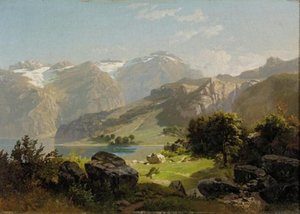
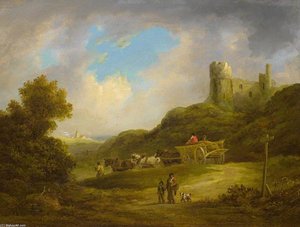
Биография художника
Alexander Helwig Wyant (1836–1892): A Poet of Atmospheric Landscapes
Alexander Helwig Wyant, born in Port Washington, Ohio, stands as a pivotal figure bridging the stylistic currents of the Hudson River School and Tonalism—a testament to American art’s capacity for innovation while retaining its connection to European traditions. He wasn't merely a painter *of* landscapes; he possessed an almost poetic sensibility, translating the subtle moods of nature onto canvas with remarkable sensitivity and nuance. His artistic journey began modestly, sketching along the banks of the Ohio River near Cincinnati, yet swiftly ascended into a vocation fueled by formative encounters and transformative experiences that would shape his oeuvre irrevocably.Early Influences and Artistic Formation
Wyant’s initial artistic endeavors bore the unmistakable imprint of the Hudson River School—a movement characterized by meticulous depictions of natural scenery and an ardent celebration of America's untamed wilderness. However, even within these early canvases, glimpses of his future trajectory emerge: a burgeoning preoccupation with atmospheric effects and a predilection for palettes imbued with subdued hues. This inclination intensified over time, propelling him away from purely representational painting toward the nascent aesthetic championed by Tonalism—a movement that prioritized mood, atmosphere, and poetic interpretation above precise detail. Crucially, Wyant’s artistic development was profoundly impacted by his acquaintance with George Inness in 1857. This encounter served as a catalyst for relocation to New York City, where he sought mentorship and formal training at the National Academy of Design—a patronage generously bestowed upon him by Nicholas Longworth of Cincinnati. The influence of Inness’s later style – particularly his masterful manipulation of tonal values – became an indelible mark on Wyant's artistic vision.European Exploration and Artistic Synthesis
A subsequent voyage to Europe in 1860 broadened Wyant’s intellectual horizons, exposing him to diverse artistic traditions flourishing in Germany and affording brief glimpses into the landscapes of England and Ireland. These formative experiences instilled within him a deep appreciation for European Impressionism and Barbizon painting—movements that championed *plein air* painting and prioritized capturing the ephemeral qualities of light and atmosphere. He studied diligently under Hans Gude in Düsseldorf and Karlsruhe, absorbing techniques honed by Norwegian masters who had pioneered similar approaches to landscape art. This synthesis of American and European influences resulted in a distinctive artistic style characterized by both meticulous observation and atmospheric resonance—a hallmark of Wyant’s oeuvre.The Shift Towards Tonalism and Artistic Maturity
Following his return from Europe, Wyant continued to refine his technique, gradually gravitating toward a more fluid handling of paint—a deliberate departure from the rigid conventions of academic painting. He embraced a palette dominated by whites, grays, and earthy tones—colors that allowed him to convey subtle emotional nuances within his landscapes. The debilitating stroke he suffered in 1873 – which paralyzed his right arm – presented an unforeseen challenge but spurred Wyant to adapt with remarkable resilience. Forced to paint exclusively with his left hand, he achieved a level of artistic mastery unparalleled by many of his contemporaries—a testament to his unwavering dedication and creative ingenuity. From 1867 onward, Wyant exhibited his watercolors annually, establishing the American Watercolor Society in 1878—a pivotal moment in furthering American watercolor painting as an art form.Legacy and Recognition
Wyant’s artistic legacy transcends mere technical proficiency; it resides in his profound understanding of the human condition reflected within his landscapes—a reflection of his belief that art should evoke emotion and inspire contemplation. His paintings, notably *Mohawk Valley* and *Arkville Autumn Landscape*, exemplify this ethos—capturing not just visual beauty but also intangible moods and sensations. Recognized primarily for his evocative depictions of woodland glades and open hillsides, Wyant’s work stands as a cornerstone of American Barbizon painting—a movement that championed *plein air* painting and prioritized capturing the fleeting effects of light and atmosphere. His enduring influence continues to inspire artists today, cementing his place as one of America's most celebrated landscape painters—a poet who transformed observation into art.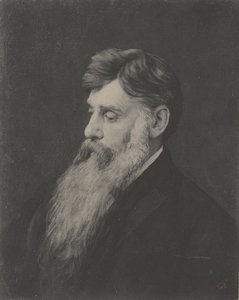
Александр Хельвиг Вайт
1836 - 1892 , Соединенные Штаты Америки
Основные сведения
- Artistic Movement Or Style: Тонализм и Художественная школа Хадсона
- Artists Or Movements Influenced By This Artist: ['Американское общество акварели']
- Artists Who Influenced This Artist:
- Джордж Иннес
- Джоан Констебл
- Джеймс Мэтью Уорстер
- Date Of Birth: Янв 11, 1836
- Date Of Death: Нояб 29, 1892
- Full Name: Alexander Helwig Wyant
- Nationality: Американский
- Notable Artworks:
- Мохокская долина
- Пейзаж Арквилл осень
- Place Of Birth: Порт Уэстпорт, США
Похожие статьи

Evocations of Place: A Historical Journey Through Landscape Art
Explore the rich history of landscape art with ArtsDot. Discover renowned artists, movements like Impressionism & Romanticism, and expert guidance for collecting timeless pieces. Find your perfect serene escape today!
George Elbert Burr: A Pioneer of American Tonalism & Evocative Landscape Painting
Explore the captivating landscapes of George Elbert Burr, a pioneer of American Tonalism. Discover his masterful etchings, drypoints & watercolors – and learn about collecting this influential artist's work.
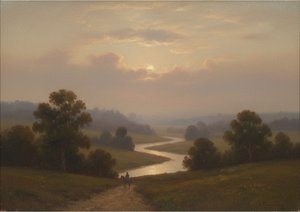
Atmospheric Visions: Exploring Tonalism in American Painting
Explore the captivating world of American Tonalism! Discover its history, key artists like Whistler & Inness, techniques, and lasting influence on art. Expert insights for collectors & enthusiasts.
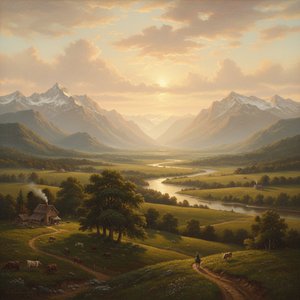
Thomas Hill: Luminosity, Landscape & the American Pastoral Ideal
Explore the luminous landscapes of Thomas Hill, a pivotal figure in the Hudson River School & Luminism movements. Discover his artistic journey, philosophical depth, and enduring legacy with ArtsDot.
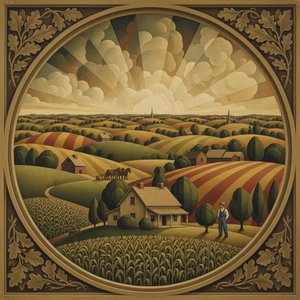
Grant Wood & American Regionalism: Identity, Myth & the Rural Landscape
Explore the world of Grant Wood & American Regionalism with ArtsDot. Discover the symbolism behind 'American Gothic', recurring themes, and the movement's lasting impact on art history. High-quality reproductions available.