

 Предпросмотр
 Поделиться
 Поделиться
 Детали произведения

 Скачать
 Похожие работы
 Рентгенография
 Слайд-шоу
 Статистика
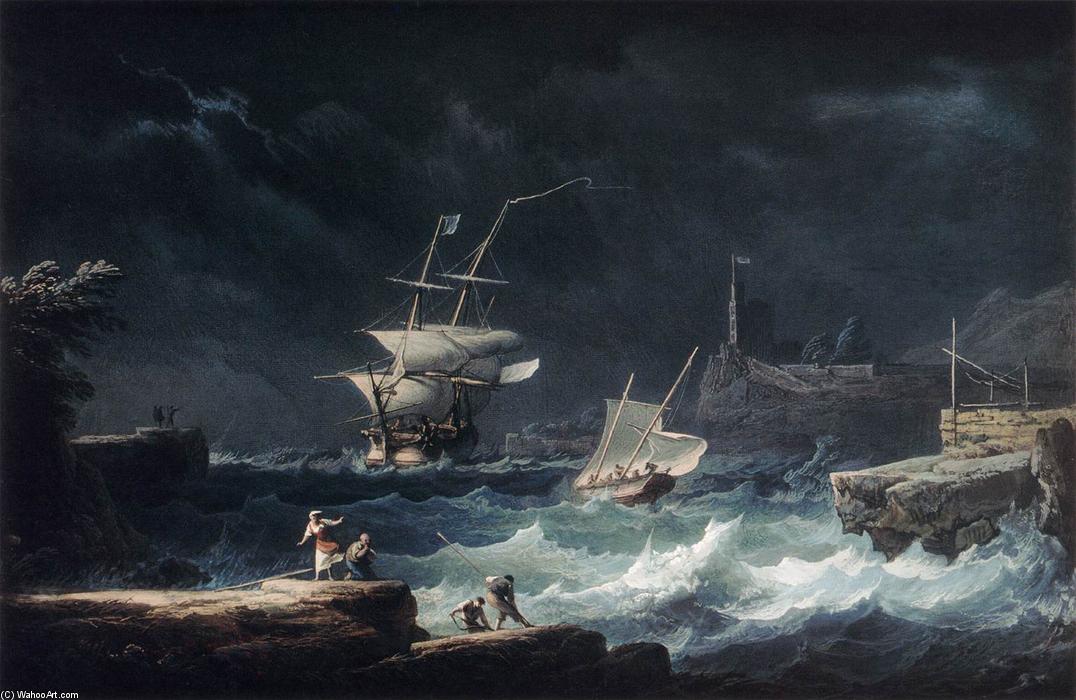
Gale at Sea
 64.0 x 96.0 cm
 Лувр
Лувр
 Читать далее
Приобретите цифровое изображение высокого разрешения в улучшенном качестве, которое значительно превосходит онлайн-превью.
Каждый файл тщательно подготавливается нашими специалистами с использованием передовых инструментов и экспертной ручной ретуши. Мы гарантируем исключительную четкость, точную цветопередачу и детальную проработку каждого изображения.
Финальный файл доставляется по электронной почте в течение 72 часов и оптимизирован для немедленного использования в профессиональной среде, при верстке и печати. Это тот же уровень качества, которому доверяют ведущие дизайнерские студии, издательства и галереи.
Цифровое изображение
Скачайте файл высокого разрешения для личного использования, печати и творческих проектов. ( Перейти к печати Купить картину ручной работы)
Включено в каждый заказ цифровых изображений
Гарантия экспертной цифровой доставки
Выбирая ArtsDot.com, вы получаете не просто изображение — вы приобретаете профессионально обработанное цифровое произведение искусства, созданное с безупречной точностью и под защитой гарантии качества. Вот всё, что автоматически входит в ваш заказ:

Мгновенная доставка по e-mail
Ваш цифровой файл в высоком разрешении будет отправлен вам по электронной почте в течение 72 часов после оформления заказа — и сразу станет доступен для использования.

Цифровой файл с ИИ-улучшением
Ваше произведение искусства проходит профессиональную оптимизацию с использованием передовых инструментов ИИ и ручной обработки, что гарантирует максимальную детализацию, четкость и точность цветопередачи.

Бессрочная бесплатная повторная доставка
Случайно удалили или потеряли файл? Не беспокойтесь — мы отправим его вам повторно в любое время и совершенно бесплатно.

Без импортных пошлин — навсегда
Наслаждайтесь вашим произведением искусства мгновенно без таможенных пошлин, сборов или затрат на доставку — цифровые загрузки всегда не облагаются налогом.

Гарантия точности цветопередачи
Мы гарантируем, что ваше цифровое изображение максимально точно передает оригинальные цвета благодаря использованию профессиональных инструментов и систем управления цветом.

Гарантия удовлетворенности 100 дней
Если вы не будете удовлетворены своим цифровым изображением, мы внесем правки или вернем 100% стоимости в течение 100 дней — без лишних вопросов.

100% Гарантия возврата средств
Не удовлетворены покупкой? Получите полный возврат средств в течение 100 дней после получения цифрового файла — без лишних вопросов.

Скидки на оптовые заказы
Купите 3 изображения, сэкономьте 10% — Купите 5, сэкономьте 15% — Купите 10+, сэкономьте 20%. Отличное решение для творческих проектов, галерей и агентств.
Похожие произведения








Биография художника
Antonio Corradini: The Enigmatic Veil of Venice
Antonio Corradini, a sculptor born in the heart of Venice in 1688 and passing away in 1752, remains one of the most intriguing figures of the Rococo era. His legacy isn’t defined by grand monuments or widely celebrated portraits, but rather by an extraordinary technique – the creation of illusionistic sculptures concealed beneath delicate veils. These weren't mere decorative pieces; they were profound explorations of the human form, revealing glimpses of beauty and sensuality while maintaining a captivating mystery. Corradini’s work speaks to a fascination with perception, the interplay between surface and substance, and the power of suggestion. He spent his early career in Venice, honing his skills under the tutelage of Antonio Tarsia, a master known for his intricate inlaid wood panels, before venturing into Dresden and Saint Petersburg, ultimately finding his final home in Vienna where he served as court sculptor to Charles VI, Holy Roman Emperor.Early Life and Artistic Training
Corradini’s life began modestly within the bustling artistic environment of Venice. Born to Gerolamo Corradini, a sailmaker, and Barbara, his upbringing provided him with exposure to the city's vibrant art scene from an early age. He received formal training as a sculptor under Antonio Tarsia, a renowned figure in Venetian sculpture, likely beginning around the age of fourteen. This apprenticeship instilled within him a deep understanding of classical forms and techniques, but it was Tarsia’s innovative approach to illusion – particularly his use of inlaid wood to create the impression of three-dimensionality – that profoundly influenced Corradini's own artistic vision. The tradition of Venetian sculpture, known for its realism and attention to detail, combined with Tarsia’s pioneering spirit, laid the foundation for Corradini’s unique style. His early commissions included work on the façade of San Stae church in Venice and a monument to Johann Matthias von der Schulenburg, Marshal of the Venetian forces, demonstrating his growing reputation as a skilled sculptor.The Veil Technique: A Revolutionary Approach
Corradini’s most distinctive contribution to sculpture lies in his masterful manipulation of the veil technique. Rather than depicting figures fully exposed, he created sculptures concealed beneath layers of fabric – typically silk or gauze – that were meticulously draped and arranged. The skill lay not just in the technical execution of the drapery but in the subtle modeling beneath it, creating the illusion of a human form emerging from the folds. This technique demanded an extraordinary level of artistry and control; each curve, contour, and gesture had to be carefully rendered through the fabric, relying on light and shadow to reveal its presence. The effect was both captivating and profoundly intimate, inviting viewers to contemplate the beauty hidden beneath the surface. His work in St. Petersburg, where he created veiled depictions of women for the Russian Emperor Peter the Great, cemented his reputation as a master of this innovative style.Vienna and Imperial Patronage
In the 1730s, Corradini relocated to Vienna, accepting a position as court sculptor to Charles VI, Holy Roman Emperor. This move marked a significant shift in his career, providing him with access to imperial patronage and allowing him to further develop his artistic skills. During his decade in Vienna, he produced numerous works for the Habsburg court, including portraits of horses and elaborate decorative panels. His time at the Viennese court showcased his versatility as an artist, demonstrating his ability to adapt his style to suit different patrons and contexts. The Emperor’s appreciation for Corradini's work is evidenced by the commissions he received, highlighting the sculptor’s growing influence within the artistic circles of Europe.Legacy and Historical Significance
Antonio Corradini’s impact on sculpture extends far beyond his technical innovations. He challenged conventional notions of representation, prioritizing suggestion and illusion over literal depiction. His veiled figures evoke a sense of mystery and sensuality, inviting viewers to engage with the artwork on a deeper emotional level. While he may not have achieved widespread fame during his lifetime, Corradini’s work has been increasingly recognized for its artistic merit and historical significance in the 20th and 21st centuries. His influence can be seen in later sculptors who explored themes of concealment and revelation, demonstrating the enduring power of his groundbreaking technique. Today, Corradini's sculptures are treasured examples of Rococo artistry, offering a unique window into the aesthetics and sensibilities of 18th-century Europe.
alexandre jean noël
1752 - 1834 , France
Основные сведения
- Artistic Movement Or Style: Rococo
- Artists Who Influenced This Artist: ['Antonio Tarsia],\n "Artists or movements influenced by this artist": ["Rococo"]\n}']
- Date Of Birth: 1688-10-19
- Date Of Death: 1752-08-12
- Full Name: Antonio Corradini
- Nationality: Italian
- Notable Artworks:
- Niobe and her Children
- Veiled depictions
- Place Of Birth: Venice, Italy