

 Предпросмотр
 Поделиться
 Поделиться
 Детали произведения

 Скачать
 Похожие работы
 Рентгенография
 Слайд-шоу
 Статистика
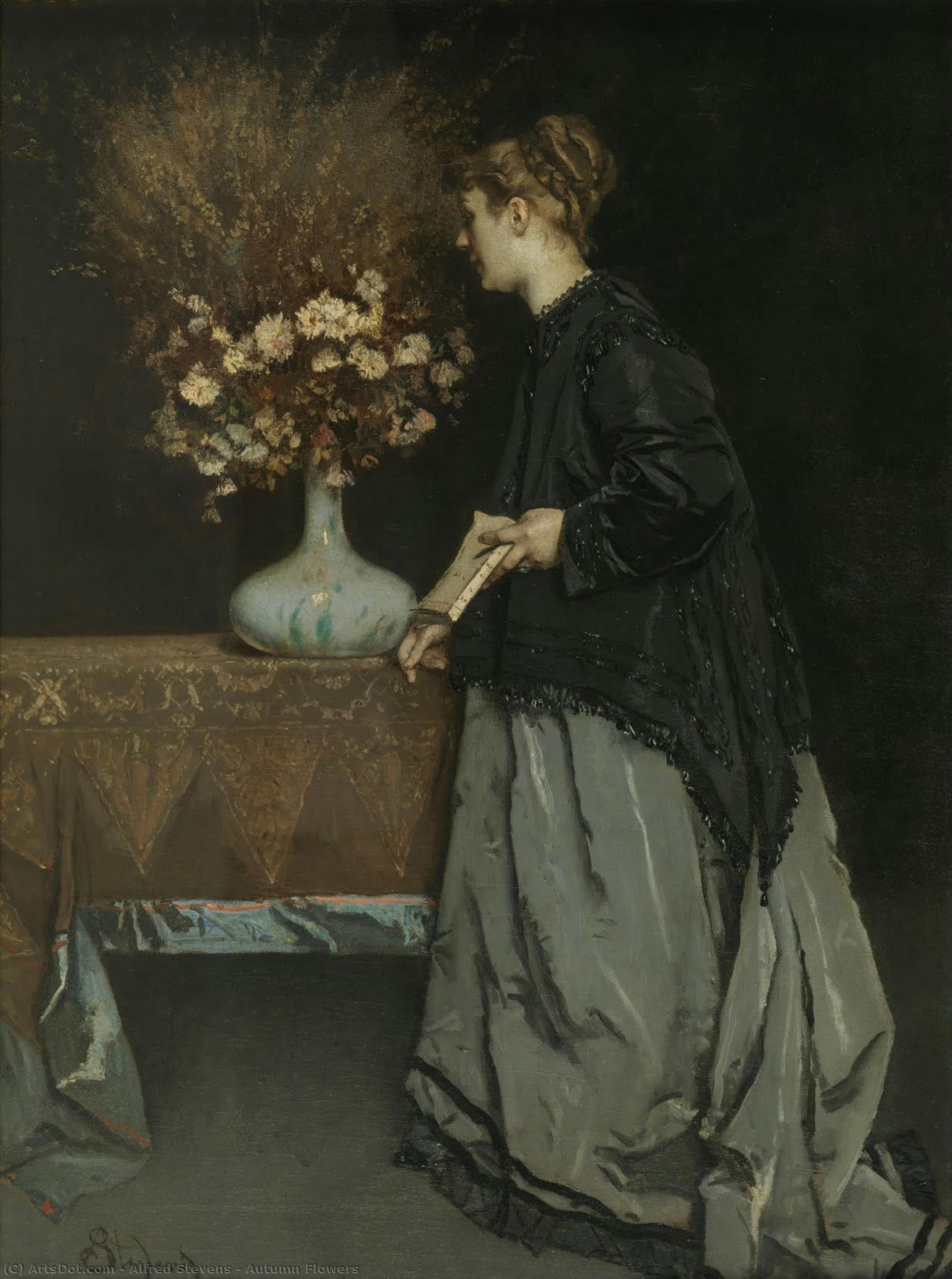
Autumn Flowers


 Читать далее
Масляная репродукция ручной работы
Картина маслом на холсте в выбранном вами размере и раме, написанная на заказ нашими художниками. ( Перейти к печати Перейти к цифровым изображениям)




P118B $10

P118H $10

P118W $10

P438Z $10

P508JH $12

P508YH $12

P805H $10

P805Z $10

P919BZ $10

P919G $10

P919XJ $10

P959ZH $10

P968JZ $12

W106C $8

W218G $10

W218JH $8

W218Y $10

W307PJ $10

W316G $10

W316PJ $8

W316Y $10

W398PJ $8

W4111J $10

W500HY $15

W500JH $15

W692G $12

W849H $8

W940BG $15

W953PJ $8




Выберите один из наших стандартных размеров, соответствующих оригинальным пропорциям произведения искусства.

Вы можете указать собственные размеры, чтобы картина идеально вписалась в выбранную раму или пространство. Если выбранный вами размер не соответствует пропорциям оригинала, мы либо обрежем полотно, либо расширим его за счет дополнительных элементов, написанных вручную. Цифровой макет будет отправлен вам на утверждение перед началом производства.
Обратите внимание, что предварительный просмотр на экране не отражает фактическую обрезку или расширение. Только макет точно покажет окончательную композицию.
Хотя доступны индивидуальные размеры, мы рекомендуем выбирать вариант из предопределенного списка, чтобы сохранить исходные пропорции.
После оформления заказа команда ArtsDot.com свяжется с клиентом по электронной почте для уточнения деталей и предоставит предварительный макет
Доставка по всему миру () за 3–4 недели вместо стандартных 5 недель. (11 Сентябрь). Без компромиссов в качестве.

Бесплатная экспресс-доставка по всему миру

Высококачественный льняной холст

Полное страхование доставки

Гарантия возмещения таможенных пошлин

Гарантия точного соответствия цветов

100-дневная политика возврата (только при обнаружении дефектов)

Гарантия возврата 100% средств

Предложение оптовых скидок
 Вариант со стеклом доступен только для размеров менее 110 см

Autumn Flowers
Техника репродукции
Размер репродукции
-


Итоговая стоимость
$ 263
A Portrait of a Moment: The Enigmatic Beauty of *Autumn Flowers*
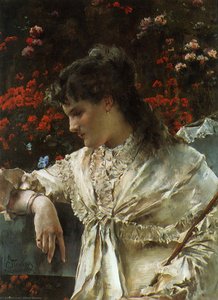
Alfred Stevens’s *Autumn Flowers*, painted in 1867, isn't merely a depiction of a woman amidst flowers; it’s an exquisitely crafted meditation on stillness, light, and the subtle poetry of everyday life. At first glance, the painting presents a seemingly simple arrangement: a seated lady, her posture suggesting quiet contemplation, surrounded by a still-life tableau of fabrics, blossoms, and a delicately rendered table. Yet, beneath this surface lies a profound exploration of form, color, and the very essence of observation – a hallmark of Stevens’s unique artistic vision.
Stevens, a pivotal figure in 19th-century Belgian art, deliberately eschewed the prevailing trends of his time. Rejecting the fleeting effects of Impressionism's vibrant light and atmosphere, he instead focused on capturing an immutable quality – the frozen gesture, the fixed expression, the enduring presence of the subject. This deliberate choice is powerfully evident in *Autumn Flowers*. The woman’s hand, poised as if about to touch a flower, isn’t caught in motion; it's suspended, imbued with a sense of timelessness. Her gaze, directed slightly off-canvas, invites us into her private world, suggesting an inner life beyond the immediate scene.
The Language of Color and Texture: Stevens’s Masterful Technique
What immediately draws the eye is Stevens's extraordinary command of color and texture. He employs a remarkably restrained palette – primarily shades of grey, black, and muted browns – punctuated by flashes of pastel pink, chestnut brown, and the glossy sheen of the table cover. This deliberate limitation isn’t a sign of restraint but rather a strategic choice to emphasize form and light. The artist masterfully utilizes chiaroscuro, creating dramatic contrasts between light and shadow that sculpt the figures and objects with remarkable precision. Notice how the highlights on the woman's chignon and the delicate folds of her dress draw our attention while simultaneously deepening the shadows around her face, lending a sense of mystery and depth.
Stevens’s technique is equally noteworthy for its meticulous detail. He employs a smooth, almost polished surface – reminiscent of 17th-century Dutch masters like Rembrandt and Vermeer – achieved through careful layering of paint and the use of a knife to blend colors seamlessly. This creates an illusion of tactile reality, inviting us to reach out and touch the fabrics, feel the texture of the flowers, and appreciate the subtle variations in color and tone. The artist’s attention to detail extends beyond mere representation; it's a deliberate attempt to capture the *essence* of each element within the composition.
Symbolism and the Portrait of Modernity
Beyond its technical brilliance, *Autumn Flowers* is rich in symbolic meaning. The woman herself represents a type of modern femininity – poised, elegant, and seemingly detached from the bustle of Parisian life. Her attire, with its jet frills and flounces, speaks to the fashionable trends of the era while simultaneously conveying a sense of quiet dignity. The surrounding still-life elements—the fabrics, flowers, and table—are not merely decorative; they function as a carefully constructed visual language, hinting at themes of luxury, domesticity, and the fleeting beauty of life.
Stevens’s comparison to Gustave Vanzype – that the painting is a still life composed of the fabrics in which she is dressed and the things around her – reveals a deeper intention. He wasn't simply depicting a woman; he was creating a miniature world, a carefully orchestrated tableau that captures a specific moment in time and reflects the values and aesthetics of his era. The reference to Whistler’s ambition to “use colours to compete with the musician who uses sounds” underscores Stevens’s own desire to elevate color from mere decoration to an expressive element within the painting.
A Legacy of Stillness: Stevens's Enduring Appeal
*Autumn Flowers* stands as a testament to Alfred Stevens’s singular artistic vision. It is a painting that rewards careful observation, inviting us to linger and contemplate its subtle nuances. Its enduring appeal lies not in dramatic gestures or fleeting effects but in its quiet beauty, its masterful technique, and its profound exploration of the human condition. Reproductions of this captivating work offer a window into a bygone era, capturing the elegance and sophistication of 19th-century Parisian life while simultaneously reminding us of the timeless power of stillness and observation.
Похожие произведения

Биография художника
Ранние годы и обучение
Альфред Эмиль Леопольд Стивенс, выдающийся бельгийский живописец, родился 11 мая 1823 года в Брюсселе. Его семья была неразрывно связана с миром визуального искусства: его старший брат Жозеф (1816–1892) и сын Леопольд (1866–1935) были художниками, в то время как другой брат, Артур (1825–99), посвятил себя роли арт-дилера и критика.Творческий путь
Свой художественный путь Стивенс начал в Королевской академии изящных искусств в Брюсселе, где обучался под руководством Франсуа Навеза, мастера неоклассической школы. В 1843 году он переехал в Париж к своему брату Жозефу и был принят в Эколь де Боз-Ар (École des Beaux-Arts). Хотя вопрос о том, был ли он учеником Жана Огюста Доминика Энгра, остается предметом дискуссий, ранние работы Стивенса, такие как «Прощение или отпущение грехов» (Эрмитаж, Санкт-Петербург), датированные 1849 годом, демонстрируют его виртуозное владение традиционным натуралистическим стилем, вдохновленным голландской жанровой живописью XVII века.Восхождение к славе
Первое публичное признание пришло к Стивенсу в 1851 году на Брюссельском салоне, а затем последовала награда в виде медали третьего класса на Парижском салоне в 1853 году и медали второго класса на Всемирной выставке в Париже в 1855 году. Его полотно «То, что называют бродяжничеством» (Музей д'Орсе, Париж) привлекло внимание самого Наполеона III, что в конечном итоге способствовало значительным социальным изменениям в отношении бедных слоев населения.Значимые работы и наследие
- «Дама в розовом» (Королевские изящные искусства Бельгии, Брюссель), написанная в 1866 году, является квинтэссенцией творчества Стивенса того периода, мастерски сочетая образ элегантно одетой женщины с детальным изучением японских предметов декора.
- В 1863 году французское правительство удостоило Стивенса ордена Почетного легиона (рыцарь), а в 1867 году он был повышен до звания офицера ордена.
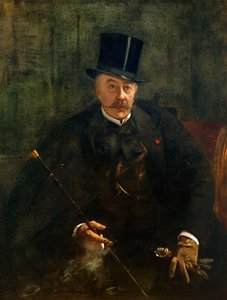
Альфред Стивенс
1823 - 1906
Основные сведения
- Artistic Movement Or Style: Академический реализм
- Artists Who Influenced This Artist:
- Жан Огюст Доминик Энгр
- Голландские мастера
- Date Of Birth: 11 мая 1823 г.
- Date Of Death: 1906
- Full Name: Альфред Эмиль Леопольд Стивенс
- Nationality: Бельгиец
- Notable Artworks:
- Дама в розовом
- Визит в мастерскую
- Подготовительный рисунок к 'Панораме века', 'Императрица Жозефина и её двор'
- Place Of Birth: Брюссель, Бельгия
Похожие статьи
Alfred Stevens: Capturing Parisian Life with Intimate Realism & Symbolist Flair
Explore the captivating world of Alfred Stevens, a pioneer of intimate realism & Symbolist painting. Discover his elegant portraits of Parisian women and learn about his Dutch influences & lasting legacy. Art history insights at ArtsDot.
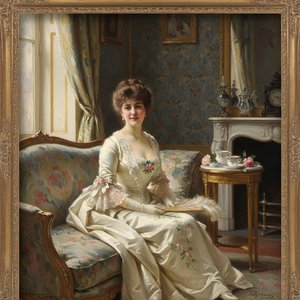
Alfred Stevens: Capturing Parisian Elegance & Fin-de-Siècle Intimacy
Discover the captivating world of Alfred Stevens, master of Parisian elegance & intimate portraiture. Explore his techniques, influences, and legacy – a prized collection for discerning art enthusiasts.
Реализм в живописи: 10 шедевров, вдохновляющих на декор интерьера
Погрузитесь в мир реализма! От Courbet до Manet – 10 величайших картин, отражающих жизнь и эмоции. Узнайте историю шедевров и вдохновитесь для создания уникального интерьера с ArtsDot.com. Explore the full collection online!

Альфред Муннингс: 25 шедевров британского импрессионизма для вашего интерьера | ArtsDot
Погрузитесь в мир Альфреда Муннингса! 25 шедевров британского импрессионизма, запечатлевших красоту лошадей и сельской Англии. Репродукции картин высокого качества для вашего интерьера на ArtsDot.com.

Romantic Realism's Finest: 10 Masterpieces for Your Home | ArtsDot
Explore 10 defining masterpieces of Romantic Realism! Discover Courbet, Millet & Daumier's powerful paintings—capturing emotion and social realities. Find museum-quality reproductions for your home at ArtsDot.com.