

 Предпросмотр
 Поделиться
 Поделиться
 Детали произведения

 Скачать
 Похожие работы
 Рентгенография
 Слайд-шоу
 Статистика
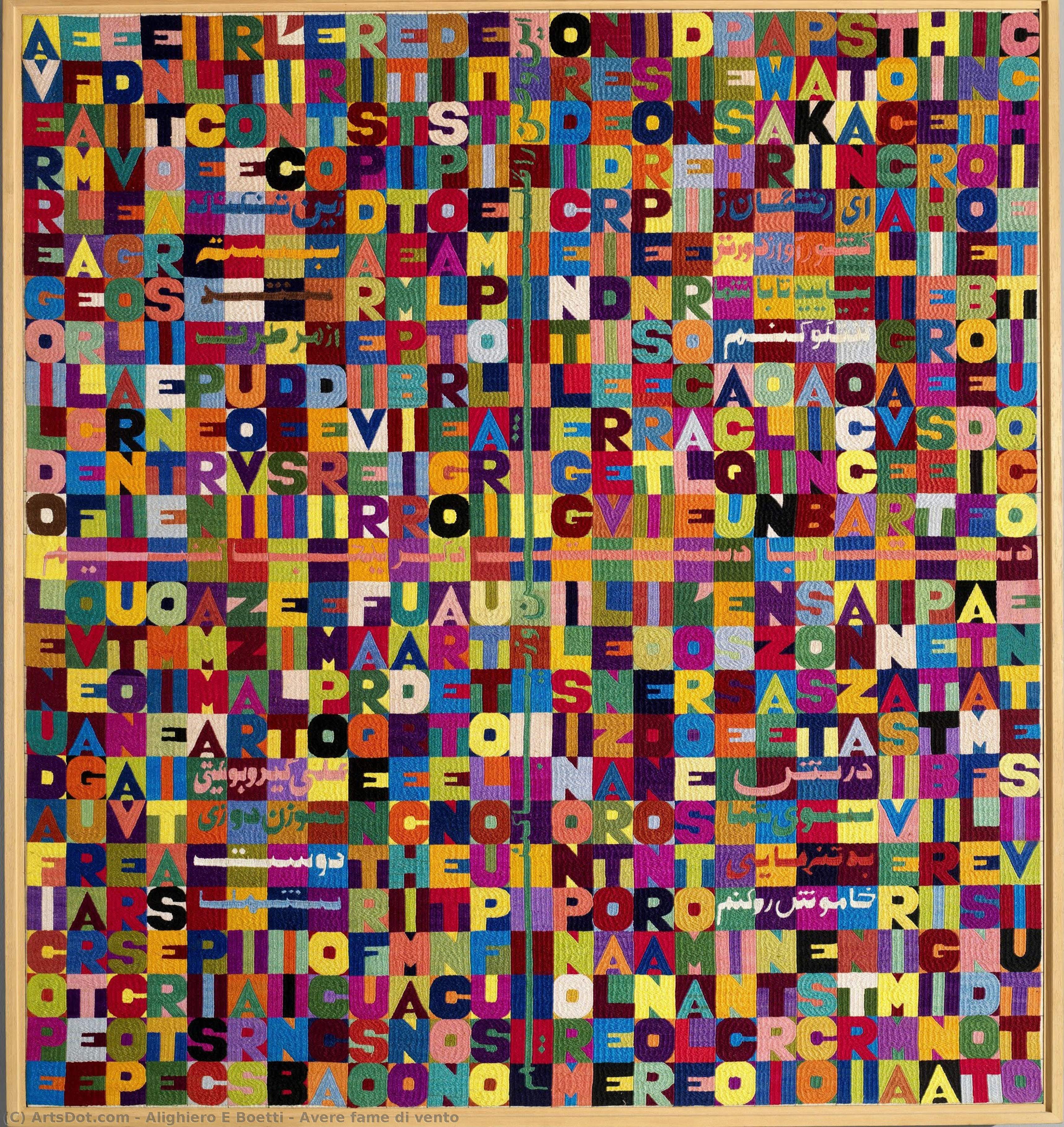
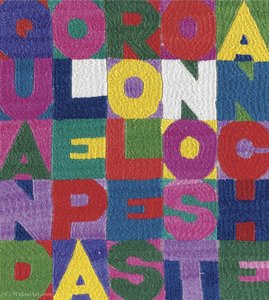
Avere fame di vento
 Painting
- Arte Povera
 Contemporary
 106.0 x 114.0 cm
 Читать далее
Жикле / Арт-принт
Печать (жикле) или холст музейного качества с быстрыми сроками изготовления и широким выбором вариантов отделки. ( Купить картину ручной работы Перейти к цифровым изображениям)




































Выберите один из наших стандартных размеров, соответствующих оригинальным пропорциям произведения искусства.

Вы можете указать свои собственные размеры, чтобы репродукция идеально подошла под конкретную раму или пространство. Если выбранный вами размер не будет соответствовать пропорциям оригинала, мы либо обрежем произведение, либо дополним изображение зеркальным отражением краев или однотонной заливкой. Перед началом производства вам будет отправлен цифровой макет для утверждения.
Пожалуйста, обратите внимание, что предварительный просмотр на экране не отображает фактическую обрезку или расширение изображения. Только макет точно покажет финальную композицию.
Несмотря на возможность заказа индивидуальных размеров, мы рекомендуем выбирать размер из предопределенного списка, чтобы сохранить оригинальные пропорции.
Доставка по всему миру () за 2 недели вместо стандартных 4/5 недель. (11 Сентябрь)

Бесплатная экспресс-доставка по всему миру

Высококачественный льняной холст

Полное страхование доставки

Гарантия возмещения таможенных пошлин

Гарантия точного соответствия цветов

100-дневная политика возврата (только при обнаружении дефектов)

Гарантия возврата 100% средств

Предложение оптовых скидок
 Вариант со стеклом доступен только для размеров менее 110 см

Avere fame di vento
Жикле / Арт-принт
Размер репродукции
-


Итоговая стоимость
$ 62
A Symphony of Letters: The Lyrical Chaos of Alighiero e Boetti
In the vibrant tapestry of twentieth-century contemporary art, few names resonate with as much intellectual depth and playful spontaneity as Alighiero e Boetti. His work, Avere fame di vento, serves as a breathtaking testament to his unique ability to weave together the complexities of language, order, and chance. At first glance, the viewer is met with an explosion of color—a kaleidoscopic arrangement of letters that seem to dance across the canvas in a rhythmic, almost musical, procession. This piece is not merely a collection of characters; it is a visual poem where typography transcends its functional role to become pure, expressive form. The way the letters vary in scale and orientation creates a sense of kinetic energy, as if a sudden gust of wind—true to the title's meaning, "To be hungry for wind"—has scattered a handful of alphabet seeds across a colorful field.
The technique employed in this work reflects Boetti’s profound fascination with the concept of order and disorder. While the arrangement may appear chaotic at first, a closer inspection reveals a meticulous, intentional layering of shapes and hues. The artist utilizes a vibrant palette that stimulates the senses, using contrasting tones to pull the eye through the composition. This interplay between the structured nature of letters and the unstructured, scattered placement creates a tension that is both intellectually stimulating and visually captivating. For the collector or interior designer, this piece offers a rare balance: it possesses the bold, graphic impact required for a focal point in modern decor, yet retains a subtle, contemplative complexity that rewards long-term observation.
Historically rooted in the Arte Povera movement, Boetti’s practice often sought to bridge the gap between high art and everyday reality. In Avere fame di vento, he strips language of its literal meaning, inviting the viewer to experience it as an aesthetic element rather than a linguistic one. This abstraction allows for a universal emotional impact; the painting evokes feelings of whimsy, curiosity, and even a sense of nostalgic wonder. It is a work that celebrates the beauty of the accidental and the joy of discovery.
Integrating such a masterpiece into a curated space provides an instant infusion of character and intellectual prestige. Whether placed in a minimalist gallery setting or a richly textured living room, the painting acts as a window into a world where creativity knows no bounds. For those seeking to acquire a high-quality reproduction, this piece represents more than just decoration; it is an invitation to inhabit a space defined by movement, color, and the eternal, restless hunger for new perspectives.
Похожие произведения

Биография художника
Alighiero e Boetti: Life and Art
Early Life and Influences
Alighiero Fabrizio Boetti, known as Alighiero e Boetti, was born in Turin, Italy, in 1940. His parents were Corrado Boetti, a lawyer, and Adelina Marchisio, a violinist. He initially pursued studies at the business school of the University of Turin but soon abandoned them to dedicate himself to art.- Early theoretical interests included philosophy, alchemy, and esoterics.
- He admired authors like Hermann Hesse and painter Paul Klee.
- Boetti also showed a continuing interest in mathematics and music throughout his life.
Artistic Development & Arte Povera
In 1962, Boetti moved to Paris where he met art critic Annemarie Sauzeau, whom he married in 1964 and with whom he had two children. Working in Turin during the early 1960s alongside artists like Luciano Fabro, Mario Merz, Giulio Paolini, and Michelangelo Pistoletto, Boetti became a key figure in the Arte Povera movement.- Arte Povera emphasized using humble materials and techniques to challenge traditional art values.
- Boetti experimented with unconventional materials like plaster, masonite, plexiglass, and light fixtures.
- His first solo show was in 1967 at the Turin gallery of Christian Stein.
Key Themes & Artistic Strategies
Boetti’s work is characterized by several recurring themes:- Twinning: This concept led him to add ‘e’ (and) between his names, exploring duality and self-identity.
- Chance & Order: He often incorporated elements of chance into his work alongside structured systems like grids and maps.
- Non-Western Cultures: Extensive travels to Guatemala, Ethiopia, Sudan, Afghanistan, and Pakistan deeply influenced his art.
Major Works & Achievements
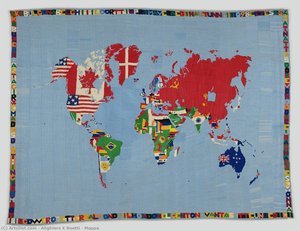
- Mappa (1971-1994): A series of embroidered maps of the world, created with the help of Afghan artisans.
- Lampada annuale (Yearly Lamp) (1966): A light bulb in a mirrored box that randomly illuminates for eleven seconds each year.
- Tavola pitagorica (Pythagorean Table): Explores mathematical permutations and visual patterns.
- Lavori postali (Postal Works) (1969-70): Series of letters sent to prominent figures in the art world, often returned undelivered due to imaginary addresses.
Historical Significance & Legacy
Alighiero e Boetti’s work challenged conventional notions of authorship and artistic control. His exploration of chance, order, and cultural exchange continues to resonate with contemporary artists. He died in Rome in 1994 at the age of 53 from a brain tumor. Boetti's legacy lies in his innovative approach to conceptual art and his ability to blend intellectual rigor with aesthetic beauty. His work remains highly influential, exhibited globally, and continues to inspire new generations of artists and thinkers.
alighiero e boetti
1940 - 1994
Основные сведения
- Birth_Date: 1940
- Birth_Place: Turin, Italy
- Death_Date: 1994
- Influenced_By:
- Wols
- Lucio Fontana
- Hermann Hesse
- Paul Klee
- Movement: Arte Povera, Conceptual Art
- Name: Alighiero e Boetti
- Nationality: Italian
- Notable_Works: Mappa, Tavola pitagorica, Lampada annuale
Похожие статьи
Ukiyo-e: Exploring Japan's Floating World & Enduring Artistic Legacy
Explore the captivating world of Ukiyo-e – Japan's iconic woodblock prints! Discover masters like Hokusai & Hiroshige, learn about Edo period culture, and find expert art collecting guidance at ArtsDot.
Suzuki Harunobu: Pioneering Ukiyo-e & the Refinement of Edo Period Printmaking
Discover the revolutionary world of Suzuki Harunobu, a pioneer of ukiyo-e printmaking. Explore his exquisite nishiki-e techniques, diverse subjects & lasting impact on Japanese art history. Learn more at ArtsDot.

Floating World: The Captivating Art and Legacy of Japanese Ukiyo-e
Explore the profound beauty of Japanese Ukiyo-e. Discover the history, masters like Hokusai, and the enduring legacy of the 'Floating World' through an expert art-historical lens.

Топ-25 шедевров Кацусики Хокусая: Искусство Японии для вашего интерьера
Погрузитесь в мир гения Кацусики Хокусая! 25 легендарных гравюр укиё-э, включая "Великую волну". История искусства Японии и вдохновение для вашего интерьера. Репродукции высокого качества на ArtsDot.com.

Serenity on Canvas: A Guide to the Timeless Beauty of Japanese Landscape Painting
Discover the serene beauty of Japanese landscape painting. From Hokusai's iconic woodblock prints to meditative sumi-e ink washes, explore a visual journey through the 'floating world' and learn how to bring this timeless Zen aesthetic into your modern home decor.