

 Поделиться
 Поделиться
 Детали произведения

 Скачать
 Похожие работы
 Слайд-шоу
 Статистика
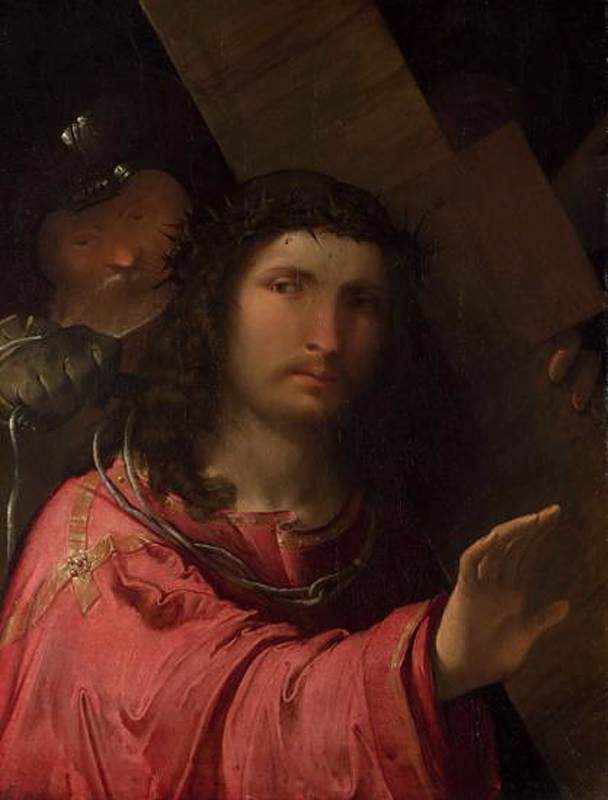
Christ Carrying the Cross
 Fresco
- Renaissance Mannerism
 1515
1515- Renaissance
 61.0 x 47.0 cm
 Национальная галерея
 Читать далее
Масляная репродукция ручной работы
Картина маслом на холсте в выбранном вами размере и раме, написанная на заказ нашими художниками. ( Перейти к печати Перейти к цифровым изображениям)




































Выберите один из наших стандартных размеров, соответствующих оригинальным пропорциям произведения искусства.

Вы можете указать собственные размеры, чтобы картина идеально вписалась в выбранную раму или пространство. Если выбранный вами размер не соответствует пропорциям оригинала, мы либо обрежем полотно, либо расширим его за счет дополнительных элементов, написанных вручную. Цифровой макет будет отправлен вам на утверждение перед началом производства.
Обратите внимание, что предварительный просмотр на экране не отражает фактическую обрезку или расширение. Только макет точно покажет окончательную композицию.
Хотя доступны индивидуальные размеры, мы рекомендуем выбирать вариант из предопределенного списка, чтобы сохранить исходные пропорции.
После оформления заказа команда ArtsDot.com свяжется с клиентом по электронной почте для уточнения деталей и предоставит предварительный макет
Доставка по всему миру () за 3–4 недели вместо стандартных 5 недель. (12 Сентябрь). Без компромиссов в качестве.

Бесплатная экспресс-доставка по всему миру

Высококачественный льняной холст

Полное страхование доставки

Гарантия возмещения таможенных пошлин

Гарантия точного соответствия цветов

100-дневная политика возврата (только при обнаружении дефектов)

Гарантия возврата 100% средств

Предложение оптовых скидок
 Вариант со стеклом доступен только для размеров менее 110 см

Christ Carrying the Cross
Техника репродукции
Размер репродукции
-


Итоговая стоимость
$ 263
Altobello Melone’s Dramatic Vision of Christ Carrying the Cross
Altobello Melone’s “Christ Carrying the Cross,” painted around 1515, stands as a testament to the burgeoning Mannerist style that flourished in Cremona during the High Renaissance. This monumental fresco, housed at The National Gallery in London, transcends mere depiction; it embodies an emotional intensity and masterful execution characteristic of its era.
Subject Matter & Composition: The painting portrays Jesus Christ bearing the cross upon his shoulders, a motif deeply rooted in Christian iconography. Melone skillfully arranges figures within a tightly cropped composition—a technique favored by Venetian artists—creating a dynamic interplay between light and dark that draws the viewer’s eye directly to the central figure. Two additional figures flank Christ: a woman believed to be Mary Magdalene and another soldier, adding layers of narrative complexity.
Style & Technique: Melone's approach aligns seamlessly with Lombard artistic traditions while embracing Mannerist innovations. He employs meticulous detail—a hallmark of Lombard art—to render textures and drapery with remarkable realism. However, unlike the idealized forms prevalent in earlier Renaissance paintings, Melone’s figures exhibit exaggerated gestures and expressions, conveying profound sorrow and spiritual contemplation. The dramatic chiaroscuro – intense contrasts between light and shadow – amplifies this emotional impact, creating a palpable sense of drama.
Historical Context & Influence: Cremona during Melone's lifetime was experiencing considerable artistic dynamism thanks to the patronage of influential families like Palazzo Borghese. Girolamo Romanino’s frescoes had established a precedent for expressive grandeur and influenced Melone profoundly, shaping his stylistic vision. The painting reflects broader humanist ideals prevalent at the time—a renewed interest in classical art and philosophy—albeit filtered through the lens of Christian faith.
Symbolism & Emotional Resonance: Beyond its visual splendor, “Christ Carrying the Cross” communicates a powerful message about sacrifice and redemption. Christ’s upward gaze symbolizes hope and spiritual aspiration, while the soldier’s grasp on the cross represents earthly constraints confronting divine grace. Melone's masterful manipulation of light and shadow underscores the painting’s emotional core—a poignant portrayal of suffering endured for salvation.
Further Exploration: For a deeper understanding of this masterpiece, we encourage you to visit Art UK (https://artuk.org/discover/artworks/christ-carrying-the-cross-114444) and Google Arts & Culture (https://artsandculture.google.com/asset/christ-carrying-the-cross-altobello-melone/ewGxZ7GtcyhxdA). You can also find detailed information on The National Gallery’s website (https://www.nationalgallery.org.uk/paintings/altobello-melone-christ-carrying-the-cross).
Похожие произведения
Биография художника
The Renaissance Visionary of Cremona
In the heart of the Italian Renaissance, amidst the vibrant cultural resurgence of Cremona, the name Altobello Melone emerges as a profound bridge between the harmonious traditions of Lombardy and the burgeoning complexity of Mannerism. Born around 1491, Melone’s early life was shaped by the intellectual currents of his era, particularly the humanist ideals flowing from Ferrara under the influence of Cesare Borgia. This exposure to classical aesthetics provided the foundational bedrock upon which he would build a career defined by both meticulous detail and an expressive, almost restless, grandeur. His artistic journey was not merely a solitary pursuit but a deep immersion into the stylistic evolution of Northern Italy, where the grace of the High Renaissance began to yield to the more dramatic and elongated forms of the later sixteenth century.
The development of Melone’s unique hand is inextricably linked to the mentorship of Girolamo Romanino. It was through this connection that Melone absorbed a sense of monumental scale and an ability to imbue frescoes with a palpable, living energy. While his early training focused on the precision and balanced compositions characteristic of the Lombard school, he gradually moved toward a more sophisticated use of light and shadow. This transition is nowhere more evident than in his mastery of chiaroscuro, a technique that allowed him to sculpt figures out of darkness, lending his religious narratives a sense of profound psychological depth and physical presence.
Masterworks and Monumental Commissions
The true measure of Melone’s legacy lies in the monumental scale of his public works, most notably his ambitious contributions to the Cremona Cathedral. Beginning in December 1516, Melone undertook a massive fresco cycle that sought to surpass the established greatness of Boccaccio Bicentino. This endeavor was more than a mere commission; it was a bold artistic statement that solidified his reputation as a master of large-scale narrative painting. Within these sacred walls, works such as Flight to Egypt (1517) showcase his ability to weave complex symbolism with the tender, humanized depictions of Mary and Joseph, creating scenes that are as much about divine grace as they are about earthly journeying.
Beyond the cathedral, Melone’s oeuvre is scattered across the Lombardy region, leaving behind a trail of masterpieces that continue to captivate the modern eye. His ability to navigate different artistic modes allowed him to produce works of varying emotional intensities:
- The Lamentation: Housed in the prestigious Brera Art Gallery, this work exemplifies his capacity for profound sorrow and dramatic composition.
- Christ Carrying the Cross: A striking example of his 1515 period, where the use of light creates a hauntingly dramatic atmosphere.
- The Road to Emmaus: A vibrant display of his Mannerist tendencies, capturing movement and interaction through a more fluid, expressive lens.
- The Seven Scenes: Adorning the chapel of Saint Lorenzo in Brescia, these frescoes demonstrate his skill in large-scale storytelling and architectural integration.
Legacy and Historical Significance
Altobello Melone did not exist in a vacuum; he was a central node in a dynamic creative network that shaped the Cremonese art scene. Through collaborations with artists like Giovanni Francesco Bembo and Paolo da Drizzona, he helped foster an environment where stylistic innovation could flourish. His influence extended to the next generation of painters, most notably Francesco Prata, who absorbed Melone’s vision of expressive gestures and classical themes. This lineage ensured that the specific nuances of the Cremonese style—a blend of Lombard precision and Mannerist drama—would persist through the sixteenth century.
Today, Melone is remembered not just as a painter of religious devotion, but as a pivotal figure who navigated the transition between two great eras of Italian art. His work remains a testament to a period of intense experimentation, where the stability of the Renaissance was beginning to fracture into the beautiful, distorted, and emotionally charged world of Mannerism. To study Melone is to witness the very moment when the classical ideal met the human impulse for drama, leaving an indelible mark on the history of European painting.
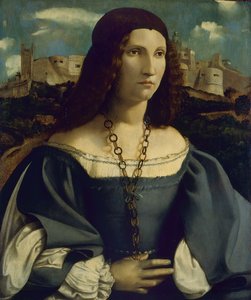
Altobello Melone
1491 - 1543 , Italy
Основные сведения
- Artistic Movement Or Style: Lombard & Mannerist
- Artists Or Movements Influenced By This Artist: ['Marcantonio Michiel']
- Artists Who Influenced This Artist:
- Girolamo Romanino
- Francesco Prata
- Date Of Birth: Cremona, Italy (1491)
- Date Of Death: Before 3 May 1543
- Full Name: Altobello Melone
- Nationality: Italian
- Notable Artworks:
- The Lamentation
- Tobias and the Angel
- Flight to Egypt
- Place Of Birth: Cremona
Похожие статьи

The Enduring Legacy of Fine Art Prints: Technique, History & Aesthetic Impact
Explore the rich history & techniques of fine art prints. Discover investment potential, assess authenticity, and learn how to preserve your collection with expert guidance. Trusted insights for discerning collectors.
The Enduring Legacy of Printmaking: Techniques, Themes & Artistic Innovation Across Centuries
Explore the rich history of printmaking with ArtsDot. Discover techniques from intaglio to lithography, learn about collecting valuable prints & find museum-quality reproductions. Expert insights for art enthusiasts and collectors.
The Enduring Legacy of Woodblock Printmaking: Technique, History & Artistic Expression
Explore the rich history of woodblock printmaking – from ancient techniques to Ukiyo-e masterpieces. Discover expert insights on collecting, preserving & appreciating this enduring art form.

Giclée Prints: Archival Quality & Aesthetic Nuances for the Discerning Collector
Explore the world of giclée prints with ArtsDot. Learn about archival quality, aesthetic nuances & investment potential. Expert guidance for discerning art collectors seeking museum-quality reproductions and lasting value.

Echoes of Time: Exploring the Enduring Appeal & Historical Context of Vintage Art Prints
Explore the captivating world of vintage art prints! Discover their history, collecting tips & enduring appeal. Expert insights on chromolithography and building a legacy collection with ArtsDot.