

 Поделиться
 Поделиться
 Детали произведения

 Скачать
 Похожие работы
 Слайд-шоу
 Статистика
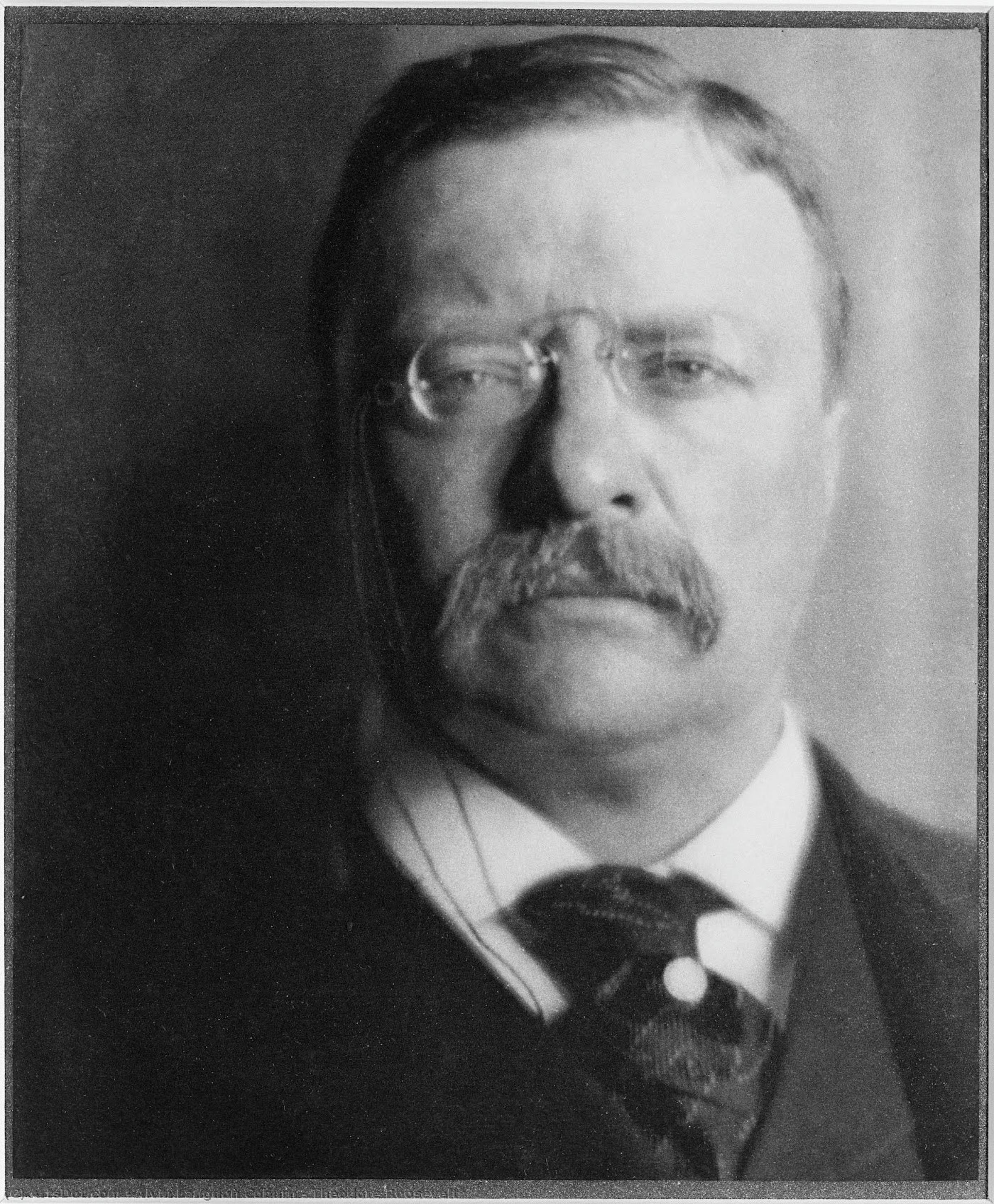
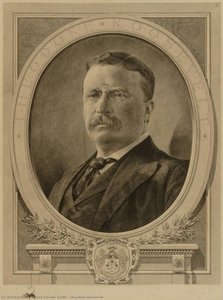
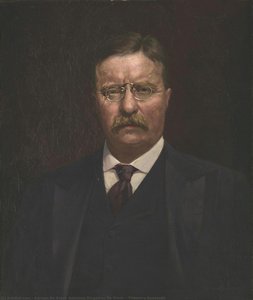
Theodore Roosevelt
 Photogravure
- Photo
- Pictorialism
 1913
1913- 19th Century
 45.0 x 35.0 cm
 Национальная портретная галерея
 Читать далее
Приобретите цифровое изображение высокого разрешения в улучшенном качестве, которое значительно превосходит онлайн-превью.
Каждый файл тщательно подготавливается нашими специалистами с использованием передовых инструментов и экспертной ручной ретуши. Мы гарантируем исключительную четкость, точную цветопередачу и детальную проработку каждого изображения.
Финальный файл доставляется по электронной почте в течение 72 часов и оптимизирован для немедленного использования в профессиональной среде, при верстке и печати. Это тот же уровень качества, которому доверяют ведущие дизайнерские студии, издательства и галереи.
Цифровое изображение
Скачайте файл высокого разрешения для личного использования, печати и творческих проектов. ( Перейти к печати Купить картину ручной работы)
Включено в каждый заказ цифровых изображений
Гарантия экспертной цифровой доставки
Выбирая ArtsDot.com, вы получаете не просто изображение — вы приобретаете профессионально обработанное цифровое произведение искусства, созданное с безупречной точностью и под защитой гарантии качества. Вот всё, что автоматически входит в ваш заказ:

Мгновенная доставка по e-mail
Ваш цифровой файл в высоком разрешении будет отправлен вам по электронной почте в течение 72 часов после оформления заказа — и сразу станет доступен для использования.

Цифровой файл с ИИ-улучшением
Ваше произведение искусства проходит профессиональную оптимизацию с использованием передовых инструментов ИИ и ручной обработки, что гарантирует максимальную детализацию, четкость и точность цветопередачи.

Бессрочная бесплатная повторная доставка
Случайно удалили или потеряли файл? Не беспокойтесь — мы отправим его вам повторно в любое время и совершенно бесплатно.

Без импортных пошлин — навсегда
Наслаждайтесь вашим произведением искусства мгновенно без таможенных пошлин, сборов или затрат на доставку — цифровые загрузки всегда не облагаются налогом.

Гарантия точности цветопередачи
Мы гарантируем, что ваше цифровое изображение максимально точно передает оригинальные цвета благодаря использованию профессиональных инструментов и систем управления цветом.

Гарантия удовлетворенности 100 дней
Если вы не будете удовлетворены своим цифровым изображением, мы внесем правки или вернем 100% стоимости в течение 100 дней — без лишних вопросов.

100% Гарантия возврата средств
Не удовлетворены покупкой? Получите полный возврат средств в течение 100 дней после получения цифрового файла — без лишних вопросов.

Скидки на оптовые заказы
Купите 3 изображения, сэкономьте 10% — Купите 5, сэкономьте 15% — Купите 10+, сэкономьте 20%. Отличное решение для творческих проектов, галерей и агентств.
A Portrait Steeped in Visionary Technique: Alvin Langdon Coburn’s Theodore Roosevelt
Alvin Langdon Coburn's photograph of Theodore Roosevelt stands as a testament to the burgeoning Pictorialist movement and its fascination with capturing psychological depth alongside visual beauty. Executed in 1913, this striking image transcends mere representation; it embodies Coburn’s pioneering approach to photography—a deliberate rejection of photographic realism in favor of artistic expression. The resulting portrait is not simply a likeness of the former President but an embodiment of his gaze and intellect, meticulously crafted through a complex photogravure process that demanded painstaking precision and artistic sensitivity.- The Photogravure Process: Coburn’s masterful technique involved transferring ink from a copper plate onto paper using a stylus, creating a tonal print with exceptional detail and subtlety. This method prioritized artistic nuance over photographic accuracy, allowing for nuanced shading and texture that would have been unattainable with conventional printing methods of the time. It was a deliberate choice to elevate photography beyond mere documentation into a form of visual art.
- Composition & Framing: The photograph’s composition is deliberately understated yet powerfully effective. Roosevelt sits rigidly upright in a dark suit, his gaze directly confronting the viewer—a posture that conveys confidence and unwavering resolve. Coburn skillfully utilizes light to sculpt Roosevelt's face, highlighting contours and creating dramatic shadows that emphasize his character.
- Symbolism of Gaze & Expression: Coburn’s deliberate framing captures Roosevelt’s intense stare, conveying a profound sense of contemplation and intellectual engagement. This gaze isn’t merely observing; it’s actively assessing, projecting an aura of authority and conviction. It speaks to Roosevelt's legacy as a champion of conservation and progressive ideals—a man who sought to shape the nation’s future with unwavering determination.
Historical Context: Pictorialism and the Pursuit of Artistic Integrity
Coburn’s work emerged during a pivotal moment in photographic history – the rise of Pictorialism. Rejecting the prevailing obsession with capturing objective reality, Pictorialists championed artistic vision as paramount. They argued that photography could achieve aesthetic grandeur comparable to painting, utilizing techniques like soft focus and tonal printing to evoke emotion and convey ideas beyond simple visual representation. Coburn’s Roosevelt portrait exemplifies this ethos perfectly, aligning seamlessly with the broader movement's ambition to transform photography into a respected art form.
Emotional Impact & Artistic Legacy
The photograph possesses an undeniable emotional resonance. The stark black and white palette amplifies the solemnity of Roosevelt’s expression, inviting viewers to contemplate his inner life and unwavering conviction. Coburn's masterful manipulation of light and shadow creates a palpable sense of presence—as if Roosevelt himself is peering out from the page. More than just a portrait, it’s an emblem of American idealism and resilience, securing Coburn’s place as one of the most influential figures in early 20th-century photography.
Further Exploration: Sagamore Hill & Theodore Roosevelt Jr.
To truly appreciate the significance of Coburn's portrait, consider visiting Sagamore Hill National Historic Site—Roosevelt’s winter White House—where you can immerse yourself in the atmosphere of his era and examine artifacts related to his life and presidency. Furthermore, delve into the work of Theodore Roosevelt III, whose naturalist paintings continue to celebrate the beauty of America’s wilderness and honor his father's enduring legacy.
Discover Your Own Reproduction
Bring the captivating artistry of Alvin Langdon Coburn’s “Theodore Roosevelt” into your home with a meticulously crafted hand-painted reproduction. Experience the timeless elegance of Pictorialism and reconnect with the spirit of an era defined by vision, conviction, and artistic innovation.
Похожие произведения

Биография художника
Early Life and the Seeds of Vision
Alvin Langdon Coburn, born in Boston in 1882, emerged into a world rapidly embracing new technologies and artistic expressions. His upbringing, initially secure within a middle-class family—his father establishing the successful shirtmaking firm of Coburn & Whitman—was irrevocably altered by loss when he was just seven years old. The death of his father cast a long shadow, with his mother, Fannie, becoming the central, often dominating, force in his life. Yet, within this shifting familial landscape, a passion ignited that would define his destiny: photography. A 4 x 5 Kodak camera, gifted during a visit to Los Angeles in 1890, wasn’t merely a toy; it was a portal to a new way of seeing, a means of capturing and interpreting the world around him. This nascent talent quickly blossomed under the guidance of his cousin, F. Holland Day, a renowned photographer who recognized Coburn's exceptional aptitude and encouraged his pursuit of photography as more than just a hobby—but as a vocation. Day’s mentorship proved crucial, opening doors to exhibitions and introducing young Coburn to the burgeoning artistic circles of the time.From Pictorialism to the Vanguard
The year 1900 marked a pivotal moment in Coburn's trajectory. A relocation to London with his mother and Day propelled him into the heart of the European art scene. His photographs were swiftly recognized, gaining inclusion in exhibitions at the prestigious Royal Photographic Society and securing an invitation to exhibit with The Linked Ring – a highly selective association of artistic photographers dedicated to elevating photography to the status of fine art. This acceptance solidified Coburn’s position amongst the elite photographic circles of the era. Further honing his skills through studies with Edward Steichen and Robert Demachy in Paris during 1901, he absorbed diverse techniques and perspectives. His involvement with Alfred Stieglitz and the Photo-Secession in America further amplified his reputation, with his work frequently appearing in the influential journal *Camera Work*. Coburn’s early photographs were deeply rooted in Pictorialism, an artistic movement that emphasized subjective expression and sought to emulate the aesthetic qualities of painting—particularly the atmospheric tonal nuances favored by James McNeill Whistler. Images of London landmarks and landscapes characterized this period, showcasing a delicate balance between technical mastery and artistic vision.Abstraction Takes Form: Vortography and Beyond
Coburn’s artistic evolution took a dramatic turn in the following decade, leading him towards groundbreaking experimentation with abstraction. The iconic photograph *The Octopus, New York* (1912), taken from atop the city's soaring skyscrapers, stands as a watershed moment—a pivotal work signaling photography’s departure from representational accuracy. By eliminating the horizon line and flattening perspective, Coburn transformed the urban landscape into a dynamic interplay of geometric forms, foreshadowing modernist aesthetics. This exploration culminated in the invention of Vortography – a revolutionary technique utilizing mirrors to create kaleidoscopic abstract images. These “vortographs” are widely recognized as some of the first completely non-objective photographs ever created, pushing the boundaries of the medium and challenging conventional notions of photographic representation. His association with Vorticist artists like Wyndham Lewis and Ezra Pound further fueled this experimentation, immersing him in a vibrant intellectual environment that embraced radical innovation.A Shifting Focus and Enduring Legacy
The 1920s witnessed a significant shift in Coburn’s interests. A growing fascination with mysticism led to a gradual decline in his photographic output as he pursued spiritual exploration. In 1932, he embraced British citizenship and settled in Wales, seeking tranquility and further immersing himself in esoteric studies. Despite this reduced activity, Alvin Langdon Coburn's historical significance remains profound. He is now celebrated as a crucial figure bridging the gap between Pictorialism and Modern photography—a pioneer who fearlessly challenged conventions and expanded the artistic possibilities of the medium. His groundbreaking work in abstraction, particularly *The Octopus* and his vortographs, profoundly impacted the development of photographic art, influencing generations of artists to come. Moreover, Coburn’s early emphasis on elevated viewpoints – a perspective largely unexplored at the time – added another layer of innovation to his already remarkable body of work. He was also a master craftsman, meticulously controlling the photogravure printing process to achieve rich tones and subtle effects, considering these prints “original” works of art. His legacy endures not only through his captivating images but also through his unwavering commitment to artistic exploration and his enduring contribution to the evolution of photography as a recognized fine art form. London 1909 and New York 1912, published with exquisite photogravure prints, stand as testaments to his dedication and artistry.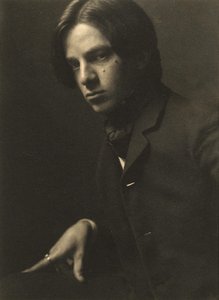
Alvin Langdon Coburn
1882 - 1966 , United States of America
Основные сведения
- Artistic Movement Or Style: Pictorialism, Vortography
- Artists Or Movements Influenced By This Artist: Modern photography
- Artists Who Influenced This Artist:
- F. Holland Day
- Alfred Stieglitz
- James Whistler
- Date Of Birth: June 11, 1882
- Date Of Death: November 23, 1966
- Full Name: Alvin Langdon Coburn
- Nationality: American/British
- Notable Artworks:
- St. Paul’s and Other Spires
- The Octopus, New York
- Theodore Roosevelt
- Place Of Birth: Boston, USA