


 Поделиться
 Поделиться
 Детали произведения

 Скачать
 Похожие работы
 Слайд-шоу
 Статистика
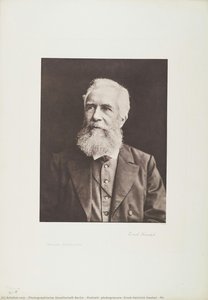
Photogravure of Gustav Theodor Fechner


 Читать далее
Масляная репродукция ручной работы
Картина маслом на холсте в выбранном вами размере и раме, написанная на заказ нашими художниками. ( Перейти к печати Перейти к цифровым изображениям)
































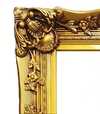
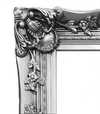
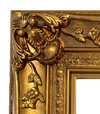
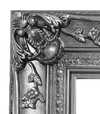
Выберите один из наших стандартных размеров, соответствующих оригинальным пропорциям произведения искусства.

Вы можете указать собственные размеры, чтобы картина идеально вписалась в выбранную раму или пространство. Если выбранный вами размер не соответствует пропорциям оригинала, мы либо обрежем полотно, либо расширим его за счет дополнительных элементов, написанных вручную. Цифровой макет будет отправлен вам на утверждение перед началом производства.
Обратите внимание, что предварительный просмотр на экране не отражает фактическую обрезку или расширение. Только макет точно покажет окончательную композицию.
Хотя доступны индивидуальные размеры, мы рекомендуем выбирать вариант из предопределенного списка, чтобы сохранить исходные пропорции.
После оформления заказа команда ArtsDot.com свяжется с клиентом по электронной почте для уточнения деталей и предоставит предварительный макет
Доставка по всему миру () за 3–4 недели вместо стандартных 5 недель. (15 Сентябрь). Без компромиссов в качестве.

Бесплатная экспресс-доставка по всему миру

Высококачественный льняной холст

Полное страхование доставки

Гарантия возмещения таможенных пошлин

Гарантия точного соответствия цветов

100-дневная политика возврата (только при обнаружении дефектов)

Гарантия возврата 100% средств

Предложение оптовых скидок
 Вариант со стеклом доступен только для размеров менее 110 см

Photogravure of Gustav Theodor Fechner
Техника репродукции
Размер репродукции
-


Итоговая стоимость
$ 263
A Portrait of Intellectual Depth: Gustav Theodor Fechner in Photogravure
The image before you is more than just a photograph; it’s a meticulously crafted window into the mind of Gustav Theodor Fechner, a pivotal figure in the history of psychology and psychophysics. Created in 1919 by the Photographische Gesellschaft Berlin – a collective renowned for elevating photography to an art form – this photogravure offers a rare glimpse into the countenance of a man who profoundly shaped our understanding of perception and sensation. The process itself, photogravure, is crucial to appreciating the work’s unique character; it involved etching photographic images onto metal plates, then using these plates to produce multiple prints with remarkable tonal subtlety and fine detail – a far cry from the immediate, often less nuanced results of early photography.
Fechner's portrait isn't simply a likeness; it embodies a quiet intensity. The artist’s choice of a neutral background serves not as distraction but to amplify the subject’s presence, drawing our attention entirely to his face and expression. Note the careful rendering of his features – the slight furrowing of his brow, the subtle lines around his eyes that speak of contemplation, and the dignified set of his mouth. These details aren't merely photographic; they are imbued with a sense of timelessness, suggesting a man deeply engaged in intellectual pursuits.
The Craftsmanship of Photogravure: Texture and Tone
Photogravure was a demanding technique, requiring considerable skill and patience. The process involved multiple steps – from the initial photograph to the creation of the metal plate, the application of ink, and finally, the printing itself. This meticulous approach resulted in prints with a distinctive velvety texture, achieved through the layering of ink and the delicate impression on the paper. The subtle variations in tone—the rich browns and grays—are particularly striking, creating an atmosphere of depth and sophistication that is rarely found in contemporary reproductions. The grainy quality inherent to photogravure isn’t a flaw but rather a testament to the artistry involved; it adds a layer of tactile richness and historical resonance to the image.
The Photographische Gesellschaft Berlin was at the forefront of this technique, experimenting with its possibilities and pushing the boundaries of photographic art. They weren't simply documenting reality; they were actively shaping how photography could be perceived as an artistic medium. This portrait exemplifies their commitment to detail, tonal control, and a deliberate aesthetic that prioritized quality over speed.
Symbolism and Intellectual Legacy
Gustav Theodor Fechner’s work extended far beyond the confines of his studio. He is best known for his contributions to psychophysics – the study of how we perceive sensory stimuli – and his development of the concept of ‘Fechner's Law,’ which describes the relationship between physical stimulus intensity and perceived sensation. His research laid the groundwork for much of modern psychology, influencing figures like Wilhelm Wundt and ultimately shaping our understanding of consciousness itself.
The portrait, therefore, isn’t merely a representation of an individual; it's a symbolic embodiment of intellectual rigor and scientific inquiry. The formal attire – the suit jacket, the tie, the spectacles – speaks to his status as a respected academic and a pioneer in his field. There is a sense of quiet authority emanating from the image, reflecting the profound impact of Fechner’s work on the development of psychological thought.
A Timeless Masterpiece for Reflection and Display
This photogravure portrait offers more than just a visual representation; it provides an opportunity to connect with a significant figure in intellectual history. Its enduring appeal lies not only in its technical brilliance but also in its ability to evoke a sense of contemplation and wonder. Whether displayed in a private study, a gallery, or a curated collection, this image serves as a reminder of the power of observation, the beauty of craftsmanship, and the lasting legacy of scientific inquiry. Consider it an investment not just in art, but in a piece of intellectual heritage.
Похожие произведения
Похожие статьи
Beyond the Lens: Photography's Enduring Influence on Modern & Contemporary Art
Explore photography's pivotal role in shaping modern & contemporary art. Discover key movements, influential artists like Stieglitz, and expert collecting advice from ArtsDot.
25 Шедевров Густава Климта: Искусство, Декор и Золотой Век Австрийского Модерна
Погрузитесь в мир Густава Климта! 25 шедевров австрийского модерна, символизма и золотой живописи. Узнайте истории создания знаменитых картин Климта и вдохновитесь для декора интерьера. Репродукции музейного качества на ArtsDot.com.

Pictorialism: A Search for Artistic Photography's Soul – Aesthetics, Techniques & Legacy
Explore the captivating world of Pictorialism – a pivotal movement that transformed photography into fine art. Discover key artists like Stieglitz & Käsebier, techniques, and collecting tips from experts.

Witnessing History Through Lens & Light: Documentary Photography's Enduring Legacy
Explore the powerful history of documentary photography – from its origins to contemporary masters like Gordon Parks & W. Eugene Smith. Discover how this art form shapes our understanding of society and witness pivotal moments in time.

Monochrome Visions: Exploring the Aesthetic & Historical Significance of Black & White Photography
Explore the rich history & artistic power of black and white photography. From early techniques to iconic masters like Ansel Adams, discover why monochrome continues to captivate art lovers today. Expert insights for collectors.