

 Поделиться
 Поделиться
 Детали произведения

 Скачать
 Похожие работы
 Слайд-шоу
 Статистика
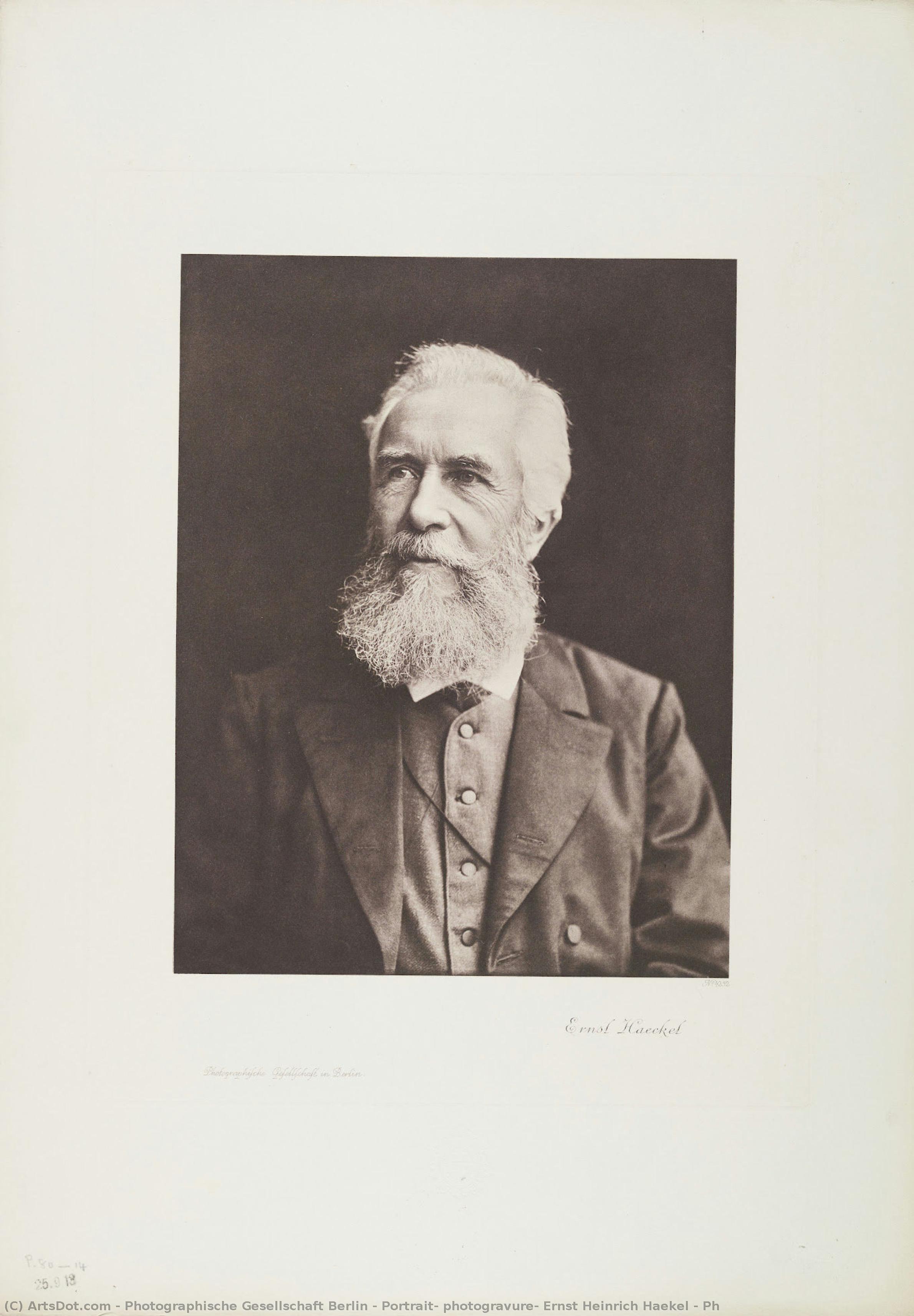
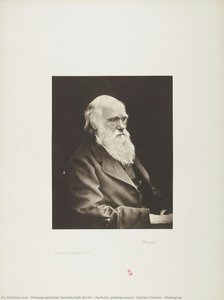
Portrait, photogravure, Ernst Heinrich Haekel / Ph


 Читать далее
Масляная репродукция ручной работы
Картина маслом на холсте в выбранном вами размере и раме, написанная на заказ нашими художниками. ( Перейти к печати Перейти к цифровым изображениям)




































Выберите один из наших стандартных размеров, соответствующих оригинальным пропорциям произведения искусства.

Вы можете указать собственные размеры, чтобы картина идеально вписалась в выбранную раму или пространство. Если выбранный вами размер не соответствует пропорциям оригинала, мы либо обрежем полотно, либо расширим его за счет дополнительных элементов, написанных вручную. Цифровой макет будет отправлен вам на утверждение перед началом производства.
Обратите внимание, что предварительный просмотр на экране не отражает фактическую обрезку или расширение. Только макет точно покажет окончательную композицию.
Хотя доступны индивидуальные размеры, мы рекомендуем выбирать вариант из предопределенного списка, чтобы сохранить исходные пропорции.
После оформления заказа команда ArtsDot.com свяжется с клиентом по электронной почте для уточнения деталей и предоставит предварительный макет
Доставка по всему миру () за 3–4 недели вместо стандартных 5 недель. (13 Сентябрь). Без компромиссов в качестве.

Бесплатная экспресс-доставка по всему миру

Высококачественный льняной холст

Полное страхование доставки

Гарантия возмещения таможенных пошлин

Гарантия точного соответствия цветов

100-дневная политика возврата (только при обнаружении дефектов)

Гарантия возврата 100% средств

Предложение оптовых скидок
 Вариант со стеклом доступен только для размеров менее 110 см

Portrait, photogravure, Ernst Heinrich Haekel / Ph
Техника репродукции
Размер репродукции
-


Итоговая стоимость
$ 263
A Portrait of Scientific Majesty: Ernst Heinrich Haeckel’s Photogravure
The image before you is more than just a portrait; it's a carefully constructed window into the mind of Ernst Heinrich Philipp August Haeckel, a titan of 19th-century biology and a master of visual communication. Executed in exquisite photogravure by the Photographische Gesellschaft Berlin around 1919, this remarkable image transcends mere likeness, offering a glimpse into the intellectual rigor and quiet authority that defined Haeckel’s life and work. The medium itself—photogravure—is crucial to understanding the piece's impact; it was a technique prized for its ability to capture subtle tonal variations and reproduce incredibly detailed images with a richness of color rarely achieved in earlier photographic processes. This wasn’t simply about documenting a man; it was about imbuing him with an aura of scientific gravitas, reflecting his profound influence on the burgeoning field of natural history.
The composition is deliberately formal and restrained. Haeckel sits squarely within the frame, his gaze direct and unwavering – a challenge to the viewer to meet his intellectual intensity. The background, rendered in soft focus, serves not as distraction but as a subtle amplification of the subject’s presence. The rectangular border, characteristic of the era, further emphasizes the portrait's status as a significant document, akin to a formal commission or official representation. Notice the meticulous attention to detail: the texture of his suit fabric, the carefully rendered lines of his beard and mustache – each element contributes to a sense of realism that belies the photographic nature of the image. The lighting is soft and diffused, casting gentle shadows that sculpt his features and hinting at an inner seriousness.
The Art of Photogravure: A Process of Refined Beauty
Photogravure was a complex and demanding process, requiring considerable skill and patience. It began with a photograph – often a carefully posed portrait – which was then used as the basis for creating a copper plate. This plate was meticulously grained, a process that introduced microscopic patterns to its surface, allowing ink to be absorbed unevenly during printing. The resulting image was then etched using acid, transferring the tonal values from the original photograph onto the metal. Finally, the plate was inked and pressed onto paper, producing a print of astonishing clarity and depth. Unlike simpler photographic processes, photogravure produced images with a velvety quality, rich in subtle gradations of tone – a testament to the skill of the printer and the inherent beauty of the medium.
The Photographische Gesellschaft Berlin was at the forefront of this innovation, pushing the boundaries of what was possible with photogravure. They weren’t simply reproducing photographs; they were elevating them to the status of fine art. Haeckel's portrait exemplifies their commitment to capturing not just a likeness but also the essence of the subject – his intellect, his dedication, and perhaps even a hint of his visionary spirit. The process itself speaks volumes about the era’s fascination with scientific advancement and its desire to visually represent complex ideas.
Symbolism and Scientific Legacy
Haeckel was far more than just a biologist; he was a prolific artist, illustrator, and popularizer of science. His detailed depictions of marine life, particularly his iconic woodcuts illustrating the “Embryology,” became immensely influential, shaping public understanding of evolution and natural history. This portrait subtly reflects that legacy – Haeckel’s serious expression and formal attire evoke an image of a man deeply engaged in intellectual pursuits, dedicated to unraveling the mysteries of the natural world. The very act of presenting him as a subject for artistic representation underscores his importance within the scientific community.
Furthermore, the photogravure medium itself carries symbolic weight. The meticulous process and the resulting image’s rich tonal range suggest a careful consideration of detail, mirroring Haeckel's own methodical approach to scientific inquiry. It is an image that speaks not only of a man but also of the power of observation, analysis, and artistic representation – qualities central to both his scientific work and the enduring appeal of this remarkable portrait.
A Timeless Masterpiece for Collectors and Designers
Reproductions of this extraordinary photogravure offer a unique opportunity to bring Haeckel’s intellectual presence into any setting. Its formal elegance and rich tonal range make it an ideal addition to libraries, study spaces, or galleries dedicated to science, art, or history. The image's inherent beauty and historical significance ensure that it will remain a captivating subject for years to come. Consider this portrait not merely as a depiction of a man, but as a testament to the enduring power of scientific curiosity and artistic vision – a timeless masterpiece worthy of admiration and preservation.
Похожие произведения
Похожие статьи
Beyond the Lens: Photography's Enduring Influence on Modern & Contemporary Art
Explore photography's pivotal role in shaping modern & contemporary art. Discover key movements, influential artists like Stieglitz, and expert collecting advice from ArtsDot.

Monochrome Visions: Exploring the Aesthetic & Historical Significance of Black & White Photography
Explore the rich history & artistic power of black and white photography. From early techniques to iconic masters like Ansel Adams, discover why monochrome continues to captivate art lovers today. Expert insights for collectors.

Witnessing History Through Lens & Light: Documentary Photography's Enduring Legacy
Explore the powerful history of documentary photography – from its origins to contemporary masters like Gordon Parks & W. Eugene Smith. Discover how this art form shapes our understanding of society and witness pivotal moments in time.

Pictorialism: A Search for Artistic Photography's Soul – Aesthetics, Techniques & Legacy
Explore the captivating world of Pictorialism – a pivotal movement that transformed photography into fine art. Discover key artists like Stieglitz & Käsebier, techniques, and collecting tips from experts.
Макс Эрнст: 25 шедевров сюрреализма для ценителей искусства и декора интерьера
Погрузитесь в мир сюрреализма с Максом Эрнстом! 25 культовых картин, раскрывающих тайны подсознания и новаторские техники. Репродукции высокого качества для вашего интерьера на ArtsDot.com. Откройте всю коллекцию онлайн!