


 Предпросмотр
 Поделиться
 Поделиться
 Детали произведения

 Скачать
 Похожие работы
 Рентгенография
 Слайд-шоу
 Статистика
Suffer the little children to come unto me
 Acrylic On Canvas
- WallArt
- Northern Renaissance Revival
 1600
1600 179.0 x 236.0 cm
 Bonnefanten Museum
 Читать далее
Жикле / Арт-принт
Печать (жикле) или холст музейного качества с быстрыми сроками изготовления и широким выбором вариантов отделки. ( Купить картину ручной работы Перейти к цифровым изображениям)




P118B $10

P118H $10

P118W $10

P438Z $10

P508JH $12

P508YH $12

P805H $10

P805Z $10

P919BZ $10

P919G $10

P919XJ $10

P959ZH $10

P968JZ $12

W106C $8

W218G $10

W218JH $8

W218Y $10

W307PJ $10

W316G $10

W316PJ $8

W316Y $10

W398PJ $8

W4111J $10

W500HY $15

W500JH $15

W692G $12

W849H $8

W940BG $15

W953PJ $8
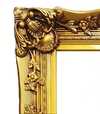
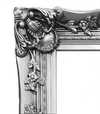
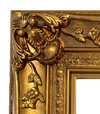
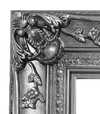
Выберите один из наших стандартных размеров, соответствующих оригинальным пропорциям произведения искусства.

Вы можете указать свои собственные размеры, чтобы репродукция идеально подошла под конкретную раму или пространство. Если выбранный вами размер не будет соответствовать пропорциям оригинала, мы либо обрежем произведение, либо дополним изображение зеркальным отражением краев или однотонной заливкой. Перед началом производства вам будет отправлен цифровой макет для утверждения.
Пожалуйста, обратите внимание, что предварительный просмотр на экране не отображает фактическую обрезку или расширение изображения. Только макет точно покажет финальную композицию.
Несмотря на возможность заказа индивидуальных размеров, мы рекомендуем выбирать размер из предопределенного списка, чтобы сохранить оригинальные пропорции.
Доставка по всему миру () за 2 недели вместо стандартных 4/5 недель. (14 Сентябрь)

Бесплатная экспресс-доставка по всему миру

Высококачественный льняной холст

Полное страхование доставки

Гарантия возмещения таможенных пошлин

Гарантия точного соответствия цветов

100-дневная политика возврата (только при обнаружении дефектов)

Гарантия возврата 100% средств

Предложение оптовых скидок
 Вариант со стеклом доступен только для размеров менее 110 см

Suffer the little children to come unto me
Жикле / Арт-принт
Размер репродукции
-


Итоговая стоимость
$ 62
A Window Into Faith and Renaissance Influence
The painting “Suffer the little children to come unto me,” attributed to Ambrosius Francken I (1545 – 1618), stands as a testament to the artistic fervor of Antwerp during the early Baroque period. Painted in 1600, this monumental oil on panel transcends mere depiction; it embodies a complex tapestry of religious devotion interwoven with echoes of Italian Renaissance grandeur. Francken’s masterful execution captures not just visual beauty but also profound spiritual contemplation—a characteristic deeply rooted in the intellectual currents shaping Europe at the time.- Subject Matter and Composition: At its core, the artwork portrays Jesus Christ seated centrally amidst a congregation of adults, notably mothers accompanied by their children. This deliberate arrangement underscores the importance of innocence and vulnerability within Christian faith—a theme prevalent throughout biblical narratives and powerfully conveyed through Francken’s careful composition. The figures are positioned in front of a classical temple reminiscent of Bramante's Tempietto in Rome, symbolizing spiritual aspiration and harking back to humanist ideals championed by Renaissance thinkers.
- Style and Technique: Francken’s style aligns seamlessly with the prevailing Baroque aesthetic—characterized by dramatic lighting, rich color palettes, and a heightened sense of realism. He skillfully employs chiaroscuro – the interplay between light and shadow – to sculpt form and imbue the scene with palpable emotion. The meticulous brushwork reveals an unwavering dedication to capturing nuanced textures and conveying depth of feeling.
Renaissance Echoes: Inspiration from Raphael and Michelangelo
Francken’s artistic vision wasn't born in isolation; it drew inspiration from luminaries of the Italian Renaissance. Specifically, Raphael’s celebrated tapestry depicting “The Miraculous Draught of Fishes,” from the series Acts of the Apostles, served as a significant catalyst for stylistic choices—particularly concerning spatial perspective and decorative ornamentation. Similarly, Michelangelo’s monumental statue “Madonna of Bruges,” which Francken undoubtedly observed during his travels, instilled in him an understanding of sculptural grandeur and emotive expression. These influences are subtly reflected in the temple architecture and the overall dynamism of the painting.- Symbolism: The inclusion of Jewish rabbis—identified by Hebrew text on their hats—represents a deliberate acknowledgment of religious diversity within Antwerp’s multicultural society. Isaiah, the prophet revered throughout Judaism and Christianity, underscores the universality of spiritual faith. Furthermore, the temple itself symbolizes divine presence and serves as a conduit for prayerful contemplation.
- Emotional Impact: “Suffer the little children to come unto me” succeeds in eliciting profound empathy and reverence. The tender depiction of mothers caring for their offspring evokes feelings of compassion and familial devotion—themes central to Christian morality. Francken’s masterful use of color and light amplifies these emotions, transporting viewers into a realm of spiritual serenity.
A Legacy of Flemish Artistry
Ambrosius Francken I's contribution to Flemish art is undeniable. As part of the prolific Francken dynasty—alongside his brothers Frans and Hieronymus—he established himself as one of Antwerp’s foremost painters, securing a prominent place in artistic history. His ability to synthesize humanist ideals with religious fervor exemplifies the spirit of the Baroque era and solidifies “Suffer the little children to come unto me” as an enduring masterpiece—a captivating portrayal of faith, compassion, and artistic brilliance.Похожие произведения

Похожие статьи

Микеланджело: 25 шедевров эпохи Возрождения для вашего интерьера | ArtsDot
Погрузитесь в мир гения Микеланджело! 25 шедевров эпохи Возрождения – от Давида до Сикстинской капеллы. Узнайте историю создания, технику и значение каждой работы. Купите репродукции картин Микеланджело музейного качества на ArtsDot.com.
Рафаэль: 25 шедевров великого художника для ценителей искусства и декора интерьера
Погрузитесь в мир Рафаэля! 25 величайших шедевров эпохи Возрождения, полные гармонии и красоты. Узнайте истории создания картин, технику живописи и вдохновитесь для декора интерьера. Репродукции высокого качества на ArtsDot.com.
The Renaissance Titans: A Comparative Study of Leonardo, Michelangelo, and Raphael
Explore the genius of the High Renaissance. Compare the legendary works of Leonardo, Michelangelo, and Raphael through an expert art-historical lens. Discover how these titans shaped human creativity and learn to bring their timeless beauty into your modern home.
25 Шедевров Уффици: Путешествие в Сердце Ренессанса | ArtsDot
Погрузитесь в мир Ренессанса с 25 шедеврами галереи Уффици! От Боттичелли до Леонардо да Винчи – истории, техники и вдохновение для вашего интерьера. Купите репродукции картин высочайшего качества на ArtsDot.com.
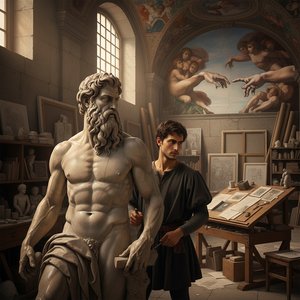
Michelangelo Buonarroti: A Renaissance Titan – Life, Works & Enduring Legacy
Explore the life, works & enduring legacy of Michelangelo Buonarroti, a Renaissance titan. Discover his iconic sculptures, frescoes, and architectural achievements. Expert art consultation & high-quality reproductions at ArtsDot.