

 Предпросмотр
 Поделиться
 Поделиться
 Детали произведения

 Скачать
 Похожие работы
 Рентгенография
 Слайд-шоу
 Статистика
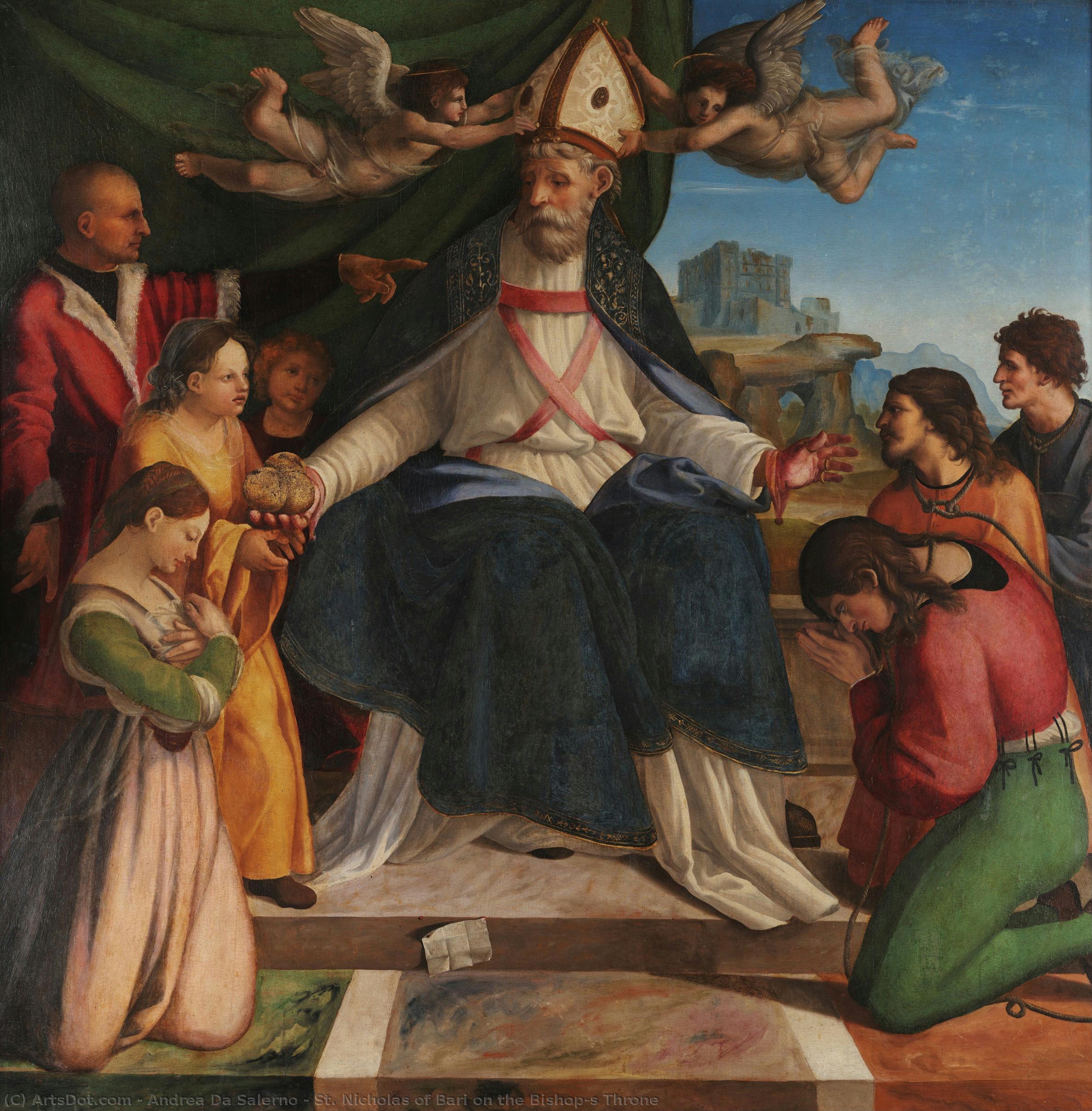
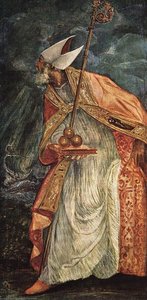
St. Nicholas of Bari on the Bishop’s Throne


 Читать далее
Приобретите цифровое изображение высокого разрешения в улучшенном качестве, которое значительно превосходит онлайн-превью.
Каждый файл тщательно подготавливается нашими специалистами с использованием передовых инструментов и экспертной ручной ретуши. Мы гарантируем исключительную четкость, точную цветопередачу и детальную проработку каждого изображения.
Финальный файл доставляется по электронной почте в течение 72 часов и оптимизирован для немедленного использования в профессиональной среде, при верстке и печати. Это тот же уровень качества, которому доверяют ведущие дизайнерские студии, издательства и галереи.
Цифровое изображение
Скачайте файл высокого разрешения для личного использования, печати и творческих проектов. ( Перейти к печати Купить картину ручной работы)
Включено в каждый заказ цифровых изображений
Гарантия экспертной цифровой доставки
Выбирая ArtsDot.com, вы получаете не просто изображение — вы приобретаете профессионально обработанное цифровое произведение искусства, созданное с безупречной точностью и под защитой гарантии качества. Вот всё, что автоматически входит в ваш заказ:

Мгновенная доставка по e-mail
Ваш цифровой файл в высоком разрешении будет отправлен вам по электронной почте в течение 72 часов после оформления заказа — и сразу станет доступен для использования.

Цифровой файл с ИИ-улучшением
Ваше произведение искусства проходит профессиональную оптимизацию с использованием передовых инструментов ИИ и ручной обработки, что гарантирует максимальную детализацию, четкость и точность цветопередачи.

Бессрочная бесплатная повторная доставка
Случайно удалили или потеряли файл? Не беспокойтесь — мы отправим его вам повторно в любое время и совершенно бесплатно.

Без импортных пошлин — навсегда
Наслаждайтесь вашим произведением искусства мгновенно без таможенных пошлин, сборов или затрат на доставку — цифровые загрузки всегда не облагаются налогом.

Гарантия точности цветопередачи
Мы гарантируем, что ваше цифровое изображение максимально точно передает оригинальные цвета благодаря использованию профессиональных инструментов и систем управления цветом.

Гарантия удовлетворенности 100 дней
Если вы не будете удовлетворены своим цифровым изображением, мы внесем правки или вернем 100% стоимости в течение 100 дней — без лишних вопросов.

100% Гарантия возврата средств
Не удовлетворены покупкой? Получите полный возврат средств в течение 100 дней после получения цифрового файла — без лишних вопросов.

Скидки на оптовые заказы
Купите 3 изображения, сэкономьте 10% — Купите 5, сэкономьте 15% — Купите 10+, сэкономьте 20%. Отличное решение для творческих проектов, галерей и агентств.
A Vision of Charity and Divine Grace
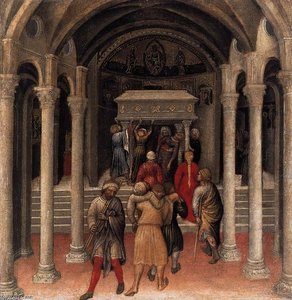
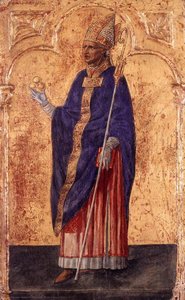
Andrea da Salerno's “St. Nicholas of Bari on the Bishop’s Throne” is more than just a religious painting; it’s a meticulously crafted tableau vivant, brimming with narrative depth and imbued with the humanist spirit of early 16th-century Italy. Painted around 1514-16, this work stands as a pivotal piece in the artist's burgeoning career, marking his close collaboration with the Benedictine monastery of Montecassino – a partnership that profoundly shaped his artistic development. The scene unfolds within a richly detailed interior, dominated by the imposing figure of St. Nicholas himself, seated regally upon a bishop’s throne, an emblem of both earthly authority and divine grace. His posture is one of quiet contemplation, hands folded in prayer, radiating an aura of benevolent power.
The composition is carefully orchestrated to draw the viewer's eye through a series of interconnected vignettes. On the left, we witness the saint’s legendary act of charity towards three impoverished daughters, their future secured by the bestowal of golden purses – a potent symbol of hope and redemption. To the right, St. Nicholas intervenes in the fate of three unjustly condemned men, sparing them from execution through his divine intervention. This dual narrative highlights the saint's role as both a protector of the vulnerable and a champion of justice, themes deeply resonant with the moral concerns of the era.
Renaissance Techniques and Artistic Influences
Andrea da Salerno’s mastery is evident in the painting’s meticulous execution. He skillfully employs *sfumato*, a technique perfected by Raphael himself, to create soft transitions between light and shadow, lending an ethereal quality to the figures and drapery. The colors are rich and vibrant – deep reds, blues, and golds dominate the palette, reflecting the opulence of the Renaissance court while simultaneously conveying a sense of solemnity and reverence. Notice particularly the intricate detailing in the fabrics, the delicate rendering of the angels’ wings, and the expressive faces of the figures depicted. The influence of Raphael is undeniable, particularly in the balanced composition and the idealized portrayal of St. Nicholas – a deliberate homage to his artistic mentor.
Furthermore, the painting demonstrates a clear debt to Raphael's “Madonna delle Pesche,” a work that served as a visual model for Andrea da Salerno. The arrangement of figures, the use of pyramidal composition, and the overall sense of harmony are all reminiscent of Raphael’s masterpiece. However, Andrea subtly adapts these influences, imbuing the scene with his own distinct artistic voice – a synthesis of Neapolitan tradition and Roman innovation.
Symbolism and Historical Context
Beyond its aesthetic beauty, “St. Nicholas of Bari on the Bishop’s Throne” is rich in symbolic meaning. St. Nicholas himself represents charity, justice, and divine mercy—qualities highly valued during the Renaissance. The golden purses symbolize not only material wealth but also spiritual salvation. The presence of angels underscores the saint's connection to the divine realm, while the condemned men represent humanity’s need for redemption. Painted in a period marked by political instability and religious reform, the work reflects the era’s preoccupation with morality, faith, and the role of saints as intermediaries between God and humankind.
Interestingly, the painting's genesis is intertwined with the history of Bari itself – a city renowned for its veneration of St. Nicholas, whose relics were brought there in 1087. The Benedictine monastery of Montecassino, a prominent center of learning and artistic patronage, played a crucial role in fostering Andrea da Salerno’s development, providing him with access to resources and inspiration. This connection to the monastic tradition further enriches the painting's symbolic significance.
A Timeless Testament to Human Values
“St. Nicholas of Bari on the Bishop’s Throne” remains a powerful testament to the enduring values of charity, justice, and faith. Its meticulous detail, vibrant colors, and compelling narrative continue to captivate viewers centuries after its creation. Whether admired as a work of art or appreciated for its historical and religious significance, this painting offers a profound glimpse into the artistic and intellectual landscape of Renaissance Italy – a world where beauty, spirituality, and human compassion converged in extraordinary ways.
Похожие произведения

Биография художника
Andrea da Salerno: A Renaissance Echo of Raphael
Andrea da Salerno, also known as Andrea Sabbatini, stands as a compelling figure within the vibrant tapestry of 16th-century Italian art. Born in Salerno, Italy, around 1487 and tragically passing between November 1530 and May 1531, his life was marked by an intense artistic apprenticeship and a profound connection to the legacy of Raphael. While initially trained under Raimondo Epifanio in Naples, it was his relocation to Rome that truly shaped his trajectory, forging a close bond with the master painter himself – a relationship that indelibly influenced his style and output. His work represents a fascinating synthesis of Neapolitan artistic traditions and the burgeoning Mannerist innovations sweeping through the Roman art world.Early Training and the Influence of Naples
Andrea’s early artistic education took place in Salerno, a city steeped in history and renowned for its medical school and rich cultural heritage. While details of his formative years are somewhat sparse, it's understood that he received a solid grounding in traditional Italian painting techniques. His mentor, Raimondo Epifanio, was a respected artist known for his frescoes and panel paintings, providing Andrea with the foundational skills necessary to develop his own unique voice. Naples during this period was experiencing a flourishing of artistic activity, influenced by both Byzantine traditions and emerging Renaissance ideals. This environment undoubtedly contributed to Andrea’s early development, exposing him to diverse styles and techniques.A Disciple of Raphael: Style and Technique
Andrea's most significant artistic connection was undeniably with Raphael. Moving to Rome around 1506, he immersed himself in the master’s studio, absorbing not just his technical prowess but also his philosophical approach to art. Raphael’s influence is immediately apparent in Andrea’s work – a harmonious blend of classical grace, balanced compositions, and an exquisite attention to detail. However, Andrea didn't simply mimic Raphael; he skillfully adapted the master’s style to his own sensibilities, incorporating elements of Neapolitan artistic tradition and developing a distinctive Mannerist flair. His use of color is particularly noteworthy—vibrant yet carefully modulated, creating a sense of luminous depth and atmospheric perspective. He frequently employed intricate details in drapery and ornamentation, hallmarks of the Mannerist movement.Notable Works and Artistic Achievements
Andrea da Salerno’s artistic output comprises a diverse collection of religious paintings and frescoes, many of which are housed in prestigious museums across Italy. Among his most celebrated works are “The Adoration of the Cross,” a dramatic composition brimming with emotional intensity; “The Seven Church Teachers,” an intricate depiction showcasing Andrea's mastery of perspective and detail; and "Madonna with Child," radiating serene beauty. A particularly striking example is “St. Nicholas of Bari on the Bishop’s Throne” (located in the Palazzo Avella di Capodimonte, Naples), which exemplifies his ability to convey both spiritual reverence and regal authority. His frescoes, notably those found in churches like Santa Maria delle Grazie and San Gennaro dei Poveri, demonstrate a remarkable command of fresco technique and a talent for creating visually stunning narratives within sacred spaces. The “Nativity” is often cited as a prime example of his assimilation of Raphael’s style, showcasing the influence of his mentor with subtle yet unmistakable elegance.Legacy and Historical Significance
Andrea da Salerno's legacy extends beyond his individual works; he represents a crucial link between the artistic traditions of Naples and Rome during the High Renaissance. His art reflects the evolving stylistic trends of the period, bridging the gap between the classical ideals championed by Raphael and the increasingly complex and emotionally charged aesthetics of Mannerism. While overshadowed somewhat by his more famous mentor, Andrea’s contributions to Italian painting are significant, particularly in the context of Naples, where he helped shape the artistic landscape of the region. His work continues to be studied and admired for its technical skill, emotional depth, and enduring beauty, serving as a testament to the transformative power of artistic apprenticeship and the lasting impact of a master’s influence. His brief but impactful career underscores the dynamic exchange of ideas that characterized the Renaissance art world.
andrea da salerno
1487 - 1530 , Italy
Основные сведения
- Andrea Sabbatini: Date of birth": "1487, Salerno, Italy
- Artistic Movement Or Style: Renaissance
- Date Of Death: 1530
- Full Name: Andrea da Salerno”
- Nationality: Italian
- Notable Artworks:
- Adoration of the Cross”, “Seven Church Teachers”, “Madonna with Child” ], "Artists who influenced this artist": [
- Raimondo Epifanio”, “Raphael” ], "Artists or movements influenced by this artist": [
- Raphael”
- Place Of Birth: Salerno, Italy