

 Поделиться
 Поделиться
 Детали произведения

 Скачать
 Похожие работы
 Слайд-шоу
 Статистика
Lion Hunting


 Читать далее
Масляная репродукция ручной работы
Картина маслом на холсте в выбранном вами размере и раме, написанная на заказ нашими художниками. ( Перейти к печати Перейти к цифровым изображениям)




































Выберите один из наших стандартных размеров, соответствующих оригинальным пропорциям произведения искусства.

Вы можете указать собственные размеры, чтобы картина идеально вписалась в выбранную раму или пространство. Если выбранный вами размер не соответствует пропорциям оригинала, мы либо обрежем полотно, либо расширим его за счет дополнительных элементов, написанных вручную. Цифровой макет будет отправлен вам на утверждение перед началом производства.
Обратите внимание, что предварительный просмотр на экране не отражает фактическую обрезку или расширение. Только макет точно покажет окончательную композицию.
Хотя доступны индивидуальные размеры, мы рекомендуем выбирать вариант из предопределенного списка, чтобы сохранить исходные пропорции.
После оформления заказа команда ArtsDot.com свяжется с клиентом по электронной почте для уточнения деталей и предоставит предварительный макет
Доставка по всему миру () за 3–4 недели вместо стандартных 5 недель. (11 Сентябрь). Без компромиссов в качестве.

Бесплатная экспресс-доставка по всему миру

Высококачественный льняной холст

Полное страхование доставки

Гарантия возмещения таможенных пошлин

Гарантия точного соответствия цветов

100-дневная политика возврата (только при обнаружении дефектов)

Гарантия возврата 100% средств

Предложение оптовых скидок
 Вариант со стеклом доступен только для размеров менее 110 см

Lion Hunting
Техника репродукции
Размер репродукции
-


Итоговая стоимость
$ 363
A Bronze Chronicle of Valor
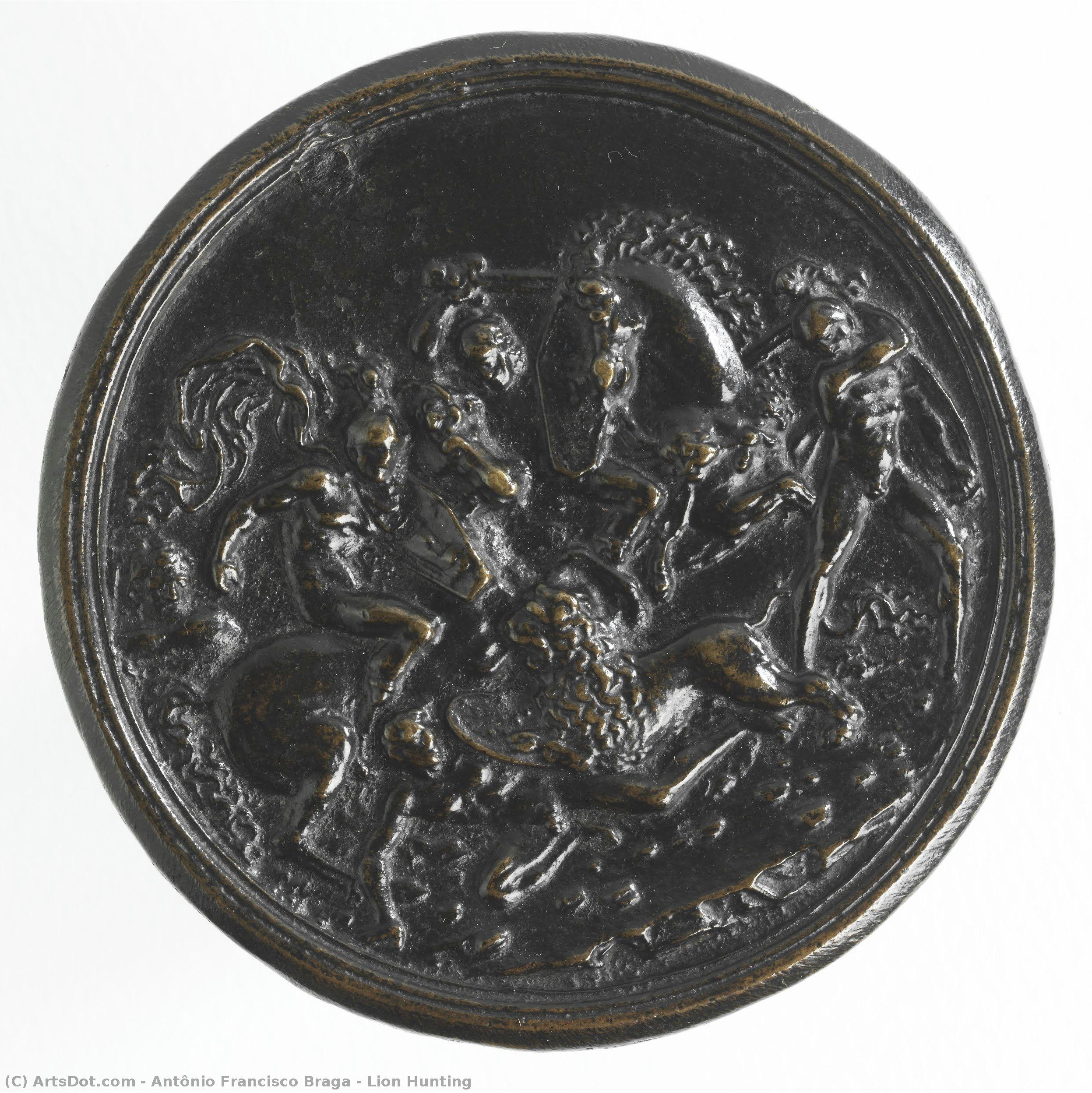
In the intimate circular frame of this bronze relief, time seems to suspend itself, capturing a moment of primal intensity that transcends its 1525 origins. The artwork, titled Lion Hunting, presents a breathtakingly detailed scene of pursuit and struggle, rendered with the masterful precision characteristic of classical relief sculpture. As the eye wanders across the textured surface, one is immediately drawn into a whirlwind of motion where human figures on horseback and on foot converge in a desperate, coordinated dance against the ferocity of nature. The composition utilizes the circularity of the medallion to create a sense of contained energy, pulling the viewer into the heart of the hunt.
The artistry lies in the profound interplay of light and shadow across the bronze medium. Through the skilled application of depth and incised detail, the piece achieves a remarkable illusion of three-dimensionality. Deep, dark recesses create pockets of mystery within the wild landscape, while the raised surfaces catch the light with warm, golden highlights that suggest the glint of sun on armor or the muscular tension of a charging beast. This technique, reminiscent of the Renaissance and Baroque traditions, allows for a layered perspective where foreground figures appear to surge toward the observer, pushing against the more distant, shadowed elements of the foliage and rocky terrain.
Symbolism and the Human Spirit
Beyond its technical brilliance, Lion Hunting serves as a powerful allegory for the eternal struggle between civilization and the untamed wild. The lions, depicted with a raw, organic power, represent the formidable forces of nature, while the hunters embody human courage, strategy, and the drive to establish dominance over the environment. Every line etched into the bronze tells a story of bravery; every silhouette of a horse in mid-gallop contributes to a narrative of high-stakes drama. For the collector or the lover of classical motifs, this piece offers more than mere decoration; it provides a window into a historical consciousness that finds beauty in the confrontation between man and beast.
For interior designers and connoisseurs of fine art reproductions, this work offers an unparalleled opportunity to introduce a sense of historical weight and dramatic flair to a space. The rugged, slightly pitted texture of the bronze lends an air of antiquity and authenticity, making it an ideal centerpiece for a study, a library, or a sophisticated gallery wall. It is a piece that invites tactile appreciation and deep contemplation, serving as a conversation starter that bridges the gap between the ancient world and the modern aesthetic. To possess such a reproduction is to hold a fragment of history, a miniature epic cast in enduring metal.
Похожие произведения
Биография художника
Antônio Francisco Braga: The Melodic Soul of a Nation
In the grand tapestry of Brazilian cultural history, few threads shine as brightly or as patriotically as the music of Antônio Francisco Braga. Known to many by his evocative moniker, Moderno, Braga was far more than a mere composer; he was a musical architect who sought to build a sonic identity for a burgeoning republic. Born in the vibrant heart of Rio de Janeiro in 1868, his early life was shaped by a profound connection to the rhythms and landscapes of his homeland, even as his formal training took him across the sophisticated musical capitals of Europe. His journey was one of constant synthesis, a delicate balancing act between the rigorous academic traditions of the Old World and the untamed, soulful melodies of the New.
The formative years of Braga’s education were marked by an extraordinary pursuit of excellence. After initial studies under masters such as Luiz António de Moura and Carlos de Mesquita, his talent earned him a prestigious scholarship to the Conservatoire in Paris. It was here, under the legendary tutelage of Jules Massenet, that Braga’s musical language began to expand. Immersed in the lush textures of French Impressionism and the evocative depths of Symbolism, he learned to paint with sound, capturing subtle nuances of light and atmosphere. This European refinement was further enriched by his travels through Germany and Italy, where he absorbed the structural grandeur of the German tradition and the lyrical grace of Italian opera. Yet, despite these cosmopolitan influences, the heartbeat of his music remained resolutely Brazilian.
A Symphony of Nationalism and Folklore
Upon his return to Brazil in 1900, Braga embarked on a mission that would define his legacy: the creation of a nationalistic musical vernacular. He did not merely mimic European styles; instead, he utilized those very techniques to elevate Brazilian folklore, rhythms, and legends to the symphonic stage. His compositions became a mirror reflecting the grandeur and the mystery of the Brazilian landscape. In works such as O Eco da Pedra (The Echo of Stone), one can almost feel the geological weight of the nation's mountains, while A Sereia do Rio (The Siren of the River) whispers the enchanting myths of the country's vast waterways. This ability to weave the local into the universal allowed his music to resonate with a profound sense of belonging.
His contributions to the Brazilian national identity reached a pinnacle of symbolic importance in 1906, when his composition Hino à Bandeira (Hymn to the Flag) was officially adopted as the anthem for the Brazilian national flag. This achievement placed him at the very center of the nation's civic life, transforming his art into a shared ritual of patriotism. Beyond the anthems and marches, his repertoire was vast and deeply emotive, encompassing:
- Operatic Masterpieces: Works such as Jupira and Anita Garibaldi, which brought historical and legendary Brazilian narratives to life through dramatic vocal expression.
- Symphonic Poems: Evocative orchestral pieces like Marabá, which served as early milestones in the development of a specifically Brazilian symphonic style.
- Chamber and Vocal Works: Intimate settings of poetry and instrumental dialogues that showcased his mastery of harmony and melodic contour.
Legacy and the Architecture of Music Education
Beyond the notes on the page, Braga’s impact was felt in the very institutions that nurtured future generations of Brazilian talent. As a professor at the Instituto Nacional de Música and a conductor for the Sociedade de Concertos Sinfônicos, he acted as a bridge between eras. He was often regarded as a foundational figure in Brazilian music education, instilling in his pupils—including the notable Cacilda Borges Barbosa—a respect for both technical discipline and nationalistic pride. His life was a testament to the idea that true artistry requires one to look outward at the world while remaining deeply rooted in one's own soil.
When he passed away in Rio de Janeiro in 1945, he left behind a musical landscape that had been irrevocably changed by his vision. The "Moderno" had succeeded in creating a language where the sophisticated orchestrations of Paris could dance to the rhythms of Brazil. Today, the works of Antônio Francisco Braga stand not just as historical artifacts, but as living, breathing echoes of a nation finding its voice through the transformative power of music.
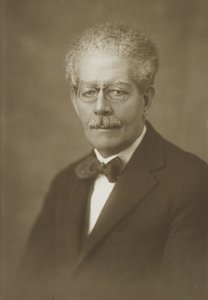
antônio francisco braga
1868 - 1945 , Brazil
Основные сведения
- Artistic Movement Or Style: Moderno
- Artists Or Movements Influenced By This Artist: ['Brazilian Nationalism']
- Artists Who Influenced This Artist:
- Luiz António de Moura
- Carlos de Mesquita
- Date Of Birth: Rio de Janeiro, Brazil (1868)
- Date Of Death: 1945
- Full Name: Antônio Francisco Braga
- Nationality: Brazilian
- Notable Artworks:
- O Eco da Pedra
- A Sereia do Rio
- A Intriga do Amor
- Place Of Birth: Rio de Janeiro
Похожие статьи

10 легендарных бронзовых скульптур, изменивших искусство навсегда | ArtsDot
Погрузитесь в мир великих бронзовых скульптур! От Давида Микеланджело до работ Родена – история искусства, техники и вдохновения. Купите репродукции шедевров для вашего интерьера на ArtsDot.com
The Enduring Legacy of Bronze: History, Technique & Artistic Expression for the Collector
Explore the rich history & enduring appeal of bronze sculpture with expert insights for collectors at ArtsDot. Learn about casting techniques, iconic artists, and collecting tips.

10 легендарных бронзовых шедевров, изменивших искусство | ArtsDot
Погрузитесь в мир великих бронзовых шедевров! От Давида Донателло до Мыслителя Родена – узнайте историю создания, технику и значение легендарных скульптур. Вдохновение для интерьера и музейное качество репродукций на ArtsDot.com.

The Enduring Legacy of Bronze: A Historical & Artistic Exploration for the Collector
Explore the rich history & enduring appeal of bronze sculpture with expert insights for collectors at ArtsDot. Learn about casting techniques, iconic artists, collecting tips & contemporary interpretations.

The Enduring Legacy of Bronze Sculpture: A Collector's Guide to Form & Cultural Significance
Explore the rich history & enduring appeal of bronze sculpture with expert insights for collectors at ArtsDot. Learn about casting techniques, iconic artists, and collecting tips to build a discerning art collection.