

 Предпросмотр
 Поделиться
 Поделиться
 Детали произведения

 Скачать
 Похожие работы
 Рентгенография
 Слайд-шоу
 Статистика
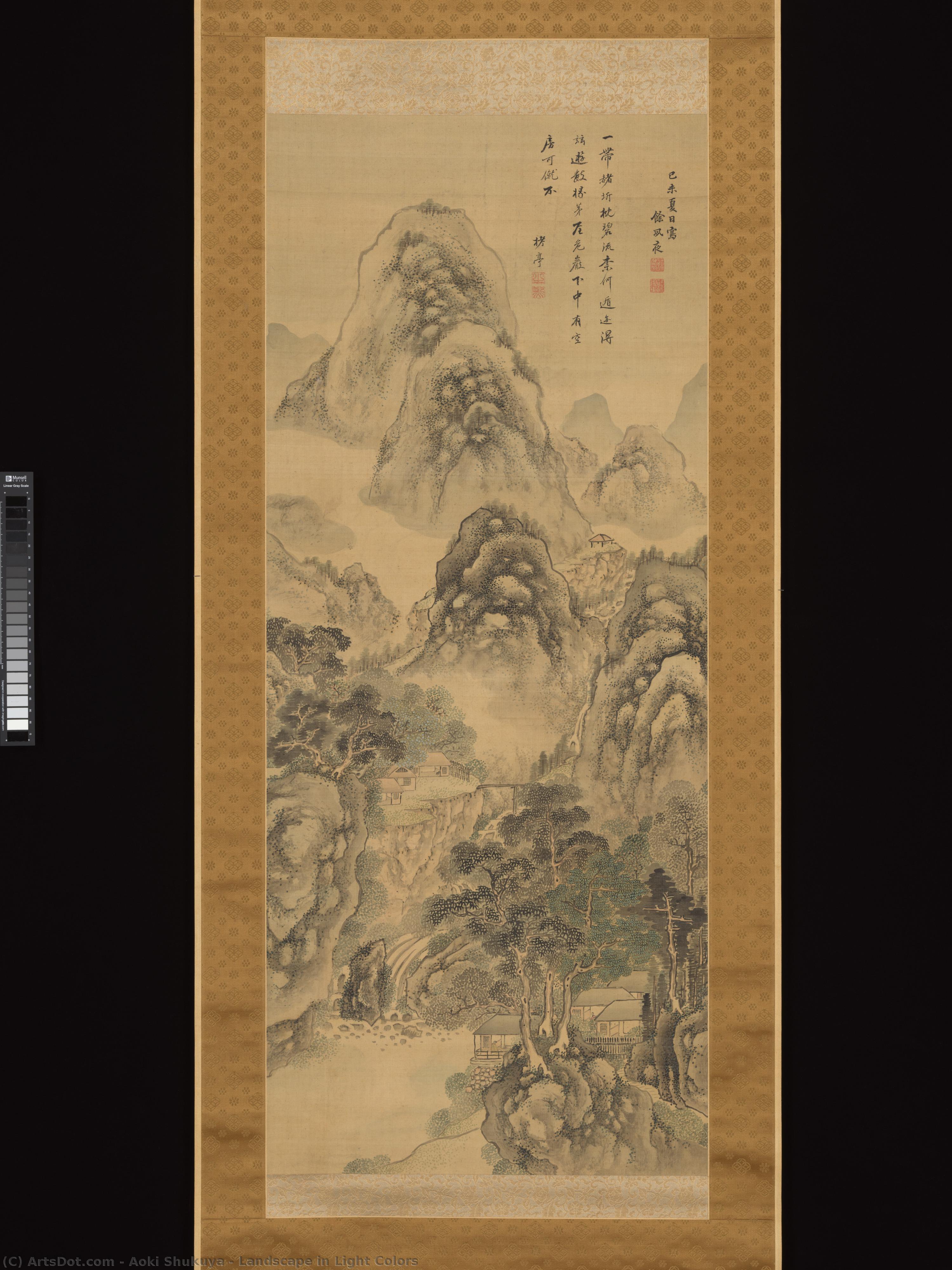
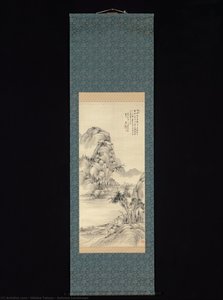
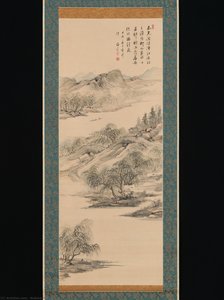
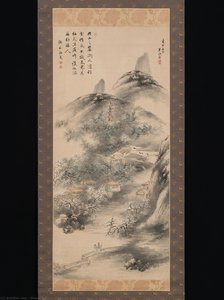
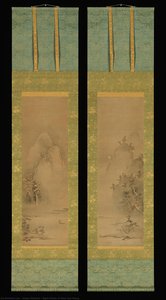
Landscape in Light Colors


 Читать далее
Приобретите цифровое изображение высокого разрешения в улучшенном качестве, которое значительно превосходит онлайн-превью.
Каждый файл тщательно подготавливается нашими специалистами с использованием передовых инструментов и экспертной ручной ретуши. Мы гарантируем исключительную четкость, точную цветопередачу и детальную проработку каждого изображения.
Финальный файл доставляется по электронной почте в течение 72 часов и оптимизирован для немедленного использования в профессиональной среде, при верстке и печати. Это тот же уровень качества, которому доверяют ведущие дизайнерские студии, издательства и галереи.
Цифровое изображение
Скачайте файл высокого разрешения для личного использования, печати и творческих проектов. ( Перейти к печати Купить картину ручной работы)
Включено в каждый заказ цифровых изображений
Гарантия экспертной цифровой доставки
Выбирая ArtsDot.com, вы получаете не просто изображение — вы приобретаете профессионально обработанное цифровое произведение искусства, созданное с безупречной точностью и под защитой гарантии качества. Вот всё, что автоматически входит в ваш заказ:

Мгновенная доставка по e-mail
Ваш цифровой файл в высоком разрешении будет отправлен вам по электронной почте в течение 72 часов после оформления заказа — и сразу станет доступен для использования.

Цифровой файл с ИИ-улучшением
Ваше произведение искусства проходит профессиональную оптимизацию с использованием передовых инструментов ИИ и ручной обработки, что гарантирует максимальную детализацию, четкость и точность цветопередачи.

Бессрочная бесплатная повторная доставка
Случайно удалили или потеряли файл? Не беспокойтесь — мы отправим его вам повторно в любое время и совершенно бесплатно.

Без импортных пошлин — навсегда
Наслаждайтесь вашим произведением искусства мгновенно без таможенных пошлин, сборов или затрат на доставку — цифровые загрузки всегда не облагаются налогом.

Гарантия точности цветопередачи
Мы гарантируем, что ваше цифровое изображение максимально точно передает оригинальные цвета благодаря использованию профессиональных инструментов и систем управления цветом.

Гарантия удовлетворенности 100 дней
Если вы не будете удовлетворены своим цифровым изображением, мы внесем правки или вернем 100% стоимости в течение 100 дней — без лишних вопросов.

100% Гарантия возврата средств
Не удовлетворены покупкой? Получите полный возврат средств в течение 100 дней после получения цифрового файла — без лишних вопросов.

Скидки на оптовые заказы
Купите 3 изображения, сэкономьте 10% — Купите 5, сэкономьте 15% — Купите 10+, сэкономьте 20%. Отличное решение для творческих проектов, галерей и агентств.
Похожие произведения

Биография художника
Aoki Shukuya: A Master of Tranquil Landscapes
Aoki Shukuya (青木夙夜), born in Japan around 1737, remains a relatively obscure figure within the broader canon of Edo-period art. Despite limited biographical details—primarily gleaned from records pertaining to his involvement with the Kyoto School of painting—his work embodies the core tenets of sōsaku-hanga, a movement that championed artistic expression as an end in itself rather than merely decorative imitation. This approach distinguishes him from many contemporary artists who prioritized meticulous adherence to established conventions.- Early Life and Training: Precise information regarding Shukuya’s formative years is scarce. However, he emerged from Kyoto, a hub of artistic innovation during the Edo period, suggesting exposure to influential mentors and traditions.
- Style and Technique: Shukuya's distinctive style is characterized by its understated elegance and profound sensitivity to nature. He favored ink wash painting (sumi-e) combined with subtle color applications—primarily muted greens and blues—to depict serene landscapes, often featuring mountains bathed in misty light.
- Influences: Shukuya’s artistic vision was undeniably shaped by the legacy of Ikeno Taiga (池田泰雅), a prominent landscape painter whose meticulous observation and expressive brushwork served as a model for younger artists. His paintings reflect a similar dedication to capturing the essence of natural beauty.
Notable Works: Reflections of Edo Ideals
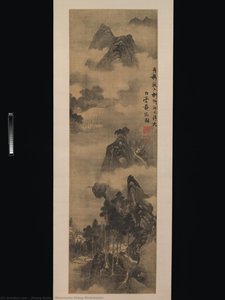
Shukuya’s oeuvre comprises several captivating pieces that exemplify the aesthetic sensibilities of his time. “Landscape in Light Colors” (1799), housed at The Metropolitan Museum of Art, stands as a testament to his mastery of sōsaku-hanga principles. This scroll painting depicts autumnal mountains shrouded in mist—a motif frequently explored by literati painters seeking solace and contemplation amidst the grandeur of nature. The poem inscribed by Murase Kōtei (村瀬栲亭) reinforces this thematic preoccupation with hermit solitude, mirroring a prevalent philosophical stance during the Edo era.- Symbolism: Shukuya’s compositions are imbued with symbolic resonance. Mountains represent stability and permanence—values deeply ingrained in Japanese culture—while mist symbolizes obscurity and transcendence. These elements converge to convey a sense of spiritual harmony.
- Compositional Considerations: Like Taiga, Shukuya employed asymmetrical arrangements and carefully positioned brushstrokes to create dynamic visual balances. This technique contributes to the overall impression of tranquility and invites viewers to immerse themselves in the depicted scene.
Connections to Other Artists
Aoki Shukuya’s artistic lineage extends beyond Ikeno Taiga, influencing subsequent generations of painters. His style resonates with that of Sakai Hōitsu (聖浩樹), another influential figure in the Kyoto School who similarly prioritized capturing fleeting moments of natural beauty. Furthermore, his work anticipates elements found in the paintings of Keisai Eisen (慶叟英賛) and Ike Taiga—artists who championed a similar aesthetic approach rooted in observation and expressive brushwork.Legacy and Significance
Though overshadowed by more flamboyant contemporaries, Aoki Shukuya’s contribution to Japanese art remains significant. His unwavering commitment to sōsaku-hanga principles—emphasizing artistic autonomy and conveying profound emotional depth—solidifies his place as a pivotal voice within the Edo landscape tradition. He exemplifies the pursuit of beauty not merely for its visual appeal but for its capacity to inspire contemplation and foster spiritual awareness—a legacy that continues to resonate with artists and art enthusiasts today.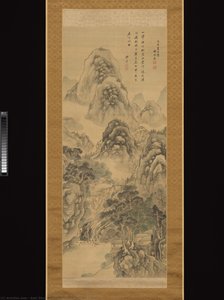
aoki shukuya
1737 - 1802 , Japan
Основные сведения
- Artistic Movement Or Style: Sōsaku-hanga
- Artists Or Movements Influenced By This Artist: ['ukiyo-e']
- Artists Who Influenced This Artist:
- ike taiga
- sakai hōitsu
- Date Of Death: 1802
- Full Name: aoki shukuya
- Nationality: Japanese
- Notable Artworks: ['Landscape in Light Colors']
- Place Of Birth: Japan