

 Предпросмотр
 Поделиться
 Поделиться
 Детали произведения

 Скачать
 Похожие работы
 Рентгенография
 Слайд-шоу
 Статистика
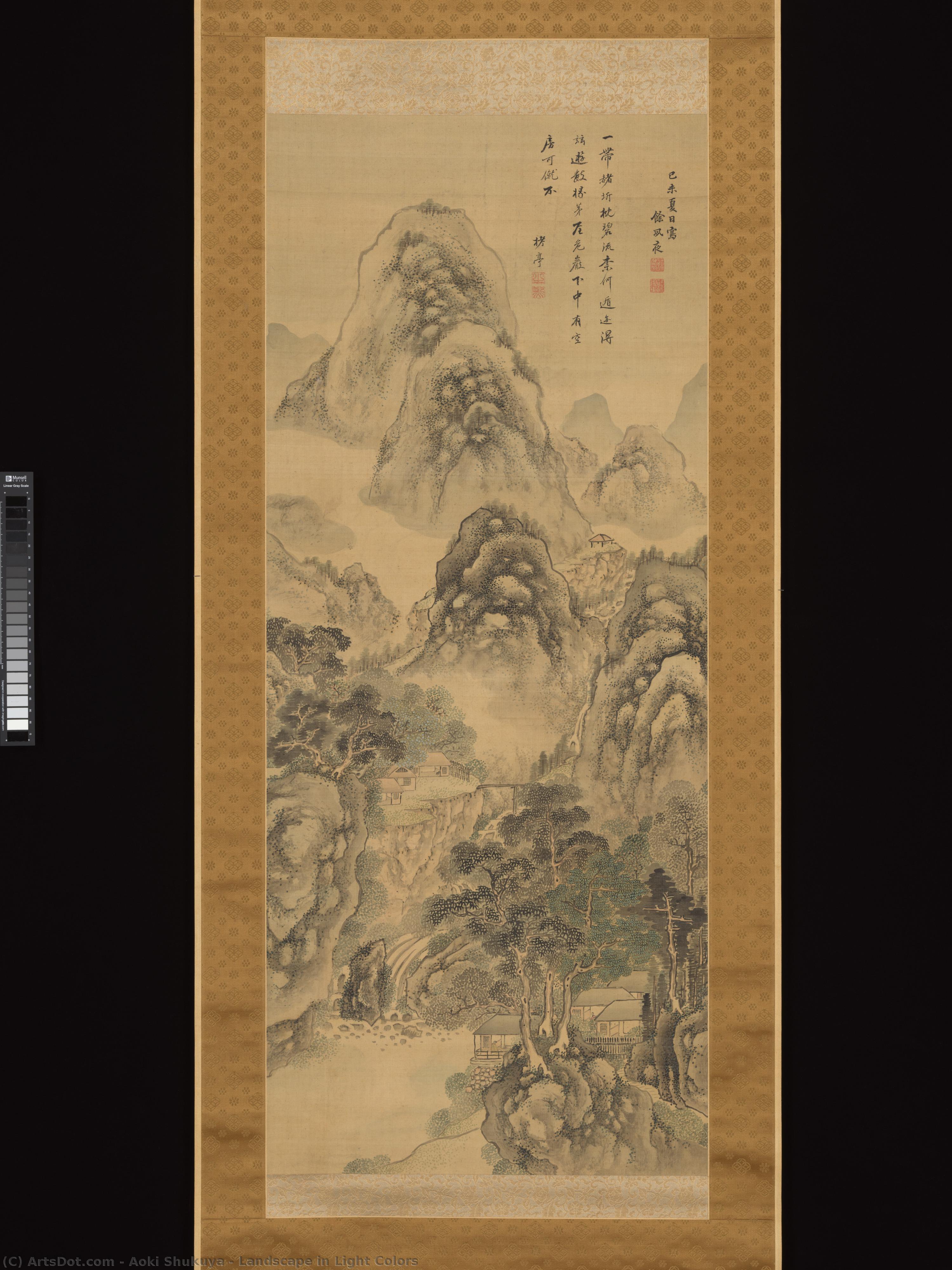
Landscape in Light Colors


 Читать далее
Жикле / Арт-принт
Печать (жикле) или холст музейного качества с быстрыми сроками изготовления и широким выбором вариантов отделки. ( Купить картину ручной работы Перейти к цифровым изображениям)




































Выберите один из наших стандартных размеров, соответствующих оригинальным пропорциям произведения искусства.

Вы можете указать свои собственные размеры, чтобы репродукция идеально подошла под конкретную раму или пространство. Если выбранный вами размер не будет соответствовать пропорциям оригинала, мы либо обрежем произведение, либо дополним изображение зеркальным отражением краев или однотонной заливкой. Перед началом производства вам будет отправлен цифровой макет для утверждения.
Пожалуйста, обратите внимание, что предварительный просмотр на экране не отображает фактическую обрезку или расширение изображения. Только макет точно покажет финальную композицию.
Несмотря на возможность заказа индивидуальных размеров, мы рекомендуем выбирать размер из предопределенного списка, чтобы сохранить оригинальные пропорции.
Доставка по всему миру () за 2 недели вместо стандартных 4/5 недель. (11 Сентябрь)

Бесплатная экспресс-доставка по всему миру

Высококачественный льняной холст

Полное страхование доставки

Гарантия возмещения таможенных пошлин

Гарантия точного соответствия цветов

100-дневная политика возврата (только при обнаружении дефектов)

Гарантия возврата 100% средств

Предложение оптовых скидок
 Вариант со стеклом доступен только для размеров менее 110 см

Landscape in Light Colors
Жикле / Арт-принт
Размер репродукции
-


Итоговая стоимость
$ 62
Похожие произведения

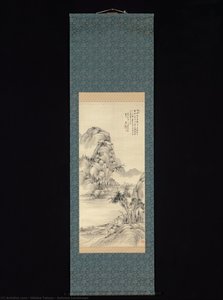
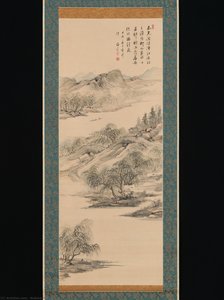
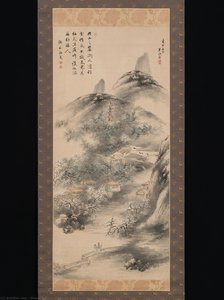
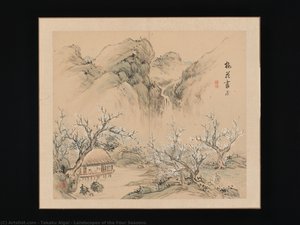
Биография художника
Aoki Shukuya: A Master of Tranquil Landscapes
Aoki Shukuya (青木夙夜), born in Japan around 1737, remains a relatively obscure figure within the broader canon of Edo-period art. Despite limited biographical details—primarily gleaned from records pertaining to his involvement with the Kyoto School of painting—his work embodies the core tenets of sōsaku-hanga, a movement that championed artistic expression as an end in itself rather than merely decorative imitation. This approach distinguishes him from many contemporary artists who prioritized meticulous adherence to established conventions.- Early Life and Training: Precise information regarding Shukuya’s formative years is scarce. However, he emerged from Kyoto, a hub of artistic innovation during the Edo period, suggesting exposure to influential mentors and traditions.
- Style and Technique: Shukuya's distinctive style is characterized by its understated elegance and profound sensitivity to nature. He favored ink wash painting (sumi-e) combined with subtle color applications—primarily muted greens and blues—to depict serene landscapes, often featuring mountains bathed in misty light.
- Influences: Shukuya’s artistic vision was undeniably shaped by the legacy of Ikeno Taiga (池田泰雅), a prominent landscape painter whose meticulous observation and expressive brushwork served as a model for younger artists. His paintings reflect a similar dedication to capturing the essence of natural beauty.
Notable Works: Reflections of Edo Ideals
Shukuya’s oeuvre comprises several captivating pieces that exemplify the aesthetic sensibilities of his time. “Landscape in Light Colors” (1799), housed at The Metropolitan Museum of Art, stands as a testament to his mastery of sōsaku-hanga principles. This scroll painting depicts autumnal mountains shrouded in mist—a motif frequently explored by literati painters seeking solace and contemplation amidst the grandeur of nature. The poem inscribed by Murase Kōtei (村瀬栲亭) reinforces this thematic preoccupation with hermit solitude, mirroring a prevalent philosophical stance during the Edo era.- Symbolism: Shukuya’s compositions are imbued with symbolic resonance. Mountains represent stability and permanence—values deeply ingrained in Japanese culture—while mist symbolizes obscurity and transcendence. These elements converge to convey a sense of spiritual harmony.
- Compositional Considerations: Like Taiga, Shukuya employed asymmetrical arrangements and carefully positioned brushstrokes to create dynamic visual balances. This technique contributes to the overall impression of tranquility and invites viewers to immerse themselves in the depicted scene.
Connections to Other Artists
Aoki Shukuya’s artistic lineage extends beyond Ikeno Taiga, influencing subsequent generations of painters. His style resonates with that of Sakai Hōitsu (聖浩樹), another influential figure in the Kyoto School who similarly prioritized capturing fleeting moments of natural beauty. Furthermore, his work anticipates elements found in the paintings of Keisai Eisen (慶叟英賛) and Ike Taiga—artists who championed a similar aesthetic approach rooted in observation and expressive brushwork.Legacy and Significance
Though overshadowed by more flamboyant contemporaries, Aoki Shukuya’s contribution to Japanese art remains significant. His unwavering commitment to sōsaku-hanga principles—emphasizing artistic autonomy and conveying profound emotional depth—solidifies his place as a pivotal voice within the Edo landscape tradition. He exemplifies the pursuit of beauty not merely for its visual appeal but for its capacity to inspire contemplation and foster spiritual awareness—a legacy that continues to resonate with artists and art enthusiasts today.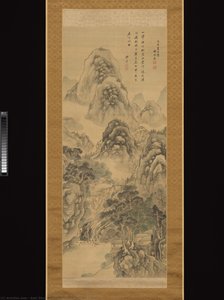
aoki shukuya
1737 - 1802 , Japan
Основные сведения
- Artistic Movement Or Style: Sōsaku-hanga
- Artists Or Movements Influenced By This Artist: ['ukiyo-e']
- Artists Who Influenced This Artist:
- ike taiga
- sakai hōitsu
- Date Of Death: 1802
- Full Name: aoki shukuya
- Nationality: Japanese
- Notable Artworks: ['Landscape in Light Colors']
- Place Of Birth: Japan
Похожие статьи

Evocations of Place: A Historical Journey Through Landscape Art
Explore the rich history of landscape art with ArtsDot. Discover renowned artists, movements like Impressionism & Romanticism, and expert guidance for collecting timeless pieces. Find your perfect serene escape today!
Serenity on Canvas: A Guide to the Timeless Beauty of Japanese Landscape Painting
Discover the serene beauty of Japanese landscape painting. From Hokusai's iconic woodblock prints to meditative sumi-e ink washes, explore a visual journey through the 'floating world' and learn how to bring this timeless Zen aesthetic into your modern home decor.

Джон Констебль: 25 шедевров английского пейзажа для вашего интерьера
Погрузитесь в мир английского пейзажа с Джоном Констеблом! 25 шедевров романтизма, история создания картин и вдохновение для вашего интерьера. Репродукции высокого качества на ArtsDot.com – искусство для ценителей.

Романтический пейзаж: 10 шедевров, изменивших искусство | ArtsDot.com
Погрузитесь в мир романтического пейзажа! 10 шедевров Фридриха, Тёрнера и других гениев. Узнайте историю создания культовых картин и вдохновитесь для декора интерьера. Репродукции высокого качества на ArtsDot.com.

Топ-25 шедевров Кацусики Хокусая: Искусство Японии для вашего интерьера
Погрузитесь в мир гения Кацусики Хокусая! 25 легендарных гравюр укиё-э, включая "Великую волну". История искусства Японии и вдохновение для вашего интерьера. Репродукции высокого качества на ArtsDot.com.