

 Предпросмотр
 Поделиться
 Поделиться
 Детали произведения

 Скачать
 Похожие работы
 Рентгенография
 Слайд-шоу
 Статистика
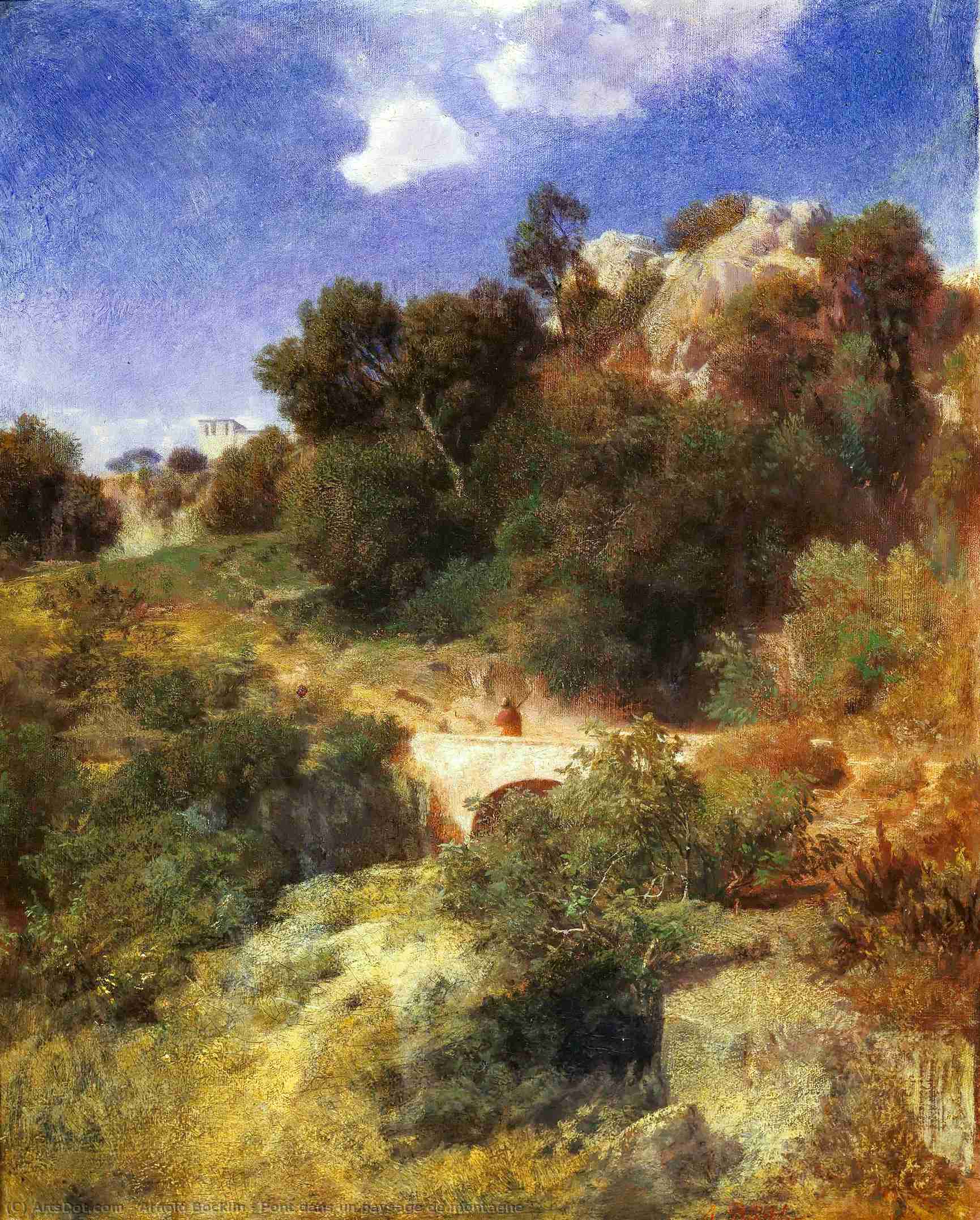
Pont dans un paysage de montagne


 Читать далее
Жикле / Арт-принт
Печать (жикле) или холст музейного качества с быстрыми сроками изготовления и широким выбором вариантов отделки. ( Купить картину ручной работы Перейти к цифровым изображениям)




P118B $10

P118H $10

P118W $10

P438Z $10

P508JH $12

P508YH $12

P805H $10

P805Z $10

P919BZ $10

P919G $10

P919XJ $10

P959ZH $10

P968JZ $12

W106C $8

W218G $10

W218JH $8

W218Y $10

W307PJ $10

W316G $10

W316PJ $8

W316Y $10

W398PJ $8

W4111J $10

W500HY $15

W500JH $15

W692G $12

W849H $8

W940BG $15

W953PJ $8




Выберите один из наших стандартных размеров, соответствующих оригинальным пропорциям произведения искусства.

Вы можете указать свои собственные размеры, чтобы репродукция идеально подошла под конкретную раму или пространство. Если выбранный вами размер не будет соответствовать пропорциям оригинала, мы либо обрежем произведение, либо дополним изображение зеркальным отражением краев или однотонной заливкой. Перед началом производства вам будет отправлен цифровой макет для утверждения.
Пожалуйста, обратите внимание, что предварительный просмотр на экране не отображает фактическую обрезку или расширение изображения. Только макет точно покажет финальную композицию.
Несмотря на возможность заказа индивидуальных размеров, мы рекомендуем выбирать размер из предопределенного списка, чтобы сохранить оригинальные пропорции.
Доставка по всему миру () за 2 недели вместо стандартных 4/5 недель. (11 Сентябрь)

Бесплатная экспресс-доставка по всему миру

Высококачественный льняной холст

Полное страхование доставки

Гарантия возмещения таможенных пошлин

Гарантия точного соответствия цветов

100-дневная политика возврата (только при обнаружении дефектов)

Гарантия возврата 100% средств

Предложение оптовых скидок
 Вариант со стеклом доступен только для размеров менее 110 см

Pont dans un paysage de montagne
Жикле / Арт-принт
Размер репродукции
-


Итоговая стоимость
$ 62
A Journey Through Symbolism: Exploring Böcklin's Mountain Landscape
Arnold Böcklin’s Pont dans un paysage de montagne is not merely a depiction of stone and foliage; it is an invitation—a sublime passage into a realm where the tangible world dissolves into myth and profound contemplation. This masterpiece, steeped in the evocative atmosphere of Symbolism, immediately draws the viewer across its painted threshold. One gazes upon a bridge, elegantly spanning a valley carved by time, set against a backdrop of monumental, slumbering mountains. The air itself seems thick with unspoken narratives, beckoning us to slow our pace and simply absorb the breathtaking grandeur that Böcklin so masterfully captured on canvas.
The Composition: Nature's Grand Narrative
Observe how the composition guides the eye in a deliberate, almost ritualistic manner. The bridge acts as the primary visual anchor, a perfect point of transition leading the gaze deep into the heart of the scene. Flanking this passage is a forest, rendered with such lush vitality that the trees appear to reach upward, aspiring toward an unseen celestial canopy. In the distance, the majestic peaks rise—silent witnesses to ages untold, lending the entire vista an overwhelming sense of depth and timeless scale. Scattered throughout this verdant expanse are human figures; they are not merely placed within the landscape but seem integral to its very rhythm, suggesting journeys undertaken or perhaps moments paused in deep reflection.
Symbolism Woven into the Brushstrokes
To view this painting without considering its symbolic weight would be to miss half of Böcklin’s genius. The bridge itself is a potent symbol—a connection between disparate states of being, perhaps linking the known world to the subconscious, or life to eternity. The towering mountains embody the mysteries and formidable challenges inherent in the human condition, while the surrounding forest whispers promises of growth and cyclical renewal. Even the two distant birds, caught mid-flight against the azure sky, inject a fleeting note of pure, untamed freedom into this otherwise deeply contemplative tableau.
A Touch of Böcklin's Mystical Artistry
As a key figure in Symbolism, Böcklin specialized in blurring the lines between mythology and reality. His work often carries an air of dream logic, echoing themes of allegory and the sublime power of nature over human endeavor. When considering a reproduction of this piece for your home or studio, you are acquiring more than just decoration; you are curating an atmosphere. It is a piece that demands quiet contemplation, transforming any space it graces into a sanctuary—a place where one can pause amidst the clamor of modern life and reconnect with the enduring, picturesque beauty found at the edge of myth.
Похожие произведения




Биография художника
Arnold Böcklin (1827–1901)
Arnold Böcklin, a Swiss Symbolist painter, was born on October 16, 1827, in Basel, Switzerland. His father, Christian Frederick Böcklin, descended from an old family of Schaffhausen and engaged in the silk trade. Ursula Lippe, Arnold’s mother, was a native of the same city. He studied at Düsseldorf Academy under Schirmer, becoming a friend of Anselm Feuerbach. Böcklin is associated with the Düsseldorf school of painting.Early Life and Training
Arnold Böcklin's artistic journey began early in Basel where he received his initial training from Ludwig Adam Kelterborn. Recognizing his exceptional talent, Schirmer encouraged him to pursue studies at Düsseldorf Academy, fostering a connection with Feuerbach that would profoundly influence his worldview. This formative period instilled in him an appreciation for classical art and landscape painting—particularly the brooding grandeur of Caspar David Friedrich—which would permeate his subsequent works. Böcklin’s fascination with German Romanticism served as a cornerstone for his artistic development.Artistic Career and Symbolism
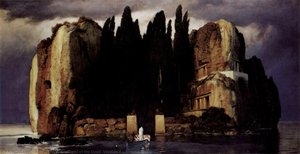
Böcklin's career unfolded across Europe, encompassing Paris, Antwerp, and Rome, where he absorbed the stylistic innovations of the Impressionists and Renaissance masters alike. He established himself as professor at Weimar Art School, honing his skills and experimenting with new techniques. Böcklin’s distinctive style—characterized by dreamlike landscapes infused with mythological imagery—became synonymous with Symbolism. His magnum opus, *The Isle of the Dead* (1880–1886), captivated audiences and inspired composers like Rachmaninoff, cementing his place as a pivotal figure in late Romantic art. Böcklin’s exploration of mortality and subconsciousness resonated deeply with artists of his time and continues to inspire contemplation today.Notable Works
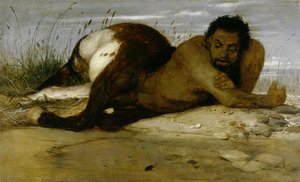
Böcklin's oeuvre is marked by iconic paintings such as *Nymph and Satyr* (1858), *Sappho* (1859), *Self-Portrait with Death Playing the Violin* (1872), and of course, *The Isle of the Dead*, which exists in five versions. These works exemplify Böcklin’s masterful command of composition and color—often employing muted palettes to evoke a sense of melancholy and mystery. His meticulous attention to detail captured the ethereal beauty of nature and conveyed profound psychological themes.Legacy and Influence
Böcklin's influence extended beyond his immediate contemporaries, shaping the artistic sensibilities of subsequent generations. Clement Greenberg hailed Böcklin’s work as “one of the most consummate expressions” of its time, recognizing its pioneering role in bridging Romanticism and Symbolism. His distinctive vision anticipated the surrealist aesthetic of the 20th century, demonstrating an uncanny ability to tap into universal anxieties about death and existence. Böcklin's enduring legacy resides not only in his artistic achievements but also in his contribution to the intellectual discourse surrounding art and symbolism—a testament to his profound understanding of human psychology and the power of imagery. ## Museums and Collections Böcklin’s artworks are housed in prestigious institutions worldwide, including Öffentliche Kunstsammlung Basel (Basel, Switzerland), Kunstmuseum Basel (Switzerland), and Museum Kunsthaus Zürich (Zürich, Switzerland). Visiting these museums offers a valuable opportunity to immerse oneself in the artist's artistic universe and appreciate the enduring fascination with his haunting landscapes and symbolic narratives.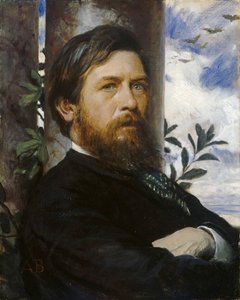
Арнольд Бёклин
1827 - 1901 , Швейцария
Основные сведения
- Artistic Movement Or Style: Символизм
- Artists Or Movements Influenced By This Artist:
- Ганс Фома
- Прерафаэлиты
- Artists Who Influenced This Artist:
- Ширмер
- Фейербах
- Date Of Birth: 16 октября 1827 г.
- Date Of Death: 16 января 1901 г.
- Full Name: Арнольд Бёклин
- Nationality: Швейцарский
- Notable Artworks:
- Остров мёртвых
- Нимфа и сатир
- Сапфо
- Портрет самого себя
- Place Of Birth: Базель, Швейцария
Похожие статьи

Романтический пейзаж: 10 шедевров, изменивших искусство | ArtsDot.com
Погрузитесь в мир романтического пейзажа! 10 шедевров Фридриха, Тёрнера и других гениев. Узнайте историю создания культовых картин и вдохновитесь для декора интерьера. Репродукции высокого качества на ArtsDot.com.

Romantic Realism's Finest: 10 Masterpieces for Your Home | ArtsDot
Explore 10 defining masterpieces of Romantic Realism! Discover Courbet, Millet & Daumier's powerful paintings—capturing emotion and social realities. Find museum-quality reproductions for your home at ArtsDot.com.

Giclée Prints: Archival Quality & Aesthetic Nuances for the Discerning Collector
Explore the world of giclée prints with ArtsDot. Learn about archival quality, aesthetic nuances & investment potential. Expert guidance for discerning art collectors seeking museum-quality reproductions and lasting value.
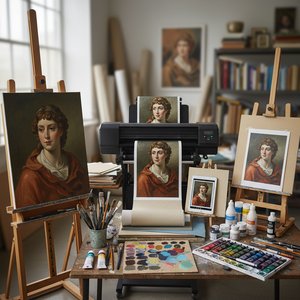
Репродукции картин: руководство по выбору материалов и техникам создания
Закажите высококачественные репродукции картин маслом на холсте от ! Ручная работа, точное соответствие оригиналу, быстрая доставка по всему миру. Создайте свой уникальный интерьер с шедеврами искусства.

Echoes of Time: Exploring the Enduring Appeal & Historical Context of Vintage Art Prints
Explore the captivating world of vintage art prints! Discover their history, collecting tips & enduring appeal. Expert insights on chromolithography and building a legacy collection with ArtsDot.