 Предпросмотр
 Поделиться
 Поделиться
 Детали произведения

 Скачать
 Похожие работы
 Рентгенография
 Слайд-шоу
 Статистика
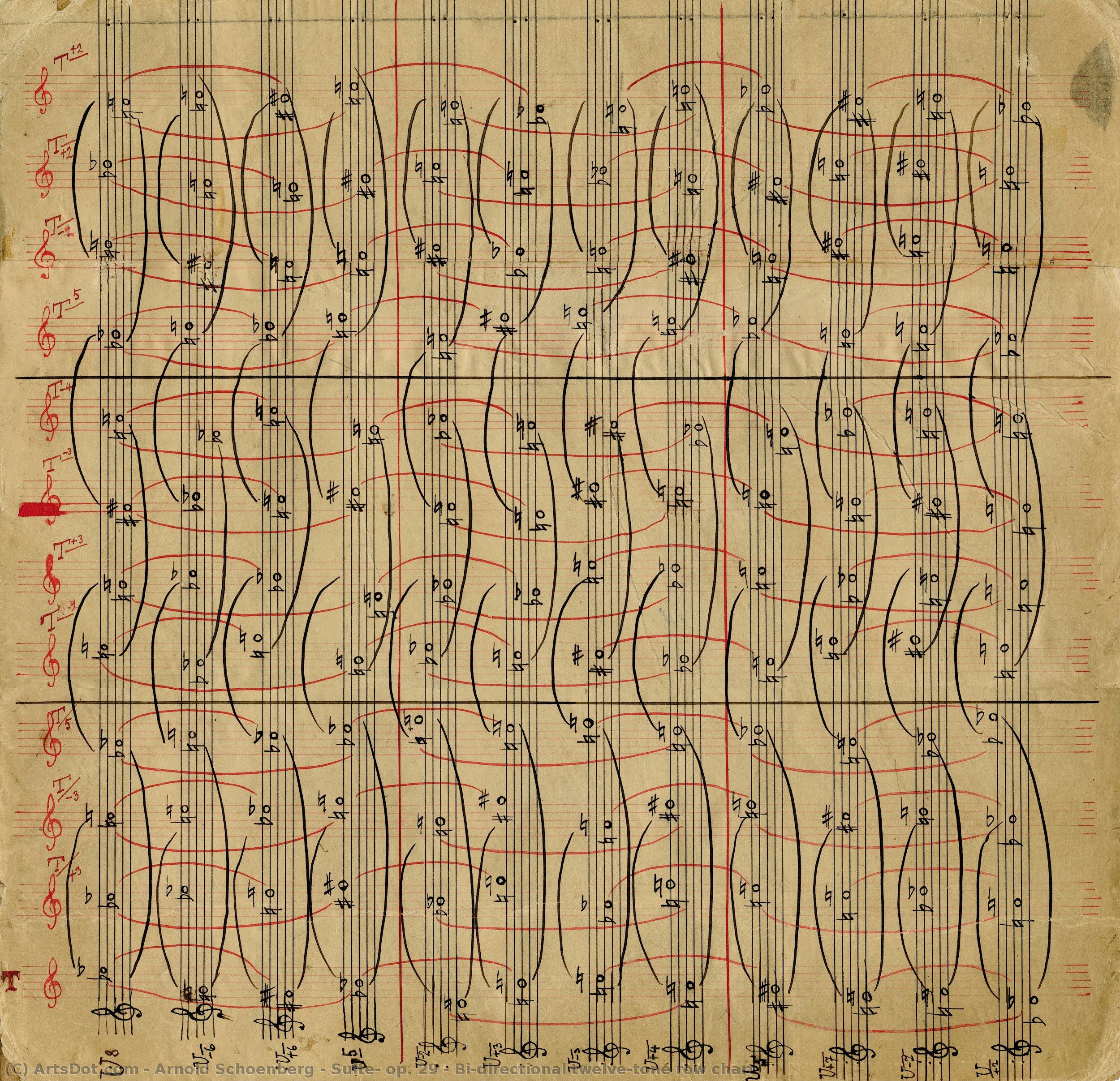
Suite, op. 29 - Bi-directional twelve-tone row chart
 Acrylic On Canvas
- WallArt
- Modernism
 1924
1924 33.0 x 32.0 cm
 Arnold Schönberg Center
 Читать далее
Масляная репродукция ручной работы
Картина маслом на холсте в выбранном вами размере и раме, написанная на заказ нашими художниками. ( Перейти к печати Перейти к цифровым изображениям)




P118B $10

P118H $10

P118W $10

P438Z $10

P508JH $12

P508YH $12

P805H $10

P805Z $10

P919BZ $10

P919G $10

P919XJ $10

P959ZH $10

P968JZ $12

W106C $8

W218G $10

W218JH $8

W218Y $10

W307PJ $10

W316G $10

W316PJ $8

W316Y $10

W398PJ $8

W4111J $10

W500HY $15

W500JH $15

W692G $12

W849H $8

W940BG $15

W953PJ $8




Выберите один из наших стандартных размеров, соответствующих оригинальным пропорциям произведения искусства.

Вы можете указать собственные размеры, чтобы картина идеально вписалась в выбранную раму или пространство. Если выбранный вами размер не соответствует пропорциям оригинала, мы либо обрежем полотно, либо расширим его за счет дополнительных элементов, написанных вручную. Цифровой макет будет отправлен вам на утверждение перед началом производства.
Обратите внимание, что предварительный просмотр на экране не отражает фактическую обрезку или расширение. Только макет точно покажет окончательную композицию.
Хотя доступны индивидуальные размеры, мы рекомендуем выбирать вариант из предопределенного списка, чтобы сохранить исходные пропорции.
После оформления заказа команда ArtsDot.com свяжется с клиентом по электронной почте для уточнения деталей и предоставит предварительный макет
Доставка по всему миру () за 3–4 недели вместо стандартных 5 недель. (12 Сентябрь). Без компромиссов в качестве.

Бесплатная экспресс-доставка по всему миру

Высококачественный льняной холст

Полное страхование доставки

Гарантия возмещения таможенных пошлин

Гарантия точного соответствия цветов

100-дневная политика возврата (только при обнаружении дефектов)

Гарантия возврата 100% средств

Предложение оптовых скидок
 Вариант со стеклом доступен только для размеров менее 110 см

Suite, op. 29 - Bi-directional twelve-tone row chart
Техника репродукции
Размер репродукции
-


Итоговая стоимость
$ 263
A Symphony in Black and Red: Decoding Schoenberg’s “Suite, op. 29”
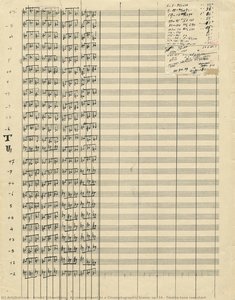
Arnold Schönberg's "Suite, op. 29 – Bi-directional twelve-tone row chart" isn’t merely a musical score; it’s a visual manifestation of radical innovation, a testament to the composer’s relentless pursuit of sonic and artistic boundaries. Created in 1924, during a period of intense experimentation within his own compositional methods—specifically, his “Method of composing with twelve tones which are related only with one another”—this work represents a pivotal moment in 20th-century music history. It’s a piece that demands both intellectual engagement and emotional resonance, inviting the viewer to decipher its intricate structure and appreciate the profound shift it embodies away from traditional tonal harmony.
The chart itself is deceptively simple in its execution. A stark black and white photograph reveals a sheet of paper, almost square in shape, overlaid with a dense network of horizontal and vertical lines. These aren’t the familiar contours of musical notation; instead, they represent twelve tones arranged in a meticulously crafted row – the foundation upon which Schönberg built his groundbreaking serialist compositions. The red line that snakes through the center is particularly striking, marking the “T” (theme/subject) row, the core element from which all subsequent variations and transformations emerge. The act of turning the page 90 degrees clockwise immediately reveals a fascinating visual paradox: the notes are reversed, creating a retrograde effect – reading them backward unveils a mirrored image of the original sequence.
The Language of Twelve Tones
Schönberg’s twelve-tone technique wasn't simply about arranging notes in a random order. It was a deliberate attempt to dismantle the established hierarchy of musical keys and chords, replacing it with a system governed by mathematical precision. The “Method” sought to eliminate all tonal preference, ensuring that no single note or interval dominated the composition. This radical approach, initially met with resistance, ultimately paved the way for atonality and serialism – techniques that profoundly influenced generations of composers.
The visual representation of this method is remarkably effective. The horizontal and vertical lines create a sense of ordered chaos, mirroring the complex relationships within the twelve-tone row. The black and red slurs, dividing the row into groups of three or four notes, further emphasize the structured yet unpredictable nature of Schönberg’s system. These groupings aren't arbitrary; they are carefully designed to explore specific harmonic possibilities and create a sense of rhythmic and melodic tension.
A Visual Dialogue with Music
Schönberg wasn’t simply translating musical ideas into a visual format; he was engaging in a dialogue between two distinct artistic disciplines. As an artist himself, Schönberg sought to bridge the gap between music and painting, exploring ways to represent abstract concepts visually. The "Suite, op. 29" exemplifies this ambition, demonstrating how a complex musical structure can be rendered in a clear, comprehensible visual form.
The choice of materials – ink on paper – is also significant. Ink, with its inherent fluidity and ability to create subtle gradations of tone, perfectly captures the nuanced relationships within the twelve-tone row. The stark contrast between black and red further enhances the visual impact, drawing attention to key elements and creating a sense of dynamism.
Collecting a Legacy: Reproductions and Inspiration
Today, "Suite, op. 29 – Bi-directional twelve-tone row chart" stands as a powerful symbol of musical innovation and artistic experimentation. High-quality reproductions offer a unique opportunity to experience this groundbreaking work firsthand, allowing art lovers, collectors, and interior designers alike to appreciate its beauty and complexity. The piece’s geometric precision and bold color palette make it an ideal addition to modern spaces, while its historical significance provides a fascinating conversation starter.
Consider commissioning a hand-painted reproduction – a faithful recreation of Schönberg's original chart, meticulously crafted by skilled artisans. This ensures that you own not just a beautiful artwork but also a tangible connection to one of the 20th century’s most influential composers. It’s an investment in art history and a celebration of the enduring power of musical innovation.
Похожие произведения

Биография художника
ранние годы и музыкальные истоки
Арнольд Шёнберг, австро-американский композитор, родился 13 сентября 1874 года в Вене, Австрия. Его ранние годы были отмечены скромным происхождением: его отец был владельцем обувного магазина. Несмотря на это, врожденная страсть Шёнберга к музыке побудила его во многом самостоятельно освоить эту сложную область искусства.музыкальная эволюция и выдающиеся произведения
Ранние работы Шёнберга, такие как «Verklärte Nacht» (Преображенная ночь, 1899), демонстрировали синтез традиций Брамса и Вагнера. По мере своего творческого развития он стал центральной фигурой Второй венской школы наряду с Антоном Веберном и Альбаном Бергом. Его композиции, включая Струнный квартет № 2 (1907–1908), «Erwartung» (Ожидание, 1909) и «Pierrot Lunaire» (Лунный Пьеро, 1912), стали воплощением его новаторского подхода к атональности.преподавание, эмиграция и поздние годы
В 1933 году Шёнберг был вынужден покинуть Прусскую академию искусств из-за прихода нацистов к власти, которые заклеймили его музыку как «дегенеративную». Впоследствии он преподавал в США, в том числе в Калифорнийском университете в Лос-Анджелесе (1936–1944), чьи учебные корпуса названы в его честь. [https://ArtsDot.com/@/arnold-schoenberg](узнайте больше о жизни и творчестве Шёнберга на ArtsDot).- Шёнберг исследовал возможности киномузыки и писал более тональную музыку, завершив свою Камерную симфонию № 2 в 1939 году.
- Он сатирически изобразил фашистских тиранов в «Оде Наполеону» (1942), вдохновленной Байроном.
- Послевоенная Вена предложила ему почетное гражданство, но в этот период он был болен, что нашло отражение в его Струнном трио (1946).
наследие и влияние
Когда мир узнал о трагедии Холокоста, Шёнберг увековечил память его жертв в произведении «Выживший из Варшавы» (1947). В 1951 году Израильская консерватория и академия музыки избрала его почетным президентом. [https://ArtsDot.com/@@/a@d3bqc7-the-museum-destroyed-by-fire-(united-states)](узнайте больше о влиянии его творчества на ArtsDot). Ключевые моменты:- Инновационная музыка Шёнберга была одной из самых влиятельных и дискуссионных в классической музыке XX века.
- Как минимум три поколения композиторов развивали её строгие формальные принципы.
- Его эстетические и музыковедческие взгляды оказали глубокое влияние на таких теоретиков, как Теодор В. Адорно и Карл Далхаус.
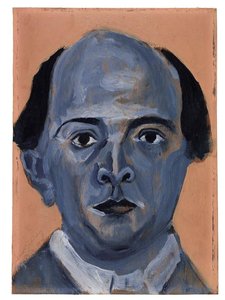
Арнольд Шёнберг
1874 - 1951 , Австрия
Основные сведения
- Artistic Movement Or Style: Двенадцатитоновая техника; Экспрессионизм
- Artists Or Movements Influenced By This Artist:
- Антон Веберн
- Альбан Берг
- Artists Who Influenced This Artist:
- Иоганнес Брамс
- Рихард Вагнер
- Date Of Birth: 13 сентября 1874 г.
- Date Of Death: 1951
- Full Name: Арнольд Шёнберг
- Nationality: Австро-американский
- Notable Artworks:
- Сюита, op. 29
- Музыкальная пишущая машинка
- Staffliner
- Place Of Birth: Вена, Австрия
Похожие статьи

Геометрическая абстракция: 10 шедевров, изменивших искусство | ArtsDot.com
Погрузитесь в мир геометрической абстракции! От Кандинского до Малевича – 10 шедевров, изменивших искусство. Узнайте историю создания и значение культовых картин. Репродукции музейного качества на ArtsDot.com. Вдохновение для вашего интерьера!
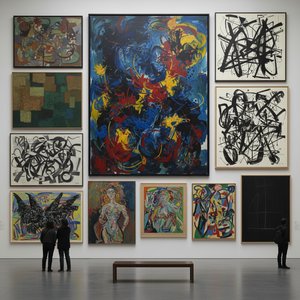
Топ-10 шедевров абстрактного экспрессионизма: искусство для вашего интерьера от ArtsDot.com
Погрузитесь в мир абстрактного экспрессионизма! Откройте для себя 10 шедевров Поллока, Ротко и других гениев. История искусства, техники живописи и вдохновение для вашего интерьера от ArtsDot.com. Explore the full collection online!
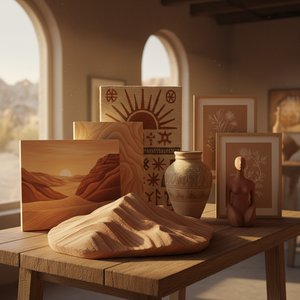
Топ-10 шедевров в песочных тонах: искусство, вдохновляющее интерьер
Погрузитесь в мир искусства с нашей коллекцией из 10 шедевров в песочных тонах! Узнайте истории Моне, Ван Гога и других великих художников. Репродукции картин для вдохновения интерьера – на ArtsDot.com
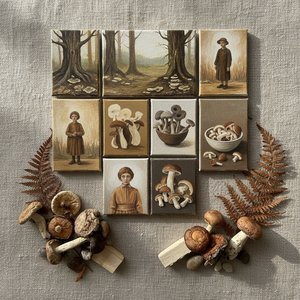
Топ-10 знаменитых картин в "грибных" тонах: искусство для вашего интерьера
Погрузитесь в мир искусства с нашей коллекцией из 10 знаменитых картин в "грибных" тонах! Узнайте истории Моне, Ван Гога и других великих мастеров. Репродукции высокого качества для вашего интерьера на ArtsDot.com.

Топ-25 шедевров Василия Кандинского: Абстрактное искусство для вашего интерьера
Погрузитесь в мир абстрактного искусства с Василием Кандинским! 25 шедевров экспрессионизма, баухауса и русского авангарда. Репродукции картин Кандинского для вдохновения и декора вашего интерьера. Откройте всю коллекцию на ArtsDot.com