

 Предпросмотр
 Поделиться
 Поделиться
 Детали произведения

 Скачать
 Похожие работы
 Рентгенография
 Слайд-шоу
 Статистика
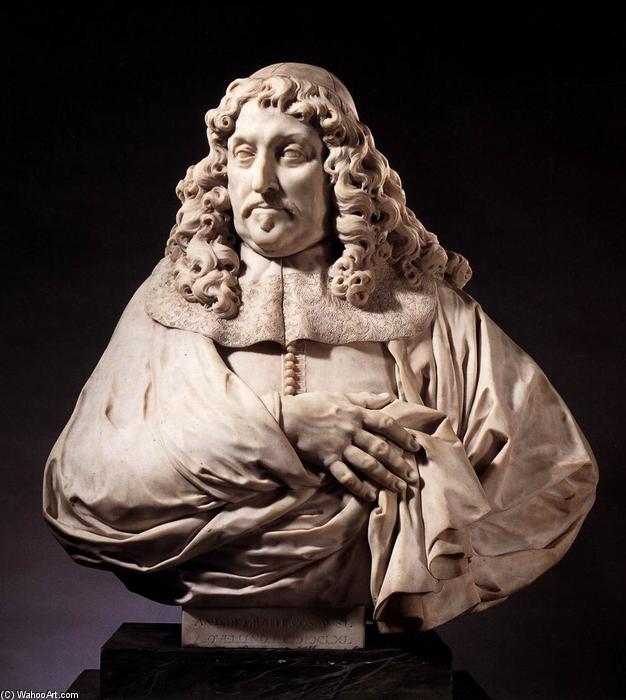
Andries de Graeff


 Читать далее
Приобретите цифровое изображение высокого разрешения в улучшенном качестве, которое значительно превосходит онлайн-превью.
Каждый файл тщательно подготавливается нашими специалистами с использованием передовых инструментов и экспертной ручной ретуши. Мы гарантируем исключительную четкость, точную цветопередачу и детальную проработку каждого изображения.
Финальный файл доставляется по электронной почте в течение 72 часов и оптимизирован для немедленного использования в профессиональной среде, при верстке и печати. Это тот же уровень качества, которому доверяют ведущие дизайнерские студии, издательства и галереи.
Цифровое изображение
Скачайте файл высокого разрешения для личного использования, печати и творческих проектов. ( Перейти к печати Купить картину ручной работы)
Включено в каждый заказ цифровых изображений
Гарантия экспертной цифровой доставки
Выбирая ArtsDot.com, вы получаете не просто изображение — вы приобретаете профессионально обработанное цифровое произведение искусства, созданное с безупречной точностью и под защитой гарантии качества. Вот всё, что автоматически входит в ваш заказ:

Мгновенная доставка по e-mail
Ваш цифровой файл в высоком разрешении будет отправлен вам по электронной почте в течение 72 часов после оформления заказа — и сразу станет доступен для использования.

Цифровой файл с ИИ-улучшением
Ваше произведение искусства проходит профессиональную оптимизацию с использованием передовых инструментов ИИ и ручной обработки, что гарантирует максимальную детализацию, четкость и точность цветопередачи.

Бессрочная бесплатная повторная доставка
Случайно удалили или потеряли файл? Не беспокойтесь — мы отправим его вам повторно в любое время и совершенно бесплатно.

Без импортных пошлин — навсегда
Наслаждайтесь вашим произведением искусства мгновенно без таможенных пошлин, сборов или затрат на доставку — цифровые загрузки всегда не облагаются налогом.

Гарантия точности цветопередачи
Мы гарантируем, что ваше цифровое изображение максимально точно передает оригинальные цвета благодаря использованию профессиональных инструментов и систем управления цветом.

Гарантия удовлетворенности 100 дней
Если вы не будете удовлетворены своим цифровым изображением, мы внесем правки или вернем 100% стоимости в течение 100 дней — без лишних вопросов.

100% Гарантия возврата средств
Не удовлетворены покупкой? Получите полный возврат средств в течение 100 дней после получения цифрового файла — без лишних вопросов.

Скидки на оптовые заказы
Купите 3 изображения, сэкономьте 10% — Купите 5, сэкономьте 15% — Купите 10+, сэкономьте 20%. Отличное решение для творческих проектов, галерей и агентств.
The Stoic Presence: An Exploration of Andries de Graeff
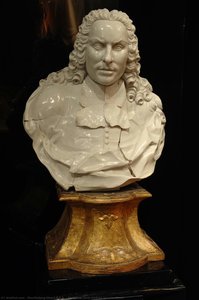
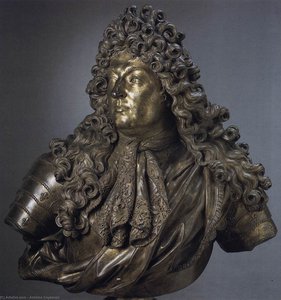
Artus Quellinus II’s marble bust of Andries de Graeff, completed in 1661, transcends the simple depiction of a portrait; it is a carefully constructed embodiment of civic responsibility and the weight of leadership within the burgeoning Dutch Republic. The sculpture captures a man at the apex of his influence – a burgomaster, a key figure in Amsterdam’s political landscape, and a staunch advocate for republican ideals. De Graeff isn't presented as a flamboyant hero or a celebrated warrior; instead, he is rendered with an almost austere dignity, embodying a quiet strength born from years of service and strategic maneuvering.
The composition itself speaks volumes. The figure stands in a subtly turned pose, his gaze directed slightly to the side – a gesture that suggests both contemplation and vigilance. His hands are clasped before him, not in an overtly dramatic gesture, but with a deliberate sense of control and authority. The drape of his cloak, meticulously carved, mimics the folds of a classical toga, consciously referencing Roman republicanism and subtly elevating De Graeff’s position within the political hierarchy. This deliberate allusion wasn't merely decorative; it was a potent statement about the values he championed – order, reason, and the pursuit of a virtuous republic.
The Baroque Hand: Technique and Material
Quellinus II’s mastery is evident in the exquisite detail of the marble itself. The surface possesses a remarkable smoothness, achieved through painstaking polishing—a hallmark of Baroque sculpture intended to capture and reflect light with breathtaking intensity. The artist skillfully renders the texture of the hair, creating a sense of volume and movement that contrasts sharply with the more rigid forms of his clothing. Note the delicate carving of the lace collar, the subtle creases in the fabric of the coat, and the precise modeling of the face – each element contributing to an astonishingly lifelike effect.
The choice of marble is crucial. Carrara marble, renowned for its purity and translucence, lends a luminous quality to the sculpture. Light plays across the surface, highlighting the contours of the figure and creating a sense of depth and volume. The dark base, likely crafted from wood or stone, provides a grounding element, emphasizing the figure’s presence and anchoring it within its environment.
A Reflection of an Era: Context and Symbolism
The bust was commissioned during a pivotal moment in Dutch history – the First Stadtholderless Period. Following the death of William II, the Netherlands found itself without a hereditary stadtholder, leading to intense political maneuvering and shifting alliances. De Graeff’s role as a key figure within the republican faction highlights this turbulent era. The reference to “COS AMST” (Consul of Amsterdam) on the pedestal underscores his position as a representative of the city's interests.
Beyond its political significance, the sculpture embodies broader symbolic themes. The classical references—the toga, the laurel wreath (implied by the hairstyle)—evoke notions of virtue, wisdom, and civic duty. De Graeff is not simply depicted as a man; he is presented as an ideal – a model of responsible leadership embodying the values of the Republic. The stoic expression on his face suggests a profound understanding of the burdens of power and a commitment to serving the common good.
A Legacy in Stone: Emotional Impact
Despite its formal presentation, the bust possesses an undeniable emotional resonance. There’s a sense of quiet dignity, resilience, and perhaps even melancholy within De Graeff's gaze. The sculpture invites viewers to contemplate his life, his achievements, and the challenges he faced as a leader during a time of profound political change. It is a testament to Quellinus II’s skill in capturing not just likeness but also character—a powerful reminder of the enduring legacy of civic virtue and the complexities of leadership.
Похожие произведения
![Vida De Miguel De Cervantes Saavedra (life Of Miguel De Cervantes Saavedra). Book V Of The Edition Of Don Quixote (biblioteca Nacional De España)\n\n[7] — Martín Fernández De Navarrete Y Ximénez De Tejada, Academic Art](/media/artworks/images-thumb/8c/b6/8cb67a4dd450447373a546c8dd039e57.jpg)
Биография художника
Artus Quellinus II: Life and Legacy
Early Life and Training
Born in St. Trudena, Belgium, in 1625, Artus Quellinus II came from a prominent artistic family. His father, Artus Quellinus I, was a celebrated sculptor, and he had two brothers – Thomas Quellinus, also a sculptor, and Cornelis Quellinus, a painter. He received his initial training in his father’s workshop in Antwerp, laying the foundation for his future career as a Baroque sculptor.
Move to London and Artistic Development
In 1682, Quellinus II relocated to London, joining the growing community of Flemish artists who had emigrated there. This move was likely encouraged by his wife, Frances Siberechts, daughter of the Antwerp-born painter Jan Siberechts. Before establishing himself independently, he briefly worked in the studios of both Hugh May and, more significantly, Grinling Gibbons – a leading English wood carver and sculptor. His collaboration with Gibbons proved particularly influential.
Key Influences
- Artus Quellinus I (Father): Provided foundational training in sculptural techniques and Baroque aesthetics.
- Grinling Gibbons: Exposed him to the intricacies of English wood carving and a more naturalistic approach within the Baroque style.
- Flemish Baroque Tradition: The broader artistic environment of Antwerp shaped his early development, emphasizing dramatic compositions and religious themes.
Major Works and Artistic Style
Quellinus II’s work is characterized by its dynamic energy, detailed craftsmanship, and often monumental scale. He primarily focused on religious sculpture, creating altarpieces, tomb monuments, and decorative elements for churches and palaces.
- God the Father (1682): A striking marble sculpture showcasing classical influences combined with Baroque drama.
- Visitation (1678): A detailed marble relief depicting a biblical scene, demonstrating his skill in narrative representation.
- Tomb of Bishop Marius Ambrose Capello: An elaborate tomb monument exemplifying his ability to create grand and imposing sculptural ensembles.
- Choir Stalls: Intricate carvings for choir stalls, showcasing his mastery of detail and decorative elements.
Collaborations and Later Life
A significant collaboration occurred with Grinling Gibbons on the altarpiece for the Roman Catholic chapel in Whitehall Palace (1685-86). This project highlighted Quellinus II’s ability to work alongside other leading artists. His early death in 1700 marked a loss for the artistic community, and his widow later married his studio assistant, John Nost.
Historical Significance
Artus Quellinus II played an important role in bringing Flemish Baroque sculpture to England. His work helped shape the aesthetic landscape of late 17th-century English art and influenced subsequent generations of sculptors. He bridged the gap between High and Late Baroque styles, contributing significantly to the development of religious sculpture during this period.
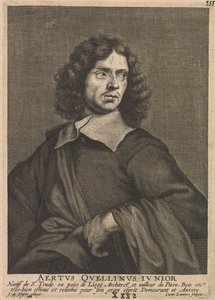
artus ii quellinus
1653 - 1686 , Belgium
Основные сведения
- Birth Date: 1625
- Birth Place: St. Trudena, Belgium
- Death Date: 1700
- Influenced:
- Thomas Quellinus
- Cornelis Quellinus
- Influenced By: Artus Quellinus I
- Movement: Baroque
- Name: Artus Quellinus II
- Nationality: Flemish
- Notable Works:
- God the Father
- Visitation
- Tomb of Bishop Marius Ambrose Capello