

 Поделиться
 Поделиться
 Детали произведения

 Скачать
 Похожие работы
 Слайд-шоу
 Статистика
Joshua


 Читать далее
Жикле / Арт-принт
Печать (жикле) или холст музейного качества с быстрыми сроками изготовления и широким выбором вариантов отделки. ( Купить картину ручной работы Перейти к цифровым изображениям)




































Выберите один из наших стандартных размеров, соответствующих оригинальным пропорциям произведения искусства.

Вы можете указать свои собственные размеры, чтобы репродукция идеально подошла под конкретную раму или пространство. Если выбранный вами размер не будет соответствовать пропорциям оригинала, мы либо обрежем произведение, либо дополним изображение зеркальным отражением краев или однотонной заливкой. Перед началом производства вам будет отправлен цифровой макет для утверждения.
Пожалуйста, обратите внимание, что предварительный просмотр на экране не отображает фактическую обрезку или расширение изображения. Только макет точно покажет финальную композицию.
Несмотря на возможность заказа индивидуальных размеров, мы рекомендуем выбирать размер из предопределенного списка, чтобы сохранить оригинальные пропорции.
Доставка по всему миру () за 2 недели вместо стандартных 4/5 недель. (12 Сентябрь)

Бесплатная экспресс-доставка по всему миру

Высококачественный льняной холст

Полное страхование доставки

Гарантия возмещения таможенных пошлин

Гарантия точного соответствия цветов

100-дневная политика возврата (только при обнаружении дефектов)

Гарантия возврата 100% средств

Предложение оптовых скидок
 Вариант со стеклом доступен только для размеров менее 110 см

Joshua
Жикле / Арт-принт
Размер репродукции
-


Итоговая стоимость
$ 62
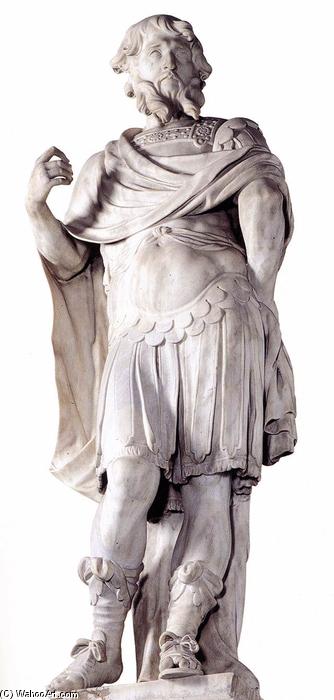
A Testament to Leadership: Artus Quellinus II’s “Joshua”
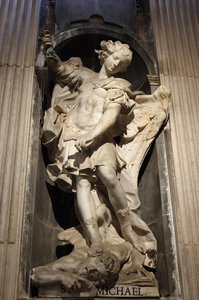
Artus Quellinus II's "Joshua," a magnificent marble sculpture dating from around 1650, stands as a powerful testament to the Baroque era’s fascination with dramatic narrative and idealized human form. Originally conceived for the altar of the Swordsmen’s Guild within the Antwerp Cathedral, this work transcends its initial ecclesiastical purpose, offering a timeless portrayal of leadership, faith, and the arduous journey towards destiny. The sculpture captures Joshua, not as a conquering hero in battle, but rather as a figure imbued with quiet strength and resolute determination – a potent image resonating across centuries.
The piece is executed in gleaming white marble, a material meticulously chosen for its ability to capture light and shadow, lending the statue an almost ethereal quality. Quellinus II’s skill lies not merely in anatomical accuracy, though it is undeniably impressive, but in his masterful manipulation of drapery. The flowing tunic and cloak, rendered with intricate folds and subtle gradations of tone, create a dynamic sense of movement, suggesting both the weight of responsibility and the forward momentum of Joshua's leadership. The armor-like detailing on the tunic hints at the challenges he faced – a symbolic representation of the trials and tribulations inherent in guiding his people.
A Baroque Masterpiece: Technique and Style
Quellinus II’s work firmly establishes him as a key figure within the Antwerp Baroque school. His style is characterized by a dramatic dynamism, reminiscent of Rubens but tempered with a greater emphasis on classical restraint. The sculpture embodies the era's commitment to capturing intense emotion and narrative complexity through sculpted form. The use of contrapposto – where the weight of the body is shifted onto one leg – creates a subtle yet vital sense of balance and poise, reflecting Joshua’s unwavering stance in the face of adversity. Notice how the sculptor has expertly used light to highlight the musculature and folds of the drapery, creating an illusion of depth and volume that draws the viewer into the scene.
The technique employed is a testament to Quellinus II's skill as a master carver. The marble was likely sourced from a single block, allowing for seamless transitions between planes and a remarkable level of detail. The smooth, polished surface reflects light beautifully, enhancing the sculpture’s luminosity and contributing to its overall sense of grandeur. It is a prime example of how Baroque sculptors utilized materials not just for their aesthetic qualities but also to convey symbolic meaning.
Symbolism and Historical Context
“Joshua” is rich in symbolism, deeply rooted within the biblical narrative it depicts. As Moses’ successor, Joshua led the Israelites across the Jordan River into the Promised Land, a pivotal moment of faith and perseverance. The raised hand, a gesture of both blessing and command, reinforces this leadership role. The spear and shield, though now lost to time, were traditional symbols associated with military prowess and divine protection – elements crucial to Joshua’s success in securing his people's future. The sculpture speaks not just to the biblical story but also to broader themes of courage, faith, and the fulfillment of a divinely ordained destiny.
Created during a period of significant religious and political upheaval in Europe, “Joshua” reflects the Baroque era’s engagement with grand narratives and moral instruction. Sculptures like this were often commissioned for churches and public spaces to inspire piety and reinforce societal values. The work's placement within the Antwerp Cathedral underscores its intended role as a visual sermon, communicating profound spiritual truths through compelling artistic representation.
A Timeless Image: Emotional Impact and Legacy
Despite being created over three centuries ago, “Joshua” retains an undeniable emotional resonance. The figure’s serious expression and unwavering gaze convey a sense of dignity, resolve, and quiet strength – qualities that continue to inspire viewers today. The sculpture invites contemplation on themes of leadership, faith, and the challenges inherent in pursuing a noble purpose. It is a powerful reminder of humanity's capacity for both triumph and perseverance.
Reproductions of “Joshua” offer an exceptional opportunity to bring this remarkable Baroque masterpiece into contemporary homes and spaces. The sculpture’s timeless appeal ensures that it will continue to captivate and inspire generations to come, serving as a poignant symbol of leadership, faith, and the enduring power of human spirit.
Похожие произведения

Биография художника
Artus Quellinus II: Life and Legacy
Early Life and Training
Born in St. Trudena, Belgium, in 1625, Artus Quellinus II came from a prominent artistic family. His father, Artus Quellinus I, was a celebrated sculptor, and he had two brothers – Thomas Quellinus, also a sculptor, and Cornelis Quellinus, a painter. He received his initial training in his father’s workshop in Antwerp, laying the foundation for his future career as a Baroque sculptor.
Move to London and Artistic Development
In 1682, Quellinus II relocated to London, joining the growing community of Flemish artists who had emigrated there. This move was likely encouraged by his wife, Frances Siberechts, daughter of the Antwerp-born painter Jan Siberechts. Before establishing himself independently, he briefly worked in the studios of both Hugh May and, more significantly, Grinling Gibbons – a leading English wood carver and sculptor. His collaboration with Gibbons proved particularly influential.
Key Influences
- Artus Quellinus I (Father): Provided foundational training in sculptural techniques and Baroque aesthetics.
- Grinling Gibbons: Exposed him to the intricacies of English wood carving and a more naturalistic approach within the Baroque style.
- Flemish Baroque Tradition: The broader artistic environment of Antwerp shaped his early development, emphasizing dramatic compositions and religious themes.
Major Works and Artistic Style
Quellinus II’s work is characterized by its dynamic energy, detailed craftsmanship, and often monumental scale. He primarily focused on religious sculpture, creating altarpieces, tomb monuments, and decorative elements for churches and palaces.
- God the Father (1682): A striking marble sculpture showcasing classical influences combined with Baroque drama.
- Visitation (1678): A detailed marble relief depicting a biblical scene, demonstrating his skill in narrative representation.
- Tomb of Bishop Marius Ambrose Capello: An elaborate tomb monument exemplifying his ability to create grand and imposing sculptural ensembles.
- Choir Stalls: Intricate carvings for choir stalls, showcasing his mastery of detail and decorative elements.
Collaborations and Later Life
A significant collaboration occurred with Grinling Gibbons on the altarpiece for the Roman Catholic chapel in Whitehall Palace (1685-86). This project highlighted Quellinus II’s ability to work alongside other leading artists. His early death in 1700 marked a loss for the artistic community, and his widow later married his studio assistant, John Nost.
Historical Significance
Artus Quellinus II played an important role in bringing Flemish Baroque sculpture to England. His work helped shape the aesthetic landscape of late 17th-century English art and influenced subsequent generations of sculptors. He bridged the gap between High and Late Baroque styles, contributing significantly to the development of religious sculpture during this period.
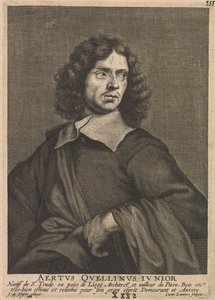
artus ii quellinus
1653 - 1686 , Belgium
Основные сведения
- Birth Date: 1625
- Birth Place: St. Trudena, Belgium
- Death Date: 1700
- Influenced:
- Thomas Quellinus
- Cornelis Quellinus
- Influenced By: Artus Quellinus I
- Movement: Baroque
- Name: Artus Quellinus II
- Nationality: Flemish
- Notable Works:
- God the Father
- Visitation
- Tomb of Bishop Marius Ambrose Capello
Похожие статьи
The Enduring Form: Sculpture Across History, Technique & Emotional Resonance
Explore the rich history of sculpture with ArtsDot. Discover key techniques, influential artists & investment potential for discerning collectors. Expert insights into valuing and collecting timeless masterpieces.

The Enduring Form: Exploring Themes & Techniques in Sculpture Across Historical Periods
Explore the rich history of sculpture from ancient masterpieces to contemporary innovations. Discover key techniques, influential artists & investment potential for discerning art collectors.
Сир Джошуа Рейнольдс: 25 шедевров портретной живописи для ценителей искусства и декора
Погрузитесь в мир Сира Джошуа Рейнольдса! 25 величайших портретов английского искусства XVIII века. Узнайте историю создания шедевров, технику живописи и вдохновитесь для декора интерьера. Репродукции картин высокого качества на ArtsDot.com.
The Enduring Allure of Marble in Art History: From Classical Sculpture to Modern Abstraction
Explore the captivating history of marble sculpture from ancient Greece to modern art. Discover renowned artists like Canova & Michelangelo, carving techniques, and investment insights at ArtsDot.

10 легендарных бронзовых скульптур, изменивших искусство навсегда | ArtsDot
Погрузитесь в мир великих бронзовых скульптур! От Давида Микеланджело до работ Родена – история искусства, техники и вдохновения. Купите репродукции шедевров для вашего интерьера на ArtsDot.com