

 Предпросмотр
 Поделиться
 Поделиться
 Детали произведения

 Скачать
 Похожие работы
 Рентгенография
 Слайд-шоу
 Статистика
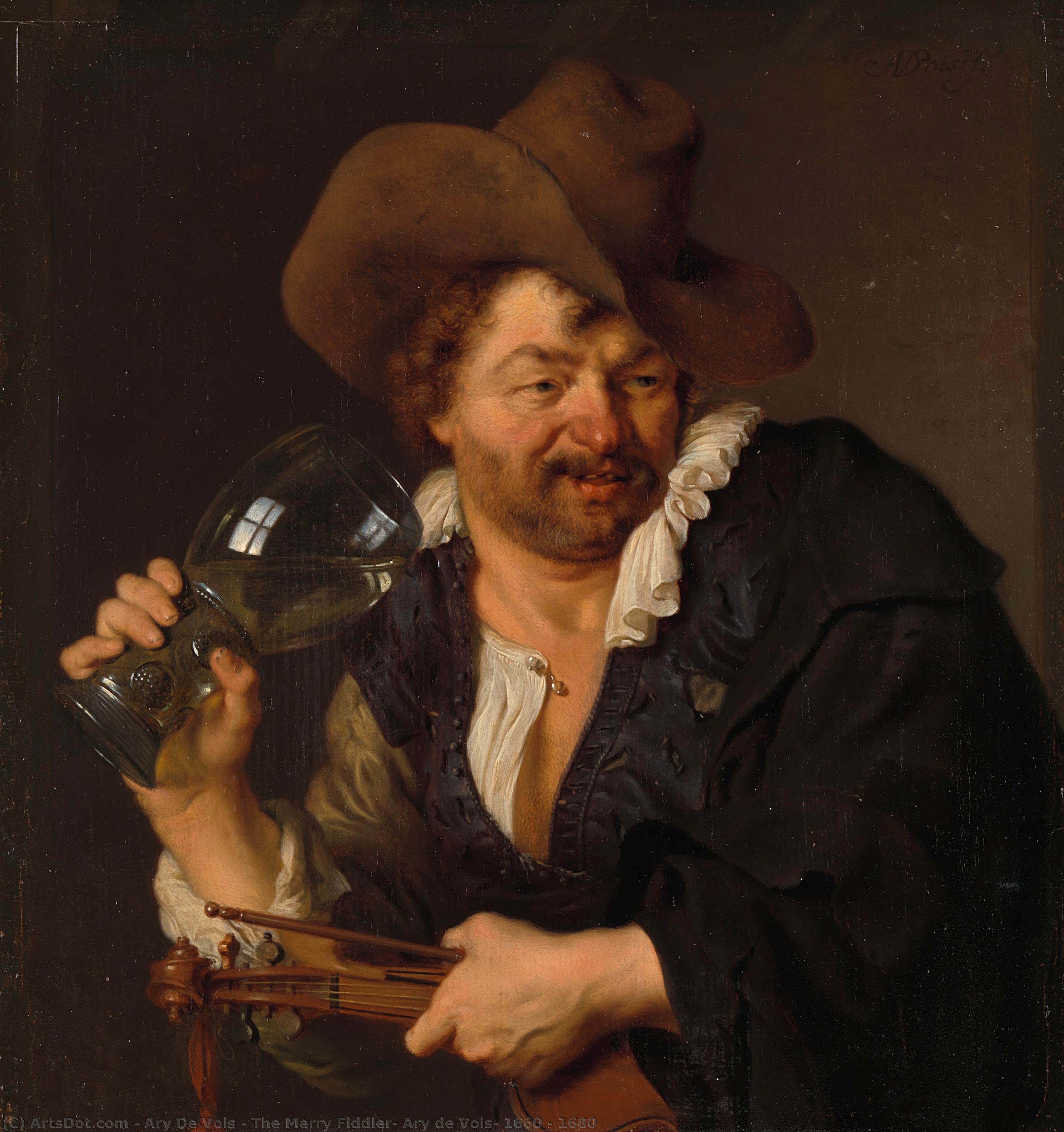
The Merry Fiddler, Ary de Vois, 1660 - 1680
 1680
1680 22.0 x 20.0 cm
 Читать далее
Приобретите цифровое изображение высокого разрешения в улучшенном качестве, которое значительно превосходит онлайн-превью.
Каждый файл тщательно подготавливается нашими специалистами с использованием передовых инструментов и экспертной ручной ретуши. Мы гарантируем исключительную четкость, точную цветопередачу и детальную проработку каждого изображения.
Финальный файл доставляется по электронной почте в течение 72 часов и оптимизирован для немедленного использования в профессиональной среде, при верстке и печати. Это тот же уровень качества, которому доверяют ведущие дизайнерские студии, издательства и галереи.
Цифровое изображение
Скачайте файл высокого разрешения для личного использования, печати и творческих проектов. ( Перейти к печати Купить картину ручной работы)
Включено в каждый заказ цифровых изображений
Гарантия экспертной цифровой доставки
Выбирая ArtsDot.com, вы получаете не просто изображение — вы приобретаете профессионально обработанное цифровое произведение искусства, созданное с безупречной точностью и под защитой гарантии качества. Вот всё, что автоматически входит в ваш заказ:

Мгновенная доставка по e-mail
Ваш цифровой файл в высоком разрешении будет отправлен вам по электронной почте в течение 72 часов после оформления заказа — и сразу станет доступен для использования.

Цифровой файл с ИИ-улучшением
Ваше произведение искусства проходит профессиональную оптимизацию с использованием передовых инструментов ИИ и ручной обработки, что гарантирует максимальную детализацию, четкость и точность цветопередачи.

Бессрочная бесплатная повторная доставка
Случайно удалили или потеряли файл? Не беспокойтесь — мы отправим его вам повторно в любое время и совершенно бесплатно.

Без импортных пошлин — навсегда
Наслаждайтесь вашим произведением искусства мгновенно без таможенных пошлин, сборов или затрат на доставку — цифровые загрузки всегда не облагаются налогом.

Гарантия точности цветопередачи
Мы гарантируем, что ваше цифровое изображение максимально точно передает оригинальные цвета благодаря использованию профессиональных инструментов и систем управления цветом.

Гарантия удовлетворенности 100 дней
Если вы не будете удовлетворены своим цифровым изображением, мы внесем правки или вернем 100% стоимости в течение 100 дней — без лишних вопросов.

100% Гарантия возврата средств
Не удовлетворены покупкой? Получите полный возврат средств в течение 100 дней после получения цифрового файла — без лишних вопросов.

Скидки на оптовые заказы
Купите 3 изображения, сэкономьте 10% — Купите 5, сэкономьте 15% — Купите 10+, сэкономьте 20%. Отличное решение для творческих проектов, галерей и агентств.
Похожие произведения


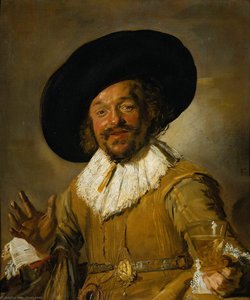


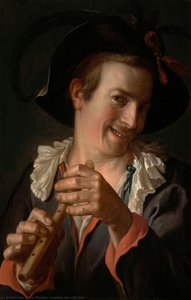
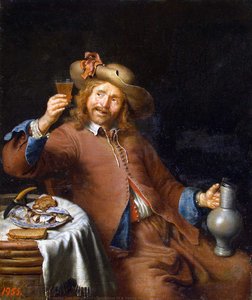
Биография художника
The Serene Likenesses of Ary De Vois
Ary De Vois, a name perhaps less celebrated than some of his Dutch Golden Age contemporaries, nevertheless occupies a significant niche in the pantheon of 17th-century portraiture. Active primarily between 1632 and 1635, De Vois’s brief but impactful career yielded a collection of portraits characterized by their refined elegance, psychological depth, and masterful technique. While biographical details remain somewhat scarce, the works themselves speak volumes about an artist deeply attuned to the sensibilities of his time and possessed of considerable skill in capturing not merely physical resemblance, but also the inner lives of his sitters. He flourished during a period when portraiture wasn’t simply about documenting appearance; it was a statement of social standing, moral character, and familial lineage—a visual testament to one's place within the intricate tapestry of Dutch society.A Brief Glimpse into a Golden Age Life
Born sometime before 1632 – the precise date remains unknown – Ary De Vois appears to have been active in Amsterdam, though details regarding his training and early life are elusive. The relative paucity of documented works suggests a career cut short, perhaps by illness or a deliberate shift in artistic focus. What *is* evident is that he quickly established himself as a sought-after portraitist among the burgeoning merchant class and affluent families of the city. His paintings were not mass-produced; they were intimate commissions, carefully considered investments meant to preserve family legacies for generations to come. The very fact that his works survive today—often in private collections—testifies to their enduring value and the esteem in which they were held by those who commissioned them. It is believed he may have been influenced by Rembrandt’s early portrait style, but De Vois developed a distinctly softer, more polished aesthetic.Style and Technique: Capturing Inner Character
De Vois's portraits are immediately recognizable for their luminous quality and subtle use of chiaroscuro—the dramatic interplay of light and shadow. He eschewed the bolder contrasts favored by some of his contemporaries, opting instead for a gentler modeling that emphasizes the delicate features and refined textures of his sitters’ faces and clothing. His palette is typically restrained, dominated by rich browns, blacks, creams, and subtle hints of color, creating an atmosphere of quiet dignity and introspection. He was particularly adept at rendering fabrics, capturing the sheen of silk, the weight of velvet, and the intricate details of lace collars with remarkable precision. However, De Vois’s skill extended beyond mere technical proficiency; he possessed a keen understanding of human psychology, evident in the nuanced expressions and subtle gestures that imbue his portraits with life and personality. He didn't just paint faces; he painted souls.Themes and Symbolism within De Vois’s Work
While primarily a portraitist, De Vois’s work often incorporates symbolic elements that offer insights into the sitters’ beliefs, aspirations, and social status. Common motifs include books—representing learning and intellectual pursuits—and musical instruments—signifying refinement and artistic sensibility. The inclusion of specific objects or settings was rarely arbitrary; they were carefully chosen to convey a particular message about the sitter's character or position in society. For example, a portrait featuring a globe might allude to the sitter’s involvement in international trade, while a depiction of a family crest would underscore their noble lineage.- The careful arrangement of hands often conveyed marital status or familial bonds.
- Window light was frequently used to symbolize divine grace or enlightenment.
- The choice of clothing and jewelry indicated wealth, taste, and social standing.
Legacy and Historical Significance
Though his career was tragically brief, Ary De Vois left behind a legacy of exquisite portraits that offer a compelling glimpse into the lives and values of 17th-century Dutch society. His work stands as a testament to the enduring power of portraiture—its ability to capture not only physical likeness but also the inner character and aspirations of those who sit before the artist’s gaze. While overshadowed by more prolific contemporaries, De Vois's paintings continue to be admired for their refined elegance, psychological depth, and masterful technique, securing his place as a noteworthy figure in the history of Dutch Golden Age art. His serene likenesses remain a poignant reminder of a bygone era—a time when portraiture was not merely an act of representation, but a profound expression of identity, status, and enduring human connection.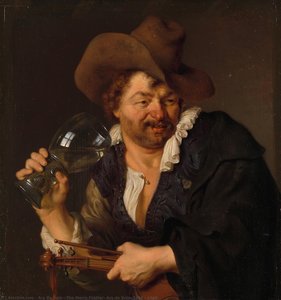
Основные сведения
- Artistic Movement Or Style: Dutch Golden Age portraiture
- Date Of Birth: (Unknown)
- Date Of Death: Living
- Full Name: Ary De Vois
- Nationality: Dutch
- Notable Artworks: ['Refined likenesses']