

 Предпросмотр
 Поделиться
 Поделиться
 Детали произведения

 Скачать
 Похожие работы
 Рентгенография
 Слайд-шоу
 Статистика
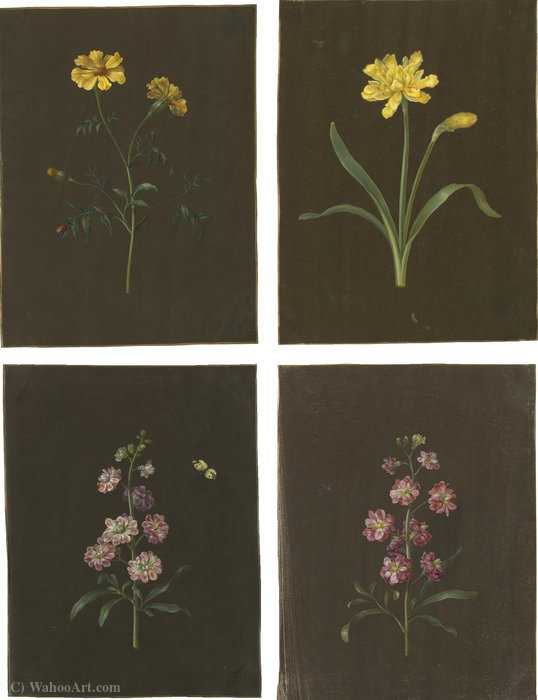
A group of four flower studies, including a daffodil and a marigold
 Читать далее
Жикле / Арт-принт
Печать (жикле) или холст музейного качества с быстрыми сроками изготовления и широким выбором вариантов отделки. ( Купить картину ручной работы Перейти к цифровым изображениям)




































Выберите один из наших стандартных размеров, соответствующих оригинальным пропорциям произведения искусства.

Вы можете указать свои собственные размеры, чтобы репродукция идеально подошла под конкретную раму или пространство. Если выбранный вами размер не будет соответствовать пропорциям оригинала, мы либо обрежем произведение, либо дополним изображение зеркальным отражением краев или однотонной заливкой. Перед началом производства вам будет отправлен цифровой макет для утверждения.
Пожалуйста, обратите внимание, что предварительный просмотр на экране не отображает фактическую обрезку или расширение изображения. Только макет точно покажет финальную композицию.
Несмотря на возможность заказа индивидуальных размеров, мы рекомендуем выбирать размер из предопределенного списка, чтобы сохранить оригинальные пропорции.
Доставка по всему миру () за 2 недели вместо стандартных 4/5 недель. (12 Сентябрь)

Бесплатная экспресс-доставка по всему миру

Высококачественный льняной холст

Полное страхование доставки

Гарантия возмещения таможенных пошлин

Гарантия точного соответствия цветов

100-дневная политика возврата (только при обнаружении дефектов)

Гарантия возврата 100% средств

Предложение оптовых скидок
 Вариант со стеклом доступен только для размеров менее 110 см

A group of four flower studies, including a daffodil and a marigold
Жикле / Арт-принт
Размер репродукции
-


Итоговая стоимость
$ 62
Похожие произведения
Биография художника
Barbara Regina Dietzsch: A Quiet Revolution in Botanical Art
Barbara Regina Dietzsch, born in the vibrant heart of Nuremberg in 1706 and passing away in 1783, remains a quietly remarkable figure within the history of European art. Often overshadowed by her more flamboyant contemporaries, this Bavarian painter and engraver carved out a significant legacy through her exquisite monochromatic watercolor still lifes – depictions of flowers, animals, and shells that offer a unique window into the intellectual and artistic currents of the 18th century. Her work wasn’t merely decorative; it was imbued with a meticulous observation of nature, a subtle symbolism, and a surprisingly progressive approach to artistic practice for a woman operating within a largely patriarchal art world.A Family Affair: Training and Context
Dietzsch's artistic journey began within the fertile ground of her family’s workshop in Nuremberg. Her father, Johann Israel Dietzsch, was himself a landscape painter and engraver, providing an invaluable foundation for his children. This wasn’t simply a matter of inheriting skills; it was a deliberate cultivation of artistic talent across generations. Her siblings – including the talented Margaretha Barbara – were all involved in the family's production, creating a collaborative environment where techniques and subject matter were shared and refined. Crucially, this familial context allowed Dietzsch to develop her craft independently, bypassing the restrictive limitations imposed upon women artists by traditional guild systems and academic institutions. The workshop’s focus on naturalistic subjects – particularly flowers – reflected the burgeoning interest in botany and scientific classification during the Enlightenment, a period marked by an increasing desire to understand and categorize the natural world.Monochromatic Mastery: Technique and Style
Dietzsch's distinctive style is immediately recognizable through her masterful use of monochromatic watercolor (gouache). She eschewed bright colors and elaborate backgrounds, opting instead for a carefully controlled palette of browns, grays, and blacks – often achieved through the addition of white lead to her watercolors. This deliberate choice created an atmosphere of intimacy and contemplation, drawing the viewer’s attention directly to the intricate details of each subject. Her technique was characterized by painstaking observation and meticulous rendering; she captured the delicate textures of petals, the subtle gradations of light and shadow, and the minute markings on insects with astonishing precision. The absence of identifying inscriptions suggests that these works were intended for private viewing and personal enjoyment – a testament to Dietzsch’s dedication to capturing the essence of her subjects rather than creating didactic illustrations. The influence of engraving is also evident in her work; many of her paintings were later reproduced as prints, demonstrating a sophisticated understanding of both painting and printmaking techniques.Subjects of Observation: Flowers, Animals, and Symbolism
Dietzsch’s still lifes encompassed a diverse range of subjects, with flowers being the most prominent. She depicted an astonishing variety of blooms – from delicate morning glories to robust tulips – each rendered with remarkable detail and sensitivity. Alongside flowers, she also painted birds (particularly butterflies), shells, and occasionally insects, creating miniature ecosystems within her compositions. Beyond mere representation, Dietzsch’s work is rich in symbolism. Flowers were frequently associated with virtues, emotions, or allegorical meanings, reflecting the prevailing intellectual trends of the time. The careful arrangement of these elements suggests a deliberate engagement with broader philosophical and cultural themes – a quiet revolution expressed through the language of art.Legacy and Recognition
Despite her talent and success, Barbara Regina Dietzsch’s contribution to art history has often been overlooked. However, in recent years, there's been a growing recognition of her significance as a pioneering botanical artist. Her works are now housed in museums across Europe and America, including the Getty Museum, the British Museum, and the Metropolitan Museum of Art. Artists like Andaleeb Badiee Banta have shone a light on her work, highlighting its beauty, technical skill, and intellectual depth. Dietzsch’s legacy lies not only in her exquisite paintings but also in her defiance of societal expectations – a testament to the enduring power of artistic vision and the importance of recognizing the contributions of women artists throughout history. Her quiet dedication to observing and representing the natural world continues to offer us a profound connection to both art and nature.
barbara regina dietzsch
1706 - 1783 , Germany
Основные сведения
- Artistic Movement Or Style: Botanical painting
- Artists Or Movements Influenced By This Artist: ['Ernst Friedrich Carl Lang']
- Artists Who Influenced This Artist: ['Johann Israel Dietzsch']
- Date Of Birth: 22 September 1706
- Date Of Death: 1 May 1783
- Full Name: Barbara Regina Dietzsch
- Nationality: German
- Notable Artworks:
- A Dandelion...
- Dandelion...
- Place Of Birth: Nuremberg, Germany