

 Предпросмотр
 Поделиться
 Поделиться
 Детали произведения

 Скачать
 Похожие работы
 Рентгенография
 Слайд-шоу
 Статистика
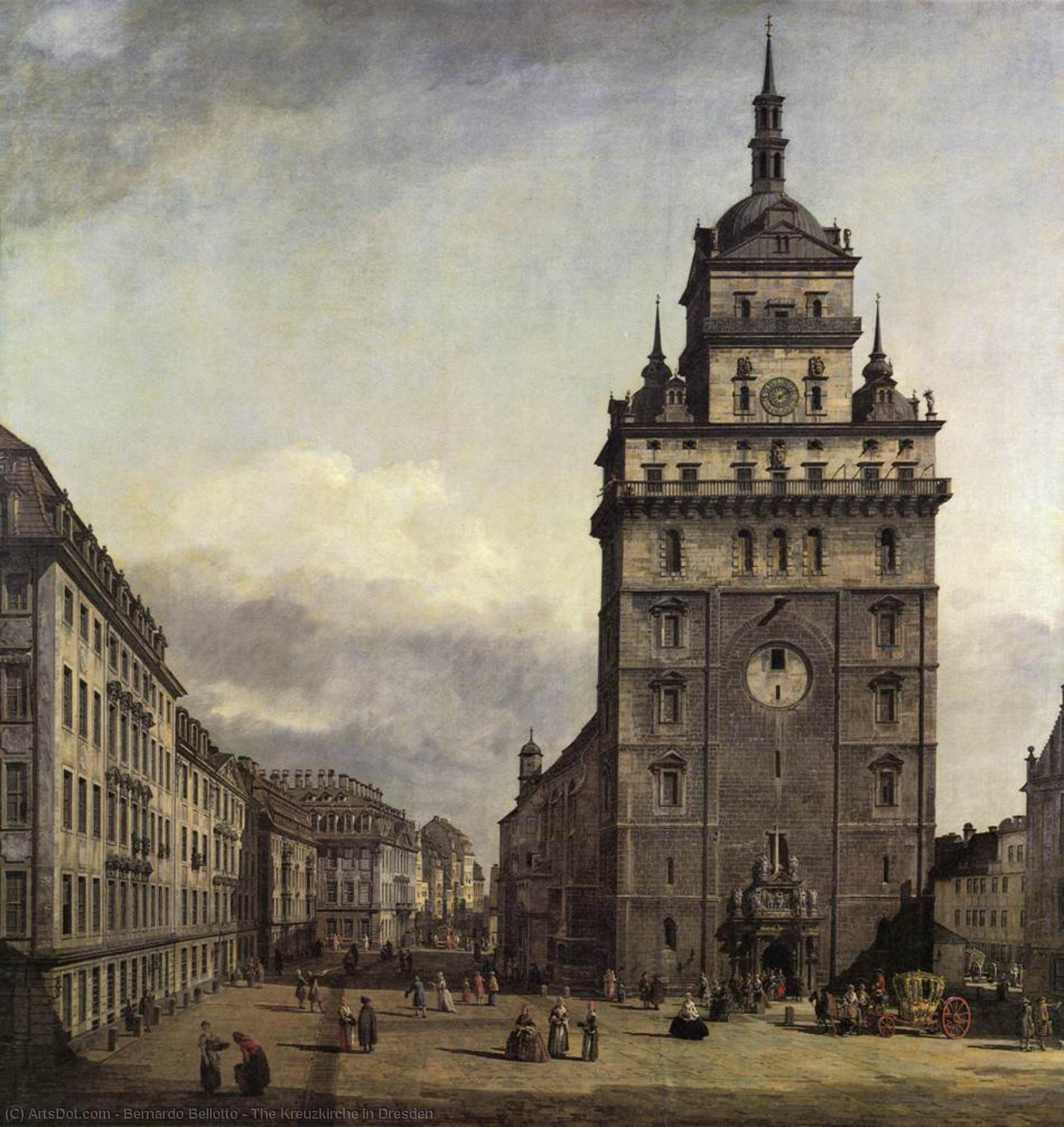
The Kreuzkirche in Dresden
 Oil
Oil- WallArt
- Baroque
 1747
1747 196.0 x 186.0 cm
 Галерея старых мастеров Дрездена
 Читать далее
Приобретите цифровое изображение высокого разрешения в улучшенном качестве, которое значительно превосходит онлайн-превью.
Каждый файл тщательно подготавливается нашими специалистами с использованием передовых инструментов и экспертной ручной ретуши. Мы гарантируем исключительную четкость, точную цветопередачу и детальную проработку каждого изображения.
Финальный файл доставляется по электронной почте в течение 72 часов и оптимизирован для немедленного использования в профессиональной среде, при верстке и печати. Это тот же уровень качества, которому доверяют ведущие дизайнерские студии, издательства и галереи.
Цифровое изображение
Скачайте файл высокого разрешения для личного использования, печати и творческих проектов. ( Перейти к печати Купить картину ручной работы)
Включено в каждый заказ цифровых изображений
Гарантия экспертной цифровой доставки
Выбирая ArtsDot.com, вы получаете не просто изображение — вы приобретаете профессионально обработанное цифровое произведение искусства, созданное с безупречной точностью и под защитой гарантии качества. Вот всё, что автоматически входит в ваш заказ:

Мгновенная доставка по e-mail
Ваш цифровой файл в высоком разрешении будет отправлен вам по электронной почте в течение 72 часов после оформления заказа — и сразу станет доступен для использования.

Цифровой файл с ИИ-улучшением
Ваше произведение искусства проходит профессиональную оптимизацию с использованием передовых инструментов ИИ и ручной обработки, что гарантирует максимальную детализацию, четкость и точность цветопередачи.

Бессрочная бесплатная повторная доставка
Случайно удалили или потеряли файл? Не беспокойтесь — мы отправим его вам повторно в любое время и совершенно бесплатно.

Без импортных пошлин — навсегда
Наслаждайтесь вашим произведением искусства мгновенно без таможенных пошлин, сборов или затрат на доставку — цифровые загрузки всегда не облагаются налогом.

Гарантия точности цветопередачи
Мы гарантируем, что ваше цифровое изображение максимально точно передает оригинальные цвета благодаря использованию профессиональных инструментов и систем управления цветом.

Гарантия удовлетворенности 100 дней
Если вы не будете удовлетворены своим цифровым изображением, мы внесем правки или вернем 100% стоимости в течение 100 дней — без лишних вопросов.

100% Гарантия возврата средств
Не удовлетворены покупкой? Получите полный возврат средств в течение 100 дней после получения цифрового файла — без лишних вопросов.

Скидки на оптовые заказы
Купите 3 изображения, сэкономьте 10% — Купите 5, сэкономьте 15% — Купите 10+, сэкономьте 20%. Отличное решение для творческих проектов, галерей и агентств.
Bernardo Bellotto’s Dresden: A Frozen Moment of Ruin
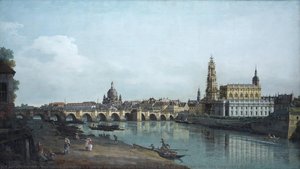
Bernardo Bellotto's "The Kreuzkirche in Dresden" (1747) isn’t merely a cityscape; it’s a poignant tableau capturing a fleeting moment suspended between grandeur and devastation. This meticulously rendered oil painting offers a remarkably intimate glimpse into the heart of 18th-century Dresden, Germany, a city poised on the brink of profound change. Bellotto, a Venetian artist renowned for his detailed depictions of urban landscapes – often referred to as “vedute” – masterfully captures not just the physical appearance of the city but also its atmosphere and the subtle anxieties simmering beneath its opulent facade. The painting’s enduring power lies in its ability to evoke a sense of melancholy beauty, transforming a scene of destruction into a compelling work of art.- A City on the Verge: Bellotto's Dresden is not the vibrant capital we know today. Just a few years before this painting was completed, the city had been ravaged by war and fire during the Seven Years’ War. The imposing Kreuzkirche (Holy Church), dominating the skyline with its towering spire, stood as a testament to both the city’s resilience and its vulnerability. The painting itself is a record of this precarious state – a visual echo of the recent trauma.
- Baroque Precision, Dutch Sensitivity: Bellotto's style blends the rigorous precision characteristic of Baroque art with the softer, more atmospheric qualities associated with Dutch Golden Age painters. The buildings are rendered with remarkable accuracy, their architectural details painstakingly observed and faithfully reproduced. Yet, there’s a subtle sense of distance, an almost dreamlike quality that softens the hard edges of the architecture and imbues the scene with a contemplative mood.
The Tower as Symbol: Authority and Loss
At the painting's center stands the Kreuzkirche’s tower, a monumental structure that immediately commands attention. Bellotto doesn’t shy away from depicting its imposing scale, emphasizing its vertical thrust against the relatively flat horizon. This towering presence is not simply decorative; it functions as a potent symbol of civic authority and religious power – hallmarks of Dresden under the rule of Augustus III, Elector of Saxony. However, the tower's dramatic collapse in 1765, depicted in a later work by Bellotto, transforms this symbol into one of loss and vulnerability. The painting thus becomes a meditation on the impermanence of even the most formidable structures, reflecting the broader anxieties about political stability and military conflict that gripped Europe at the time. Historical Context:** The Seven Years’ War (1756-1763) had a devastating impact on Saxony, leaving the region economically weakened and politically vulnerable. Bellotto's Dresden series, including this view of the Kreuzkirche, served as a crucial record of the city's pre-war beauty – a visual archive intended to preserve its memory before it was irrevocably altered by destruction. The painting itself is therefore not just a depiction of a cityscape; it’s a testament to a lost world and a poignant reminder of the fragility of human endeavors.Technique and Light: A Masterclass in Observation
Bellotto's skill as an artist lies not only in his ability to accurately represent architectural details but also in his masterful use of light and perspective. The painting is bathed in a diffused, almost ethereal light that creates a sense of depth and atmosphere. Linear perspective guides the viewer’s eye through the scene, drawing them into the bustling streetscape and revealing the intricate layers of urban life. Bellotto employed a technique known as “glazing,” applying thin layers of oil paint to build up color and luminosity gradually. This meticulous approach allowed him to achieve remarkable detail while maintaining a sense of atmospheric depth and realism. The subtle variations in tone and texture create a remarkably tactile quality, inviting the viewer to almost feel the roughness of the cobblestones beneath their feet and the warmth of the sunlight on the buildings’ facades.- Detailed Observation: Bellotto's meticulous attention to detail is evident throughout the painting – from the individual bricks in the buildings to the folds of the clothing worn by the figures in the street.
- Atmospheric Perspective: The use of atmospheric perspective creates a sense of depth and distance, with objects appearing smaller and paler as they recede into the background.
A Frozen Moment – A Legacy of Preservation
“The Kreuzkirche in Dresden” is more than just a beautiful painting; it’s a historical document, a technical masterpiece, and an emotionally resonant work of art. Bellotto's dedication to capturing the essence of urban life—particularly in the face of impending disaster—makes this painting profoundly moving. It serves as a poignant reminder of the ephemeral nature of beauty and power, while simultaneously celebrating the enduring spirit of human creativity. Today, reproductions of this iconic image continue to inspire awe and contemplation, offering viewers a glimpse into a lost world and a powerful meditation on the passage of time.Похожие произведения
Биография художника
Ранние годы и обучение
Бернардо Беллотто, прославленный итальянский живописец, появился на свет в Венеции около 1721 года или 30 января 1721 года. Он был племянником и учеником знаменитого Джованни Антонио Каналетто, выдающейся фигуры в венецианской школе живописи.Художественный стиль и карьера
Стиль Беллотто отличался виртуозным изображением архитектурных и природных панорам, а также уникальной передачей освещения каждого места. Он был известен своим исключительным мастерством в улавливании самой сути городских пейзажей, что привело к приглашениям от различных европейских монархов.- Он путешествовал по Риму (1742), Северной Италии (1744-1745) и позднее перебрался в Дрезден (1747-1758) по велению короля Августа III Польского.
- Его работы в Дрездене сохранили красоту города до войны, которая была утрачена.
- Он получил приглашение от императрицы Марии Терезии работать в Вене (1758), где писал монументы города.
Значимые работы и наследие
Среди выдающихся произведений Беллотто:- Вид на Гранд-канал: Санта Мария делла Салюте и Догана с Кампо Санта Мария Зобениго (1743)
- Архитектурный каприччо с автопортретом Беллотто в костюме венецианского дворянина
Музеи и коллекции
Работы Беллотто можно найти в различных музеях, включая Пинакотеку Виченцы в Италии. Чтобы изучить больше его творчества, посетите [https://ArtsDot.com/@/bernardo bellotto](https://ArtsDot.com/@/bernardo bellotto) и откройте для себя мир искусства.Источники
* /ru/art/show/art-d3baj3-ru/ * [https://www.wikiart.org/en/bernardo-bellotto/](https://www.wikiart.org/en/bernardo-bellotto/) * [https://fr.wikipedia.org/wiki/bernardo_bellotto](https://fr.wikipedia.org/wiki/bernardo_bellotto)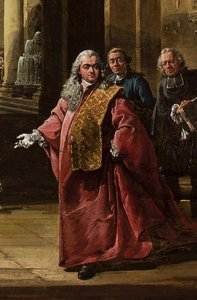
Бернардо Беллотто
1721 - 1780 , Италия
Основные сведения
- Влияние Художника: ['Восстановление городов']
- Дата Рождения: ок. 1721/2 или 30 января 1721 г.
- Дата Смерти: 1780
- Известные Работы:
- Вид Гранд-канала
- Архитектурный каприччио
- Место Рождения: Венеция, Италия
- Национальность: Итальянец
- Полное Имя: Бернардо Беллотто
- Художественное Направление: Ведута
- Художники, Повлиявшие На Него: ['Джованни Каналетто']