

 Предпросмотр
 Поделиться
 Поделиться
 Детали произведения

 Скачать
 Похожие работы
 Рентгенография
 Слайд-шоу
 Статистика
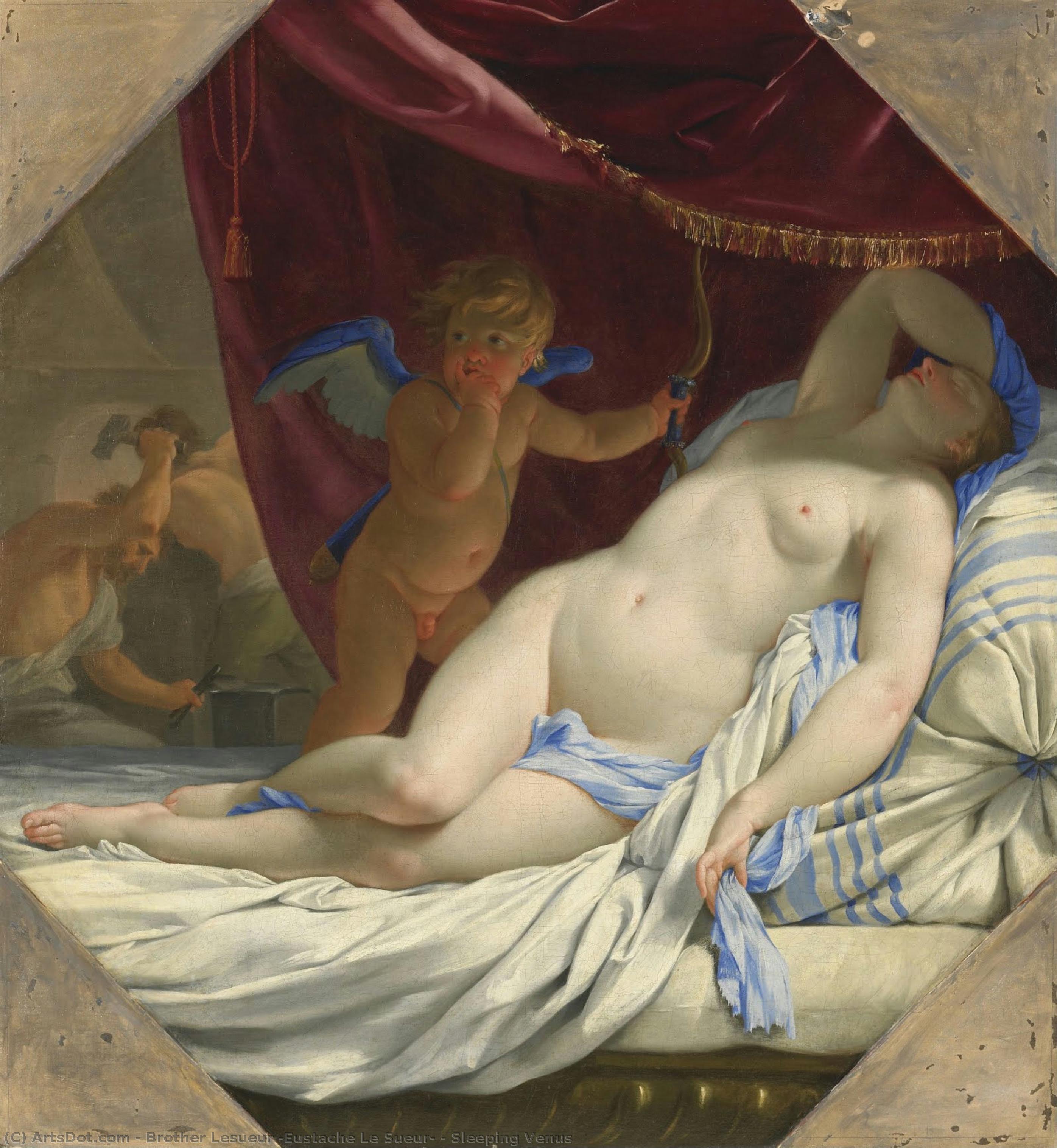
Sleeping Venus
 Oil
Oil- WallArt
- Baroque
 1639
1639- Early Modern
 121.0 x 116.0 cm
 Легионный Храм
 Читать далее
Жикле / Арт-принт
Печать (жикле) или холст музейного качества с быстрыми сроками изготовления и широким выбором вариантов отделки. ( Купить картину ручной работы Перейти к цифровым изображениям)




P118B $10

P118H $10

P118W $10

P438Z $10

P508JH $12

P508YH $12

P805H $10

P805Z $10

P919BZ $10

P919G $10

P919XJ $10

P959ZH $10

P968JZ $12

W106C $8

W218G $10

W218JH $8

W218Y $10

W307PJ $10

W316G $10

W316PJ $8

W316Y $10

W398PJ $8

W4111J $10

W500HY $15

W500JH $15

W692G $12

W849H $8

W940BG $15

W953PJ $8




Выберите один из наших стандартных размеров, соответствующих оригинальным пропорциям произведения искусства.

Вы можете указать свои собственные размеры, чтобы репродукция идеально подошла под конкретную раму или пространство. Если выбранный вами размер не будет соответствовать пропорциям оригинала, мы либо обрежем произведение, либо дополним изображение зеркальным отражением краев или однотонной заливкой. Перед началом производства вам будет отправлен цифровой макет для утверждения.
Пожалуйста, обратите внимание, что предварительный просмотр на экране не отображает фактическую обрезку или расширение изображения. Только макет точно покажет финальную композицию.
Несмотря на возможность заказа индивидуальных размеров, мы рекомендуем выбирать размер из предопределенного списка, чтобы сохранить оригинальные пропорции.
Доставка по всему миру () за 2 недели вместо стандартных 4/5 недель. (10 Сентябрь)

Бесплатная экспресс-доставка по всему миру

Высококачественный льняной холст

Полное страхование доставки

Гарантия возмещения таможенных пошлин

Гарантия точного соответствия цветов

100-дневная политика возврата (только при обнаружении дефектов)

Гарантия возврата 100% средств

Предложение оптовых скидок
 Вариант со стеклом доступен только для размеров менее 110 см

Sleeping Venus
Жикле / Арт-принт
Размер репродукции
-


Итоговая стоимость
$ 62
A Vision of Celestial Serenity
In the quietude of 1639, Eustache Le Sueur, known to history as Brother Lesueur, captured a moment of profound stillness that transcends the boundaries of the mortal realm. His masterpiece, Sleeping Venus, invites the viewer into a sanctuary of peace, where the heavy weight of the world is replaced by the ethereal lightness of a divine slumber. The painting depicts a woman resting in a state of absolute tranquility, her form nestled within a bed that seems to exist between earth and heaven. Surrounding her, a celestial assembly of angels keeps watch; their presence is not one of intrusion, but of protective grace. One angel stands sentinel by her side, while another lingers in the soft distance, creating a sense of depth and layered divinity that draws the eye deeper into this sacred dreamscape.
The composition is masterfully orchestrated to evoke a sense of profound calm. Le Sueur utilizes a delicate balance of light and shadow to sculpt the figures, lending them a soft, almost luminous quality that suggests they are bathed in an otherworldly glow. The technique reflects the height of the French Baroque period, yet it avoids the turbulent drama often associated with the era, opting instead for a refined, classical elegance. Every brushstroke serves to enhance the texture of the fabrics and the softness of the skin, making the scene feel tangibly real yet undeniably dreamlike. For the discerning collector or interior designer, this piece offers a sophisticated focal point that brings an atmosphere of contemplative luxury to any space.
Symbolism and the Art of the Divine
Beyond its surface beauty, Sleeping Venus is a rich tapestry of symbolic meaning. The subject, though titled after the goddess of love, represents much more than mere physical beauty; she embodies the concept of anima—the soul in repose. The presence of the angels serves as a bridge between the human and the divine, suggesting that even in our most vulnerable moments of sleep, we are under the watchful eye of a higher power. This interplay between the earthly figure and the celestial beings creates a narrative of protection and spiritual continuity. The subtle inclusion of a distant observer at the far left adds a layer of mystery, prompting the viewer to wonder if this is a mortal witness to a miracle or a participant in a cosmic ritual.
For those seeking to adorn a home with art that inspires introspection, this reproduction offers an unparalleled emotional resonance. The painting does not demand attention through loud colors or aggressive movements; rather, it seduces the viewer through its quiet strength and harmonious palette. It is a work designed for spaces of rest—libraries, master suites, or quiet sitting rooms—where its themes of peace and eternal rest can be fully appreciated. Owning a piece of Le Sueur’s legacy means bringing a fragment of 17th-century French grace into the modern era, providing a timeless window into a world where the boundaries between the physical and the spiritual are beautifully blurred.
Похожие произведения
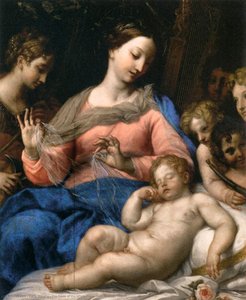
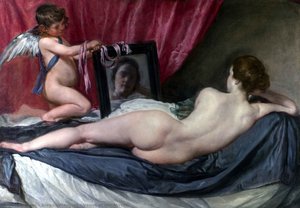
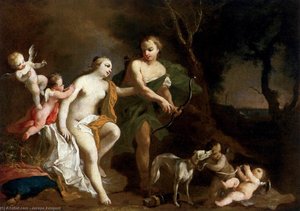
Биография художника
A Pioneer of the Natural World
In the vibrant and often dramatic landscape of the 17th-century French Baroque, few figures stand as uniquely as Brother Lesueur, known to history as Eustache Le Sueur. While his contemporaries were frequently swept up in the grand, sweeping narratives of mythology or the opulent displays of royal portraiture, Le Sueur turned his gaze toward a different kind of majesty: the intricate, often overlooked wonders of the animal kingdom. Born in Paris around 1617, he emerged not merely as a painter, but as a precursor to the scientific illustrators who would later define the Age of Enlightenment. His life’s work represents a profound intersection where the delicate touch of fine art meets the rigorous scrutiny of biological inquiry.
Le Sueur's artistic journey began with a foundation in classical discipline. He underwent an apprenticeship under Nicolas Boutet de Valois, a sculptor renowned for his allegorical works commissioned by the court of Louis XIII. This early exposure to the principles of proportion, anatomy, and classical beauty provided him with the technical vocabulary necessary to render form with absolute precision. However, where his mentor sought to idealize the human figure through stone, Le Suelar sought truth through the living—and sometimes the deceased—specimens of the natural world. This transition from the sculptural ideals of the academy to the empirical observations of a naturalist marked the beginning of a revolutionary artistic evolution.
The Art of Anatomical Precision
What truly distinguishes the work of Le Sueur is his uncompromising commitment to realism, a quality that transformed his studio into a space of scientific discovery. He did not merely paint what he imagined; he painted what he understood through direct observation. To achieve this level of unparalleled detail, Le Sueur engaged in a method that was radical for the 1600s: the study of anatomy via the dissection of carcasses obtained from royal hunts. This painstaking process allowed him to master the complex architecture of musculature, the delicate texture of feathers, and the rugged patterns of scales.
His technique was characterized by an extraordinary ability to capture the essence of life through physical accuracy. In his renderings, one can sense the weight of a limb, the sheen of wet fur, and the tension in a predator's stance. This dedication meant that his paintings functioned as both aesthetic triumphs and vital biological records. By integrating anatomical sketches with finished oil works, he bridged the gap between the artistic impulse and the scientific method, creating a legacy that predated the formal establishment of modern zoological illustration.
A Legacy of Sacred and Natural Splendor
While his contributions to animal painting are his most enduring scientific legacy, Le Sueur's repertoire was not limited to the wild. He possessed a remarkable versatility that allowed him to navigate the sacred themes prevalent in Baroque art. His religious compositions, such as the Presentation of the Virgin, demonstrate how he applied his mastery of detail and light to biblical narratives. In these works, the same meticulous attention to texture and form used for a bird's plumage was applied to the folds of holy drapery and the soft glow of divine light, creating a sense of profound, tangible presence.
The historical significance of Eustache Le Sueur lies in his role as a bridge between eras. He stood at the crossroads of the Baroque's emotional intensity and the burgeoning scientific curiosity of the next century. His ability to find the sublime within the anatomical has left an indelible mark on the history of French art. Through his eyes, the natural world was not just a backdrop for human drama, but a subject worthy of intense, reverent, and scientifically accurate study, cementing his reputation as a true pioneer of zoological art.
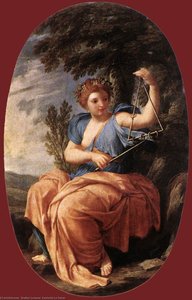
brother lesueur (eustache le sueur)
1616 - 1655 , France
Основные сведения
- Artistic Movement Or Style: Baroque Painting
- Artists Or Movements Influenced By This Artist: ['Rembrandt']
- Artists Who Influenced This Artist: ['Peter Paul Rubens']
- Date Of Birth: November 19, 1617
- Date Of Death: April 30, 1655
- Full Name: Eustache Le Sueur
- Nationality: French
- Notable Artworks:
- The Muses: Melpomene, Erato and Polyhymnia
- The Muses: Clio, Euterpe and Thalia
- Presentation of the Virgin
- Place Of Birth: Paris, France
Похожие статьи
Топ-10 произведений искусства для создания атмосферы спокойствия и гармонии | ArtsDot.com
Погрузитесь в мир спокойствия с топ-10 шедеврами искусства! От Моне до Ван Гога – откройте истории, техники и эмоции великих художников. Репродукции картин высокого качества для вашего интерьера на ArtsDot.com. Исследуйте коллекцию онлайн!
Simon Vouet: A Baroque Master's Journey from Italian Influence to French Classicism
Explore the life & art of Simon Vouet, a pivotal French Baroque painter who introduced Italian styles to France. Discover his masterpieces and lasting influence on 17th-century art.
Топ-10 шедевров искусства о спокойствии и умиротворении | ArtsDot
Погрузитесь в мир спокойствия с топ-10 шедеврами искусства! От Моне до Ван Гога – откройте истории, техники и вдохновение великих художников. Идеальные картины для медитации и гармонии в интерьере. Репродукции музейного качества на ArtsDot.com.
Celestial Messengers: Angels in Painting – A Historical & Artistic Exploration
Explore the captivating history of angels in painting! Discover symbolism, iconic Renaissance & Byzantine masterpieces, and renowned artists. Expert insights for art lovers & collectors at ArtsDot.
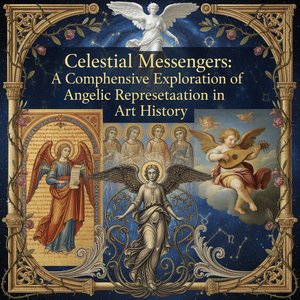
Celestial Messengers: A Comprehensive Exploration of Angelic Representation in Art History
Explore the captivating history of angels in art! Discover symbolism, iconic Renaissance masterpieces & renowned artists. Expert insights for art lovers & collectors at ArtsDot.