

 Предпросмотр
 Поделиться
 Поделиться
 Детали произведения

 Скачать
 Похожие работы
 Рентгенография
 Слайд-шоу
 Статистика
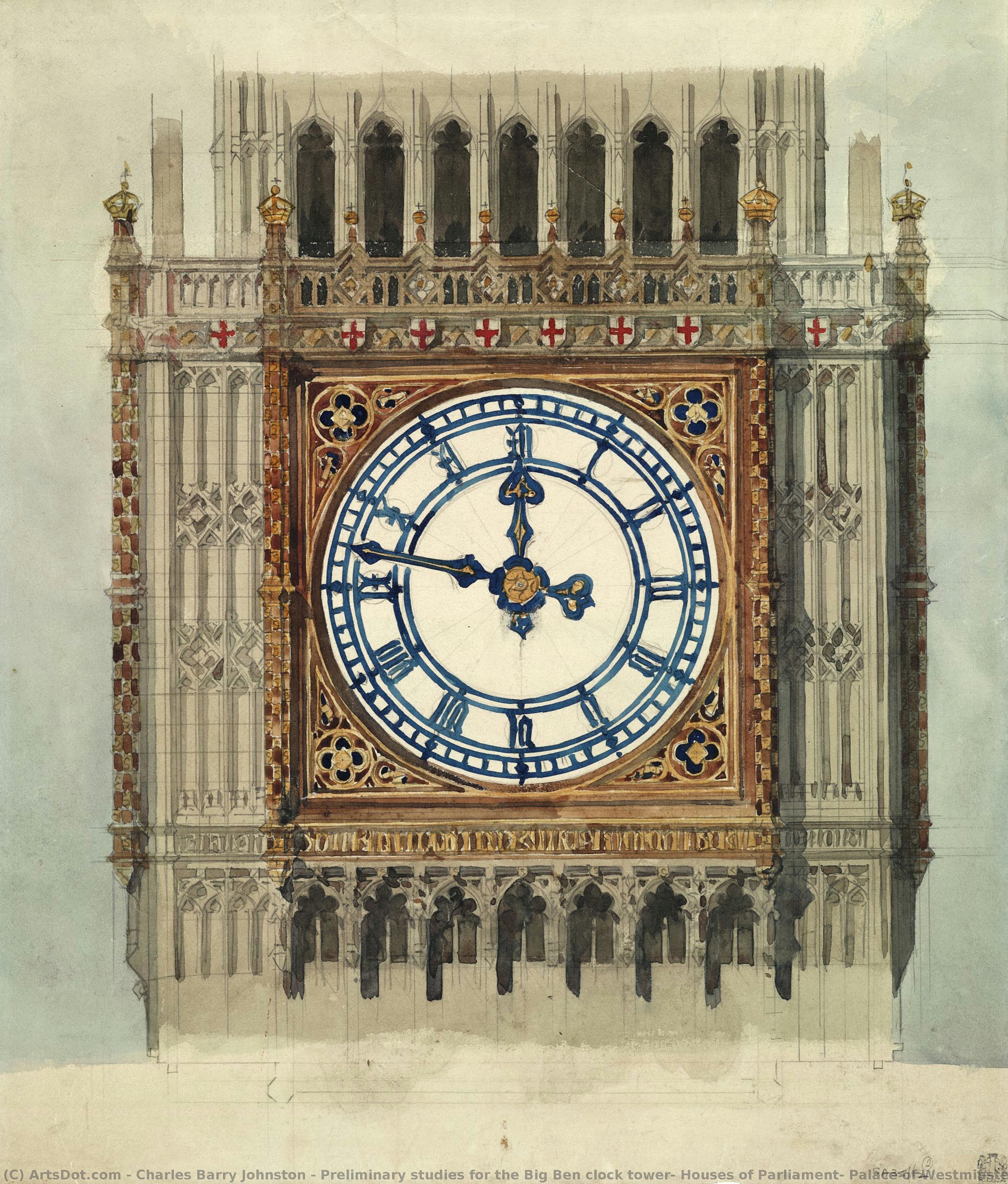
Preliminary studies for the Big Ben clock tower, Houses of Parliament, Palace of Westminster, London
 Oil On Canvas
- WallArt
- Romantic Realism
 1840
1840- 19th Century
 Ритейл Институт Британских Архитекторов (RIBA)
 Читать далее
Приобретите цифровое изображение высокого разрешения в улучшенном качестве, которое значительно превосходит онлайн-превью.
Каждый файл тщательно подготавливается нашими специалистами с использованием передовых инструментов и экспертной ручной ретуши. Мы гарантируем исключительную четкость, точную цветопередачу и детальную проработку каждого изображения.
Финальный файл доставляется по электронной почте в течение 72 часов и оптимизирован для немедленного использования в профессиональной среде, при верстке и печати. Это тот же уровень качества, которому доверяют ведущие дизайнерские студии, издательства и галереи.
Цифровое изображение
Скачайте файл высокого разрешения для личного использования, печати и творческих проектов. ( Перейти к печати Купить картину ручной работы)
Включено в каждый заказ цифровых изображений
Гарантия экспертной цифровой доставки
Выбирая ArtsDot.com, вы получаете не просто изображение — вы приобретаете профессионально обработанное цифровое произведение искусства, созданное с безупречной точностью и под защитой гарантии качества. Вот всё, что автоматически входит в ваш заказ:

Мгновенная доставка по e-mail
Ваш цифровой файл в высоком разрешении будет отправлен вам по электронной почте в течение 72 часов после оформления заказа — и сразу станет доступен для использования.

Цифровой файл с ИИ-улучшением
Ваше произведение искусства проходит профессиональную оптимизацию с использованием передовых инструментов ИИ и ручной обработки, что гарантирует максимальную детализацию, четкость и точность цветопередачи.

Бессрочная бесплатная повторная доставка
Случайно удалили или потеряли файл? Не беспокойтесь — мы отправим его вам повторно в любое время и совершенно бесплатно.

Без импортных пошлин — навсегда
Наслаждайтесь вашим произведением искусства мгновенно без таможенных пошлин, сборов или затрат на доставку — цифровые загрузки всегда не облагаются налогом.

Гарантия точности цветопередачи
Мы гарантируем, что ваше цифровое изображение максимально точно передает оригинальные цвета благодаря использованию профессиональных инструментов и систем управления цветом.

Гарантия удовлетворенности 100 дней
Если вы не будете удовлетворены своим цифровым изображением, мы внесем правки или вернем 100% стоимости в течение 100 дней — без лишних вопросов.

100% Гарантия возврата средств
Не удовлетворены покупкой? Получите полный возврат средств в течение 100 дней после получения цифрового файла — без лишних вопросов.

Скидки на оптовые заказы
Купите 3 изображения, сэкономьте 10% — Купите 5, сэкономьте 15% — Купите 10+, сэкономьте 20%. Отличное решение для творческих проектов, галерей и агентств.
A Chronicle in Stone and Time: Examining Johnston’s Preliminary Studies for Big Ben
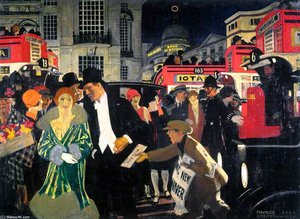
Charles Barry Johnston's preparatory sketches for the iconic Big Ben clock tower offer a captivating glimpse into the meticulous process of realizing one of Britain’s most enduring architectural marvels. Dating back to 1840, these studies transcend mere technical drawings; they are intimate records of a pivotal moment in London’s history and a testament to the visionary design of Charles Barry. The image itself captures a nascent vision – a complex interplay of Roman numerals, arches, and human figures that would eventually coalesce into the monumental structure we recognize today. Johnston's hand demonstrates not just an understanding of engineering principles but also a keen eye for capturing the dynamism of a bustling city scene, hinting at the social significance attached to this grand project.
The Context of Victorian Grandeur
- Victorian Ambition: These studies were created during the height of the Victorian era, a period defined by rapid industrialization, imperial expansion, and an unprecedented investment in public works. The Houses of Parliament and Big Ben represented Britain’s burgeoning power and its commitment to architectural innovation.
- Charles Barry's Design: Charles Barry’s design for the Palace of Westminster was revolutionary for its time, incorporating Gothic Revival elements alongside classical influences. This blending reflected a desire to evoke both historical grandeur and modern functionality.
- The Clock as Symbol: The clock tower itself quickly became synonymous with London – a symbol of precision, authority, and national identity. Its accurate timekeeping played a crucial role in the city’s administration and daily life.
Technique and Detail: Johnston's Approach
Johnston’s preliminary studies reveal a sophisticated approach to architectural rendering. The drawings are executed with remarkable detail, showcasing his mastery of linear perspective and shading techniques. Note the careful depiction of the clock face – the precise placement of the Roman numerals, the subtle gradations of tone used to suggest depth and texture. The inclusion of figures within the scene suggests an intention to portray not just the building itself but also its relationship with the surrounding urban environment. The use of charcoal and ink demonstrates a preference for a direct, expressive style, prioritizing observation and capturing the essence of the subject rather than adhering to rigid academic conventions.
Symbolism and Human Scale
Beyond the architectural elements, Johnston’s drawings subtly imbue the scene with symbolic meaning. The presence of people – rendered in varying degrees of detail – emphasizes the human scale of the project and its impact on daily life. They represent the workforce involved in construction, the officials who would govern from within the building, and the citizens who would rely on its timekeeping. The multiple clocks—one grand and imposing, others smaller and more intimate—suggest a layered understanding of time itself – both the measured passage of hours and the broader rhythms of history.
Recreating the Vision: A Hand-Painted Reproduction
ArtsDot.com offers a meticulously crafted hand-painted reproduction of Charles Barry Johnston’s preliminary studies for Big Ben, capturing the essence of this remarkable artwork. Our skilled artisans employ traditional techniques to faithfully recreate Johnston's original drawings, ensuring that every detail – from the intricate clock face to the subtle nuances of shading – is reproduced with exceptional accuracy. This reproduction serves not only as a beautiful piece of art but also as a tangible connection to a pivotal moment in London’s history and the creative genius of Charles Barry Johnston.
Похожие произведения


Биография художника
A Tapestry of Sound and Sight: The Creative Journey of Charles Barry Johnston
Born on April 17, 1949, in the historic heart of Paddington, England, Charles Barry Johnston embodies the rare spirit of a true polymath. His life has been a continuous dialogue between different forms of storytelling, where the cadence of a spoken word is as vital as the stroke of a brush. Growingly influenced by a lineage of profound communicators—most notably his father, the legendary BBC cricket commentator Brian Johnston—Charles developed an early sensitivity to the power of narrative. This upbringing in a world of broadcast and performance laid the foundation for a career that would eventually weave together the disparate threads of music, radio, literature, and visual art into a singular, cohesive tapestry of human expression.
The 1970s marked a vibrant chapter in his development, as he immersed himself in the rhythmic pulse of the British music scene. As a member of the vocal group Design, Johnston experienced firsthand the emotional resonance of melody and harmony. This period was not merely a musical endeavor but a formative lesson in structure and sentiment, teaching him how subtle shifts in tone can evoke profound responses in an audience. This musicality would later inform his work as an award-catching audiobook producer, where he mastered the delicate art of sculpting soundscapes. In the studio, he worked with meticulous care to ensure that every inflection and pause served the larger story, collaborating with renowned authors to breathe life into biographies and historical accounts.
The Architecture of Emotion and Narrative
As his creative horizons expanded, Johnston’s work began to reflect a deep fascination with history and the enduring weight of classical themes. His artistic sensibilities, shaped by an education that touched upon both the architectural and the fine arts, allowed him to approach his subjects with a unique structural clarity. Whether he was editing the life stories of figures like Kenneth Horne or exploring the visual grandeur of London’s landmarks, there is always a sense of underlying architecture in his work—a framework of truth upon which emotion can be draped. His ability to navigate between the auditory world of radio broadcasting and the tactile world of literary production demonstrates a versatile intellect capable of capturing the essence of a subject across multiple dimensions.
In his visual explorations, Johnston often draws from the wellspring of classical literature and historical significance. He possesses a remarkable ability to translate the internal struggles of iconic characters into visual or descriptive forms. His interest in themes of religion, literature, and contemporary social issues allows him to create works that are both deeply personal and universally resonant. By focusing on the movement of figures and the dramatic tension within a scene, he captures the fleeting moments of human frailty and majesty. This dedication to capturing the "soul" of his subjects—be they historical figures or literary legends—ensures that his body of work remains a profound meditation on the human condition.
A Legacy of Storytelling
The significance of Charles Barry Johnston’s career lies in his refusal to be confined by a single medium. He has successfully bridged the gap between the ephemeral nature of sound and the permanence of the written and visual word. His achievements are not merely found in awards or professional milestones, but in the way he has enriched the cultural landscape through his dedication to authenticity and detail. Through his work, we see a lifelong commitment to the idea that all art forms are interconnected, each serving as a different lens through which we might view the complexities of history and imagination.
Reflecting on his vast contributions, several key pillars of his artistic identity emerge:
- The Power of Voice: His mastery of audio production and radio presenting, which brought historical narratives to life for a global audience.
- Musical Foundation: The influence of his time in the music industry, which instilled a sense of rhythm and emotional pacing in all his creative pursuits.
- Historical Reverence: A profound respect for the past, seen in his biographical works and his fascination with architectural and literary heritage.
- Multidisciplinary Vision: The seamless integration of songwriting, writing, broadcasting, and visual study into a unified artistic philosophy.

charles barry johnston
1949 - , United Kingdom
Основные сведения
- Artistic Movement Or Style: Blend of musical background & writing experience
- Artists Or Movements Influenced By This Artist: ['']
- Artists Who Influenced This Artist: ['Brian Johnston']
- Date Of Birth: April 17, 1949
- Full Name: Charles Barry Johnston
- Nationality: British
- Notable Artworks:
- King Lear
- Preliminary studies for the Big Ben clock tower
- Place Of Birth: Paddington, United Kingdom