

 Предпросмотр
 Поделиться
 Поделиться
 Детали произведения

 Скачать
 Похожие работы
 Рентгенография
 Слайд-шоу
 Статистика
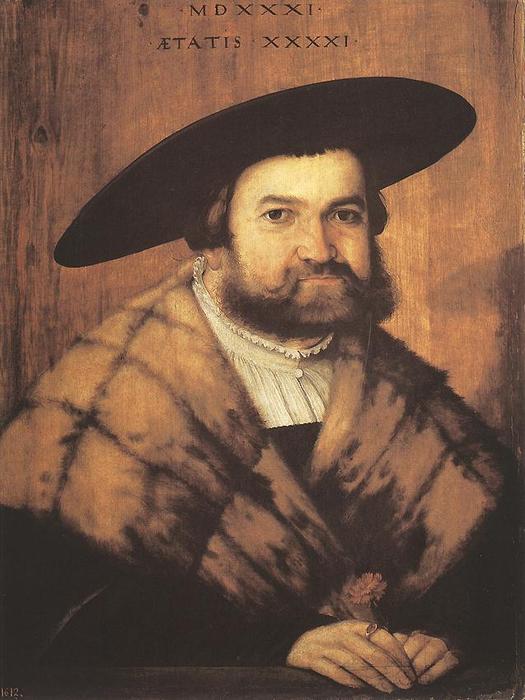
Goldsmith Jörg Zürer of Augsburg
 Oil On Panel
- Northern Renaissance
 1531
1531- Renaissance
 78.0 x 51.0 cm
 Музей Прадо
 Читать далее
Приобретите цифровое изображение высокого разрешения в улучшенном качестве, которое значительно превосходит онлайн-превью.
Каждый файл тщательно подготавливается нашими специалистами с использованием передовых инструментов и экспертной ручной ретуши. Мы гарантируем исключительную четкость, точную цветопередачу и детальную проработку каждого изображения.
Финальный файл доставляется по электронной почте в течение 72 часов и оптимизирован для немедленного использования в профессиональной среде, при верстке и печати. Это тот же уровень качества, которому доверяют ведущие дизайнерские студии, издательства и галереи.
Цифровое изображение
Скачайте файл высокого разрешения для личного использования, печати и творческих проектов. ( Перейти к печати Купить картину ручной работы)
Включено в каждый заказ цифровых изображений
Гарантия экспертной цифровой доставки
Выбирая ArtsDot.com, вы получаете не просто изображение — вы приобретаете профессионально обработанное цифровое произведение искусства, созданное с безупречной точностью и под защитой гарантии качества. Вот всё, что автоматически входит в ваш заказ:

Мгновенная доставка по e-mail
Ваш цифровой файл в высоком разрешении будет отправлен вам по электронной почте в течение 72 часов после оформления заказа — и сразу станет доступен для использования.

Цифровой файл с ИИ-улучшением
Ваше произведение искусства проходит профессиональную оптимизацию с использованием передовых инструментов ИИ и ручной обработки, что гарантирует максимальную детализацию, четкость и точность цветопередачи.

Бессрочная бесплатная повторная доставка
Случайно удалили или потеряли файл? Не беспокойтесь — мы отправим его вам повторно в любое время и совершенно бесплатно.

Без импортных пошлин — навсегда
Наслаждайтесь вашим произведением искусства мгновенно без таможенных пошлин, сборов или затрат на доставку — цифровые загрузки всегда не облагаются налогом.

Гарантия точности цветопередачи
Мы гарантируем, что ваше цифровое изображение максимально точно передает оригинальные цвета благодаря использованию профессиональных инструментов и систем управления цветом.

Гарантия удовлетворенности 100 дней
Если вы не будете удовлетворены своим цифровым изображением, мы внесем правки или вернем 100% стоимости в течение 100 дней — без лишних вопросов.

100% Гарантия возврата средств
Не удовлетворены покупкой? Получите полный возврат средств в течение 100 дней после получения цифрового файла — без лишних вопросов.

Скидки на оптовые заказы
Купите 3 изображения, сэкономьте 10% — Купите 5, сэкономьте 15% — Купите 10+, сэкономьте 20%. Отличное решение для творческих проектов, галерей и агентств.
A Glimpse into Renaissance Grandeur: The Portrait of Jörg Zürer
To stand before The Goldsmith Jörg Zürer of Augsburg is to step directly across the threshold of the early sixteenth century. This magnificent oil on panel, executed by Christoph Amberger in 1531, transcends mere portraiture; it is a meticulously preserved window into the material culture, social aspirations, and quiet dignity of an artisan from Renaissance Augsburg. The subject himself, Jörg Zürer, was not merely wealthy—as suggested by his opulent fur-lined coat and wide-brimmed hat—but he represents the rising class of skilled craftsmen whose patronage fueled the artistic brilliance of the era. Amberger captured more than just a likeness; he immortalized a moment of established status.
Mastery in Technique: The Art of Light and Shadow
What immediately captivates the viewer is the sheer technical virtuosity on display. Amberger’s handling of paint is nothing short of breathtaking. Observe the fine brushwork used to render the texture of Zürer's garments; one can almost feel the nap of the fur or the weight of the heavy fabric. This attention to tactile detail, characteristic of Northern Renaissance masters, elevates the portrait from a flat depiction to a dimensional reality. Furthermore, Amberger employs light and shadow with an almost scientific precision. The subtle gradations of tone sculpt Zürer’s features, lending his contemplative expression a profound sense of depth and psychological weight. It is this masterful interplay between illumination and obscurity that gives the piece its enduring lifelike quality.
Symbolism and Social Standing in Renaissance Dress
Every element within the composition speaks volumes about Jörg Zürer’s place in society. The richness of his attire serves as a visual testament to his success as a goldsmith—a trade requiring both immense skill and considerable capital. These garments are not simply clothing; they are markers of achievement, communicating status to all who beheld them. Coupled with the inscription visible at the top, which references dates and ages, the painting functions almost as a commemorative document, solidifying Zürer’s identity and success for posterity. The background's relative minimalism ensures that all focus remains squarely on the man, his bearing, and the narrative woven into his presentation.
Bringing History Home: Owning a Piece of Art History
For the discerning collector or designer seeking to infuse a space with authentic historical gravitas, reproductions of this work offer an unparalleled opportunity. While the original resides in the esteemed halls of the Museo del Prado, owning a high-quality hand-painted reproduction allows one to integrate the sophisticated narrative and exquisite detail of Amberger’s genius into a modern setting. It is more than decoration; it is an heirloom piece that invites conversation, sparking dialogues about craftsmanship, history, and the enduring human spirit captured by the brush.
Похожие произведения

Биография художника
Christoph Amberger: The Silent Witness of Augsburg’s Renaissance
Christoph Amberger (c. 1505 – 1562) stands as a quietly influential figure within the artistic landscape of Augsburg during the High Renaissance—a painter whose legacy resides not in grand monuments or flamboyant commissions, but in the meticulous detail and humanist spirit captured within his portraits and biblical narratives. Born into a family steeped in craftsmanship—his father a stonemason and grandfather a woodcarver—Amberger’s formative years instilled an appreciation for precision and artistry that would permeate his entire oeuvre. His artistic journey began under the tutelage of Hans Holbein the Younger, arguably Augsburg's most celebrated painter at the time, forging a connection with Holbein’s distinctive style characterized by crisp realism and psychological depth. This mentorship proved pivotal, shaping Amberger’s approach to depicting human subjects—particularly evident in his prolific series illustrating Joseph’s Life, twelve canvases that meticulously recount biblical events with remarkable accuracy and symbolic resonance. These paintings aren't merely representations of scripture; they are carefully constructed visual dialogues exploring themes of faith, virtue, and divine providence. The influence of Holbein’s masterful use of light and shadow—a technique he termed “sfumato”—is palpable in Amberger’s own compositions, subtly blurring contours and creating an atmosphere of contemplative solemnity. Amberger’s artistic activity flourished amidst the burgeoning intellectual and economic dynamism of Augsburg—a city at the epicenter of European trade and patronage. He regularly traveled to Augsburg, engaging with prominent figures like Jakob Fugger, Konrad Peutinger, and Georg von Frundsberg – individuals whose portraits he undertook, securing commissions from wealthy merchants and civic leaders. These portraits are not simply likenesses; they convey a profound understanding of their subjects’ character—revealing their inner lives through subtle gestures and expressions. Amberger skillfully captured the dignity and gravitas of Augsburg's elite, reflecting the humanist ideals that underpinned the city’s cultural prestige. Furthermore, Amberger ventured into Northern Italy between 1525 and 1527, immersing himself in the artistic fervor of Venice and Florence, absorbing influences from Leonardo da Vinci and Michelangelo. This exposure broadened his stylistic horizons and enriched his understanding of humanist ideals—particularly the exploration of human anatomy and emotion as depicted by Michelangelo’s monumental sculptures and frescoes. The Emperor Charles V commissioned several portraits from Amberger, cementing his reputation as a court artist and demonstrating the esteem accorded to Augsburg’s artistic talent. His meticulous technique—primarily employing oil paints—allowed him to achieve unparalleled luminosity and textural nuance, capturing subtle expressions and conveying psychological complexity with remarkable subtlety. Unlike Holbein's bolder brushstrokes, Amberger favored a more restrained palette and refined compositional arrangements, prioritizing clarity of form and harmonious balance. He skillfully rendered the regal bearing of Charles V, emphasizing his stature and projecting an aura of authority—a testament to Amberger’s ability to translate humanist ideals into visual grandeur. Amberger's contribution to Augsburg’s artistic heritage extends beyond his portraits; he was also a prolific fresco painter, adorning churches and civic buildings with scenes from biblical history and religious iconography. His frescoes exemplify the humanist aesthetic prevalent during the period—integrating classical motifs alongside Christian narratives—reflecting the broader cultural currents shaping Renaissance Europe. Christoph Amberger's enduring influence lies in his ability to synthesize Holbein’s realism with Augsburg’s humanist spirit, securing his place as a pivotal artist of the sixteenth century and a silent witness to the grandeur of Augsburg’s renaissance. His most celebrated work remains the “History of Joseph,” twelve canvases that stand as monuments to biblical storytelling—a testament to Amberger's dedication to detail, symbolism, and artistic excellence.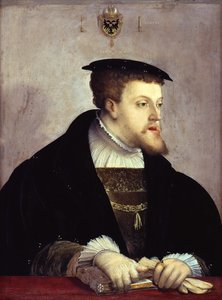
Христоф Амбергер
1505 - 1562 , Германия
Основные сведения
- Artistic Movement Or Style: Renaissance
- Artists Or Movements Influenced By This Artist: Итальянское Возрождение
- Artists Who Influenced This Artist: Хан Хольбеин Младший
- Date Of Birth: c. 1505
- Date Of Death: 1562
- Full Name: Christoph Amberger
- Nationality: German
- Notable Artworks: ['История Иосифа']
- Place Of Birth: Berlin, Germany