

 Предпросмотр
 Поделиться
 Поделиться
 Детали произведения

 Скачать
 Похожие работы
 Рентгенография
 Слайд-шоу
 Статистика
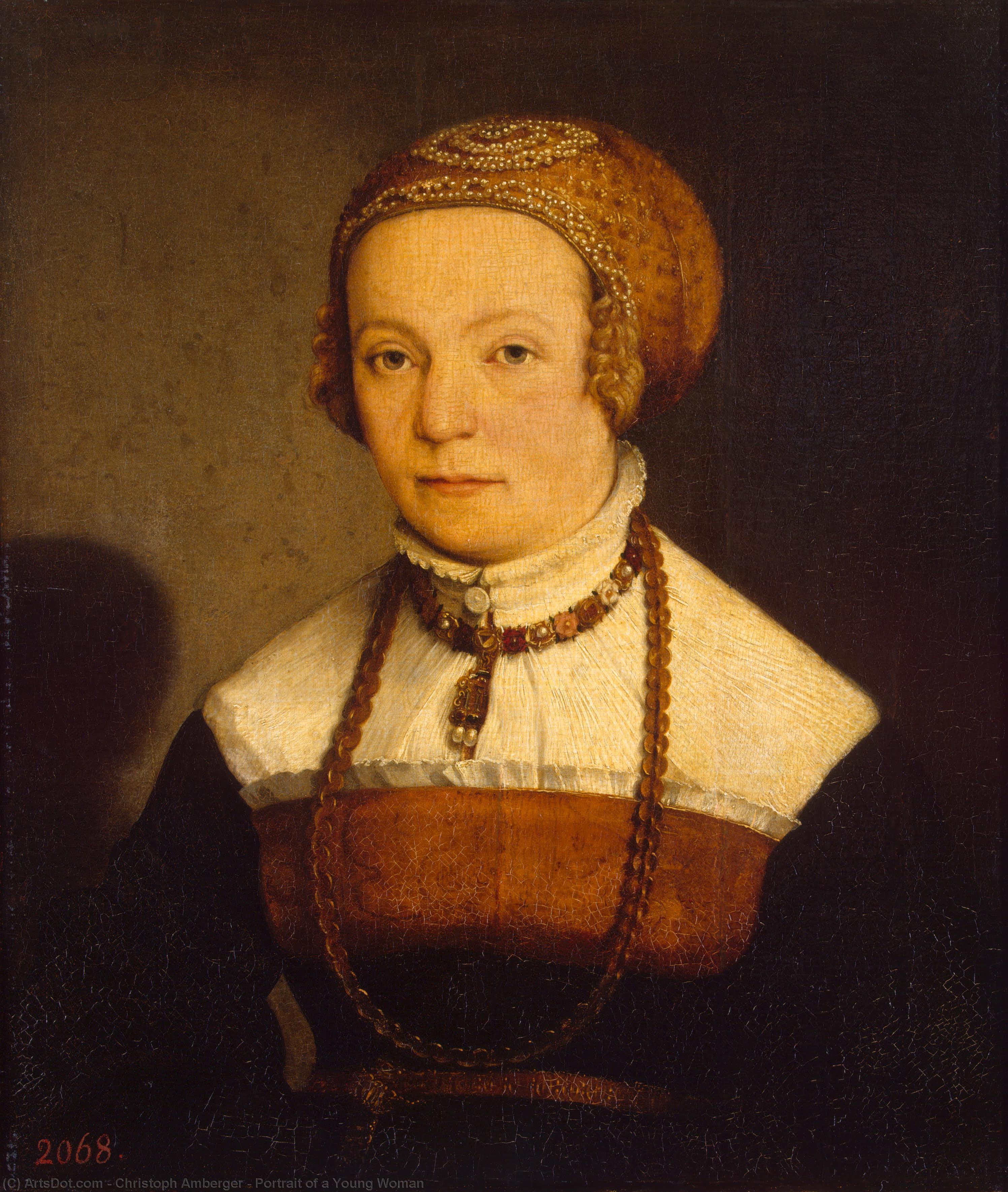
Portrait of a Young Woman
 Oil On Canvas
- WallArt
- Early Netherlandish Painting
 51.0 x 43.0 cm
 Эрмитаж
 Читать далее
Приобретите цифровое изображение высокого разрешения в улучшенном качестве, которое значительно превосходит онлайн-превью.
Каждый файл тщательно подготавливается нашими специалистами с использованием передовых инструментов и экспертной ручной ретуши. Мы гарантируем исключительную четкость, точную цветопередачу и детальную проработку каждого изображения.
Финальный файл доставляется по электронной почте в течение 72 часов и оптимизирован для немедленного использования в профессиональной среде, при верстке и печати. Это тот же уровень качества, которому доверяют ведущие дизайнерские студии, издательства и галереи.
Цифровое изображение
Скачайте файл высокого разрешения для личного использования, печати и творческих проектов. ( Перейти к печати Купить картину ручной работы)
Включено в каждый заказ цифровых изображений
Гарантия экспертной цифровой доставки
Выбирая ArtsDot.com, вы получаете не просто изображение — вы приобретаете профессионально обработанное цифровое произведение искусства, созданное с безупречной точностью и под защитой гарантии качества. Вот всё, что автоматически входит в ваш заказ:

Мгновенная доставка по e-mail
Ваш цифровой файл в высоком разрешении будет отправлен вам по электронной почте в течение 72 часов после оформления заказа — и сразу станет доступен для использования.

Цифровой файл с ИИ-улучшением
Ваше произведение искусства проходит профессиональную оптимизацию с использованием передовых инструментов ИИ и ручной обработки, что гарантирует максимальную детализацию, четкость и точность цветопередачи.

Бессрочная бесплатная повторная доставка
Случайно удалили или потеряли файл? Не беспокойтесь — мы отправим его вам повторно в любое время и совершенно бесплатно.

Без импортных пошлин — навсегда
Наслаждайтесь вашим произведением искусства мгновенно без таможенных пошлин, сборов или затрат на доставку — цифровые загрузки всегда не облагаются налогом.

Гарантия точности цветопередачи
Мы гарантируем, что ваше цифровое изображение максимально точно передает оригинальные цвета благодаря использованию профессиональных инструментов и систем управления цветом.

Гарантия удовлетворенности 100 дней
Если вы не будете удовлетворены своим цифровым изображением, мы внесем правки или вернем 100% стоимости в течение 100 дней — без лишних вопросов.

100% Гарантия возврата средств
Не удовлетворены покупкой? Получите полный возврат средств в течение 100 дней после получения цифрового файла — без лишних вопросов.

Скидки на оптовые заказы
Купите 3 изображения, сэкономьте 10% — Купите 5, сэкономьте 15% — Купите 10+, сэкономьте 20%. Отличное решение для творческих проектов, галерей и агентств.
A Quiet Dignity: Christoph Amberger’s Portrait of a Young Woman
Christoph Amberger's "Portrait of a Young Woman," painted circa 1548, is not merely a depiction of an individual; it’s a carefully constructed window into the burgeoning humanist ideals and artistic sensibilities of Augsburg during the High Renaissance. Often overshadowed by the more flamboyant portraits of Hans Holbein, Amberger’s work possesses a subtle power—a quiet dignity born from meticulous observation and a deep understanding of human psychology. This painting, residing within the Hermitage Museum in St. Petersburg, offers a poignant glimpse into a world where portraiture served as both a commemoration and a reflection of social status.
The subject herself is rendered with remarkable realism for her time. Her face, characterized by its relatively flat planes and subtly spaced features – a characteristic often interpreted as reflecting the influence of Holbein’s style – avoids idealized beauty in favor of an honest portrayal. There's a certain vulnerability in her gaze, a hint of introspection that invites the viewer to contemplate her inner life. The simplicity of her attire—a dark gown and a delicate scarf—further emphasizes her face, drawing attention to the nuances of expression and the subtle play of light and shadow across her skin.
The Early Netherlandish Influence
Amberger’s approach is firmly rooted in the traditions of Early Netherlandish painting, a style he honed under the tutelage of Hans Holbein the Younger. This lineage is evident in his masterful use of oil paint—a relatively new medium at the time—to build up form and create luminous surfaces. The layering technique allows for incredible detail, particularly in the rendering of fabrics and textures, while simultaneously achieving a remarkable sense of depth and atmosphere. The muted color palette – dominated by browns, grays, and blacks – contributes to the painting’s somber yet dignified mood.
Crucially, Amberger departs from purely representational goals. He wasn't simply aiming for an accurate likeness; he was striving to capture a *tronie*—a Dutch term denoting a type of portrait that prioritized capturing a particular expression or character rather than a specific individual. This focus on psychological depth is what elevates the painting beyond a simple likeness, transforming it into a study of human emotion and personality.
Historical Context and Artistic Significance
Christoph Amberger’s life was inextricably linked to Augsburg's vibrant cultural scene during the Renaissance. Born in 1505, he witnessed the city’s rise as a center for trade, art, and learning. His father’s background as a stonemason and his grandfather’s expertise in woodcarving instilled in him an appreciation for craftsmanship and precision—qualities that undoubtedly informed his artistic practice. He spent time traveling to Italy, absorbing the influences of Renaissance masters like Leonardo da Vinci and Raphael.
The portrait's creation coincided with a period of significant social and political change in Augsburg. The Fugger family, one of Europe’s wealthiest merchant dynasties, exerted considerable influence over the city’s affairs, commissioning portraits from artists like Amberger to commemorate their status and lineage. This painting likely served as part of a series intended to document the prominent figures of Augsburg's elite.
Symbolism and Emotional Resonance
While the symbolism within the portrait is subtle, it speaks volumes about the era’s values. The young woman’s reserved demeanor reflects the prevailing ideals of female virtue—modesty, chastity, and piety. The dark background serves to isolate her, drawing attention to her face and inviting contemplation. There's a sense of quiet dignity and composure that permeates the painting – a feeling of inner strength and resilience.
“Portrait of a Young Woman” is more than just a beautiful artwork; it’s a testament to Amberger’s skill as an artist and his ability to capture the essence of human character. It offers a rare glimpse into the social and cultural landscape of Augsburg during the High Renaissance, inviting viewers to pause and reflect on the enduring power of portraiture to reveal both the outward appearance and the inner life of its subject.
Похожие произведения





Биография художника
Christoph Amberger: The Silent Witness of Augsburg’s Renaissance
Christoph Amberger (c. 1505 – 1562) stands as a quietly influential figure within the artistic landscape of Augsburg during the High Renaissance—a painter whose legacy resides not in grand monuments or flamboyant commissions, but in the meticulous detail and humanist spirit captured within his portraits and biblical narratives. Born into a family steeped in craftsmanship—his father a stonemason and grandfather a woodcarver—Amberger’s formative years instilled an appreciation for precision and artistry that would permeate his entire oeuvre. His artistic journey began under the tutelage of Hans Holbein the Younger, arguably Augsburg's most celebrated painter at the time, forging a connection with Holbein’s distinctive style characterized by crisp realism and psychological depth. This mentorship proved pivotal, shaping Amberger’s approach to depicting human subjects—particularly evident in his prolific series illustrating Joseph’s Life, twelve canvases that meticulously recount biblical events with remarkable accuracy and symbolic resonance. These paintings aren't merely representations of scripture; they are carefully constructed visual dialogues exploring themes of faith, virtue, and divine providence. The influence of Holbein’s masterful use of light and shadow—a technique he termed “sfumato”—is palpable in Amberger’s own compositions, subtly blurring contours and creating an atmosphere of contemplative solemnity. Amberger’s artistic activity flourished amidst the burgeoning intellectual and economic dynamism of Augsburg—a city at the epicenter of European trade and patronage. He regularly traveled to Augsburg, engaging with prominent figures like Jakob Fugger, Konrad Peutinger, and Georg von Frundsberg – individuals whose portraits he undertook, securing commissions from wealthy merchants and civic leaders. These portraits are not simply likenesses; they convey a profound understanding of their subjects’ character—revealing their inner lives through subtle gestures and expressions. Amberger skillfully captured the dignity and gravitas of Augsburg's elite, reflecting the humanist ideals that underpinned the city’s cultural prestige. Furthermore, Amberger ventured into Northern Italy between 1525 and 1527, immersing himself in the artistic fervor of Venice and Florence, absorbing influences from Leonardo da Vinci and Michelangelo. This exposure broadened his stylistic horizons and enriched his understanding of humanist ideals—particularly the exploration of human anatomy and emotion as depicted by Michelangelo’s monumental sculptures and frescoes. The Emperor Charles V commissioned several portraits from Amberger, cementing his reputation as a court artist and demonstrating the esteem accorded to Augsburg’s artistic talent. His meticulous technique—primarily employing oil paints—allowed him to achieve unparalleled luminosity and textural nuance, capturing subtle expressions and conveying psychological complexity with remarkable subtlety. Unlike Holbein's bolder brushstrokes, Amberger favored a more restrained palette and refined compositional arrangements, prioritizing clarity of form and harmonious balance. He skillfully rendered the regal bearing of Charles V, emphasizing his stature and projecting an aura of authority—a testament to Amberger’s ability to translate humanist ideals into visual grandeur. Amberger's contribution to Augsburg’s artistic heritage extends beyond his portraits; he was also a prolific fresco painter, adorning churches and civic buildings with scenes from biblical history and religious iconography. His frescoes exemplify the humanist aesthetic prevalent during the period—integrating classical motifs alongside Christian narratives—reflecting the broader cultural currents shaping Renaissance Europe. Christoph Amberger's enduring influence lies in his ability to synthesize Holbein’s realism with Augsburg’s humanist spirit, securing his place as a pivotal artist of the sixteenth century and a silent witness to the grandeur of Augsburg’s renaissance. His most celebrated work remains the “History of Joseph,” twelve canvases that stand as monuments to biblical storytelling—a testament to Amberger's dedication to detail, symbolism, and artistic excellence.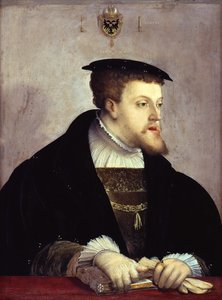
Христоф Амбергер
1505 - 1562 , Германия
Основные сведения
- Artistic Movement Or Style: Renaissance
- Artists Or Movements Influenced By This Artist: Итальянское Возрождение
- Artists Who Influenced This Artist: Хан Хольбеин Младший
- Date Of Birth: c. 1505
- Date Of Death: 1562
- Full Name: Christoph Amberger
- Nationality: German
- Notable Artworks: ['История Иосифа']
- Place Of Birth: Berlin, Germany