

 Поделиться
 Поделиться
 Детали произведения

 Скачать
 Похожие работы
 Слайд-шоу
 Статистика
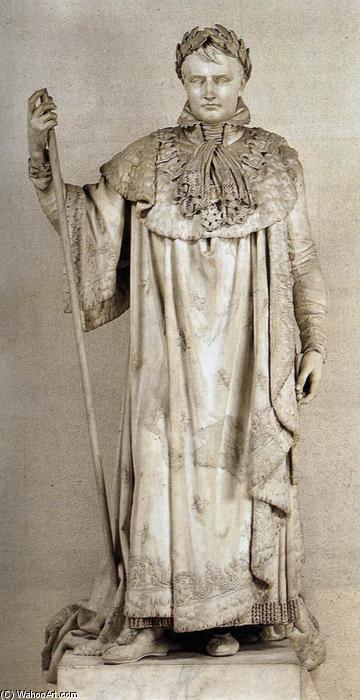
Napoleon I in his Coronation Costume


 Читать далее
Масляная репродукция ручной работы
Картина маслом на холсте в выбранном вами размере и раме, написанная на заказ нашими художниками. ( Перейти к печати Перейти к цифровым изображениям)




































Выберите один из наших стандартных размеров, соответствующих оригинальным пропорциям произведения искусства.

Вы можете указать собственные размеры, чтобы картина идеально вписалась в выбранную раму или пространство. Если выбранный вами размер не соответствует пропорциям оригинала, мы либо обрежем полотно, либо расширим его за счет дополнительных элементов, написанных вручную. Цифровой макет будет отправлен вам на утверждение перед началом производства.
Обратите внимание, что предварительный просмотр на экране не отражает фактическую обрезку или расширение. Только макет точно покажет окончательную композицию.
Хотя доступны индивидуальные размеры, мы рекомендуем выбирать вариант из предопределенного списка, чтобы сохранить исходные пропорции.
После оформления заказа команда ArtsDot.com свяжется с клиентом по электронной почте для уточнения деталей и предоставит предварительный макет
Доставка по всему миру () за 3–4 недели вместо стандартных 5 недель. (12 Сентябрь). Без компромиссов в качестве.

Бесплатная экспресс-доставка по всему миру

Высококачественный льняной холст

Полное страхование доставки

Гарантия возмещения таможенных пошлин

Гарантия точного соответствия цветов

100-дневная политика возврата (только при обнаружении дефектов)

Гарантия возврата 100% средств

Предложение оптовых скидок
 Вариант со стеклом доступен только для размеров менее 110 см

Napoleon I in his Coronation Costume
Техника репродукции
Размер репродукции
-


Итоговая стоимость
$ 263
A Regal Portrait of Imperial Power: Claude Ramey’s “Napoleon I in his Coronation Costume”
Standing before us is more than just a marble statue; it's a meticulously crafted embodiment of power, ceremony, and the enduring legacy of Napoleon Bonaparte. Created in 1813 by the esteemed French sculptor Claude Ramey, this remarkable piece captures the emperor not as a battlefield commander, but as a figure of profound majesty within the opulent setting of his coronation. The statue’s commanding presence immediately draws the eye, inviting contemplation on the political and artistic forces that shaped its creation during a pivotal moment in European history.
Ramey's skill lies not merely in replicating form, but in imbuing the marble with an almost palpable sense of weight and dignity. The statue’s composition is strikingly centered, emphasizing Napoleon’s imposing stature – his broad shoulders, firm stance, and the deliberate posture of a ruler surveying his domain. The detail is astonishing; from the intricate folds of the richly embroidered coronation robes to the laurel wreath encircling his head, every element speaks to the grandeur of the occasion. The lighting, though captured in a photograph, suggests a carefully orchestrated illumination designed to highlight the statue’s texture and form, creating subtle shadows that define the musculature and drapery with remarkable precision.
Neoclassical Grandeur: Style and Technique
“Napoleon I in his Coronation Costume” is a quintessential example of Neoclassicism, a style deeply rooted in the ideals of ancient Greece and Rome. Ramey masterfully employs classical principles of proportion, balance, and idealized form to depict Napoleon. The statue’s smooth surfaces, flowing drapery, and restrained emotion align perfectly with the movement's emphasis on order, reason, and civic virtue – qualities that Napoleon sought to associate himself with after his rise to power. The sculpting technique itself is a testament to Ramey’s mastery; he skillfully manipulates the marble to achieve an astonishing level of realism while maintaining a formal, almost sculptural quality. The use of polished marble creates a luminous effect, reflecting light and enhancing the statue's visual impact.
Symbolism Woven into Stone
Beyond its aesthetic qualities, the sculpture is rich in symbolic meaning. Napoleon’s coronation attire – the crimson robes, the golden embellishments, the laurel wreath – are all potent emblems of imperial authority. The staff he carries represents his power and dominion, while the laurel wreath signifies victory and honor. The statue's placement within a formal, ceremonial setting further reinforces this symbolism, transforming it into a visual statement about Napoleon’s ambition and his desire to establish himself as a legitimate heir to Roman emperors. It is a deliberate attempt to connect his reign with a glorious past, bolstering his claim to leadership.
A Window into the Napoleonic Era
This remarkable sculpture offers a valuable glimpse into the political and artistic climate of post-revolutionary France. Commissioned shortly after Napoleon’s coronation, it reflects the emperor's efforts to legitimize his rule and project an image of stability and grandeur. The statue served not only as a symbol of imperial power but also as a powerful propaganda tool, designed to inspire loyalty and awe among the French populace. Further research reveals that Ramey was a prominent figure in Parisian art circles during this period, and his work played a significant role in shaping the visual landscape of the Napoleonic era. The image’s sepia tone adds an element of historical distance, reminding us that we are viewing a moment frozen in time – a testament to the enduring power of art to capture and convey the spirit of its age.
Bringing History Home: Reproductions and Inspiration
Today, reproductions of “Napoleon I in his Coronation Costume” continue to captivate audiences worldwide. Whether adorning a grand salon or a private study, this iconic artwork evokes a sense of timeless elegance and imperial authority. Its powerful composition and rich symbolism make it an ideal choice for collectors seeking to add a touch of historical gravitas to their spaces. Consider the impact of Ramey’s masterful execution – the way he has captured not just Napoleon's likeness but also his very essence as a ruler, a visionary, and a figure who irrevocably shaped the course of European history.
Похожие произведения
Похожие статьи

The Enduring Form: Sculpture Across History, Technique & Emotional Resonance
Explore the rich history of sculpture with ArtsDot. Discover key techniques, influential artists & investment potential for discerning collectors. Expert insights into valuing and collecting timeless masterpieces.

10 легендарных бронзовых шедевров, изменивших искусство | ArtsDot
Погрузитесь в мир великих бронзовых шедевров! От Давида Донателло до Мыслителя Родена – узнайте историю создания, технику и значение легендарных скульптур. Вдохновение для интерьера и музейное качество репродукций на ArtsDot.com.

Топ-25 шедевров Клода Моне: Искусство света и импрессионизма для вашего интерьера
Погрузитесь в мир Клода Моне! 25 шедевров импрессионизма, от "Водных лилий" до знаменитых пейзажей. Узнайте историю создания картин и вдохновитесь для декора интерьера. Репродукции музейного качества на ArtsDot.com.

10 легендарных бронзовых скульптур, изменивших искусство навсегда | ArtsDot
Погрузитесь в мир великих бронзовых скульптур! От Давида Микеланджело до работ Родена – история искусства, техники и вдохновения. Купите репродукции шедевров для вашего интерьера на ArtsDot.com

The Enduring Form: Exploring Themes & Techniques in Sculpture Across Historical Periods
Explore the rich history of sculpture from ancient masterpieces to contemporary innovations. Discover key techniques, influential artists & investment potential for discerning art collectors.