

 Предпросмотр
 Поделиться
 Поделиться
 Детали произведения

 Скачать
 Похожие работы
 Рентгенография
 Слайд-шоу
 Статистика
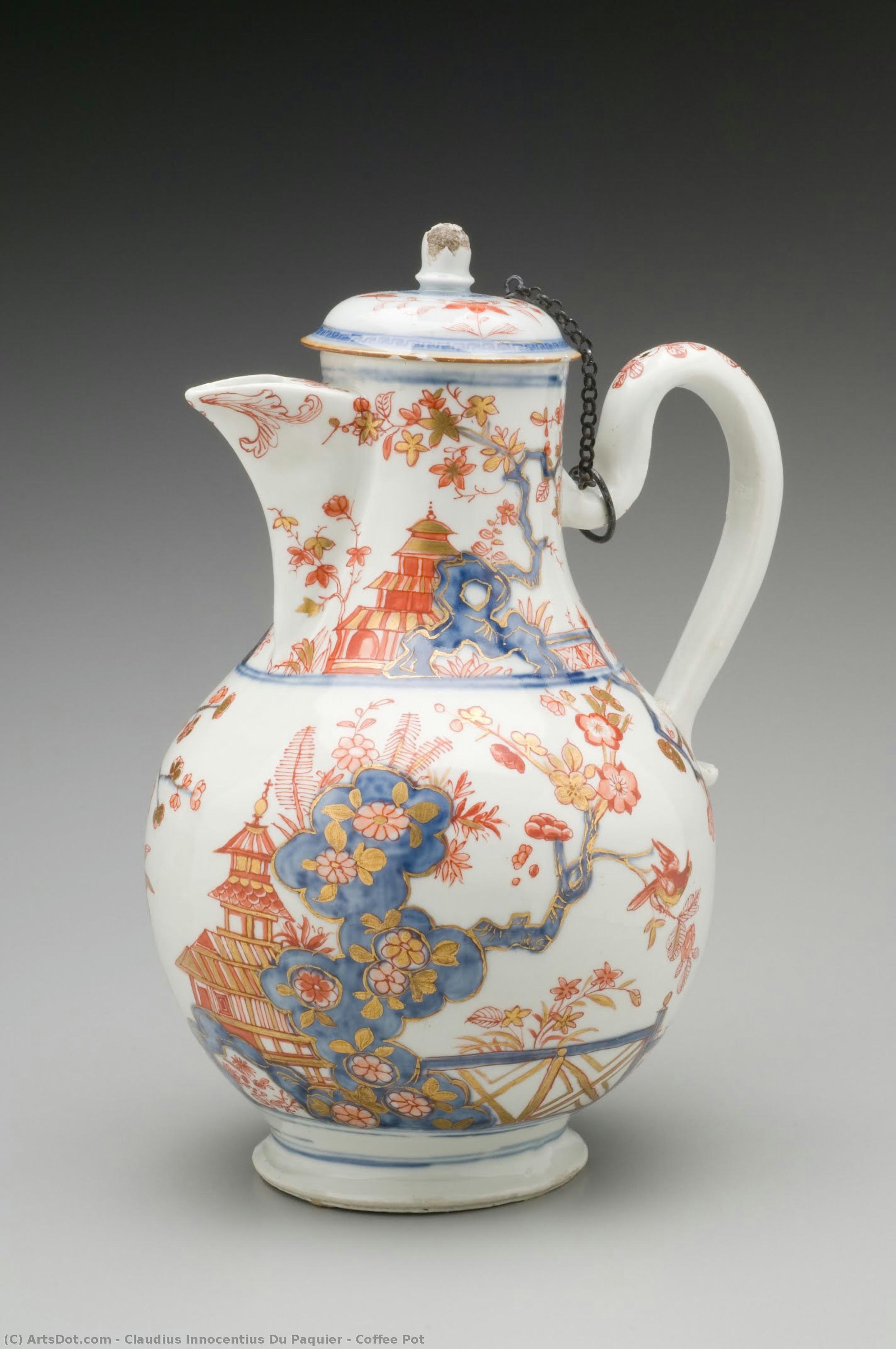
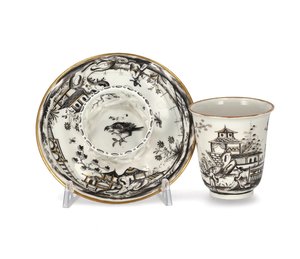
Coffee Pot

 Читать далее
Приобретите цифровое изображение высокого разрешения в улучшенном качестве, которое значительно превосходит онлайн-превью.
Каждый файл тщательно подготавливается нашими специалистами с использованием передовых инструментов и экспертной ручной ретуши. Мы гарантируем исключительную четкость, точную цветопередачу и детальную проработку каждого изображения.
Финальный файл доставляется по электронной почте в течение 72 часов и оптимизирован для немедленного использования в профессиональной среде, при верстке и печати. Это тот же уровень качества, которому доверяют ведущие дизайнерские студии, издательства и галереи.
Цифровое изображение
Скачайте файл высокого разрешения для личного использования, печати и творческих проектов. ( Перейти к печати Купить картину ручной работы)
Включено в каждый заказ цифровых изображений
Гарантия экспертной цифровой доставки
Выбирая ArtsDot.com, вы получаете не просто изображение — вы приобретаете профессионально обработанное цифровое произведение искусства, созданное с безупречной точностью и под защитой гарантии качества. Вот всё, что автоматически входит в ваш заказ:

Мгновенная доставка по e-mail
Ваш цифровой файл в высоком разрешении будет отправлен вам по электронной почте в течение 72 часов после оформления заказа — и сразу станет доступен для использования.

Цифровой файл с ИИ-улучшением
Ваше произведение искусства проходит профессиональную оптимизацию с использованием передовых инструментов ИИ и ручной обработки, что гарантирует максимальную детализацию, четкость и точность цветопередачи.

Бессрочная бесплатная повторная доставка
Случайно удалили или потеряли файл? Не беспокойтесь — мы отправим его вам повторно в любое время и совершенно бесплатно.

Без импортных пошлин — навсегда
Наслаждайтесь вашим произведением искусства мгновенно без таможенных пошлин, сборов или затрат на доставку — цифровые загрузки всегда не облагаются налогом.

Гарантия точности цветопередачи
Мы гарантируем, что ваше цифровое изображение максимально точно передает оригинальные цвета благодаря использованию профессиональных инструментов и систем управления цветом.

Гарантия удовлетворенности 100 дней
Если вы не будете удовлетворены своим цифровым изображением, мы внесем правки или вернем 100% стоимости в течение 100 дней — без лишних вопросов.

100% Гарантия возврата средств
Не удовлетворены покупкой? Получите полный возврат средств в течение 100 дней после получения цифрового файла — без лишних вопросов.

Скидки на оптовые заказы
Купите 3 изображения, сэкономьте 10% — Купите 5, сэкономьте 15% — Купите 10+, сэкономьте 20%. Отличное решение для творческих проектов, галерей и агентств.
Похожие произведения







Биография художника
The Entrepreneur of Elegance: Claudius Innocentius du Paquier and the Birth of Viennese Porcelain
Claudius Innocentius du Paquier, a name perhaps unfamiliar to many, occupies a pivotal position in the history of European ceramics. Born in Amsterdam around 1679, he wasn’t a potter himself, but rather an astute entrepreneur whose vision transformed Vienna into a significant center for porcelain production during the early 18th century. His story is one of ambition, imperial patronage, and a determined effort to replicate – and ultimately refine – the coveted artistry of Asian porcelain within European borders. Du Paquier arrived in Vienna around 1718, a period when the city was flourishing as a cosmopolitan hub, attracting artists, merchants, and nobility eager to bask in the glow of the Habsburg court. Recognizing the immense demand for porcelain—a material then exclusively sourced from the East—he saw an opportunity not merely to trade in luxury goods but to *create* them. Through skillful diplomacy, he secured a remarkable 25-year monopoly from Emperor Charles VI, granting him exclusive rights to manufacture porcelain throughout the Austrian territories. This royal charter was the foundation upon which the Du Paquier Manufactory would rise.From Military Agent to Porcelain Pioneer
Before his foray into ceramics, du Paquier served as an agent in the Imperial Council of War, a position that undoubtedly honed his administrative skills and provided valuable connections within the Habsburg administration. This background proved crucial in navigating the complex world of imperial bureaucracy and securing the necessary support for his ambitious undertaking. The establishment of the manufactory wasn’t simply about replicating porcelain; it was about challenging the existing dominance of China and the burgeoning, but closely guarded, secrets of Meissen—the first European factory to successfully produce hard-paste porcelain in Germany. Du Paquier understood that success hinged on acquiring expertise, and he embarked on a daring recruitment campaign, poaching key artisans directly from his German rival. Among those lured to Vienna were Christoph Conrad Hunger, a talented porcelain painter; Just Friedrich Tiemann, an expert in kiln construction; and most importantly, Samuel Stöltzel, the kiln master from Meissen who possessed intimate knowledge of the crucial porcelain paste recipe—the “arcanum” that had eluded European potters for centuries.A Style Inspired by Rococo and the Orient
The Du Paquier Manufactory quickly distinguished itself through its distinctive aesthetic, a blend of Rococo elegance, influences from Jean Berain’s designs commissioned by Louis XIV, and a deep appreciation for traditional Chinese and Japanese decorative motifs. Unlike the more austere styles emerging elsewhere, du Paquier's porcelain embraced floral patterns, delicate pastel hues, and graceful curves that resonated with the opulent tastes of the Habsburg court. The factory specialized in tableware—plates, cups, saucers, and elaborate serving pieces—but also produced decorative vases and sculptures intended to adorn the palaces and homes of Vienna’s elite. The emphasis was on meticulous quality control; du Paquier even imported kaolin clay from Stoke-on-Trent in England, a significant step towards achieving the consistency and brilliance that characterized his porcelain. The result wasn't merely imitation but an innovative style uniquely Viennese, reflecting the city’s cosmopolitan spirit and artistic sensibilities.Imperial Patronage and Lasting Legacy
The success of the Du Paquier Manufactory was inextricably linked to imperial patronage. Empress Maria Theresa and Joseph II were enthusiastic supporters, commissioning pieces for royal palaces and ceremonial occasions. This support elevated du Paquier’s porcelain to a symbol of Austrian grandeur and cultural prowess on the European stage. However, despite its flourishing reputation, du Paquier faced financial challenges. In 1744, he sold the manufactory to the Austrian state, marking the end of his direct involvement but not the end of the factory's legacy. The state continued to operate the porcelain works—under various names and with evolving styles—until 1864, ensuring that du Paquier’s pioneering spirit lived on for over a century. His contribution wasn’t simply in establishing a successful business; it was in laying the foundation for a thriving Austrian ceramic tradition, one that continues to inspire artists and collectors today. The delicate beauty of Du Paquier porcelain remains a testament to his vision, ambition, and unwavering commitment to artistic excellence.Historical Significance
- Du Paquier’s factory was the second in Europe to successfully produce hard-paste porcelain, breaking Meissen's monopoly.
- He actively recruited skilled artisans from rival factories, contributing to the spread of ceramic knowledge and techniques.
- The manufactory’s distinctive style—a blend of Rococo, Oriental influences, and imperial tastes—established Vienna as a major center for porcelain production.
- His patronage helped elevate Austrian porcelain to international prominence.
- Du Paquier's commitment to quality control, including the importation of kaolin clay, improved the consistency and brilliance of Viennese porcelain.
claudius innocentius du paquier
1679 - 1751 , Austria
Основные сведения
- Artistic Movement Or Style: Hard-paste porcelain
- Artists Or Movements Influenced By This Artist: ['European Porcelain Art']
- Artists Who Influenced This Artist: ['Meissen']
- Date Of Birth: 1679
- Date Of Death: 1751
- Full Name: Claudius Innocentius du Paquier
- Nationality: Dutch
- Place Of Birth: Vienna, Austria