

 Предпросмотр
 Поделиться
 Поделиться
 Детали произведения

 Скачать
 Похожие работы
 Рентгенография
 Слайд-шоу
 Статистика
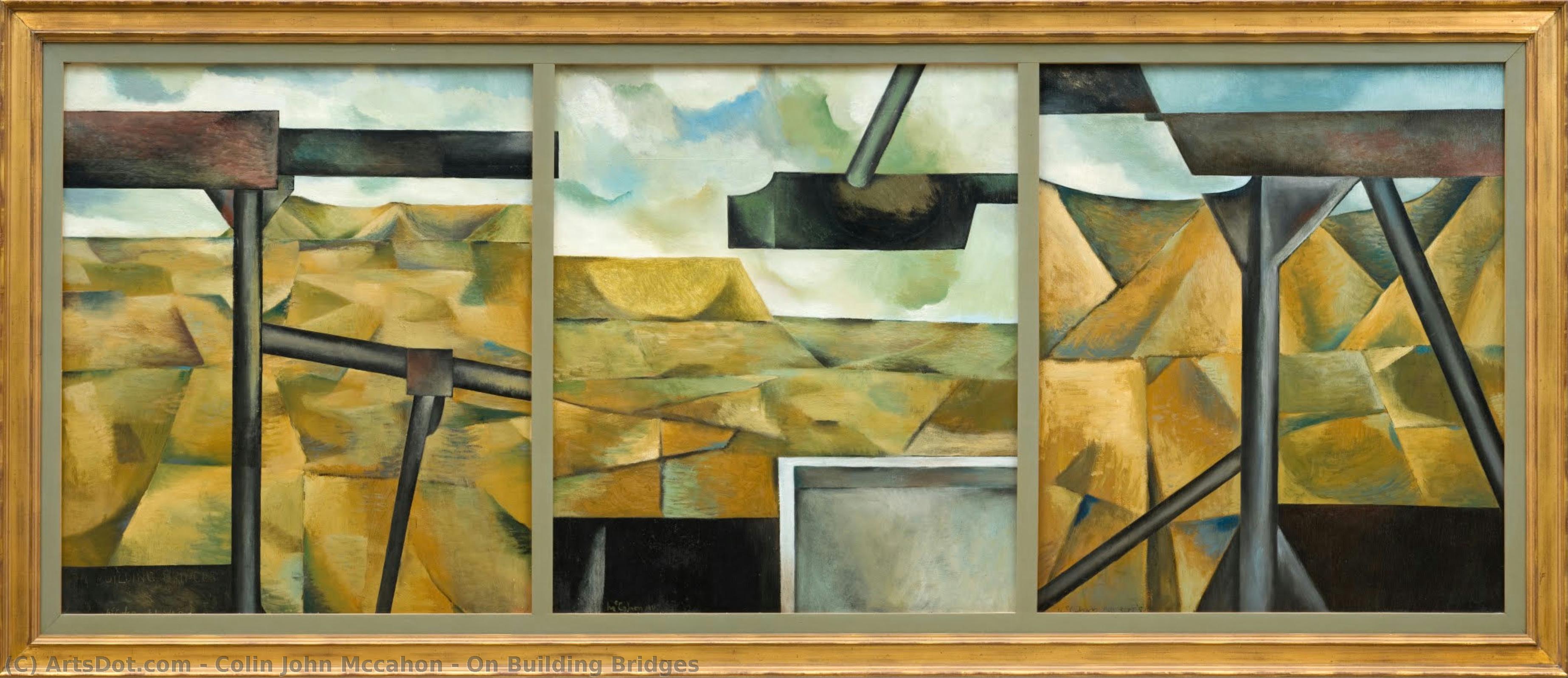
On Building Bridges
 Painting
- Cubism
 1952
1952- Modern
 28.0 x 10.0 cm
 Auckland Art Gallery Toi o Tāmaki
 Читать далее
Масляная репродукция ручной работы
Картина маслом на холсте в выбранном вами размере и раме, написанная на заказ нашими художниками. ( Перейти к печати Перейти к цифровым изображениям)




































Выберите один из наших стандартных размеров, соответствующих оригинальным пропорциям произведения искусства.

Вы можете указать собственные размеры, чтобы картина идеально вписалась в выбранную раму или пространство. Если выбранный вами размер не соответствует пропорциям оригинала, мы либо обрежем полотно, либо расширим его за счет дополнительных элементов, написанных вручную. Цифровой макет будет отправлен вам на утверждение перед началом производства.
Обратите внимание, что предварительный просмотр на экране не отражает фактическую обрезку или расширение. Только макет точно покажет окончательную композицию.
Хотя доступны индивидуальные размеры, мы рекомендуем выбирать вариант из предопределенного списка, чтобы сохранить исходные пропорции.
После оформления заказа команда ArtsDot.com свяжется с клиентом по электронной почте для уточнения деталей и предоставит предварительный макет
Доставка по всему миру () за 3–4 недели вместо стандартных 5 недель. (12 Сентябрь). Без компромиссов в качестве.

Бесплатная экспресс-доставка по всему миру

Высококачественный льняной холст

Полное страхование доставки

Гарантия возмещения таможенных пошлин

Гарантия точного соответствия цветов

100-дневная политика возврата (только при обнаружении дефектов)

Гарантия возврата 100% средств

Предложение оптовых скидок
 Вариант со стеклом доступен только для размеров менее 110 см

On Building Bridges
Техника репродукции
Размер репродукции
-


Итоговая стоимость
$ 263
A Symphony of Structure and Spirit
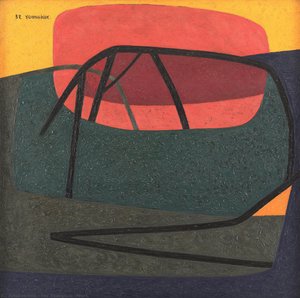
In the profound landscape of New Zealand Modernism, few works resonate with the structural tension and spiritual depth found in Colin McCahon’s On Building Bridges. Created in 1952, this seminal triptych serves as a masterful intersection between the physical reality of the Canterbury plains and the abstract complexities of the human psyche. The artwork does not merely depict a scene; it orchestrates a dialogue between the earth and the sky, between man-made geometry and the untamed natural world. Through a sophisticated Cubist disintegration of form, McCahon invites the viewer to look beyond the surface of the landscape to find the underlying skeletal truths of our existence.
The composition is a rhythmic dance of steel and soil. The artist utilizes sharp, intersecting lines that mirror the industrial steel trusses found in North Canterbury, yet these geometric elements are far from cold or purely mechanical. Instead, they function as armatures that swing across the canvas, creating a sense of movement and structural weight. As the eye traverses the work, one perceives how the crisscrossed lines of the plains are echoed in the metallic geometry, suggesting a profound interconnectedness. This technique of fragmentation allows the landscape to breathe, breaking down solid forms into a seriesary of planes that capture the flickering light and the heavy atmosphere of the New Zealand terrain.
The Intersection of Man and Mystery
Beyond its formal brilliance, On Building Bridges is an exploration of the spiritual dimension inherent in coexistence. McCahon was deeply preoccupied with the relationship between humanity and the environment, often viewing the natural world as a vessel for the "beautiful and terrible mysteries" of life. In this piece, the bridges are more than mere architectural feats; they are metaphors for connection—connecting the viewer to the land, and connecting the physical realm to the metaphysical. The tension within the brushwork and the deliberate layering of shapes evoke a sense of searching, as if the artist is attempting to construct a path through the unknown.
For the discerning collector or interior designer, this work offers an unparalleled emotional resonance. Its ability to command presence in a room lies in its balance of strength and vulnerability. The structural rigidity of the composition provides a sense of stability and order, making it an ideal focal point for sophisticated, contemporary spaces. Yet, the underlying abstraction and the evocative use of color and line provide a layer of contemplative depth that rewards long-term viewing. To possess a reproduction of this masterpiece is to bring a piece of art history into one's home—a piece that celebrates the enduring human effort to build meaning amidst the vast, beautiful, and often overwhelming mysteries of the world.
Похожие произведения
Биография художника
Colin John McCahon: A Pioneer of New Zealand Modernism
Early Life and Education
- Born on August 1, 1919, in Timaru, New Zealand, Colin John McCahon spent much of his childhood in Dunedin.
- His early artistic inclinations were nurtured by visits to exhibitions and the work of his maternal grandfather, photographer and painter William Ferrier.
- He attended Otago Boys' High School and later enrolled at the Dunedin School of Art (1937-1939), where Robert Nettleton Field proved a significant influence.
- McCahon furthered his studies at King Edward Technical College Art School as a part-time student.
Artistic Development and Influences
- Early influences included Toss Woollaston, whose landscapes inspired McCahon, and Russell Clark, who provided foundational art training.
- His work evolved through various styles – landscape, figuration, abstraction, and the distinctive overlay of painted text.
- A pivotal moment was a visit to Melbourne in 1951, where he studied modernist paintings at the National Gallery of Victoria.
- The book *The Geomorphology of New Zealand*, gifted upon his marriage, profoundly impacted his understanding of the land and its representation.
Key Themes and Artistic Style
- McCahon’s work often explored themes of spirituality, landscape, and national identity.
- He developed a unique visual language characterized by simplified forms, bold colors, and the integration of text.
- His landscapes weren't merely depictions but rather symbolic representations of New Zealand’s spiritual and cultural essence.
- The use of painted text added layers of meaning, often referencing biblical passages or personal reflections.
Major Achievements and Recognition
- McCahon exhibited with *The Group* in Christchurch from 1940 onwards, becoming a member in 1947.
- He held numerous solo exhibitions throughout New Zealand and internationally.
- Significant works include “The Angel of the Annunciation,” “Takaka: Night and Day,” and his series based on texts from Ecclesiastes.
- He taught painting at the Elam School of Fine Arts, University of Auckland (1964-1969), influencing a generation of artists.
Historical Significance and Legacy
- Colin McCahon is widely regarded as New Zealand’s most important modern artist.
- He played a crucial role in introducing Modernism to New Zealand art, alongside Woollaston and Rita Angus.
- His innovative approach challenged conventional artistic norms and paved the way for future generations of artists.
- McCahon's work continues to resonate with audiences today, offering profound insights into the New Zealand landscape and psyche.
- He died on May 27, 1987, leaving behind a rich and enduring legacy.
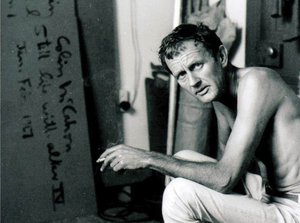
colin john mccahon
1919 - 1987 , New Zealand
Основные сведения
- Birth Date: 1919-08-01
- Birth Place: Timaru, New Zealand
- Death Date: 1987-05-27
- Influenced By: Toss Woollaston, William Ferrier, Russell Clark
- Movement: Modernism
- Name: Colin John McCahon
- Nationality: New Zealander
- Notable Works: The Angel of the Annunciation, Takaka: Night and Day, The Promised Land
Похожие статьи
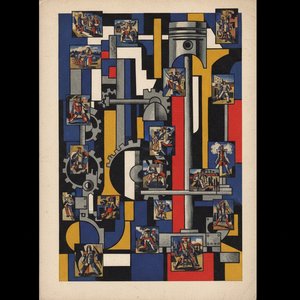
Фернан Леже: Топ-25 шедевров кубизма для ценителей искусства и декора интерьера
Погрузитесь в мир Фернана Леже! Топ-25 шедевров кубизма, раскрывающих машинную эстетику и новаторский стиль художника. Репродукции картин высокого качества для вашего интерьера. Откройте всю коллекцию на ArtsDot.com
Redefining Nature: A Collector's Guide to the Geometric Beauty of Cubist Landscapes
Explore the revolutionary world of Cubist landscapes. Discover how masters like Picasso and Braque redefined nature through geometric beauty, and learn expert tips for curating these transformative masterpieces in your modern home collection.
Топ-25 шедевров Василия Кандинского: Абстрактное искусство для вашего интерьера
Погрузитесь в мир абстрактного искусства с Василием Кандинским! 25 шедевров экспрессионизма, баухауса и русского авангарда. Репродукции картин Кандинского для вдохновения и декора вашего интерьера. Откройте всю коллекцию на ArtsDot.com

Геометрическая абстракция: 10 шедевров, изменивших искусство | ArtsDot.com
Погрузитесь в мир геометрической абстракции! От Кандинского до Малевича – 10 шедевров, изменивших искусство. Узнайте историю создания и значение культовых картин. Репродукции музейного качества на ArtsDot.com. Вдохновение для вашего интерьера!
Beyond Form & Color: Geometric Abstraction's Evolution in 20th/21st Century Art
Explore the evolution of geometric abstraction from Cubism to contemporary art. Discover key artists like Malevich & Mondrian, investment insights, and expert collecting advice at ArtsDot.