

 Предпросмотр
 Поделиться
 Поделиться
 Детали произведения

 Скачать
 Похожие работы
 Рентгенография
 Слайд-шоу
 Статистика
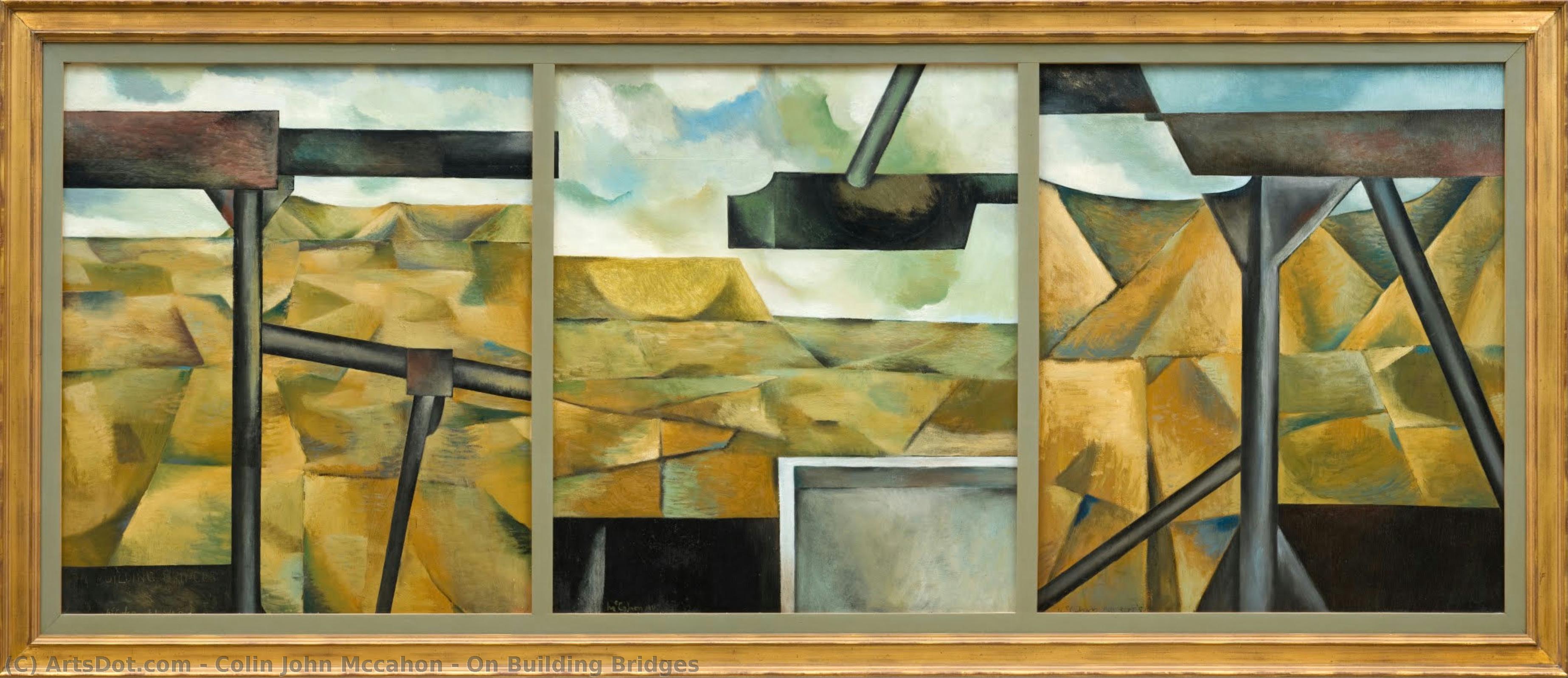
On Building Bridges
 Painting
- Cubism
 1952
1952- Modern
 28.0 x 10.0 cm
 Auckland Art Gallery Toi o Tāmaki
 Читать далее
Приобретите цифровое изображение высокого разрешения в улучшенном качестве, которое значительно превосходит онлайн-превью.
Каждый файл тщательно подготавливается нашими специалистами с использованием передовых инструментов и экспертной ручной ретуши. Мы гарантируем исключительную четкость, точную цветопередачу и детальную проработку каждого изображения.
Финальный файл доставляется по электронной почте в течение 72 часов и оптимизирован для немедленного использования в профессиональной среде, при верстке и печати. Это тот же уровень качества, которому доверяют ведущие дизайнерские студии, издательства и галереи.
Цифровое изображение
Скачайте файл высокого разрешения для личного использования, печати и творческих проектов. ( Перейти к печати Купить картину ручной работы)
Включено в каждый заказ цифровых изображений
Гарантия экспертной цифровой доставки
Выбирая ArtsDot.com, вы получаете не просто изображение — вы приобретаете профессионально обработанное цифровое произведение искусства, созданное с безупречной точностью и под защитой гарантии качества. Вот всё, что автоматически входит в ваш заказ:

Мгновенная доставка по e-mail
Ваш цифровой файл в высоком разрешении будет отправлен вам по электронной почте в течение 72 часов после оформления заказа — и сразу станет доступен для использования.

Цифровой файл с ИИ-улучшением
Ваше произведение искусства проходит профессиональную оптимизацию с использованием передовых инструментов ИИ и ручной обработки, что гарантирует максимальную детализацию, четкость и точность цветопередачи.

Бессрочная бесплатная повторная доставка
Случайно удалили или потеряли файл? Не беспокойтесь — мы отправим его вам повторно в любое время и совершенно бесплатно.

Без импортных пошлин — навсегда
Наслаждайтесь вашим произведением искусства мгновенно без таможенных пошлин, сборов или затрат на доставку — цифровые загрузки всегда не облагаются налогом.

Гарантия точности цветопередачи
Мы гарантируем, что ваше цифровое изображение максимально точно передает оригинальные цвета благодаря использованию профессиональных инструментов и систем управления цветом.

Гарантия удовлетворенности 100 дней
Если вы не будете удовлетворены своим цифровым изображением, мы внесем правки или вернем 100% стоимости в течение 100 дней — без лишних вопросов.

100% Гарантия возврата средств
Не удовлетворены покупкой? Получите полный возврат средств в течение 100 дней после получения цифрового файла — без лишних вопросов.

Скидки на оптовые заказы
Купите 3 изображения, сэкономьте 10% — Купите 5, сэкономьте 15% — Купите 10+, сэкономьте 20%. Отличное решение для творческих проектов, галерей и агентств.
A Symphony of Structure and Spirit
In the profound landscape of New Zealand Modernism, few works resonate with the structural tension and spiritual depth found in Colin McCahon’s On Building Bridges. Created in 1952, this seminal triptych serves as a masterful intersection between the physical reality of the Canterbury plains and the abstract complexities of the human psyche. The artwork does not merely depict a scene; it orchestrates a dialogue between the earth and the sky, between man-made geometry and the untamed natural world. Through a sophisticated Cubist disintegration of form, McCahon invites the viewer to look beyond the surface of the landscape to find the underlying skeletal truths of our existence.
The composition is a rhythmic dance of steel and soil. The artist utilizes sharp, intersecting lines that mirror the industrial steel trusses found in North Canterbury, yet these geometric elements are far from cold or purely mechanical. Instead, they function as armatures that swing across the canvas, creating a sense of movement and structural weight. As the eye traverses the work, one perceives how the crisscrossed lines of the plains are echoed in the metallic geometry, suggesting a profound interconnectedness. This technique of fragmentation allows the landscape to breathe, breaking down solid forms into a seriesary of planes that capture the flickering light and the heavy atmosphere of the New Zealand terrain.
The Intersection of Man and Mystery
Beyond its formal brilliance, On Building Bridges is an exploration of the spiritual dimension inherent in coexistence. McCahon was deeply preoccupied with the relationship between humanity and the environment, often viewing the natural world as a vessel for the "beautiful and terrible mysteries" of life. In this piece, the bridges are more than mere architectural feats; they are metaphors for connection—connecting the viewer to the land, and connecting the physical realm to the metaphysical. The tension within the brushwork and the deliberate layering of shapes evoke a sense of searching, as if the artist is attempting to construct a path through the unknown.
For the discerning collector or interior designer, this work offers an unparalleled emotional resonance. Its ability to command presence in a room lies in its balance of strength and vulnerability. The structural rigidity of the composition provides a sense of stability and order, making it an ideal focal point for sophisticated, contemporary spaces. Yet, the underlying abstraction and the evocative use of color and line provide a layer of contemplative depth that rewards long-term viewing. To possess a reproduction of this masterpiece is to bring a piece of art history into one's home—a piece that celebrates the enduring human effort to build meaning amidst the vast, beautiful, and often overwhelming mysteries of the world.
Похожие произведения
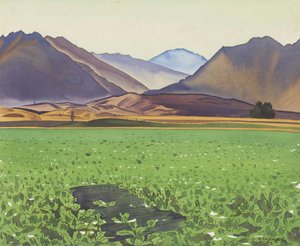
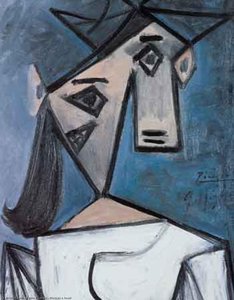
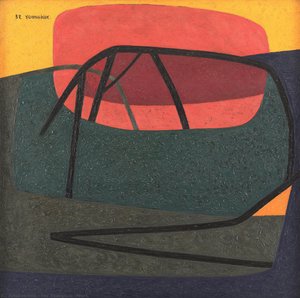
Биография художника
Colin John McCahon: A Pioneer of New Zealand Modernism
Early Life and Education
- Born on August 1, 1919, in Timaru, New Zealand, Colin John McCahon spent much of his childhood in Dunedin.
- His early artistic inclinations were nurtured by visits to exhibitions and the work of his maternal grandfather, photographer and painter William Ferrier.
- He attended Otago Boys' High School and later enrolled at the Dunedin School of Art (1937-1939), where Robert Nettleton Field proved a significant influence.
- McCahon furthered his studies at King Edward Technical College Art School as a part-time student.
Artistic Development and Influences
- Early influences included Toss Woollaston, whose landscapes inspired McCahon, and Russell Clark, who provided foundational art training.
- His work evolved through various styles – landscape, figuration, abstraction, and the distinctive overlay of painted text.
- A pivotal moment was a visit to Melbourne in 1951, where he studied modernist paintings at the National Gallery of Victoria.
- The book *The Geomorphology of New Zealand*, gifted upon his marriage, profoundly impacted his understanding of the land and its representation.
Key Themes and Artistic Style
- McCahon’s work often explored themes of spirituality, landscape, and national identity.
- He developed a unique visual language characterized by simplified forms, bold colors, and the integration of text.
- His landscapes weren't merely depictions but rather symbolic representations of New Zealand’s spiritual and cultural essence.
- The use of painted text added layers of meaning, often referencing biblical passages or personal reflections.
Major Achievements and Recognition
- McCahon exhibited with *The Group* in Christchurch from 1940 onwards, becoming a member in 1947.
- He held numerous solo exhibitions throughout New Zealand and internationally.
- Significant works include “The Angel of the Annunciation,” “Takaka: Night and Day,” and his series based on texts from Ecclesiastes.
- He taught painting at the Elam School of Fine Arts, University of Auckland (1964-1969), influencing a generation of artists.
Historical Significance and Legacy
- Colin McCahon is widely regarded as New Zealand’s most important modern artist.
- He played a crucial role in introducing Modernism to New Zealand art, alongside Woollaston and Rita Angus.
- His innovative approach challenged conventional artistic norms and paved the way for future generations of artists.
- McCahon's work continues to resonate with audiences today, offering profound insights into the New Zealand landscape and psyche.
- He died on May 27, 1987, leaving behind a rich and enduring legacy.
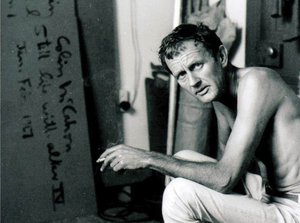
colin john mccahon
1919 - 1987 , New Zealand
Основные сведения
- Birth Date: 1919-08-01
- Birth Place: Timaru, New Zealand
- Death Date: 1987-05-27
- Influenced By: Toss Woollaston, William Ferrier, Russell Clark
- Movement: Modernism
- Name: Colin John McCahon
- Nationality: New Zealander
- Notable Works: The Angel of the Annunciation, Takaka: Night and Day, The Promised Land