

 Предпросмотр
 Поделиться
 Поделиться
 Детали произведения

 Скачать
 Похожие работы
 Рентгенография
 Слайд-шоу
 Статистика
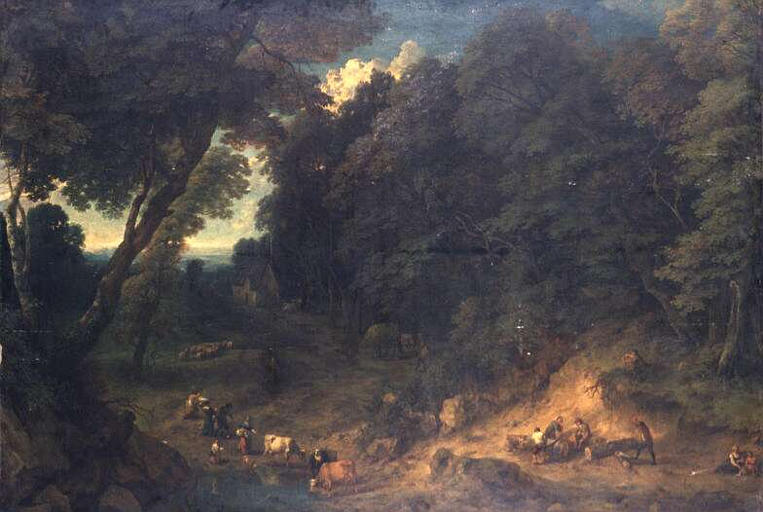
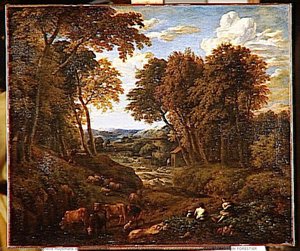
LISIERE DE FORET AVEC DES BUCHERONS

 Читать далее
Приобретите цифровое изображение высокого разрешения в улучшенном качестве, которое значительно превосходит онлайн-превью.
Каждый файл тщательно подготавливается нашими специалистами с использованием передовых инструментов и экспертной ручной ретуши. Мы гарантируем исключительную четкость, точную цветопередачу и детальную проработку каждого изображения.
Финальный файл доставляется по электронной почте в течение 72 часов и оптимизирован для немедленного использования в профессиональной среде, при верстке и печати. Это тот же уровень качества, которому доверяют ведущие дизайнерские студии, издательства и галереи.
Цифровое изображение
Скачайте файл высокого разрешения для личного использования, печати и творческих проектов. ( Перейти к печати Купить картину ручной работы)
Включено в каждый заказ цифровых изображений
Гарантия экспертной цифровой доставки
Выбирая ArtsDot.com, вы получаете не просто изображение — вы приобретаете профессионально обработанное цифровое произведение искусства, созданное с безупречной точностью и под защитой гарантии качества. Вот всё, что автоматически входит в ваш заказ:

Мгновенная доставка по e-mail
Ваш цифровой файл в высоком разрешении будет отправлен вам по электронной почте в течение 72 часов после оформления заказа — и сразу станет доступен для использования.

Цифровой файл с ИИ-улучшением
Ваше произведение искусства проходит профессиональную оптимизацию с использованием передовых инструментов ИИ и ручной обработки, что гарантирует максимальную детализацию, четкость и точность цветопередачи.

Бессрочная бесплатная повторная доставка
Случайно удалили или потеряли файл? Не беспокойтесь — мы отправим его вам повторно в любое время и совершенно бесплатно.

Без импортных пошлин — навсегда
Наслаждайтесь вашим произведением искусства мгновенно без таможенных пошлин, сборов или затрат на доставку — цифровые загрузки всегда не облагаются налогом.

Гарантия точности цветопередачи
Мы гарантируем, что ваше цифровое изображение максимально точно передает оригинальные цвета благодаря использованию профессиональных инструментов и систем управления цветом.

Гарантия удовлетворенности 100 дней
Если вы не будете удовлетворены своим цифровым изображением, мы внесем правки или вернем 100% стоимости в течение 100 дней — без лишних вопросов.

100% Гарантия возврата средств
Не удовлетворены покупкой? Получите полный возврат средств в течение 100 дней после получения цифрового файла — без лишних вопросов.

Скидки на оптовые заказы
Купите 3 изображения, сэкономьте 10% — Купите 5, сэкономьте 15% — Купите 10+, сэкономьте 20%. Отличное решение для творческих проектов, галерей и агентств.
Похожие произведения







Биография художника
Cornelis Huysmans de Malines: A Flemish Master of Pastoral Idyl
Cornelis Huysmans, a name perhaps less familiar than those of his contemporaries in the Dutch Golden Age, nevertheless stands as a significant figure in 17th-century Flemish landscape painting. Born in Antwerp in 1648 and passing away in Mechelen in 1727, Huysmans dedicated his life to capturing the serene beauty of rural scenes – idyllic landscapes populated by shepherds, livestock, and the quiet rhythms of daily life. His work, characterized by a remarkable attention to detail and a subtly evocative atmosphere, reveals a deep appreciation for nature’s tranquility and a masterful command of light and color.
Huysmans' artistic journey began under the tutelage of Gaspar de Witte, a respected Antwerp landscape painter. Following this initial training, he moved to Brussels, where he likely worked within the studio of Jacques d’Arthois, a pivotal figure in the development of Flemish landscape art. D’Arthois’s influence is particularly evident in Huysmans' early works, characterized by a decorative style and an emphasis on intricate details – a hallmark that would remain consistent throughout his career. The period between 1675 and 1682 saw him working in the Meuse valley near Dinant and Namur, further honing his skills and developing his unique artistic vision.
A Pseudo-Italianate Style: Influences and Techniques
Huysmans’s style is often described as “pseudo-Italianate,” a term that reflects his deliberate adoption of elements reminiscent of the Italian Renaissance masters. While he never traveled to Italy, Huysmans was deeply influenced by artists like Nicolas Poussin and Jacques d'Arthois, whose works featured dramatic mountainscapes and atmospheric lighting. He skillfully incorporated these influences into his own landscapes, creating scenes that evoke a sense of idealized beauty and timelessness. His compositions frequently employed diagonal lines to establish depth and perspective, drawing the viewer’s eye through the scene and emphasizing the vastness of the countryside.
A key element of Huysmans' technique was his meticulous attention to detail. He painstakingly rendered individual trees, rocks, and patches of grass, creating a sense of realism that belied the idealized nature of his subjects. His use of light and shadow was particularly noteworthy, casting dramatic contrasts across the landscape and adding depth and dimension to his scenes. The interplay of sunlight filtering through the foliage, illuminating herds of sheep grazing in verdant pastures – these are the moments that define Huysmans’s artistic legacy.
Subjects and Themes: Pastoral Life and Rural Harmony
Huysmans' paintings predominantly depict rural landscapes, focusing on scenes of pastoral life. Shepherds tending their flocks, farmers working the land, and livestock grazing peacefully in open fields are recurring motifs. These images weren’t merely representations of the countryside; they were imbued with a sense of tranquility and harmony – a deliberate antidote to the turbulent realities of 17th-century Europe. His subjects often appear bathed in golden light, evoking a feeling of warmth and contentment.
The artist frequently depicted scenes of shepherds and their flocks, capturing the quiet dignity of rural life. These works are not simply idyllic portrayals; they also subtly comment on the relationship between humanity and nature. Huysmans’s landscapes invite contemplation and offer a respite from the complexities of urban existence.
Legacy and Historical Significance
Cornelis Huysmans' work holds a significant place in the history of Flemish landscape painting. While he may not be as widely celebrated as some of his contemporaries, his meticulous attention to detail, his skillful use of light and color, and his distinctive “pseudo-Italianate” style have earned him a devoted following among art historians and collectors. His paintings are now housed in major museums across Europe, testament to the enduring appeal of his serene and evocative landscapes.
Huysmans’s influence can be seen in the work of subsequent generations of Flemish landscape painters, who continued to draw inspiration from his masterful depictions of nature. He represents a crucial link between the more formal, courtly landscapes of earlier periods and the later, more expressive works of artists like Jan Bruegel the Elder. His legacy lies not only in his individual paintings but also in his contribution to the development of Flemish landscape art as a whole.
cornelis huysmans dit huysmans de malines
1648 - 1727
Основные сведения
- Artistic Movement Or Style: Pseudo-Italianate landscapes
- Artists Or Movements Influenced By This Artist:
- Pieter Balthasar Huysmans
- Jan Baptiste Huysmans
- Artists Who Influenced This Artist:
- Nicolas Poussin
- Jacques d'Arthois
- Date Of Birth: April 2, 1648
- Date Of Death: June 1, 1727
- Full Name: Cornelis Huysmans de Malines
- Nationality: Flemish
- Notable Artworks:
- A Mother Feeding her Child
- Portrait of a Lady
- Virgin and Child
- Battle Scene
- Trophy
- Place Of Birth: Antwerp, Belgium