 Предпросмотр
 Поделиться
 Поделиться
 Детали произведения

 Скачать
 Похожие работы
 Рентгенография
 Слайд-шоу
 Статистика
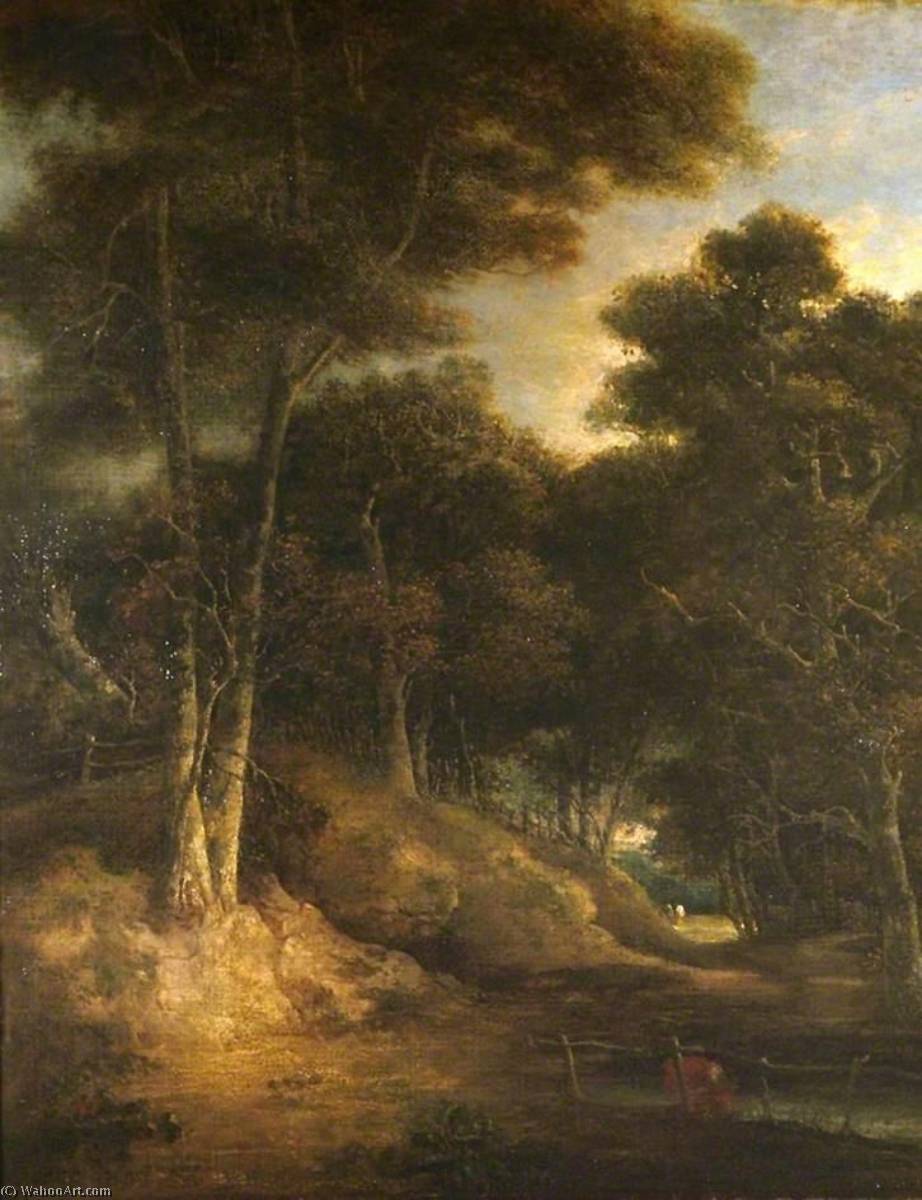
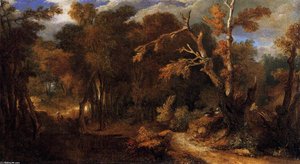
Landscape Edge of a Wood


 Читать далее
Масляная репродукция ручной работы
Картина маслом на холсте в выбранном вами размере и раме, написанная на заказ нашими художниками. ( Перейти к печати Перейти к цифровым изображениям)




P118B $10

P118H $10

P118W $10

P438Z $10

P508JH $12

P508YH $12

P805H $10

P805Z $10

P919BZ $10

P919G $10

P919XJ $10

P959ZH $10

P968JZ $12

W106C $8

W218G $10

W218JH $8

W218Y $10

W307PJ $10

W316G $10

W316PJ $8

W316Y $10

W398PJ $8

W4111J $10

W500HY $15

W500JH $15

W692G $12

W849H $8

W940BG $15

W953PJ $8




Выберите один из наших стандартных размеров, соответствующих оригинальным пропорциям произведения искусства.

Вы можете указать собственные размеры, чтобы картина идеально вписалась в выбранную раму или пространство. Если выбранный вами размер не соответствует пропорциям оригинала, мы либо обрежем полотно, либо расширим его за счет дополнительных элементов, написанных вручную. Цифровой макет будет отправлен вам на утверждение перед началом производства.
Обратите внимание, что предварительный просмотр на экране не отражает фактическую обрезку или расширение. Только макет точно покажет окончательную композицию.
Хотя доступны индивидуальные размеры, мы рекомендуем выбирать вариант из предопределенного списка, чтобы сохранить исходные пропорции.
После оформления заказа команда ArtsDot.com свяжется с клиентом по электронной почте для уточнения деталей и предоставит предварительный макет
Доставка по всему миру () за 3–4 недели вместо стандартных 5 недель. (10 Сентябрь). Без компромиссов в качестве.

Бесплатная экспресс-доставка по всему миру

Высококачественный льняной холст

Полное страхование доставки

Гарантия возмещения таможенных пошлин

Гарантия точного соответствия цветов

100-дневная политика возврата (только при обнаружении дефектов)

Гарантия возврата 100% средств

Предложение оптовых скидок
 Вариант со стеклом доступен только для размеров менее 110 см

Landscape Edge of a Wood
Техника репродукции
Размер репродукции
-


Итоговая стоимость
$ 263
A Quiet Edge: John Crome’s ‘Landscape – Edge of a Wood’
John Crome's “Landscape – Edge of a Wood,” painted circa 1800-1820, isn’t merely a depiction of a Norfolk landscape; it’s a carefully constructed meditation on light, atmosphere, and the profound connection between humanity and the natural world. This work, currently residing in The Courtauld Gallery in London, exemplifies the core tenets of the Norwich School – a movement that deliberately sought to capture the unique character of East Anglia with an understated yet deeply evocative realism.
Crome’s artistic lineage is fascinating. He wasn't a grand cosmopolitan figure, but rather a rooted artist deeply embedded within his local environment. His upbringing in Norwich, a bustling market town at the time, instilled a keen observational eye and a respect for the rhythms of rural life. This grounding profoundly shaped his approach to painting – he eschewed dramatic vistas or heroic subjects, instead focusing on the subtle beauty found in the commonplace: the quiet curve of a hedgerow, the dappled light filtering through trees, the muted tones of earth and sky.
The Language of Light and Shadow
Technically, “Landscape – Edge of a Wood” is a masterclass in atmospheric perspective. Crome employs a restrained palette dominated by browns, greens, and blues—colors that perfectly mirror the hues of the Norfolk countryside. However, it’s not simply a matter of replicating color; he uses subtle gradations to create an illusion of depth and distance. The foreground path, rendered with looser brushstrokes, appears almost tactile, while the trees receding into the background are softened and blurred, suggesting their greater remoteness. The artist skillfully manipulates light and shadow, creating a sense of diffused illumination that imbues the scene with a quiet serenity.
Crome’s technique is particularly noteworthy for its economy of brushwork. He avoids elaborate detail, opting instead to suggest form through carefully placed strokes. This approach allows the viewer's eye to wander across the canvas, absorbing the atmosphere and feeling the stillness of the landscape. The composition itself—a simple path leading into a dense wood—creates a sense of invitation, drawing us into the scene and encouraging contemplation.
Norwich School and its Roots
To fully appreciate “Landscape – Edge of a Wood,” it’s essential to understand the context in which Crome worked. The Norwich School, founded by artists like Crome and Robert Ladbrooke, represented a deliberate reaction against the prevailing trends in London art circles. Rejecting the grand narratives and idealized forms favored by the Royal Academy, these painters sought to capture the authentic character of their native East Anglia. They were deeply influenced by Dutch Masters—particularly the landscapes of Jacob van Ruisdael and Jan Both—whose use of light, atmosphere, and subtle color they admired immensely.
Crome’s work also reflects a broader Romantic sensibility – an appreciation for nature's power to evoke emotion and inspire contemplation. However, unlike the more overtly dramatic landscapes of other Romantic painters, Crome’s scenes are characterized by a quiet restraint and a sense of understated beauty. He doesn’t seek to overwhelm us with spectacle; instead, he invites us to share in the simple pleasures of observing the natural world.
A Sense of Place and Timelessness
“Landscape – Edge of a Wood” is more than just a pretty picture; it's a powerful evocation of place. It captures the essence of Norfolk—its rolling hills, its dense woodlands, and its ever-changing light. The painting feels deeply rooted in time, suggesting that this landscape has existed for centuries, unchanged by the passage of human events. It’s a reminder of our connection to the natural world and the enduring beauty of the English countryside.
Reproductions of this work offer a remarkable opportunity to bring this quiet contemplation into any space. The subtle nuances of color and light, so carefully rendered by Crome, are beautifully reproduced, allowing viewers to experience the same sense of peace and tranquility that he intended.
Похожие произведения
Биография художника
John Crome (1768–1821) - Art UK
John Crome, affectionately known as “Old Crome” to distinguish him from his artist son, stands as a pivotal figure in British art history—a founder and leading light of the celebrated Norwich School. Born in 1768 in Norwich, Norfolk, Crome’s journey was one of remarkable self-education and dedication, rising from humble beginnings to become a respected landscape painter who captured the very essence of his beloved East Anglian countryside. His father, a weaver, instilled a strong work ethic, but it was an apprenticeship with house, coach, and sign painter Francis Whisler that first nurtured Crome’s artistic inclinations, providing him with foundational skills in design and color. This practical training proved invaluable as he began to explore his passion for depicting the natural world around him. A formative friendship with Robert Ladbrooke, a fellow aspiring artist, further fueled his development; together they sketched en plein air, honing their observational abilities and sharing a burgeoning enthusiasm for art.Early Life and Artistic Beginnings
John Crome was born on December 22nd, 1768, in Norwich, Norfolk—a town steeped in maritime history and agricultural tradition. He descended from a family of weavers, whose livelihood depended on the intricate craft of transforming wool into textiles. This upbringing instilled within him a disciplined mindset and an appreciation for meticulous detail—qualities that would prove invaluable to his artistic pursuits. Recognizing Crome’s innate talent early on, his father encouraged him to pursue drawing lessons, securing him an apprenticeship with Francis Whisler, a skilled craftsman specializing in decorative arts. Whisler’s workshop provided Crome with hands-on experience in various techniques, including etching and gilding—skills that would broaden his artistic horizons beyond mere watercolor painting. It was during this formative period that he encountered Robert Ladbrooke, another ambitious artist who shared his passion for capturing the beauty of Norfolk landscapes. Their collaborative sketching expeditions cemented their friendship and fostered a collective commitment to observing nature with unwavering accuracy.The Norwich School: A Regional Artistic Movement
Crome’s artistic trajectory took an extraordinary turn thanks to the generosity of Thomas Harvey of Old Catton, who possessed an impressive collection of artworks—primarily Dutch masters like Gainsborough and Hobbema—that profoundly influenced Crome's aesthetic sensibilities. Harvey’s patronage exposed Crome to groundbreaking compositional approaches and atmospheric effects, prompting him to adopt a distinctive style characterized by luminous color palettes and subtle tonal gradations. Furthermore, he benefited from the guidance of established artists such as Sir William Beechey and John Opie, who nurtured his artistic development within the broader Norwich School community—a movement that championed direct observation of nature and sought to portray Norfolk landscapes with unparalleled fidelity. In 1803, Crome spearheaded the formation of the Norwich Society of Artists alongside Ladbrooke—a bold initiative that formally inaugurated the Norwich School as a recognized force in British art. This collective endeavor solidified Crome’s leadership role and fostered an environment conducive to artistic experimentation and innovation.Style and Technique: Embracing Dutch Influence
Crome's artistic style is undeniably rooted in the traditions of Dutch landscape painting—particularly the works of Jacob van Ruisdael and Rembrandt Hobbema. He meticulously studied these masters, absorbing their techniques for rendering light and atmosphere with remarkable precision. Unlike many of his contemporaries who favored idealized depictions of nature, Crome prioritized capturing the subtle nuances of Norfolk’s environment—the dappled sunlight filtering through ancient oaks, the misty mornings reflecting on placid rivers, and the muted hues of twilight over arable fields. His brushwork was loose yet controlled, conveying a sense of immediacy while maintaining compositional balance. He skillfully employed glazing techniques to build up layers of color, creating luminous surfaces that captured the essence of Norfolk’s distinctive light conditions. Crome's meticulous attention to detail—evident in his depictions of tree bark, foliage textures, and water reflections—underscored his unwavering commitment to representing nature with uncompromising realism.Legacy and Recognition
John Crome’s contribution to British art history extends far beyond his artistic output. He established the Norwich School as a beacon of regional artistic identity, fostering a tradition of landscape painting that endured for generations. Despite initial skepticism from London’s artistic elite—who viewed his style as too unconventional—Crome gained widespread acclaim through thirteen exhibitions at the Royal Academy between 1806 and 1818. His paintings—primarily depictions of Norfolk landscapes—were lauded by critics and collectors alike, cementing his reputation as one of England’s foremost Romantic painters. Among his most celebrated works are *The Lime Kiln*, *Grove Scene*, and *Mousehold Heath*—each imbued with a palpable sense of tranquility and authenticity. Today, Crome's legacy lives on through the enduring beauty of his paintings—which reside in prominent museums across Britain—and through the geographical landmarks bearing his name: Crome’s Broad and Crome ward stand as lasting tributes to his artistic vision and his unwavering devotion to capturing the spirit of Norfolk. His life serves as an inspiring reminder that artistic excellence can flourish from humble origins, fueled by passion for observation and a profound connection to one's surroundings.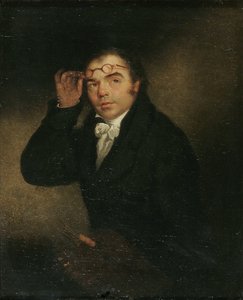
Джон Кромэ
1768 - 1821 , Великобритания
Основные сведения
- Artistic Movement Or Style: Ньюискское направление
- Artists Or Movements Influenced By This Artist: ['Романтизм']
- Artists Who Influenced This Artist:
- Мейндерт Хоббема
- Роберт Ладроук
- Date Of Birth: 1768
- Full Name: John Crome
- Nationality: Английский
- Notable Artworks:
- Хэмпстед Хилл
- Салисбэри Катедрал
- Лодка мимо затвора
- Place Of Birth: Norwich, UK
Похожие статьи
Evoking Nature's Sublime: A Comprehensive Exploration of 19th-Century Landscape Painting
Explore the captivating world of 19th-century landscape painting! Discover renowned artists like Friedrich & Monet, key movements, and find the perfect artwork to bring nature's serenity into your home. Expert insights at ArtsDot.

Джон Констебль: 25 шедевров английского пейзажа для вашего интерьера
Погрузитесь в мир английского пейзажа с Джоном Констеблом! 25 шедевров романтизма, история создания картин и вдохновение для вашего интерьера. Репродукции высокого качества на ArtsDot.com – искусство для ценителей.

Джон Сингер Сарджент: 25 шедевров портретной живописи для вашего интерьера | ArtsDot
Погрузитесь в мир Джона Сингера Сарджента! 25 шедевров импрессионизма и реализма, раскрывающих элегантность эпохи Gilded Age. Купите репродукции картин Сарджента музейного качества для вашего интерьера на ArtsDot.com.

Романтический пейзаж: 10 шедевров, изменивших искусство | ArtsDot.com
Погрузитесь в мир романтического пейзажа! 10 шедевров Фридриха, Тёрнера и других гениев. Узнайте историю создания культовых картин и вдохновитесь для декора интерьера. Репродукции высокого качества на ArtsDot.com.
The Sublime and the Picturesque: Exploring Emotion & Nature in Romantic Landscape Painting
Explore the emotional power of Romantic landscape painting! Discover the sublime & picturesque traditions, key artists like Friedrich & Cole, and find your perfect artwork at ArtsDot.