 Предпросмотр
 Поделиться
 Поделиться
 Детали произведения

 Скачать
 Похожие работы
 Рентгенография
 Слайд-шоу
 Статистика
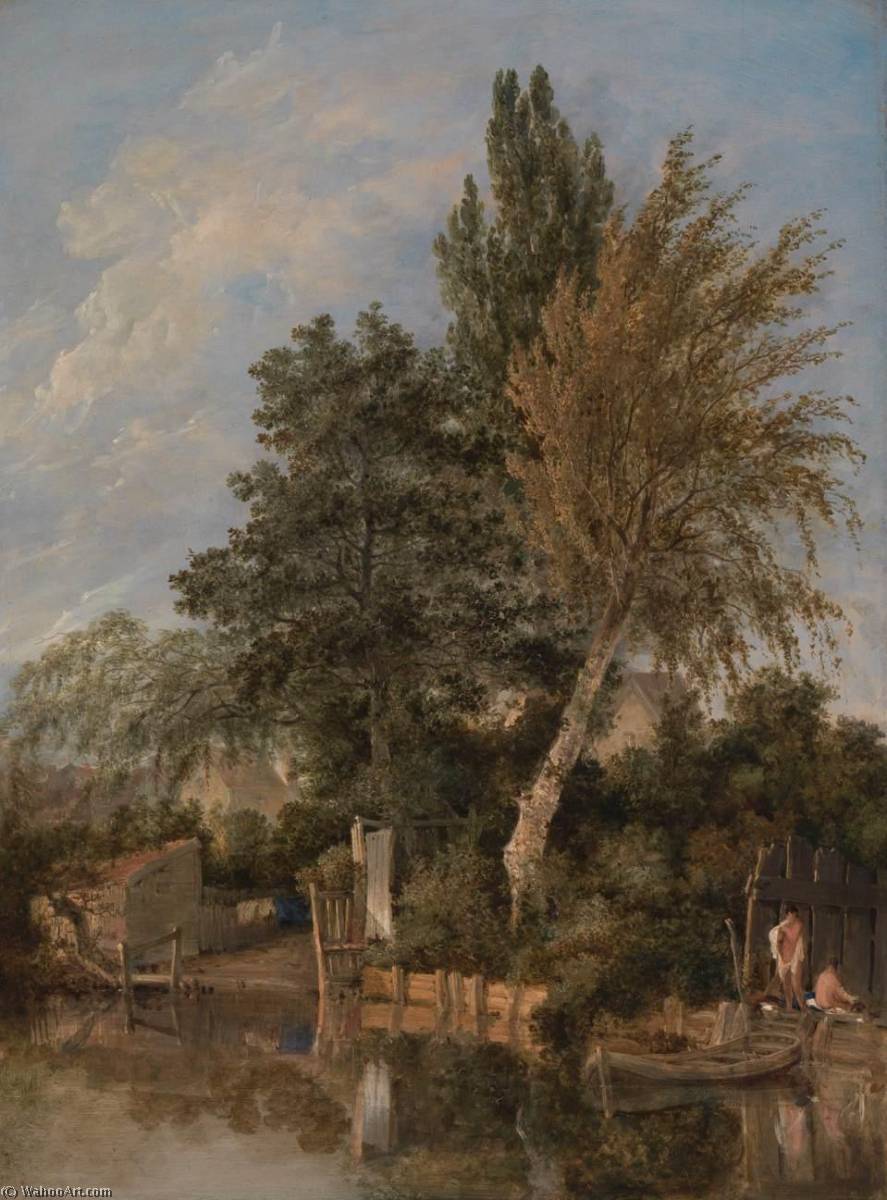
Boys Bathing on the River Wensum, Norwich
 Oil On Canvas
- WallArt
- Romanticism
 1817
1817 48.0 x 36.0 cm
 Йельский центр британского искусства
 Читать далее
Масляная репродукция ручной работы
Картина маслом на холсте в выбранном вами размере и раме, написанная на заказ нашими художниками. ( Перейти к печати Перейти к цифровым изображениям)




P118B $10

P118H $10

P118W $10

P438Z $10

P508JH $12

P508YH $12

P805H $10

P805Z $10

P919BZ $10

P919G $10

P919XJ $10

P959ZH $10

P968JZ $12

W106C $8

W218G $10

W218JH $8

W218Y $10

W307PJ $10

W316G $10

W316PJ $8

W316Y $10

W398PJ $8

W4111J $10

W500HY $15

W500JH $15

W692G $12

W849H $8

W940BG $15

W953PJ $8




Выберите один из наших стандартных размеров, соответствующих оригинальным пропорциям произведения искусства.

Вы можете указать собственные размеры, чтобы картина идеально вписалась в выбранную раму или пространство. Если выбранный вами размер не соответствует пропорциям оригинала, мы либо обрежем полотно, либо расширим его за счет дополнительных элементов, написанных вручную. Цифровой макет будет отправлен вам на утверждение перед началом производства.
Обратите внимание, что предварительный просмотр на экране не отражает фактическую обрезку или расширение. Только макет точно покажет окончательную композицию.
Хотя доступны индивидуальные размеры, мы рекомендуем выбирать вариант из предопределенного списка, чтобы сохранить исходные пропорции.
После оформления заказа команда ArtsDot.com свяжется с клиентом по электронной почте для уточнения деталей и предоставит предварительный макет
Доставка по всему миру () за 3–4 недели вместо стандартных 5 недель. (10 Сентябрь). Без компромиссов в качестве.

Бесплатная экспресс-доставка по всему миру

Высококачественный льняной холст

Полное страхование доставки

Гарантия возмещения таможенных пошлин

Гарантия точного соответствия цветов

100-дневная политика возврата (только при обнаружении дефектов)

Гарантия возврата 100% средств

Предложение оптовых скидок
 Вариант со стеклом доступен только для размеров менее 110 см

Boys Bathing on the River Wensum, Norwich
Техника репродукции
Размер репродукции
-


Итоговая стоимость
$ 263
Boys Bathing on the River Wensum, Norwich – A Reflection of Norfolk’s Soul
John Crome's “Boys Bathing on the River Wensum, Norwich” isn’t merely a depiction of a picturesque riverside scene; it’s a distillation of the very spirit of Norfolk—a region steeped in tradition and celebrated for its understated beauty. Painted in 1817 during the height of the Romantic era, this landscape masterpiece encapsulates the fascination with nature that characterized the period while firmly grounding itself in the tangible realities of rural life.- Subject Matter: The painting centres around a tranquil stretch of the River Wensum near Norwich Cathedral, capturing a moment of leisure and innocence. A small group of boys are enjoying the cool waters, their figures rendered with remarkable sensitivity against the backdrop of lush foliage and towering trees—a quintessential Norfolk vista.
- Style: Crome’s approach aligns perfectly with Romanticism's emphasis on emotion and imagination. Unlike the precise academic landscapes favoured by earlier generations, “Boys Bathing” prioritizes capturing atmospheric perspective and conveying a feeling of serenity rather than striving for photographic accuracy. The loose brushwork contributes to this impressionistic effect, prioritizing light and mood over meticulous detail.
- Technique: Executed in oil on canvas using glazing and scumbling techniques, Crome achieves remarkable textural richness. Layers of pigment build up gradually, simulating the dappled sunlight filtering through the leaves and reflecting off the river’s surface—a masterful demonstration of artistic skill. The artist skillfully employs tonal gradations to create depth and enhance the sense of realism, subtly guiding the viewer's eye across the composition.
Historical Context – Norwich School and Romantic Ideals
“Boys Bathing” stands as a cornerstone of the Norwich School of painters—a movement that emerged in Norfolk during Crome’s lifetime and profoundly influenced British landscape art. This school championed a distinctive aesthetic rooted in observation and emotion, rejecting the idealized grandeur of Neoclassicism for a more honest portrayal of the English countryside. The Norwich School artists sought to capture not just what they saw but also what they felt—a connection to the land and its rhythms that resonated deeply with Romantic sensibilities. Figures like Thomas Gainsborough and Richard Wilson had already established precedents for depicting rural life with psychological insight, inspiring Crome’s vision.Symbolism – Tranquility and Pastoral Harmony
Beyond its technical brilliance, “Boys Bathing” carries symbolic weight. The river Wensum itself represents purity and renewal—themes central to Romantic thought—while the boys embody innocence and youthful vitality. The trees are rendered with careful attention to detail, symbolizing strength and resilience alongside beauty. Taken together, these elements convey a profound appreciation for the natural world and its ability to inspire contemplation and solace. It’s a scene designed to evoke feelings of peace and contentment, reflecting Crome's deep affection for his homeland.Emotional Impact – A Moment Frozen in Time
Ultimately, “Boys Bathing on the River Wensum” succeeds in transporting the viewer back to 1817—to a moment of quiet contemplation amidst Norfolk’s timeless landscape. The soft lighting and muted colour palette contribute to an atmosphere of hazy tranquility, inviting us to linger on the canvas and savor the beauty of the scene. Crome's masterful brushwork captures not just the visual appearance of the riverbank but also its intangible essence—a testament to his ability to convey emotion through art and solidify his place as one of Norfolk’s most beloved artistic figures.Похожие произведения
Биография художника
John Crome (1768–1821) - Art UK
John Crome, affectionately known as “Old Crome” to distinguish him from his artist son, stands as a pivotal figure in British art history—a founder and leading light of the celebrated Norwich School. Born in 1768 in Norwich, Norfolk, Crome’s journey was one of remarkable self-education and dedication, rising from humble beginnings to become a respected landscape painter who captured the very essence of his beloved East Anglian countryside. His father, a weaver, instilled a strong work ethic, but it was an apprenticeship with house, coach, and sign painter Francis Whisler that first nurtured Crome’s artistic inclinations, providing him with foundational skills in design and color. This practical training proved invaluable as he began to explore his passion for depicting the natural world around him. A formative friendship with Robert Ladbrooke, a fellow aspiring artist, further fueled his development; together they sketched en plein air, honing their observational abilities and sharing a burgeoning enthusiasm for art.Early Life and Artistic Beginnings
John Crome was born on December 22nd, 1768, in Norwich, Norfolk—a town steeped in maritime history and agricultural tradition. He descended from a family of weavers, whose livelihood depended on the intricate craft of transforming wool into textiles. This upbringing instilled within him a disciplined mindset and an appreciation for meticulous detail—qualities that would prove invaluable to his artistic pursuits. Recognizing Crome’s innate talent early on, his father encouraged him to pursue drawing lessons, securing him an apprenticeship with Francis Whisler, a skilled craftsman specializing in decorative arts. Whisler’s workshop provided Crome with hands-on experience in various techniques, including etching and gilding—skills that would broaden his artistic horizons beyond mere watercolor painting. It was during this formative period that he encountered Robert Ladbrooke, another ambitious artist who shared his passion for capturing the beauty of Norfolk landscapes. Their collaborative sketching expeditions cemented their friendship and fostered a collective commitment to observing nature with unwavering accuracy.The Norwich School: A Regional Artistic Movement
Crome’s artistic trajectory took an extraordinary turn thanks to the generosity of Thomas Harvey of Old Catton, who possessed an impressive collection of artworks—primarily Dutch masters like Gainsborough and Hobbema—that profoundly influenced Crome's aesthetic sensibilities. Harvey’s patronage exposed Crome to groundbreaking compositional approaches and atmospheric effects, prompting him to adopt a distinctive style characterized by luminous color palettes and subtle tonal gradations. Furthermore, he benefited from the guidance of established artists such as Sir William Beechey and John Opie, who nurtured his artistic development within the broader Norwich School community—a movement that championed direct observation of nature and sought to portray Norfolk landscapes with unparalleled fidelity. In 1803, Crome spearheaded the formation of the Norwich Society of Artists alongside Ladbrooke—a bold initiative that formally inaugurated the Norwich School as a recognized force in British art. This collective endeavor solidified Crome’s leadership role and fostered an environment conducive to artistic experimentation and innovation.Style and Technique: Embracing Dutch Influence
Crome's artistic style is undeniably rooted in the traditions of Dutch landscape painting—particularly the works of Jacob van Ruisdael and Rembrandt Hobbema. He meticulously studied these masters, absorbing their techniques for rendering light and atmosphere with remarkable precision. Unlike many of his contemporaries who favored idealized depictions of nature, Crome prioritized capturing the subtle nuances of Norfolk’s environment—the dappled sunlight filtering through ancient oaks, the misty mornings reflecting on placid rivers, and the muted hues of twilight over arable fields. His brushwork was loose yet controlled, conveying a sense of immediacy while maintaining compositional balance. He skillfully employed glazing techniques to build up layers of color, creating luminous surfaces that captured the essence of Norfolk’s distinctive light conditions. Crome's meticulous attention to detail—evident in his depictions of tree bark, foliage textures, and water reflections—underscored his unwavering commitment to representing nature with uncompromising realism.Legacy and Recognition
John Crome’s contribution to British art history extends far beyond his artistic output. He established the Norwich School as a beacon of regional artistic identity, fostering a tradition of landscape painting that endured for generations. Despite initial skepticism from London’s artistic elite—who viewed his style as too unconventional—Crome gained widespread acclaim through thirteen exhibitions at the Royal Academy between 1806 and 1818. His paintings—primarily depictions of Norfolk landscapes—were lauded by critics and collectors alike, cementing his reputation as one of England’s foremost Romantic painters. Among his most celebrated works are *The Lime Kiln*, *Grove Scene*, and *Mousehold Heath*—each imbued with a palpable sense of tranquility and authenticity. Today, Crome's legacy lives on through the enduring beauty of his paintings—which reside in prominent museums across Britain—and through the geographical landmarks bearing his name: Crome’s Broad and Crome ward stand as lasting tributes to his artistic vision and his unwavering devotion to capturing the spirit of Norfolk. His life serves as an inspiring reminder that artistic excellence can flourish from humble origins, fueled by passion for observation and a profound connection to one's surroundings.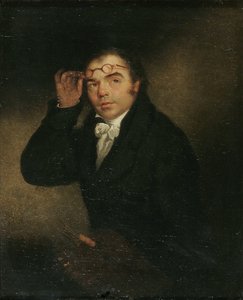
Джон Кромэ
1768 - 1821 , Великобритания
Основные сведения
- Artistic Movement Or Style: Ньюискское направление
- Artists Or Movements Influenced By This Artist: ['Романтизм']
- Artists Who Influenced This Artist:
- Мейндерт Хоббема
- Роберт Ладроук
- Date Of Birth: 1768
- Full Name: John Crome
- Nationality: Английский
- Notable Artworks:
- Хэмпстед Хилл
- Салисбэри Катедрал
- Лодка мимо затвора
- Place Of Birth: Norwich, UK
Похожие статьи

Джон Констебль: 25 шедевров английского пейзажа для вашего интерьера
Погрузитесь в мир английского пейзажа с Джоном Констеблом! 25 шедевров романтизма, история создания картин и вдохновение для вашего интерьера. Репродукции высокого качества на ArtsDot.com – искусство для ценителей.

Романтический пейзаж: 10 шедевров, изменивших искусство | ArtsDot.com
Погрузитесь в мир романтического пейзажа! 10 шедевров Фридриха, Тёрнера и других гениев. Узнайте историю создания культовых картин и вдохновитесь для декора интерьера. Репродукции высокого качества на ArtsDot.com.

The Sublime Landscape: Exploring the Hudson River School Movement
Explore the captivating world of the Hudson River School! Discover the history, artists, and defining characteristics of this iconic American art movement. Learn about Romanticism's influence & find inspiration for your collection.
Джон Сингер Сарджент: 25 шедевров портретной живописи для вашего интерьера | ArtsDot
Погрузитесь в мир Джона Сингера Сарджента! 25 шедевров импрессионизма и реализма, раскрывающих элегантность эпохи Gilded Age. Купите репродукции картин Сарджента музейного качества для вашего интерьера на ArtsDot.com.
Школа реки Гудзон: 10 шедевров, изменивших американскую живопись | ArtsDot
Погрузитесь в мир Школы реки Гудзон! 10 шедевров Томаса Коула, Фредерика Чёрча и других мастеров американского романтизма. Купите репродукции картин высокого качества для вашего интерьера на ArtsDot.com.