

 Предпросмотр
 Поделиться
 Поделиться
 Детали произведения

 Скачать
 Похожие работы
 Рентгенография
 Слайд-шоу
 Статистика
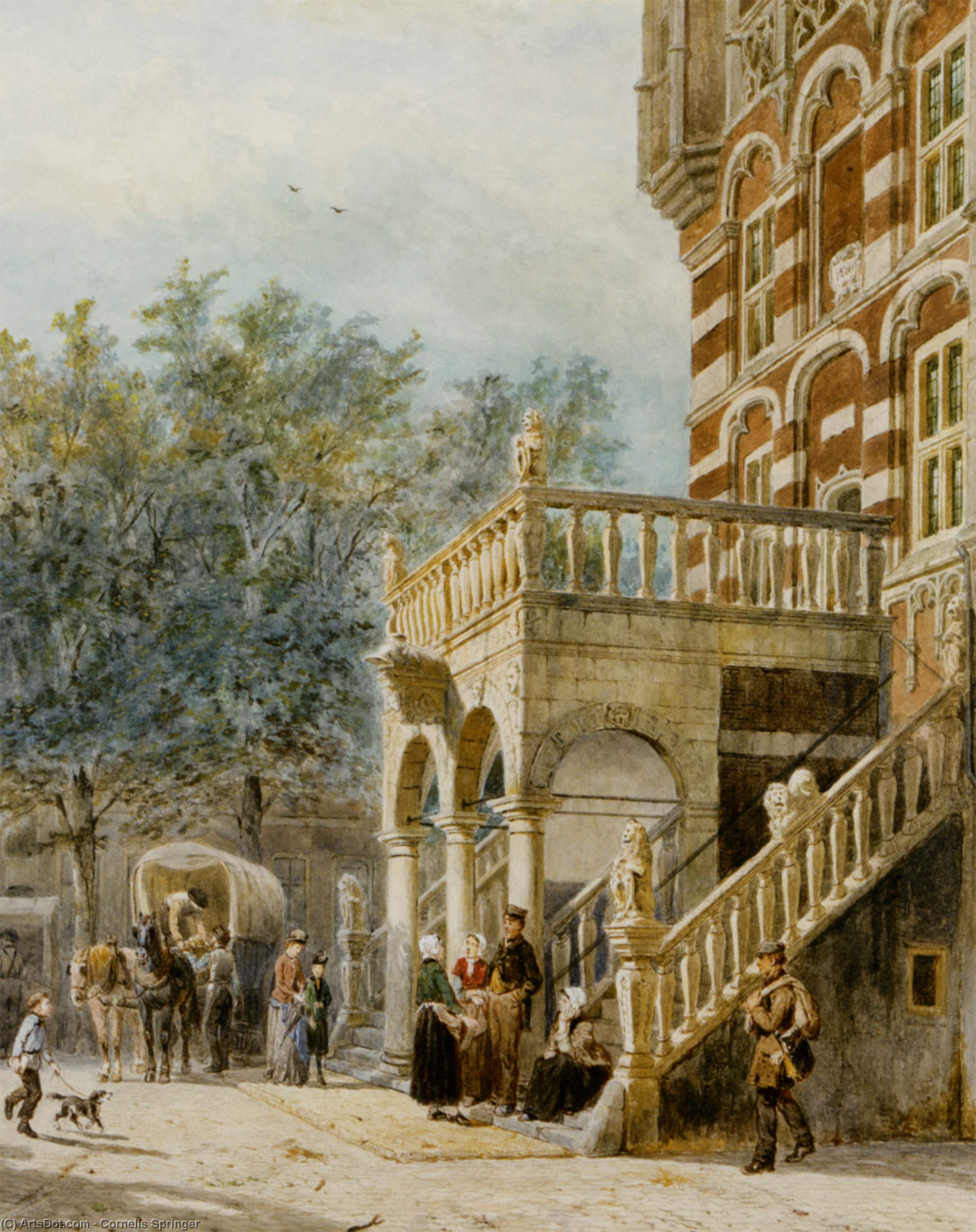
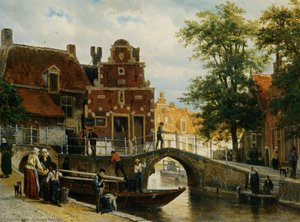
Figures on the Bank in Deventer
 Romanticism
 1888
1888 59.0 x 49.0 cm
 Читать далее
Жикле / Арт-принт
Печать (жикле) или холст музейного качества с быстрыми сроками изготовления и широким выбором вариантов отделки. ( Купить картину ручной работы Перейти к цифровым изображениям)




































Выберите один из наших стандартных размеров, соответствующих оригинальным пропорциям произведения искусства.

Вы можете указать свои собственные размеры, чтобы репродукция идеально подошла под конкретную раму или пространство. Если выбранный вами размер не будет соответствовать пропорциям оригинала, мы либо обрежем произведение, либо дополним изображение зеркальным отражением краев или однотонной заливкой. Перед началом производства вам будет отправлен цифровой макет для утверждения.
Пожалуйста, обратите внимание, что предварительный просмотр на экране не отображает фактическую обрезку или расширение изображения. Только макет точно покажет финальную композицию.
Несмотря на возможность заказа индивидуальных размеров, мы рекомендуем выбирать размер из предопределенного списка, чтобы сохранить оригинальные пропорции.
Доставка по всему миру () за 2 недели вместо стандартных 4/5 недель. (11 Сентябрь)

Бесплатная экспресс-доставка по всему миру

Высококачественный льняной холст

Полное страхование доставки

Гарантия возмещения таможенных пошлин

Гарантия точного соответствия цветов

100-дневная политика возврата (только при обнаружении дефектов)

Гарантия возврата 100% средств

Предложение оптовых скидок
 Вариант со стеклом доступен только для размеров менее 110 см

Figures on the Bank in Deventer
Жикле / Арт-принт
Размер репродукции
-


Итоговая стоимость
$ 62
Artistic Style and Influences
Cornelis Springer's work is characterized by his use of Romanticism, a style that emphasizes emotion, imagination, and beauty. His paintings often feature quaint architecture and bustling street activity, as seen in Figures on the Bank in Deventer. The artist's attention to detail and ability to capture the play of light and shadow are notable features of his work. For more information on Cornelis Springer's style and influences, visit the artist page on ArtsDot.Similar Works and Collections
Other notable works by Cornelis Springer include Many figures in the streets of Haarlem, a watercolor piece that showcases the artist's skill in capturing daily life in 19th-century Netherlands. The painting is available on ArtsDot, along with other works by the artist. The Slovak National Gallery, a prominent art museum in Slovakia, features a collection of over 60,000 works of art, including pieces from the Romantic period.- View Figures on the Bank in Deventer on ArtsDot: /en/art/show/art-8dp5nl-en/
- Learn more about Cornelis Springer on Wikipedia: https://en.wikipedia.org/wiki/Cornelis_Springer
The painting is a testament to Cornelis Springer's skill as an artist and his ability to capture the beauty of everyday life in 19th-century Netherlands.
Похожие произведения

Биография художника
The Foundations of a Master
Born in the vibrant heart of Amsterdam in 1817, Cornelis Springer’s artistic journey was deeply intertwined with the tactile world of craftsmanship. The son of Willem Springer, a skilled carpenter, Cornile inherited an eye for architectural precision and a profound respect for the structural beauty of the physical world. This early exposure to the nuances of wood and form provided a unique foundation for his later mastery of cityscape painting. His formal education at the Amsterdam Academy of Fine Arts under Jacobus van der Stok, coupled with private mentorship from Hendrik Gerrit ten Cate and Kasparus Karsen, allowed him to transcend mere technical skill. From Karsen, he absorbed a penchant for idyllic, often fantastical townscapes and a muted, copper-toned palette that would define his early explorations of the Dutch landscape.
As his talent matured, Springer moved beyond the practicalities of his upbringing to embrace the sweeping emotions of the Romantic movement. He did not merely seek to document the world; he sought to interpret it through a lens of atmosphere and light. This transition from the structural discipline of his youth to the expressive freedom of his maturity allowed him to become one of the most significant landscape painters of the nineteenth century.
A Romantic Vision of the Dutch Spirit
Springer’s artistic style was deeply rooted in Romantic ideals, standing in poignant contrast to the prevailing Classical Realism of his era. While others focused on idealized forms and photographic accuracy, Springer embraced emotion and imagination as the true heart of artistic expression. He excelled in a variety of media, including watercolor, etching, and drawing, prioritizing the capture of fleeting moments and subjective impressions. His work often features the tranquil canals, bustling market squares, and intricate facades of seventeenth and eighteenth-century buildings, all imbued with a sense of nostalgia and grace.
His ability to manipulate light and shadow created a sense of movement within his static scenes, making the architecture itself feel alive. This mastery is perhaps most evident in his celebrated achievements and iconic compositions:
- St. Joseph’s Church in Hamelen: A triumphant work that earned him a prestigious gold medal from the Amsterdam Painters Collective Felix Meritis.
- Franeker with the Zakkend Ragerschuisje: A masterful watercolor that exemplifies his use of dramatic lighting to convey the spirit of provincial life.
- The Smithy of Culemborg in the Winter: An oil on canvas that showcases his ability to infuse a cold, seasonal landscape with a sense of warmth and human comfort.
- A View of a Town along the Rhine: A stunning example of his skill in capturing the serene beauty of European river towns.
An Enduring Architectural Memory
The historical significance of Cornelis Springer lies in his role as a custodian of Dutch cultural memory. Through his detailed cityscapes and atmospheric landscapes, he preserved the essence of an era that was rapidly changing under the weight of industrialization. His paintings are not merely topographical records; they are intimate reflections of a bygone age, offering viewers a window into the soul of the Netherlands. By blending the precision learned from his father with the expressive power of Romanticism, Springer created a body of work that remains as captivating today as it was during his lifetime. His legacy continues to resonate through the halls of art history, reminding us of the profound beauty found in the intersection of human craftsmanship and the natural world.
Cornelis Springer
1817 - 1891
Основные сведения
- Artistic Movement Or Style: Romanticism
- Artists Who Influenced This Artist:
- Hendrik Gerrit Ten Cate
- Kasparus Karsen
- Date Of Birth: May 25, 1817
- Date Of Death: February 20, 1891
- Full Name: Cornelis Springer
- Nationality: Dutch
- Notable Artworks:
- View of Franeker
- Town Square before a Church
- Rhine Fantasy
- Place Of Birth: Amsterdam, Netherlands