

 Предпросмотр
 Поделиться
 Поделиться
 Детали произведения

 Скачать
 Похожие работы
 Рентгенография
 Слайд-шоу
 Статистика
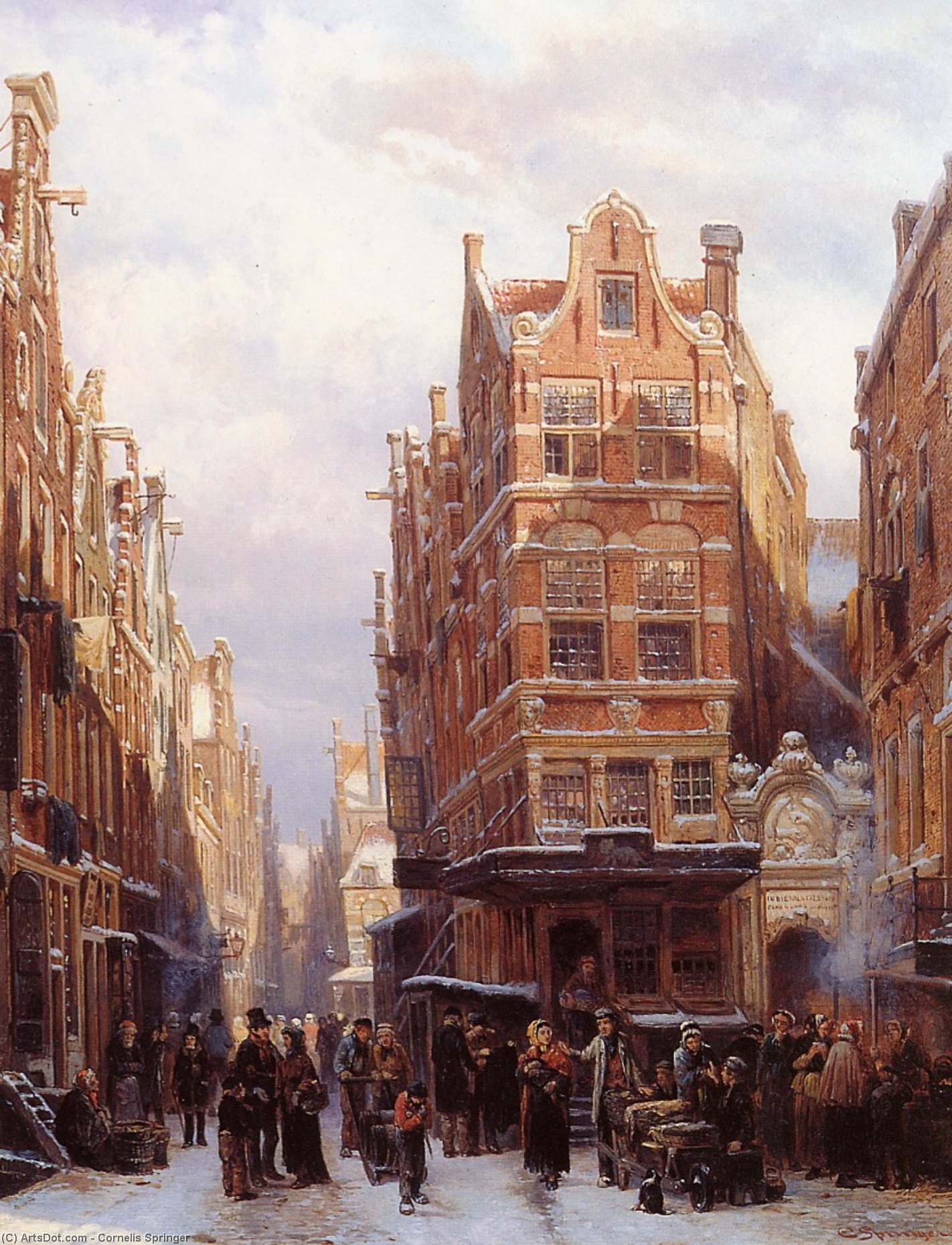
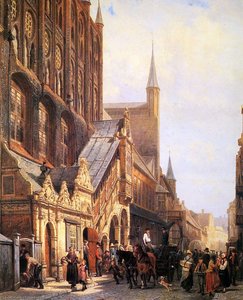
The Jewish quarter in Amsterdam

 Читать далее
Приобретите цифровое изображение высокого разрешения в улучшенном качестве, которое значительно превосходит онлайн-превью.
Каждый файл тщательно подготавливается нашими специалистами с использованием передовых инструментов и экспертной ручной ретуши. Мы гарантируем исключительную четкость, точную цветопередачу и детальную проработку каждого изображения.
Финальный файл доставляется по электронной почте в течение 72 часов и оптимизирован для немедленного использования в профессиональной среде, при верстке и печати. Это тот же уровень качества, которому доверяют ведущие дизайнерские студии, издательства и галереи.
Цифровое изображение
Скачайте файл высокого разрешения для личного использования, печати и творческих проектов. ( Перейти к печати Купить картину ручной работы)
Включено в каждый заказ цифровых изображений
Гарантия экспертной цифровой доставки
Выбирая ArtsDot.com, вы получаете не просто изображение — вы приобретаете профессионально обработанное цифровое произведение искусства, созданное с безупречной точностью и под защитой гарантии качества. Вот всё, что автоматически входит в ваш заказ:

Мгновенная доставка по e-mail
Ваш цифровой файл в высоком разрешении будет отправлен вам по электронной почте в течение 72 часов после оформления заказа — и сразу станет доступен для использования.

Цифровой файл с ИИ-улучшением
Ваше произведение искусства проходит профессиональную оптимизацию с использованием передовых инструментов ИИ и ручной обработки, что гарантирует максимальную детализацию, четкость и точность цветопередачи.

Бессрочная бесплатная повторная доставка
Случайно удалили или потеряли файл? Не беспокойтесь — мы отправим его вам повторно в любое время и совершенно бесплатно.

Без импортных пошлин — навсегда
Наслаждайтесь вашим произведением искусства мгновенно без таможенных пошлин, сборов или затрат на доставку — цифровые загрузки всегда не облагаются налогом.

Гарантия точности цветопередачи
Мы гарантируем, что ваше цифровое изображение максимально точно передает оригинальные цвета благодаря использованию профессиональных инструментов и систем управления цветом.

Гарантия удовлетворенности 100 дней
Если вы не будете удовлетворены своим цифровым изображением, мы внесем правки или вернем 100% стоимости в течение 100 дней — без лишних вопросов.

100% Гарантия возврата средств
Не удовлетворены покупкой? Получите полный возврат средств в течение 100 дней после получения цифрового файла — без лишних вопросов.

Скидки на оптовые заказы
Купите 3 изображения, сэкономьте 10% — Купите 5, сэкономьте 15% — Купите 10+, сэкономьте 20%. Отличное решение для творческих проектов, галерей и агентств.
A Glimpse into 17th-Century Amsterdam: "The Jewish Quarter"
Cornelis Springer’s “The Jewish Quarter in Amsterdam” offers a captivating window into daily life during the Dutch Golden Age. This meticulously rendered oil painting transports viewers to a snow-covered street scene, likely within the historic Jewish quarter of Amsterdam itself. The artwork's strength lies in its remarkable realism and depth, achieved through skillful perspective and detailed observation – hallmarks of Springer’s signature style.
Style & Technique: Dutch Golden Age Realism
Springer firmly belongs to the tradition of Dutch Golden Age painting, a period renowned for its realistic depictions of everyday scenes. Unlike some contemporaries who focused on grand historical narratives or dramatic religious subjects, Springer dedicated himself to capturing the beauty and detail of urban landscapes. The painting’s style is characterized by:
- Linear Precision: Sharp lines define the architecture, creating a sense of order and structure within the bustling streetscape.
- Geometric Composition: Buildings are constructed from recognizable geometric shapes – squares, rectangles, and triangles – lending a sense of stability to the scene.
- Textural Richness: The snow is not merely a white blanket; Springer masterfully depicts its texture through layered brushstrokes, creating a palpable sense of cold and depth. The weathered surfaces of the buildings are equally well-observed.
- Soft Lighting: The diffused light suggests an overcast day, bathing the scene in a gentle glow that emphasizes the subtle nuances of color and shadow.
Historical Context & Subject Matter
Painted around the mid-19th century (though depicting a 17th-century scene), Springer’s work reflects a renewed interest in Dutch history and heritage during his time. The Jewish quarter, with its distinctive architecture and vibrant community, provided a compelling subject for an artist seeking to document a specific aspect of Amsterdam's past. The painting isn't just about buildings; it's about the people who inhabited them. The small group of figures in the foreground adds scale and life to the scene, hinting at the social fabric of this historic neighborhood.
Symbolism & Emotional Resonance
Beyond its documentary value, “The Jewish Quarter” carries symbolic weight. The snow, while visually striking, can be interpreted as representing a sense of coldness or isolation. However, the presence of people moving through the scene suggests resilience and community spirit – a testament to the enduring strength of human connection even in challenging circumstances. The overall emotional tone is one of quiet contemplation; Springer invites viewers to pause and reflect on a bygone era, appreciating the beauty and complexity of everyday life in 17th-century Amsterdam. It’s a snapshot frozen in time, offering a poignant glimpse into history.
Похожие произведения


Биография художника
The Foundations of a Master
Born in the vibrant heart of Amsterdam in 1817, Cornelis Springer’s artistic journey was deeply intertwined with the tactile world of craftsmanship. The son of Willem Springer, a skilled carpenter, Cornile inherited an eye for architectural precision and a profound respect for the structural beauty of the physical world. This early exposure to the nuances of wood and form provided a unique foundation for his later mastery of cityscape painting. His formal education at the Amsterdam Academy of Fine Arts under Jacobus van der Stok, coupled with private mentorship from Hendrik Gerrit ten Cate and Kasparus Karsen, allowed him to transcend mere technical skill. From Karsen, he absorbed a penchant for idyllic, often fantastical townscapes and a muted, copper-toned palette that would define his early explorations of the Dutch landscape.
As his talent matured, Springer moved beyond the practicalities of his upbringing to embrace the sweeping emotions of the Romantic movement. He did not merely seek to document the world; he sought to interpret it through a lens of atmosphere and light. This transition from the structural discipline of his youth to the expressive freedom of his maturity allowed him to become one of the most significant landscape painters of the nineteenth century.
A Romantic Vision of the Dutch Spirit
Springer’s artistic style was deeply rooted in Romantic ideals, standing in poignant contrast to the prevailing Classical Realism of his era. While others focused on idealized forms and photographic accuracy, Springer embraced emotion and imagination as the true heart of artistic expression. He excelled in a variety of media, including watercolor, etching, and drawing, prioritizing the capture of fleeting moments and subjective impressions. His work often features the tranquil canals, bustling market squares, and intricate facades of seventeenth and eighteenth-century buildings, all imbued with a sense of nostalgia and grace.
His ability to manipulate light and shadow created a sense of movement within his static scenes, making the architecture itself feel alive. This mastery is perhaps most evident in his celebrated achievements and iconic compositions:
- St. Joseph’s Church in Hamelen: A triumphant work that earned him a prestigious gold medal from the Amsterdam Painters Collective Felix Meritis.
- Franeker with the Zakkend Ragerschuisje: A masterful watercolor that exemplifies his use of dramatic lighting to convey the spirit of provincial life.
- The Smithy of Culemborg in the Winter: An oil on canvas that showcases his ability to infuse a cold, seasonal landscape with a sense of warmth and human comfort.
- A View of a Town along the Rhine: A stunning example of his skill in capturing the serene beauty of European river towns.
An Enduring Architectural Memory
The historical significance of Cornelis Springer lies in his role as a custodian of Dutch cultural memory. Through his detailed cityscapes and atmospheric landscapes, he preserved the essence of an era that was rapidly changing under the weight of industrialization. His paintings are not merely topographical records; they are intimate reflections of a bygone age, offering viewers a window into the soul of the Netherlands. By blending the precision learned from his father with the expressive power of Romanticism, Springer created a body of work that remains as captivating today as it was during his lifetime. His legacy continues to resonate through the halls of art history, reminding us of the profound beauty found in the intersection of human craftsmanship and the natural world.
Cornelis Springer
1817 - 1891
Основные сведения
- Artistic Movement Or Style: Romanticism
- Artists Who Influenced This Artist:
- Hendrik Gerrit Ten Cate
- Kasparus Karsen
- Date Of Birth: May 25, 1817
- Date Of Death: February 20, 1891
- Full Name: Cornelis Springer
- Nationality: Dutch
- Notable Artworks:
- View of Franeker
- Town Square before a Church
- Rhine Fantasy
- Place Of Birth: Amsterdam, Netherlands