

 Предпросмотр
 Поделиться
 Поделиться
 Детали произведения

 Скачать
 Похожие работы
 Рентгенография
 Слайд-шоу
 Статистика
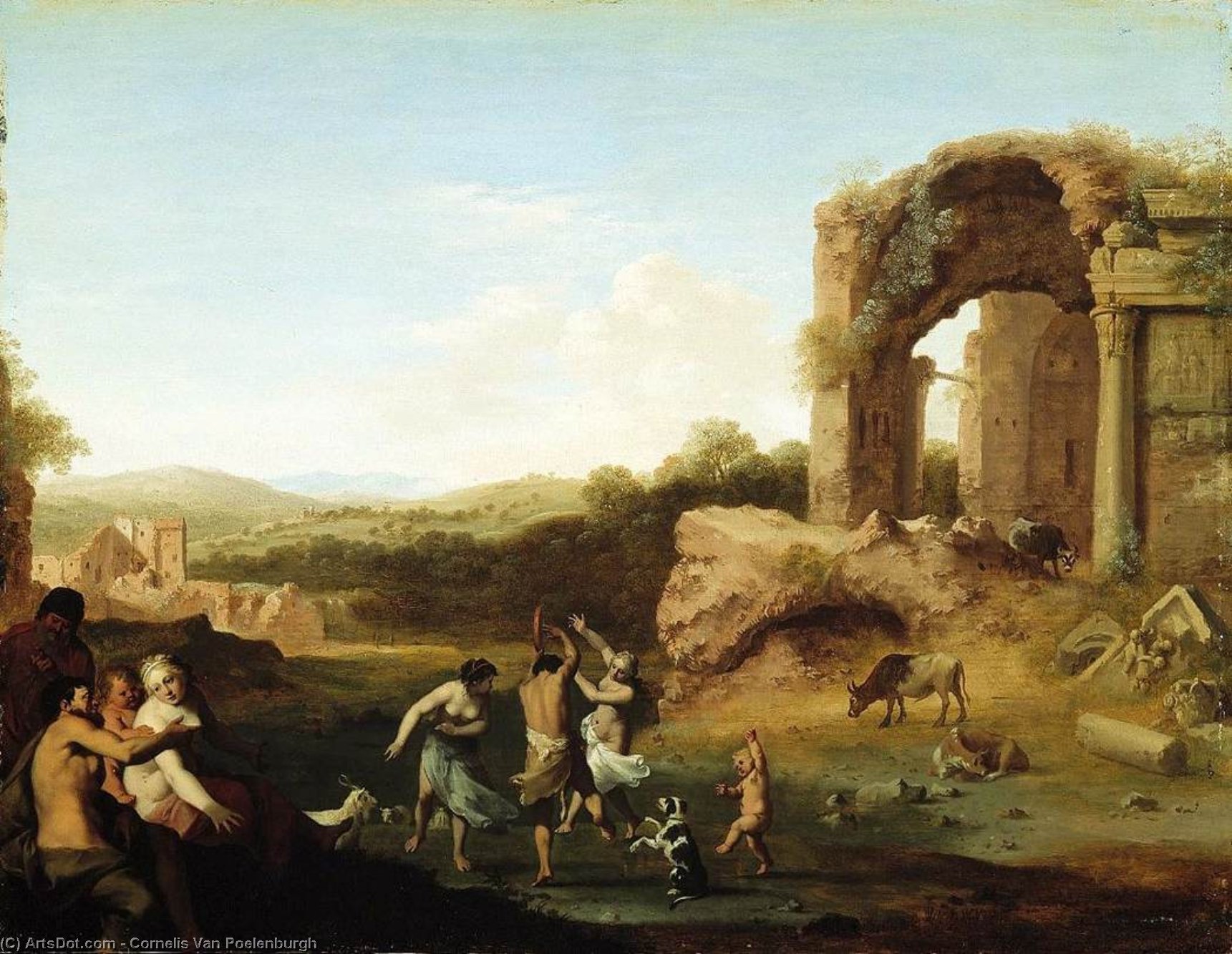
Figures Dancing near Ruin
 Oil
Oil- WallArt
 1624
1624- Early Modern
 49.0 x 59.0 cm
 Институт искусств Детройта
 Читать далее
Масляная репродукция ручной работы
Картина маслом на холсте в выбранном вами размере и раме, написанная на заказ нашими художниками. ( Перейти к печати Перейти к цифровым изображениям)




P118B $10

P118H $10

P118W $10

P438Z $10

P508JH $12

P508YH $12

P805H $10

P805Z $10

P919BZ $10

P919G $10

P919XJ $10

P959ZH $10

P968JZ $12

W106C $8

W218G $10

W218JH $8

W218Y $10

W307PJ $10

W316G $10

W316PJ $8

W316Y $10

W398PJ $8

W4111J $10

W500HY $15

W500JH $15

W692G $12

W849H $8

W940BG $15

W953PJ $8




Выберите один из наших стандартных размеров, соответствующих оригинальным пропорциям произведения искусства.

Вы можете указать собственные размеры, чтобы картина идеально вписалась в выбранную раму или пространство. Если выбранный вами размер не соответствует пропорциям оригинала, мы либо обрежем полотно, либо расширим его за счет дополнительных элементов, написанных вручную. Цифровой макет будет отправлен вам на утверждение перед началом производства.
Обратите внимание, что предварительный просмотр на экране не отражает фактическую обрезку или расширение. Только макет точно покажет окончательную композицию.
Хотя доступны индивидуальные размеры, мы рекомендуем выбирать вариант из предопределенного списка, чтобы сохранить исходные пропорции.
После оформления заказа команда ArtsDot.com свяжется с клиентом по электронной почте для уточнения деталей и предоставит предварительный макет
Доставка по всему миру () за 3–4 недели вместо стандартных 5 недель. (11 Сентябрь). Без компромиссов в качестве.

Бесплатная экспресс-доставка по всему миру

Высококачественный льняной холст

Полное страхование доставки

Гарантия возмещения таможенных пошлин

Гарантия точного соответствия цветов

100-дневная политика возврата (только при обнаружении дефектов)

Гарантия возврата 100% средств

Предложение оптовых скидок
 Вариант со стеклом доступен только для размеров менее 110 см

Figures Dancing near Ruin
Техника репродукции
Размер репродукции
-


Итоговая стоимость
$ 263
A Celebration Amidst the Echoes of Antiquity
In the delicate brushstrokes of Cornelis van Poelenburch’s Figures Dancing near Ruin, we are invited into a world where the passage of time meets the eternal vitality of life. Painted in 1624, this exquisite work captures a moment of pure, unadulterated joy set against the melancholic backdrop of architectural decay. The scene unfolds with a rhythmic grace, as figures move in a spirited dance, their silhouettes dancing between the shadows of crumbling stone and the soft light of an idealized landscape. A silent observer, a faithful dog, rests near the center of the composition, grounding the ethereal movement of the dancers with a touch of domestic warmth and earthly presence.
The painting serves as a profound meditation on the concept of transience. The ruined building, likely a nod to the Roman grandeur that so captivated the Dutch masters, stands as a skeletal reminder of fallen empires and lost eras. Yet, rather than evoking sadness, these ruins provide a stage for a vibrant celebration of the present. This juxtaposition creates a powerful emotional resonance: the realization that while stone may crumble and civilizations may fade, the human spirit—expressed through music, dance, and companionship—remains indomitable and bright.
The Mastery of the Italianate Style
As a leading figure of the first generation of Dutch landscape painters active in Italy, Van Poelenburch brings a sophisticated, Italianate sensibility to this composition. His training under Abraham Bloemaert and his formative years spent wandering through Rome allowed him to blend the meticulous detail characteristic of Dutch art with the luminous, atmospheric qualities of the Mediterranean light. In this piece, one can observe his mastery of small-scale storytelling, where every figure is carefully placed to guide the eye through a lush, hilly terrain that feels both mythical and real.
The technique employed here is nothing short of masterful for its era. The artist utilizes a delicate palette to create depth, using soft transitions of light and shadow to give volume to the dancers and texture to the weathered masonry. For the discerning collector or interior designer, this painting offers more than just visual beauty; it provides a window into a refined aesthetic era. A high-quality reproduction of this work brings an air of classical elegance and intellectual depth to any space, acting as a sophisticated focal point that invites long periods of contemplation and conversation.
An Inspiration for the Modern Interior
Integrating a piece like Figures Dancing near Ruin into a contemporary or classical interior allows for a rich layering of history and emotion. Its subject matter—the celebration of life amidst change—is universally relatable, making it an ideal choice for those looking to infuse their homes with a sense of timelessness and grace. The subtle interplay of light and the nostalgic atmosphere of the ruins can complement various design styles, from the quiet sophistication of a minimalist gallery-style room to the opulent textures of a traditional study.
Owning a reproduction of such a significant work by Van Poelenburch is an opportunity to possess a fragment of the 17th-century Golden Age. It is an investment in atmosphere, bringing the warmth of a sun-drenched afternoon and the rhythmic pulse of a historical celebration into the modern sanctuary. Whether used to anchor a large-scale wall arrangement or as a singular, poignant statement piece, this artwork promises to inspire awe and provide a lasting sense of peace and vitality to any environment.
Похожие произведения



Биография художника
Ранние годы и обучение
Корнелис ван Поленбург, выдающийся голландский пейзажист, родился в Утрехте, Нидерланды, в 1594 году. Изначально он обучался у Абрахама Блоэмаerta, известного художника того времени. Это фундаментальное обучение заложило основу для будущего успеха ван Поленбурга.Художественная карьера и влияние
Поездки ван Поленбурга в Рим в начале XVII века оказали огромное влияние на его творчество, сделав его ведущим представителем первого поколения голландских пейзажистов, работавших в Италии. Его небольшие полотна, часто изображающие итальянские пейзажи с маленькими фигурами, разыгрывающими библейские или мифологические сцены, демонстрировали его неповторимый стиль. Известные работы:- Сатиры, шпионящие на нимф (после 1627 г.), характерный пример творчества ван Поленбурга, изображающий архаичные пейзажи с купающимися фигурами. (посмотреть в ArtsDot)
- Совет богов (около 1630 г.), картина, демонстрирующая идеализированный холмистый пейзаж ван Поленбурга и богинь в римском стиле, ныне хранящаяся в Маурициусе (Гаага, Нидерланды). (посмотреть в ArtsDot)
Наследие и поздние годы
Творчество ван Поленбурга высоко ценилось его современниками, включая герцога Тосканского и голландского статхольдера. Позднее он вернулся в Утрехт, где скончался в 1667 году, всего через несколько лет после своего старого учителя Абрахама Блоэмаerta. Ключевые моменты:- родился в Утрехте, Нидерланды, в 1594 г.
- обучался у Абрахама Блоэмаerta
- под влиянием пребывания в Риме
- известен своими небольшими итальянскими пейзажами с фигурами
- умер в Утрехте в 1667 г. посмотреть работы Корнелиса ван Поленбурга в ArtsDot узнать больше о Корнелисе ван Поленбурге на Википедии
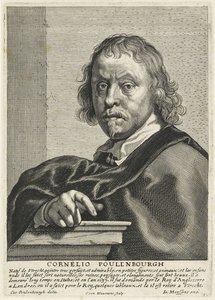
Корнелис Ван Поленбург
1594 - 1667 , Нидерланды
Основные сведения
- Artistic Movement Or Style: Голландский пейзаж, Романизм
- Artists Or Movements Influenced By This Artist: ['Клод Лорен']
- Artists Who Influenced This Artist: ['Абрахам Блоэмаерт']
- Date Of Birth: 1594 год, Утрехт, Нидерланды
- Date Of Death: 1667 год, Утрехт, Нидерланды
- Full Name: Корнелис ван Поленбург
- Nationality: Голландский
- Notable Artworks:
- Сатиры, шпионящие на нимф
- Совет богов
- Place Of Birth: Утрехт, Нидерланды
Похожие статьи

Illuminating Realism: Exploring the Dutch Golden Age of Painting (1600-1700)
Explore the Dutch Golden Age of painting (1600-1700) with ArtsDot. Discover Rembrandt, Vermeer & other masters. Learn about techniques, history & find museum-quality reproductions.

Illuminating Innovation: Exploring the Dutch Golden Age of Painting
Explore the Dutch Golden Age of painting with ArtsDot. Discover Rembrandt, Vermeer & other Masters. Learn about key characteristics, iconic artworks, and lasting influence. Expert insights for collectors & enthusiasts.

Golden Age Reflections: Dutch Baroque Painting & Cultural Innovation
Explore the Dutch Golden Age of painting! Discover key artists like Vermeer & ter Borch, their innovative techniques, and the rich cultural context behind these Baroque masterpieces. Learn about collecting & appreciating this iconic art period.

Золотой век Голландии: 10 шедевров, изменивших искусство | ArtsDot.com
Погрузитесь в эпоху Золотого века Нидерландов! 10 шедевров Рембрандта, Вермеера и других мастеров. Узнайте истории создания культовых картин и вдохновитесь для интерьера. Репродукции музейного качества на ArtsDot.com.
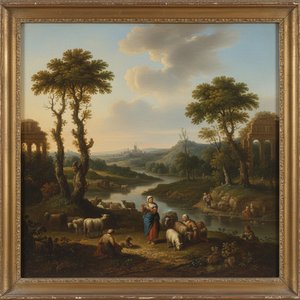
Nicolaes Berchem: Dutch Golden Age Pastoralism & the Evolution of Landscape Painting
Explore the captivating world of Nicolaes Berchem, a leading Dutch Golden Age painter. Discover his idyllic landscapes, masterful technique & lasting influence on art history. Learn more at ArtsDot.