

 Предпросмотр
 Поделиться
 Поделиться
 Детали произведения

 Скачать
 Похожие работы
 Рентгенография
 Слайд-шоу
 Статистика
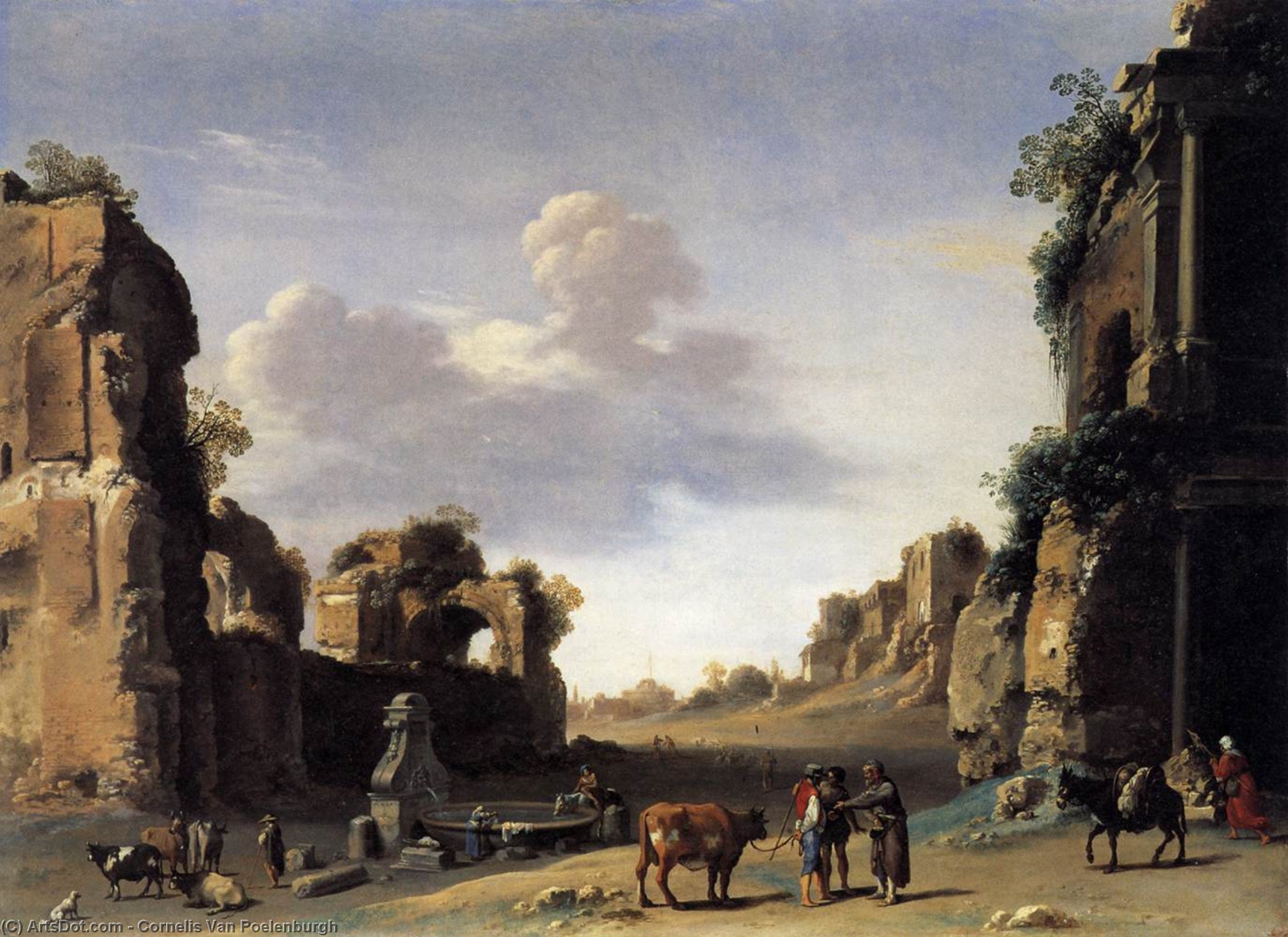
View of the Campo Vaccino
 Oil On Copper
- WallArt
- Baroque
 1620
1620- Early Modern
 40.0 x 55.0 cm
 Лувр
Лувр
 Читать далее
Жикле / Арт-принт
Печать (жикле) или холст музейного качества с быстрыми сроками изготовления и широким выбором вариантов отделки. ( Купить картину ручной работы Перейти к цифровым изображениям)




P118B $10

P118H $10

P118W $10

P438Z $10

P508JH $12

P508YH $12

P805H $10

P805Z $10

P919BZ $10

P919G $10

P919XJ $10

P959ZH $10

P968JZ $12

W106C $8

W218G $10

W218JH $8

W218Y $10

W307PJ $10

W316G $10

W316PJ $8

W316Y $10

W398PJ $8

W4111J $10

W500HY $15

W500JH $15

W692G $12

W849H $8

W940BG $15

W953PJ $8




Выберите один из наших стандартных размеров, соответствующих оригинальным пропорциям произведения искусства.

Вы можете указать свои собственные размеры, чтобы репродукция идеально подошла под конкретную раму или пространство. Если выбранный вами размер не будет соответствовать пропорциям оригинала, мы либо обрежем произведение, либо дополним изображение зеркальным отражением краев или однотонной заливкой. Перед началом производства вам будет отправлен цифровой макет для утверждения.
Пожалуйста, обратите внимание, что предварительный просмотр на экране не отображает фактическую обрезку или расширение изображения. Только макет точно покажет финальную композицию.
Несмотря на возможность заказа индивидуальных размеров, мы рекомендуем выбирать размер из предопределенного списка, чтобы сохранить оригинальные пропорции.
Доставка по всему миру () за 2 недели вместо стандартных 4/5 недель. (12 Сентябрь)

Бесплатная экспресс-доставка по всему миру

Высококачественный льняной холст

Полное страхование доставки

Гарантия возмещения таможенных пошлин

Гарантия точного соответствия цветов

100-дневная политика возврата (только при обнаружении дефектов)

Гарантия возврата 100% средств

Предложение оптовых скидок
 Вариант со стеклом доступен только для размеров менее 110 см

View of the Campo Vaccino
Жикле / Арт-принт
Размер репродукции
-


Итоговая стоимость
$ 62
A Window into Antiquity: The Luminous World of Van Poelenburgh
In the quiet intimacy of Cornelis van Poelenburgh’s View of the Campo Vaccino, we are invited to step through a portal into the heart of 17th-century Rome. Painted in 1620, this exquisite oil on copper masterpiece does far more than document a topographical location; it captures a profound meditation on the passage of time and the enduring presence of the divine amidst earthly decay. The scene centers upon the Roman Forum—the legendary Campo Vaccino—which, in the artist's era, had transitioned from a seat of imperial power to a pastoral enclosure for cattle. Through his masterful command of light, van Poelenburgh transforms a landscape of ruins into a stage for spiritual contemplation, where the crumbling grandeur of the past meets the soft, breathing vitality of the present.
The composition is anchored by two dramatic, imposing gorges that frame the central vista like theatrical curtains, guiding the viewer’s gaze upward toward a radiant, celestial sky. This structural choice creates an immediate sense of depth and monumental scale, even within the small-scale format typical of Dutch cabinet paintings. As the eye wanders along a winding road that meanders through the skeletal remains of classical architecture, it encounters small, delicate figures and livestock, their presence adding a layer of human narrative to the vastness of the landscape. The lighting is nothing short of transformative; a soft, diffused glow suggests an overcast day, yet bright highlights dance upon the clouds and the weathered surfaces of stone, imbuing the entire scene with a sense of quiet, atmospheric magic.
The Mastery of Light and Texture
To behold this work is to witness the pinnacle of the Baroque landscape tradition. Van Poelenburgh utilizes the unique properties of copper as his support, a medium prized by masters for its ability to hold incredibly fine detail and produce an unparalleled luminosity. His technique is characterized by meticulous brushstrokes that achieve subtle gradations of color, allowing for a seamless transition between the rough, tactile surfaces of ancient stone and the ethereal, smooth textures of the sky and foliage. This interplay of light and shadow—the chiaroscuro—is central to the painting's emotional resonance, creating an atmosphere that oscillates between the somber weight of history and the hopeful brilliance of a new day.
The color palette is a sophisticated balance of cool and warm tones. Deep blues and lush greens define the distant foliage and the expansive sky, providing a serene backdrop that allows the warmer, earthy ochres and sun-bleached greys of the ruins to stand out. This careful chromatic arrangement ensures that the viewer remains captivated by the intricate details of the architecture while never losing sight of the broader, atmospheric mood. For the discerning collector or interior designer, such a piece offers a profound sense of depth and sophistication, acting as a focal point that brings both historical weight and a tranquil, contemplative energy to any curated space.
Symbolism and the Eternal Cycle
Beyond its aesthetic splendor, View of the Campo Vaccino is rich with symbolic meaning. The crumbling Roman ruins serve as potent memento mori—reminders of mortality and the inevitable impermanence of even the mightiest human empires. Yet, this sense of decay is not presented with despair; rather, it is juxtaposed with the enduring cycles of nature and the persistent presence of life. The cattle grazing amidst the columns and the radiant light breaking through the clouds suggest a divine continuity, an idea that beauty and spirit persist long after the structures of man have fallen.
This duality makes the painting an exceptionally versatile piece for modern decoration. It possesses the ability to evoke nostalgia and reverence for antiquity while providing a calming, meditative quality that complements contemporary minimalist or classical interiors alike. Whether viewed as a historical document of the Dutch Italianate movement or as a purely emotive landscape, van Poelenburgh’s work remains a timeless testament to the beauty found in the intersection of ruin and renewal.
Похожие произведения
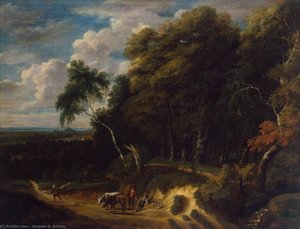
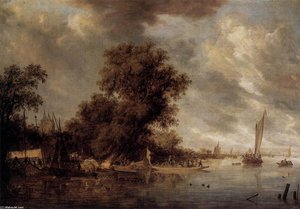
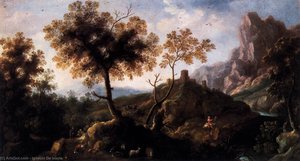
Биография художника
Ранние годы и обучение
Корнелис ван Поленбург, выдающийся голландский пейзажист, родился в Утрехте, Нидерланды, в 1594 году. Изначально он обучался у Абрахама Блоэмаerta, известного художника того времени. Это фундаментальное обучение заложило основу для будущего успеха ван Поленбурга.Художественная карьера и влияние
Поездки ван Поленбурга в Рим в начале XVII века оказали огромное влияние на его творчество, сделав его ведущим представителем первого поколения голландских пейзажистов, работавших в Италии. Его небольшие полотна, часто изображающие итальянские пейзажи с маленькими фигурами, разыгрывающими библейские или мифологические сцены, демонстрировали его неповторимый стиль. Известные работы:- Сатиры, шпионящие на нимф (после 1627 г.), характерный пример творчества ван Поленбурга, изображающий архаичные пейзажи с купающимися фигурами. (посмотреть в ArtsDot)
- Совет богов (около 1630 г.), картина, демонстрирующая идеализированный холмистый пейзаж ван Поленбурга и богинь в римском стиле, ныне хранящаяся в Маурициусе (Гаага, Нидерланды). (посмотреть в ArtsDot)
Наследие и поздние годы
Творчество ван Поленбурга высоко ценилось его современниками, включая герцога Тосканского и голландского статхольдера. Позднее он вернулся в Утрехт, где скончался в 1667 году, всего через несколько лет после своего старого учителя Абрахама Блоэмаerta. Ключевые моменты:- родился в Утрехте, Нидерланды, в 1594 г.
- обучался у Абрахама Блоэмаerta
- под влиянием пребывания в Риме
- известен своими небольшими итальянскими пейзажами с фигурами
- умер в Утрехте в 1667 г. посмотреть работы Корнелиса ван Поленбурга в ArtsDot узнать больше о Корнелисе ван Поленбурге на Википедии
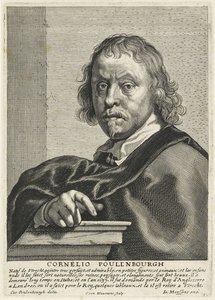
Корнелис Ван Поленбург
1594 - 1667 , Нидерланды
Основные сведения
- Artistic Movement Or Style: Голландский пейзаж, Романизм
- Artists Or Movements Influenced By This Artist: ['Клод Лорен']
- Artists Who Influenced This Artist: ['Абрахам Блоэмаерт']
- Date Of Birth: 1594 год, Утрехт, Нидерланды
- Date Of Death: 1667 год, Утрехт, Нидерланды
- Full Name: Корнелис ван Поленбург
- Nationality: Голландский
- Notable Artworks:
- Сатиры, шпионящие на нимф
- Совет богов
- Place Of Birth: Утрехт, Нидерланды
Похожие статьи

Golden Age Reflections: Dutch Baroque Painting & Cultural Innovation
Explore the Dutch Golden Age of painting! Discover key artists like Vermeer & ter Borch, their innovative techniques, and the rich cultural context behind these Baroque masterpieces. Learn about collecting & appreciating this iconic art period.
Cornelis van Poelenburch: Bridging Mannerism & the Dutch Baroque Landscape
Discover Cornelis van Poelenburch, a pivotal Dutch Baroque landscape painter bridging Mannerism & Italianate styles. Explore his life, key works, and lasting influence on 17th-century art with ArtsDot.

Топ-10 шедевров голландского барокко: искусство для вашего интерьера от ArtsDot.com
Погрузитесь в мир голландского барокко! От Рембрандта до Вермеера – 10 шедевров, изменивших искусство. Узнайте истории создания и технику великих мастеров. Репродукции картин высочайшего качества для вашего интерьера на ArtsDot.com.

Baroque Classicism: Reconciling Drama & Order in 17th-Century Art
Explore the captivating world of Baroque Classicism! Discover its history, key artists like Caravaggio & Rubens, and defining characteristics. Expert insights & high-quality reproductions at ArtsDot.
Nicolaes Berchem: Dutch Golden Age Pastoralism & the Evolution of Landscape Painting
Explore the captivating world of Nicolaes Berchem, a leading Dutch Golden Age painter. Discover his idyllic landscapes, masterful technique & lasting influence on art history. Learn more at ArtsDot.