

 Предпросмотр
 Поделиться
 Поделиться
 Детали произведения

 Скачать
 Похожие работы
 Рентгенография
 Слайд-шоу
 Статистика
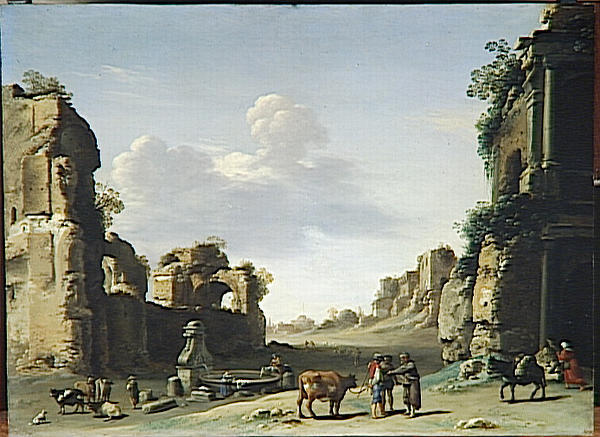
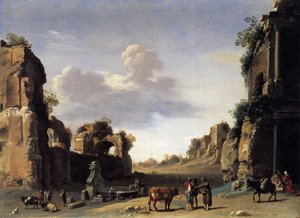
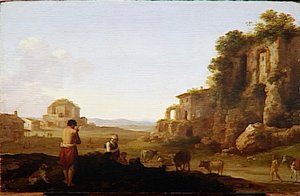
VUE DE FANTAISIE DU CAMPO VACCINO A ROME AVEC UN ANE


 Читать далее
Жикле / Арт-принт
Печать (жикле) или холст музейного качества с быстрыми сроками изготовления и широким выбором вариантов отделки. ( Купить картину ручной работы Перейти к цифровым изображениям)




P118B $10

P118H $10

P118W $10

P438Z $10

P508JH $12

P508YH $12

P805H $10

P805Z $10

P919BZ $10

P919G $10

P919XJ $10

P959ZH $10

P968JZ $12

W106C $8

W218G $10

W218JH $8

W218Y $10

W307PJ $10

W316G $10

W316PJ $8

W316Y $10

W398PJ $8

W4111J $10

W500HY $15

W500JH $15

W692G $12

W849H $8

W940BG $15

W953PJ $8




Выберите один из наших стандартных размеров, соответствующих оригинальным пропорциям произведения искусства.

Вы можете указать свои собственные размеры, чтобы репродукция идеально подошла под конкретную раму или пространство. Если выбранный вами размер не будет соответствовать пропорциям оригинала, мы либо обрежем произведение, либо дополним изображение зеркальным отражением краев или однотонной заливкой. Перед началом производства вам будет отправлен цифровой макет для утверждения.
Пожалуйста, обратите внимание, что предварительный просмотр на экране не отображает фактическую обрезку или расширение изображения. Только макет точно покажет финальную композицию.
Несмотря на возможность заказа индивидуальных размеров, мы рекомендуем выбирать размер из предопределенного списка, чтобы сохранить оригинальные пропорции.
Доставка по всему миру () за 2 недели вместо стандартных 4/5 недель. (13 Сентябрь)

Бесплатная экспресс-доставка по всему миру

Высококачественный льняной холст

Полное страхование доставки

Гарантия возмещения таможенных пошлин

Гарантия точного соответствия цветов

100-дневная политика возврата (только при обнаружении дефектов)

Гарантия возврата 100% средств

Предложение оптовых скидок
 Вариант со стеклом доступен только для размеров менее 110 см

VUE DE FANTAISIE DU CAMPO VACCINO A ROME AVEC UN ANE
Жикле / Арт-принт
Размер репродукции
-


Итоговая стоимость
$ 62
Cornelis van Poelenburgh: A Pioneer of Dutch Landscape Painting
Cornelis van Poelenburgh (1594 – 1667), born in Utrecht, Netherlands, stands as one of the foremost figures in the inaugural generation of Dutch landscape painters active during the Golden Age. His formative years were spent under the tutelage of Abraham Bloemaert, a celebrated artist whose influence profoundly shaped van Poelenburgh’s artistic trajectory. This foundational training instilled within him a meticulous approach to observation and representation—a characteristic that would define his distinctive style and solidify his legacy as a visionary interpreter of the natural world.- Early Life & Training: Bloemaert's guidance fostered van Poelenburgh’s technical prowess, equipping him with the skills necessary for mastering oil painting techniques and achieving remarkable tonal nuances.
- The Roman Influence: A pivotal moment arrived when van Poelenburgh embarked on a journey to Rome in the early 1620s, immersing himself in the artistic fervor of the Italian Renaissance. This immersion irrevocably altered his aesthetic sensibilities, propelling him toward a style characterized by idealized landscapes populated by diminutive figures enacting biblical or mythological narratives—a stylistic hallmark that distinguishes him from his contemporaries.
Notable Works: Capturing Myth and Majesty
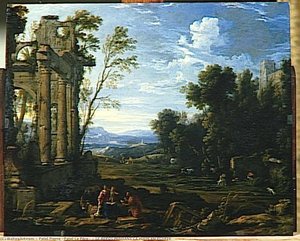
Van Poelenburgh’s artistic output yielded several masterpieces that continue to captivate audiences today. “Satyrs spying on nymphs” (after 1627), exemplifies his masterful command of archaic landscapes, populated by figures engaged in serene contemplation amidst breathtaking vistas—a scene imbued with a palpable sense of timeless beauty and spiritual resonance. Similarly, "Council of the Gods" (c. 1630) showcases van Poelenburgh’s unwavering dedication to idealized hilly landscapes adorned with Roman-inspired goddesses, now residing within the Mauritshuis in The Hague. This painting embodies the artist's profound admiration for classical antiquity and his ability to convey its grandeur through meticulous detail and harmonious composition.Technique & Materials: Mastering Oil on Canvas
Van Poelenburgh’s artistic technique revolved around traditional oil painting methods, prioritizing layering colors with painstaking precision and utilizing glazing—a process that achieved subtle tonal variations and enhanced the luminosity of his canvases. He skillfully employed linear perspective to create depth within his landscapes, mirroring the conventions of Renaissance art while simultaneously injecting a uniquely Dutch sensibility into his depictions of nature. The resulting textures—rough surfaces for rocky formations, smoother areas for architectural ruins, and softer tones for atmospheric haze—contribute to an overall impression of understated elegance and artistic refinement.Symbolism & Emotional Resonance: Echoes of Antiquity
Beyond mere visual representation, van Poelenburgh’s paintings resonate with symbolic significance, evoking a profound awareness of the passage of time and reflecting upon humanity's relationship with the cosmos. The ruins scattered throughout his landscapes serve as reminders of past glories—a poignant commentary on mortality and an invitation to contemplate the enduring beauty of nature. Overall, his works convey tranquility and nostalgia for classical antiquity—capturing not only the splendor of the Roman landscape but also the spiritual contemplation inherent in observing its sublime grandeur.Legacy & Influence: Shaping Dutch Landscape Painting
Cornelis van Poelenburgh’s contribution to Dutch landscape painting is undeniable. He established himself as a pioneer of his era, pioneering a style that blended realism with idealized elements—a stylistic approach that would inspire generations of artists to follow. His enduring influence can be discerned in the works of subsequent painters who embraced similar techniques and pursued comparable artistic ambitions—solidifying van Poelenburgh’s position as one of the most revered figures within Dutch art history.Похожие произведения
Биография художника
Ранние годы и обучение
Корнелис ван Поленбург, выдающийся голландский пейзажист, родился в Утрехте, Нидерланды, в 1594 году. Изначально он обучался у Абрахама Блоэмаerta, известного художника того времени. Это фундаментальное обучение заложило основу для будущего успеха ван Поленбурга.Художественная карьера и влияние
Поездки ван Поленбурга в Рим в начале XVII века оказали огромное влияние на его творчество, сделав его ведущим представителем первого поколения голландских пейзажистов, работавших в Италии. Его небольшие полотна, часто изображающие итальянские пейзажи с маленькими фигурами, разыгрывающими библейские или мифологические сцены, демонстрировали его неповторимый стиль. Известные работы:- Сатиры, шпионящие на нимф (после 1627 г.), характерный пример творчества ван Поленбурга, изображающий архаичные пейзажи с купающимися фигурами. (посмотреть в ArtsDot)
- Совет богов (около 1630 г.), картина, демонстрирующая идеализированный холмистый пейзаж ван Поленбурга и богинь в римском стиле, ныне хранящаяся в Маурициусе (Гаага, Нидерланды). (посмотреть в ArtsDot)
Наследие и поздние годы
Творчество ван Поленбурга высоко ценилось его современниками, включая герцога Тосканского и голландского статхольдера. Позднее он вернулся в Утрехт, где скончался в 1667 году, всего через несколько лет после своего старого учителя Абрахама Блоэмаerta. Ключевые моменты:- родился в Утрехте, Нидерланды, в 1594 г.
- обучался у Абрахама Блоэмаerta
- под влиянием пребывания в Риме
- известен своими небольшими итальянскими пейзажами с фигурами
- умер в Утрехте в 1667 г. посмотреть работы Корнелиса ван Поленбурга в ArtsDot узнать больше о Корнелисе ван Поленбурге на Википедии
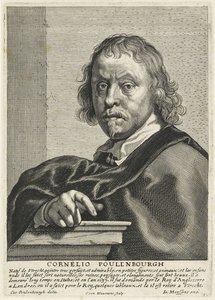
Корнелис Ван Поленбург
1594 - 1667 , Нидерланды
Основные сведения
- Artistic Movement Or Style: Голландский пейзаж, Романизм
- Artists Or Movements Influenced By This Artist: ['Клод Лорен']
- Artists Who Influenced This Artist: ['Абрахам Блоэмаерт']
- Date Of Birth: 1594 год, Утрехт, Нидерланды
- Date Of Death: 1667 год, Утрехт, Нидерланды
- Full Name: Корнелис ван Поленбург
- Nationality: Голландский
- Notable Artworks:
- Сатиры, шпионящие на нимф
- Совет богов
- Place Of Birth: Утрехт, Нидерланды
Похожие статьи
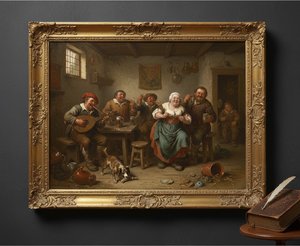
Adriaen van Ostade: A Master of Dutch Genre Painting & Social Commentary
Explore the life & work of Adriaen van Ostade, a leading Dutch Golden Age painter. Discover his realistic genre scenes, social commentary, and lasting influence on art history. Learn more at ArtsDot.
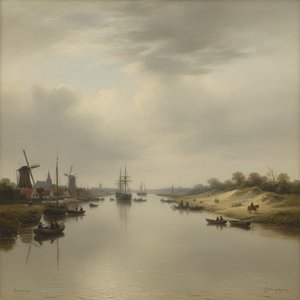
Jan van Goyen: Master of Dutch Landscape & Atmospheric Perspective
Discover Jan van Goyen, the master of Dutch landscape painting. Explore his subtle technique, atmospheric realism & lasting influence on art history. Learn about this 17th-century pioneer at ArtsDot.

Рембрандт ван Рейн: Топ-25 шедевров великого голландского мастера | ArtsDot
Погрузитесь в мир великого Рембрандта! 25 шедевров голландского барокко, истории создания картин и уникальные техники художника. Купите репродукции картин Рембрандта высочайшего качества для вашего интерьера на ArtsDot.com
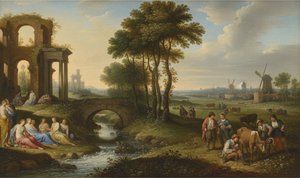
Cornelis van Poelenburch: Bridging Mannerism & the Dutch Baroque Landscape
Discover Cornelis van Poelenburch, a pivotal Dutch Baroque landscape painter bridging Mannerism & Italianate styles. Explore his life, key works, and lasting influence on 17th-century art with ArtsDot.
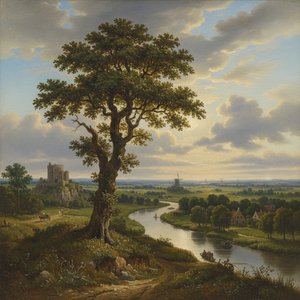
Jacob van Ruisdael: Master of Dutch Landscape & the Evocation of National Identity
Explore the life & work of Jacob van Ruisdael, the preeminent Dutch landscape painter. Discover his technical brilliance, symbolic depth, and lasting influence on art history. Learn about collecting Ruisdael's masterpieces.