

 Предпросмотр
 Поделиться
 Поделиться
 Детали произведения

 Скачать
 Похожие работы
 Рентгенография
 Слайд-шоу
 Статистика
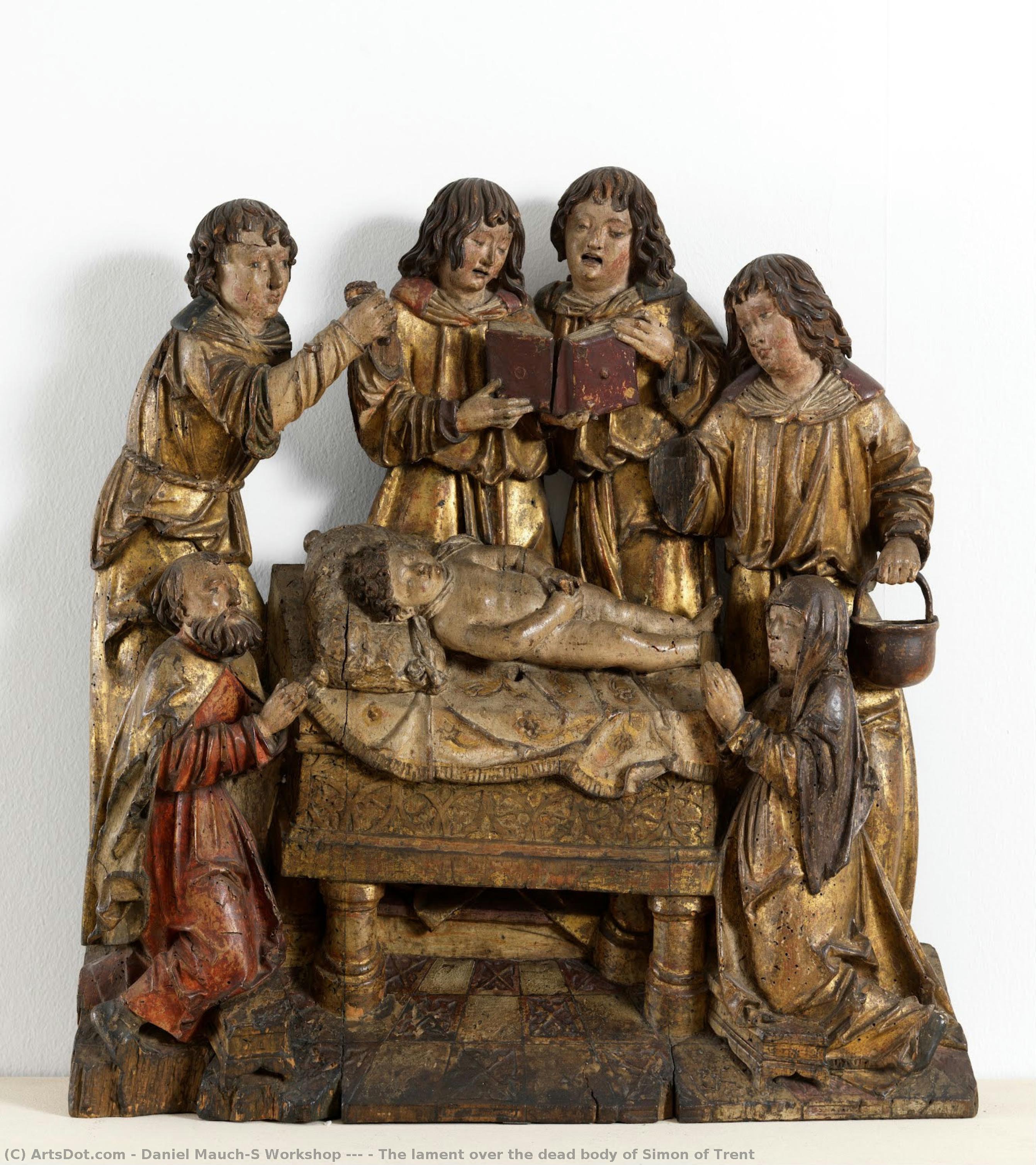
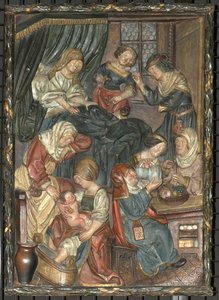
The lament over the dead body of Simon of Trent


 Читать далее
Жикле / Арт-принт
Печать (жикле) или холст музейного качества с быстрыми сроками изготовления и широким выбором вариантов отделки. ( Купить картину ручной работы Перейти к цифровым изображениям)




P118B $10

P118H $10

P118W $10

P438Z $10

P508JH $12

P508YH $12

P805H $10

P805Z $10

P919BZ $10

P919G $10

P919XJ $10

P959ZH $10

P968JZ $12

W106C $8

W218G $10

W218JH $8

W218Y $10

W307PJ $10

W316G $10

W316PJ $8

W316Y $10

W398PJ $8

W4111J $10

W500HY $15

W500JH $15

W692G $12

W849H $8

W940BG $15

W953PJ $8




Выберите один из наших стандартных размеров, соответствующих оригинальным пропорциям произведения искусства.

Вы можете указать свои собственные размеры, чтобы репродукция идеально подошла под конкретную раму или пространство. Если выбранный вами размер не будет соответствовать пропорциям оригинала, мы либо обрежем произведение, либо дополним изображение зеркальным отражением краев или однотонной заливкой. Перед началом производства вам будет отправлен цифровой макет для утверждения.
Пожалуйста, обратите внимание, что предварительный просмотр на экране не отображает фактическую обрезку или расширение изображения. Только макет точно покажет финальную композицию.
Несмотря на возможность заказа индивидуальных размеров, мы рекомендуем выбирать размер из предопределенного списка, чтобы сохранить оригинальные пропорции.
Доставка по всему миру () за 2 недели вместо стандартных 4/5 недель. (13 Сентябрь)

Бесплатная экспресс-доставка по всему миру

Высококачественный льняной холст

Полное страхование доставки

Гарантия возмещения таможенных пошлин

Гарантия точного соответствия цветов

100-дневная политика возврата (только при обнаружении дефектов)

Гарантия возврата 100% средств

Предложение оптовых скидок
 Вариант со стеклом доступен только для размеров менее 110 см

The lament over the dead body of Simon of Trent
Жикле / Арт-принт
Размер репродукции
-


Итоговая стоимость
$ 62
A Somber Symphony of Grief
In the quiet, heavy atmosphere of The Lament over the Dead Body of Simon of Trent, we are invited into a moment of profound human sorrow and religious devotion. Created around 1510, this evocative work captures a group of mourners gathered in a tight, emotionally charged composition around a central figure. The painting serves as a window into the late Gothic tradition, where the weight of mortality is balanced by the spiritual gravity of the scene. As eyes wander across the canvas, they meet the faces of at least nine individuals, each etched with a unique expression of mourning, ranging from silent contemplation to visible anguish. A solitary book rests upon the ground, perhaps a liturgical text used to sanctify this tragic moment, grounding the ethereal grief in the tangible rituals of the era.
The artistry attributed to Daniel Mauch’s workshop reflects a masterful command over the transition between the intricate ornamentation of the Gothic period and the emerging naturalism of the Renaissance. The technique employs a meticulous attention to detail that allows the viewer to feel the texture of the heavy garments and the somber stillness of the air. Through subtle shifts in light and shadow, the artist creates a sense of depth that pulls the observer into the circle of mourners, making the tragedy feel immediate and personal. For the collector or interior designer, this piece offers more than just visual beauty; it provides a focal point of intense narrative power, capable of anchoring a room with its historical weight and contemplative mood.
Historical Resonance and Symbolic Depth
To understand this work is to touch the pulse of early 16th-century Europe. The subject matter—the lamentation for Simon of Trent—carries significant historical and religious connotations that would have been deeply understood by contemporary audiences. The composition functions as a study in communal loss, where the individual's pain is woven into a larger tapestry of collective faith. The presence of the book near the center of the frame acts as a powerful symbol of the intersection between the earthly tragedy and the divine order, suggesting that even in death, there is a structured, sacred meaning to be found.
For those seeking to incorporate fine art into a curated space, this reproduction offers an unparalleled opportunity to display a piece of profound emotional intelligence. The muted palette and the dramatic, focused lighting make it an exquisite choice for sophisticated interiors that value storytelling and historical depth. It is a work that does not merely decorate a wall but commands the spirit, inviting long periods of reflection and serving as a testament to the enduring human capacity to find beauty within the most heartbreaking of narratives.
Похожие произведения
Биография художника
Daniel Mauch: A Late Gothic Sculptor Bridging Traditions
Born in Ulm, Germany, around 1477 and tragically dying in Liège in 1540, Daniel Mauch stands as a pivotal figure in the transition between late Gothic and early Renaissance art. He wasn’t merely an artist of his time; he was a conduit, skillfully blending the rich ornamentation and emotional intensity of the Gothic style with the burgeoning naturalism and classical ideals emerging from Italy. While often categorized within the Ulm School—a collective known for its innovative sculptural techniques—Mauch possessed a distinct voice, marked by meticulous detail, profound religious devotion, and an undeniable mastery of wood and stone.
Mauch’s early career was firmly rooted in the traditions of Ulm. His 1510 masterpiece, the Bieselbach Altarpiece, immediately established him as a talent to watch. This work, now sadly lost but meticulously documented, demonstrated his ability to create complex narratives within a single sculpture, showcasing a remarkable understanding of perspective and drapery—elements that would become increasingly important in the Renaissance. The altarpiece’s influence is palpable; it reflects the stylistic concerns of the Ulm School while hinting at the emerging humanist values that were beginning to shape artistic thought across Europe.
A Synthesis of Styles: Wood, Stone, and Religious Themes
Mauch's artistic practice was fundamentally defined by his chosen materials. He primarily worked with wood—often boxwood for intricate figures—and stone, skillfully manipulating these mediums to achieve a remarkable level of realism and expressiveness. His sculptures frequently depicted religious subjects, most notably the Madonna and Child, but also scenes from biblical narratives and depictions of saints. These works are characterized by an almost overwhelming attention to detail; every fold of drapery, every expression on a face, is rendered with painstaking precision.
The influence of the late Gothic period is readily apparent in his ornamentation—intricate carvings, elaborate detailing, and a tendency towards stylized forms. However, Mauch’s work also demonstrates an awareness of Renaissance principles, particularly in his attempts to create a sense of volume and space within his sculptures. This delicate balance between tradition and innovation is what truly sets him apart.
Notable Works and Artistic Legacy
Several of Mauch's works offer compelling insights into his artistic development and the breadth of his talent. “Adam” (c. 1535), currently housed at the Cleveland Museum of Art, exemplifies his skill in working with boxwood, capturing a sense of youthful strength and vulnerability within a remarkably small scale. The sculpture’s serene expression and idealized features are indicative of the Renaissance influence that was gradually permeating German art.
The “Birth of Christ,” though not physically extant, is frequently cited as an example of Mauch's impact on other artists. While attributed to Hans Baldung, it clearly reflects Mauch’s stylistic sensibilities—a dramatic composition, a focus on emotional intensity, and a masterful use of color and light. His "Madonna and Child" sculptures are also testaments to his technical prowess and ability to convey profound religious emotion through the human form.
Influence and Connections
Daniel Mauch’s artistic legacy extends beyond his individual creations. He exerted a significant influence on subsequent generations of German sculptors, notably Hans Multscher and Lucas Cranach the Younger. His meticulous approach to detail and his willingness to experiment with new techniques helped to shape the development of sculpture in the region. Furthermore, his work demonstrates a clear connection to the broader artistic currents of Europe during this period—the rise of humanism, the rediscovery of classical art, and the increasing emphasis on realism.
For those seeking deeper insights into Mauch’s life and works, resources such as Google Arts & Culture (Adam - Daniel Mauch (German, 1477-1540)), Art UK (Mauch, Daniel, 1477–1540), and ArtsDot’s collection offer valuable information and visual resources.
daniel mauch’s workshop (?)
1477 - 1540 , Germany
Основные сведения
- Artistic Movement Or Style: Late Gothic/Renaissance
- Artists Or Movements Influenced By This Artist: ['Hans Multscher']
- Artists Who Influenced This Artist:
- Hans Baldung
- Lucas Cranach Jr.
- Date Of Birth: 1477 Ulm, Germany
- Date Of Death: 1540 Liège
- Full Name: Daniel Mauch
- Nationality: German
- Notable Artworks:
- Adam (c. 1535)
- Birth of Christ
- Madonna and Child
- Place Of Birth: Ulm, Germany
Похожие статьи
Beyond Borders: The Spiritual & Stylistic Innovations of International Gothic Art
Explore the exquisite beauty & spiritual depth of International Gothic art. Discover key artists like Simone Martini & Pol de Limbourg, its origins, symbolism, and lasting influence on European painting. Expert insights at ArtsDot.
The Radiant Dusk of Medieval Vision: Exploring Late Gothic Art's Synthesis of Faith, Form & Emotionality (c. 1300-1500)
Explore the exquisite beauty & spiritual depth of Late Gothic art (c. 1300-1500). Discover key artists, symbolism, and its lasting influence on the Renaissance. Expert insights at ArtsDot.
Топ-10 произведений искусства, вызывающих глубокую грусть и размышления | ArtsDot
Погрузитесь в мир глубоких эмоций с топ-10 грустных картин мировой живописи. Узнайте истории Мунка, Ван Гога и Рембрандта. Репродукции шедевров для вашего интерьера – на ArtsDot.com
Late Medieval Masterpieces: 10 Artworks That Defined an Era | ArtsDot
Journey through 10 defining Late Medieval masterpieces – from Giotto's frescoes to Jan van Eyck’s realism. Explore the stories, techniques & vibrant colors of Gothic art. Find museum-quality reproductions and elevate your home decor with ArtsDot.com! Discover all masterpieces on ArtsDot.com
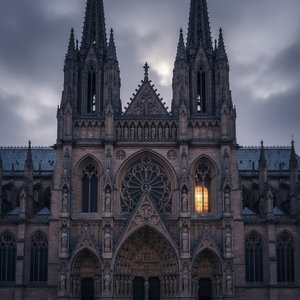
The Shadow of Faith: Exploring Gothic Art's Spiritual Intensity & Architectural Innovation
Explore the spiritual intensity & architectural innovation of Gothic art! Discover the symbolism behind cathedrals, stained glass & master artists like Giotto and Monet. A deep dive into medieval history & artistic expression.