

 Предпросмотр
 Поделиться
 Поделиться
 Детали произведения

 Скачать
 Похожие работы
 Рентгенография
 Слайд-шоу
 Статистика
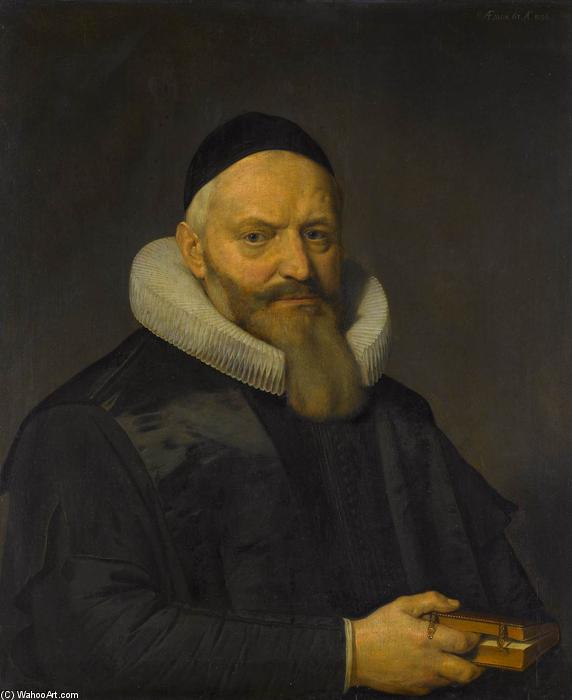
Portrait of Anthony de Wale
 Oil On Panel
- Baroque Period
 1636
1636 71.0 x 60.0 cm
 Рейксмюзеум
 Читать далее
Масляная репродукция ручной работы
Картина маслом на холсте в выбранном вами размере и раме, написанная на заказ нашими художниками. ( Перейти к печати Перейти к цифровым изображениям)




P118B $10

P118H $10

P118W $10

P438Z $10

P508JH $12

P508YH $12

P805H $10

P805Z $10

P919BZ $10

P919G $10

P919XJ $10

P959ZH $10

P968JZ $12

W106C $8

W218G $10

W218JH $8

W218Y $10

W307PJ $10

W316G $10

W316PJ $8

W316Y $10

W398PJ $8

W4111J $10

W500HY $15

W500JH $15

W692G $12

W849H $8

W940BG $15

W953PJ $8




Выберите один из наших стандартных размеров, соответствующих оригинальным пропорциям произведения искусства.

Вы можете указать собственные размеры, чтобы картина идеально вписалась в выбранную раму или пространство. Если выбранный вами размер не соответствует пропорциям оригинала, мы либо обрежем полотно, либо расширим его за счет дополнительных элементов, написанных вручную. Цифровой макет будет отправлен вам на утверждение перед началом производства.
Обратите внимание, что предварительный просмотр на экране не отражает фактическую обрезку или расширение. Только макет точно покажет окончательную композицию.
Хотя доступны индивидуальные размеры, мы рекомендуем выбирать вариант из предопределенного списка, чтобы сохранить исходные пропорции.
После оформления заказа команда ArtsDot.com свяжется с клиентом по электронной почте для уточнения деталей и предоставит предварительный макет
Доставка по всему миру () за 3–4 недели вместо стандартных 5 недель. (12 Сентябрь). Без компромиссов в качестве.

Бесплатная экспресс-доставка по всему миру

Высококачественный льняной холст

Полное страхование доставки

Гарантия возмещения таможенных пошлин

Гарантия точного соответствия цветов

100-дневная политика возврата (только при обнаружении дефектов)

Гарантия возврата 100% средств

Предложение оптовых скидок
 Вариант со стеклом доступен только для размеров менее 110 см

Portrait of Anthony de Wale
Техника репродукции
Размер репродукции
-


Итоговая стоимость
$ 263
A Window into 17th Century Dutch Society: The Portrait of Anthony de Wale
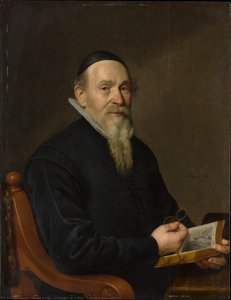
David Bailly’s “Portrait of Anthony de Wale,” painted in 1636, is more than just a likeness; it's a meticulously crafted window into the world of 17th-century Holland. Housed within the esteemed Rijksmuseum in Amsterdam, this oil painting on panel offers a profound glimpse into the life and aspirations of a prominent figure – Anthony de Wale, a theologian at Leiden University. Bailly’s skill isn’t merely technical; it's evident in his ability to imbue the subject with an aura of quiet contemplation, inviting the viewer into a private moment of reflection.
(Image: Portrait of Anthony de Wale by David Bailly)
The Baroque Embrace: Light, Shadow, and Symbolism
Bailly’s masterful command of the Baroque technique is immediately apparent. The painting utilizes a dramatic chiaroscuro – a stark contrast between light and shadow – to create a palpable sense of depth and three-dimensionality. This isn't simply about depicting form; it’s about evoking emotion. Notice how the soft illumination focuses on de Wale’s face, highlighting his serious expression and drawing our attention to his gaze, directed squarely at the viewer. This direct engagement fosters a feeling of intimacy, as if he is sharing a private thought.
Beyond the technical brilliance, the painting is rich in symbolism. De Wale's holding of a small book or manuscript – a clear reference to scholarly pursuits – speaks volumes about his status and intellectual standing within society. The choice of black robe with a white collar further emphasizes his position of authority and respectability. The inclusion of elements like the subtle suggestion of a skull (often found in vanitas paintings, though not overtly present here) hints at the fleeting nature of earthly existence – a common theme explored by Bailly during this period.
David Bailly: A Master of Detail and Dutch Golden Age Portraiture
David Bailly was a pivotal figure in the Dutch Golden Age art scene. Born in Leiden in 1584, his artistic journey began under the tutelage of his father, a calligrapher and fencing master, and later with skilled craftsmen like Jacques de Gheyn II and Cornelius van der Voort. His travels to Italy during the winter of 1608 – a ‘Grand Tour’ that exposed him to the innovations of the Roman artistic tradition – profoundly shaped his style. Bailly's portraits are characterized by their remarkable detail, capturing not just physical appearance but also personality and social standing. He was particularly renowned for his vanitas paintings, exploring themes of mortality and the transience of life with a poignant sensitivity.
Bringing Bailly’s Vision Home: High-Quality Reproductions
ArtsDot offers exquisite, hand-painted reproductions of “Portrait of Anthony de Wale,” allowing you to experience the artistry and historical significance of this masterpiece in your own home. Each reproduction meticulously recreates Bailly's use of light, shadow, and symbolic detail, ensuring an authentic representation of the original painting. To explore more about David Bailly’s life and work, we encourage you to visit Wikipedia (https://en.wikipedia.org/wiki/David_Bailly) or delve deeper into the Rijksmuseum's collection at /art/list/?Filter=A@D3BLAV-The-Rijksmuseum-Amsterdam-Netherlands. And for a closer look, you can view the painting on Google Arts & Culture: https://artsandculture.google.com/asset/portrait-of-anthony-de-wale-1573-1639-bailly-david/igFvXK0N0j51rw?hl=en.
Похожие произведения

Биография художника
David Bailly: A Life in Dutch Golden Age Art
Early Life and Training (1584-1608)
- Birth and Family: David Bailly was born in Leiden, Netherlands, in 1584. His father, Peter Bailly, was a Flemish immigrant who worked as a calligrapher and fencing master.
- Early Artistic Education: He initially received drawing instruction from his father and the copper engraver Jacques de Gheyn. This foundational training instilled in him a strong draftsmanship.
- Apprenticeships: Bailly further honed his skills through apprenticeships with Adriaan Verburg, a surgeon-painter in Leiden, and Cornelius van der Voort, a portrait painter in Amsterdam. These experiences exposed him to different artistic techniques and subject matter.
The Grand Tour and Early Career (1608-1613)
- Continental Travels: In the winter of 1608, Bailly embarked on a ‘Grand Tour,’ traveling through Frankfurt, Nuremberg, Augsburg, Hamburg, Tyrol, and Venice before reaching Rome. This journey was crucial for his artistic development.
- Italian Influence: He spent five months in Venice working as a journeyman, absorbing the influences of Italian Renaissance and Venetian art. His return voyage included commissions from German princes, including the Duke of Brunswick.
Artistic Development and Style (1613-1657)
- Diverse Subject Matter: Upon returning to the Netherlands in 1613, Bailly began painting a variety of subjects, including still lifes and portraits. He became known for his self-portraits and depictions of students and professors at the University of Leiden.
- Vanitas Paintings: A significant portion of his oeuvre consists of *vanitas* paintings – symbolic works that reflect on the transience of life, often featuring flowers, candles, and other ephemeral objects. These paintings demonstrate a philosophical depth alongside artistic skill.
- Portraiture Style: His portrait style is characterized by realism and attention to detail, capturing the likenesses and personalities of his sitters with sensitivity.
Major Achievements and Guild Membership
- Guild Leadership: In 1648, Bailly was elected headman of the Leiden Guild of St. Luke, a testament to his standing within the artistic community.
- Teaching Legacy: He served as a teacher and mentor to his nephews, Harmen and Pieter Steenwijck, passing on his knowledge and skills to the next generation.
Influences and Historical Significance
- Artistic Influences: Bailly was influenced by the Italian masters he encountered during his Grand Tour, as well as by Dutch predecessors in portraiture and still life painting.
- Impact on Dutch Art: He contributed to the flourishing of art during the Dutch Golden Age, particularly through his insightful *vanitas* paintings that reflected the era’s preoccupation with mortality and spirituality.
- Legacy: While not as widely recognized today as some of his contemporaries, David Bailly remains an important figure in the history of Dutch art, representing a blend of technical skill, intellectual depth, and artistic innovation.
David Bailly
1584 - 1657 , Netherlands
Основные сведения
- Birth Date: 1584
- Birth Place: Leiden, Netherlands
- Death Date: 1657
- Influenced:
- Harmen Steenwijck
- Pieter Steenwijck
- Influenced By:
- Adriaan Verburg
- Cornelius van der Voort
- Jacques de Gheyn
- Movement: Dutch Golden Age painting
- Name: David Bailly
- Nationality: Dutch
- Notable Works:
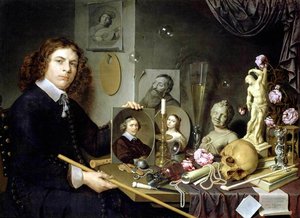
- Self-Portrait with Vanitas Symbols
- Portrait of Anthony de Wale
Похожие статьи

Топ-10 шедевров голландского барокко: искусство для вашего интерьера от ArtsDot.com
Погрузитесь в мир голландского барокко! От Рембрандта до Вермеера – 10 шедевров, изменивших искусство. Узнайте истории создания и технику великих мастеров. Репродукции картин высочайшего качества для вашего интерьера на ArtsDot.com.
Pieter de Hooch: Illuminating Dutch Domestic Life & Golden Age Charm
Explore the captivating world of Pieter de Hooch, a master of Dutch Golden Age painting. Discover his innovative use of light, intimate domestic scenes, and lasting influence on art history. Learn more at ArtsDot.

О нас
Откройте для себя нашу историю! Мы привносим искусство мирового класса в вашу жизнь благодаря экспертному отбору, индивидуальным заказам и бесплатным обзорам. Одобрено частными лицами и компаниями с 2000 года.

Golden Age Reflections: Dutch Baroque Painting & Cultural Innovation
Explore the Dutch Golden Age of painting! Discover key artists like Vermeer & ter Borch, their innovative techniques, and the rich cultural context behind these Baroque masterpieces. Learn about collecting & appreciating this iconic art period.

Топ-25 шедевров Гойи: от придворного портрета до мрачных пророчеств | ArtsDot
Погрузитесь в мир гения Франсиско Гойи! 🎨 От придворных портретов до мрачных "Капричос" – исследуйте топ-25 шедевров испанского романтизма. Купите репродукции картин Гойи музейного качества на ArtsDot.com и украсьте свой интерьер искусством.