

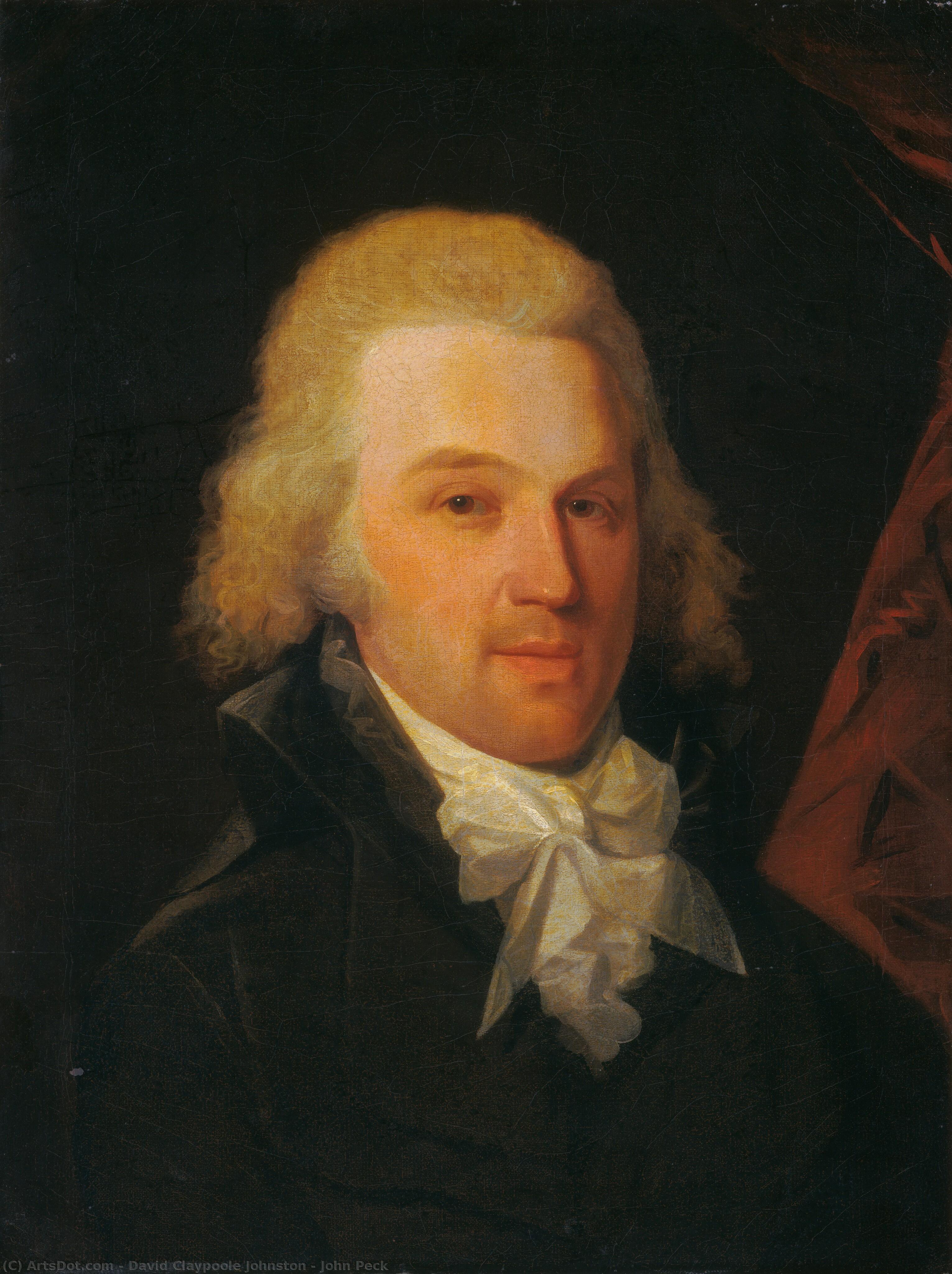
 Предпросмотр
 Поделиться
 Поделиться
 Детали произведения

 Скачать
 Похожие работы
 Рентгенография
 Слайд-шоу
 Статистика
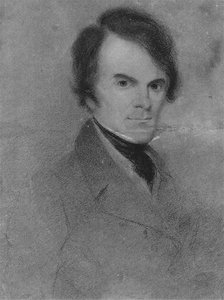
John Peck
 1795
1795 82.0 x 66.0 cm
 Читать далее
Масляная репродукция ручной работы
Картина маслом на холсте в выбранном вами размере и раме, написанная на заказ нашими художниками. ( Перейти к печати Перейти к цифровым изображениям)




































Выберите один из наших стандартных размеров, соответствующих оригинальным пропорциям произведения искусства.

Вы можете указать собственные размеры, чтобы картина идеально вписалась в выбранную раму или пространство. Если выбранный вами размер не соответствует пропорциям оригинала, мы либо обрежем полотно, либо расширим его за счет дополнительных элементов, написанных вручную. Цифровой макет будет отправлен вам на утверждение перед началом производства.
Обратите внимание, что предварительный просмотр на экране не отражает фактическую обрезку или расширение. Только макет точно покажет окончательную композицию.
Хотя доступны индивидуальные размеры, мы рекомендуем выбирать вариант из предопределенного списка, чтобы сохранить исходные пропорции.
После оформления заказа команда ArtsDot.com свяжется с клиентом по электронной почте для уточнения деталей и предоставит предварительный макет
Доставка по всему миру () за 3–4 недели вместо стандартных 5 недель. (12 Сентябрь). Без компромиссов в качестве.

Бесплатная экспресс-доставка по всему миру

Высококачественный льняной холст

Полное страхование доставки

Гарантия возмещения таможенных пошлин

Гарантия точного соответствия цветов

100-дневная политика возврата (только при обнаружении дефектов)

Гарантия возврата 100% средств

Предложение оптовых скидок
 Вариант со стеклом доступен только для размеров менее 110 см

John Peck
Техника репродукции
Размер репродукции
-


Итоговая стоимость
$ 263
Похожие произведения







Биография художника
The Architect of American Graphic Expression
David Claypoole Johnston was far more than a mere practitioner of the arts; he was a transformative force in the nineteenth-century American visual landscape. Often celebrated as the pioneer of American graphic art, Johnston possessed a rare, polymathic talent that allowed him to navigate the delicate boundaries between the theatrical stage and the engraver's workshop. His life was a tapestry woven from diverse threads—the drama of the theater, the precision of metal plate engraving, and the fluid storytelling of lithography. To look upon his work is to witness the birth of a uniquely American visual language, one that sought to capture both the biting wit of social satire and the sublime majesty of the natural world.He stands as a monumental figure whose mastery across diverse techniques profoundly shaped the visual culture of his era. By bridging the gap between fine art and mass-produced print, he helped establish a foundation for American identity through imagery that was both accessible and technically sophisticated.
A Life Shaped by Performance and Precision
Born in Boston, Johnston’s early years were marked by an intimate exposure to the world of theatrical artistry, stemming from his mother's profession as an actress. This connection instilled in him a lifelong appreciation for performance and visual storytelling, elements that would later breathe life into his caricatures. His formal artistic journey began in 1815 through an apprenticeship with the Philadelphia engraver Francis Kearney, a period that provided the crucial foundational skills necessary to master the intricacies of printmaking. Yet, the allure of the stage was equally potent; Johnston famously transitioned into a theatrical career, appearing at the Walnut Street Theatre and performing for five seasons across Philadelphia and Boston.This duality of experience—the disciplined precision of the engraver and the expressive freedom of the actor—became the hallmark of his creative output. His ability to observe human gesture and character from the stage allowed him to produce controversial caricatures that challenged societal norms, using the etched line to mirror the dramatic tension of a live performance.
The Master of Multiple Disciplines
What truly distinguished Johnston from his contemporaries was his unprecedented technical versatility. He holds a singular place in history as arguably the first native-trained American to achieve true mastery across the entire spectrum of graphic processes, including lithography, etching, metal plate engraving, and wood engraving. This remarkable feat of technical breadth earned him the evocative title of “the American Cruikshank,” acknowledging his stylistic kinship with the celebrated British satirist George Cruikshank. Through his dedicated study under prominent lithographers like William Sharp Fry, he pushed the boundaries of what was possible in the medium, bringing a new level of texture and nuance to American prints.His contributions were not limited to technical innovation but extended to significant publication achievements. Between 1829 and 1849, he published his annual comic Scraps, a series of humorous sketches that showcased his ability to blend fine artistry with popular social commentary. His work served as a vital link in the evolution of American graphic humor, proving that the printed image could be both a sophisticated art form and a powerful tool for cultural reflection.
The Evolution Toward the Sublime
As his career matured, Johnston’s artistic focus underwent a profound metamorphosis, moving away from the sharp, satirical edges of his earlier printmaking toward the evocative beauty of the landscape. While he had built a formidable reputation as a political cartoonist and book illustrator, his later years saw him increasingly engaged with the medium of watercolor and gouache. In these works, such as the breathtaking At the Waterfall, the biting wit of the caricaturist is replaced by a reverence for nature’s power. These landscapes, characterized by massive rock forms and dramatic compositions, suggest an engagement with the vocabulary of the Sublime, echoing the monumental spirit of the Hudson River School.Ultimately, the legacy of David Claypoole Johnston is one of incredible breadth and enduring influence. From the satirical bite of his early engravings to the atmospheric depth of his later landscapes, he remained a constant explorer of form and feeling. He remains a cornerstone of nineteenth-century innovation, a true pioneer who captured the evolving spirit of a young nation through every medium he mastered.
David Claypoole Johnston
1799 - 1865 , United States of America
Основные сведения
- Artistic Movement Or Style: Lithography, Etching & Engraving
- Artists Or Movements Influenced By This Artist: ['Victorian Era']
- Artists Who Influenced This Artist: ['George Cruikshank']
- Date Of Birth: March 1799
- Full Name: David Claypoole Johnston
- Nationality: American
- Notable Artworks:
- Statue of Liberty in New York bay
- John Peck
- Place Of Birth: Philadelphia, United States