 Предпросмотр
 Поделиться
 Поделиться
 Детали произведения

 Скачать
 Похожие работы
 Рентгенография
 Слайд-шоу
 Статистика
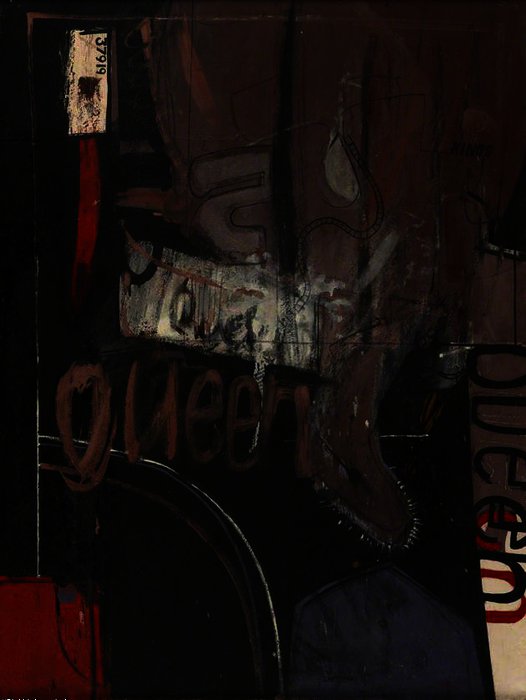
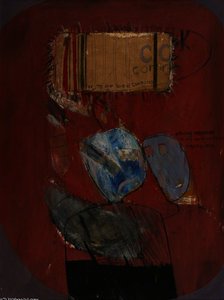
Going to be a Queen for Tonight


 Читать далее
Жикле / Арт-принт
Печать (жикле) или холст музейного качества с быстрыми сроками изготовления и широким выбором вариантов отделки. ( Купить картину ручной работы Перейти к цифровым изображениям)




P118B $10

P118H $10

P118W $10

P438Z $10

P508JH $12

P508YH $12

P805H $10

P805Z $10

P919BZ $10

P919G $10

P919XJ $10

P959ZH $10

P968JZ $12

W106C $8

W218G $10

W218JH $8

W218Y $10

W307PJ $10

W316G $10

W316PJ $8

W316Y $10

W398PJ $8

W4111J $10

W500HY $15

W500JH $15

W692G $12

W849H $8

W940BG $15

W953PJ $8




Выберите один из наших стандартных размеров, соответствующих оригинальным пропорциям произведения искусства.

Вы можете указать свои собственные размеры, чтобы репродукция идеально подошла под конкретную раму или пространство. Если выбранный вами размер не будет соответствовать пропорциям оригинала, мы либо обрежем произведение, либо дополним изображение зеркальным отражением краев или однотонной заливкой. Перед началом производства вам будет отправлен цифровой макет для утверждения.
Пожалуйста, обратите внимание, что предварительный просмотр на экране не отображает фактическую обрезку или расширение изображения. Только макет точно покажет финальную композицию.
Несмотря на возможность заказа индивидуальных размеров, мы рекомендуем выбирать размер из предопределенного списка, чтобы сохранить оригинальные пропорции.
Доставка по всему миру () за 2 недели вместо стандартных 4/5 недель. (11 Сентябрь)

Бесплатная экспресс-доставка по всему миру

Высококачественный льняной холст

Полное страхование доставки

Гарантия возмещения таможенных пошлин

Гарантия точного соответствия цветов

100-дневная политика возврата (только при обнаружении дефектов)

Гарантия возврата 100% средств

Предложение оптовых скидок
 Вариант со стеклом доступен только для размеров менее 110 см

Going to be a Queen for Tonight
Жикле / Арт-принт
Размер репродукции
-


Итоговая стоимость
$ 62
David Hockney’s ‘Queen’, A Fragmented Portrait of Power
David Hockney's “Queen,” painted in 1961, is more than just a portrait; it’s a carefully constructed meditation on identity, authority, and the very nature of representation. Executed in stark monochrome – a deliberate choice that amplifies the work’s graphic intensity – the piece immediately confronts the viewer with a fragmented image of a woman whose face is dominated by the bold declaration of “Queen.” This isn't a conventional depiction of royalty; instead, Hockney presents a figure fractured and layered, hinting at vulnerability beneath an imposed title. The painting’s power resides not in its realism but in its evocative exploration of symbolic weight.
Style and Technique: Pop Art’s Expressive Edge
“Queen” firmly establishes Hockney's place within the burgeoning British Pop Art movement, though with a distinctly personal twist. The work showcases his mastery of etching and aquatint on paper, utilizing a technique that allows for incredible tonal variation and textural depth – despite the limited color palette. Notice the deliberate roughness of the surface, achieved through multiple layers of ink and paint. This isn’t about smooth perfection; it's about capturing an immediate, almost visceral impression. The gestural lines defining the face are bold and expressive, reminiscent of Francis Bacon’s distorted figures but imbued with Hockney’s own playful sensibility. The overlapping rectangular forms add to the sense of dynamism and deconstruction, further emphasizing the fragmented nature of the subject.
Symbolism: Deconstructing the Monarchy
The central motif – the word “Queen” – is laden with symbolic meaning. It immediately evokes notions of power, control, and societal expectation. However, Hockney subverts this traditional association by presenting the word not as a solid declaration but as an overlaid element, partially obscuring the woman’s face. This suggests a questioning of authority, perhaps even a critique of the performative nature of identity itself. The fragmented composition reinforces this idea – the subject is broken down, reassembled, and ultimately presented as something incomplete. The painting's ambiguity invites viewers to contemplate the complexities of power dynamics and the illusionary nature of appearances.
Historical Context: A Moment of Change
Created in 1961, “Queen” emerged during a period of significant social and cultural upheaval. Britain was grappling with the aftermath of World War II, experiencing rapid urbanization, and witnessing the rise of youth culture. Hockney’s work reflects this atmosphere of change, challenging traditional artistic conventions and exploring new ways of representing the human figure. The painting's bold style and fragmented composition align with the broader trends of Pop Art, which sought to engage with popular imagery and challenge notions of high art. The piece is a key example of Hockney’s early experimentation and his willingness to push boundaries, solidifying his position as one of Britain’s most innovative artists.
Emotional Impact: A Portrait of Uncertainty
Despite its graphic style, “Queen” possesses a profound emotional resonance. The painting evokes a sense of unease and uncertainty, mirroring the fragmented nature of the subject itself. The stark monochrome palette contributes to this feeling, creating a dramatic and unsettling effect. It’s a portrait that doesn't offer easy answers; instead, it invites viewers to confront questions about identity, power, and the human condition. The work’s enduring appeal lies in its ability to capture a moment of vulnerability and ambiguity – a reminder that even those who hold positions of authority are ultimately subject to the forces of change and uncertainty.
Похожие произведения
Биография художника
David Hockney: A Life Painted in Light
David Hockney, born July 9, 1937, in Bradford, England, is more than simply a painter; he’s a visual polymath whose career has spanned painting, drawing, printmaking, stage design, and photography. His story begins amidst the grit and determination of Bradford, a landscape that instilled within him a keen observational eye, even as his father, Kenneth Hockney, fostered a spirit of independent thought through conscientious objection during World War II. This early environment shaped a young artist who would consistently challenge conventions and forge his own path. Formal education at Wellington Primary School and Bradford Grammar School laid the foundation for a career that would redefine British art in the 20th and 21st centuries, culminating in studies at Bradford College of Art and later, the prestigious Royal College of Art in London. It was during these formative years that Hockney began to articulate a unique artistic voice, one that blended Pop sensibilities with a distinctly British perspective.The Rise of a Pop Icon and Beyond
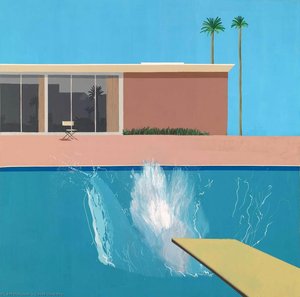
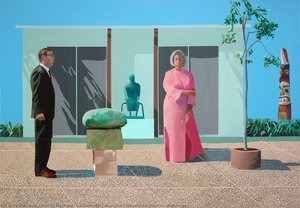
The 1960s witnessed Hockney’s ascent as a pivotal figure within the burgeoning Pop Art movement. However, unlike some contemporaries who wholeheartedly embraced American commercial culture, Hockney brought a uniquely British sensibility to the genre. His work exploded with vibrant color and bold lines, depicting scenes that were both familiar and subtly subversive. A Bigger Splash (1966), perhaps his most iconic early piece, encapsulates this perfectly – a seemingly simple depiction of a swimming pool becomes a meditation on Californian leisure, artifice, and the very act of seeing. This wasn’t merely representation; it was an exploration of how we perceive reality. Critics noted Hockney's masterful use of color theory and compositional techniques—elements that would become hallmarks of his distinctive style. His double portraits, like American Collectors (Fred and Marcia Weisman), demonstrate his remarkable ability to capture not just likeness but also the essence of personality and relationship. The influence of artists such as Francis Bacon – particularly Bacon’s expressive brushstrokes and psychological depth – can be discerned in Hockney's early works, signaling a shared preoccupation with capturing human emotion.Experimentation, Innovation, and the Rescue of Painting
Hockney’s artistic curiosity has never been confined to a single medium. Throughout his career, he’s relentlessly experimented with new technologies and approaches. From his early embrace of lithography and etching to his later explorations of photography – particularly his use of Polaroid composites in the 1980s – Hockney consistently pushed the boundaries of what art could be. He famously declared painting wasn’t dead but needed “rescuing” from its own conventions, leading him to develop innovative techniques like perspective distortions and fragmented viewpoints. This desire to revitalize painting led to ambitious projects such as Pearblossom Hwy., 11–18th April 1986, a complex photomontage that challenged traditional notions of space and representation. Hockney’s meticulous attention to detail—evident in his landscapes and portraits alike—contrasted sharply with the stylistic trends of his time, establishing him as an uncompromising champion of artistic integrity.Recognition, Legacy, and Enduring Influence
David Hockney’s contributions to the art world have been widely recognized throughout his illustrious career. He was appointed Order of the Companion of Honour (CH) in 2018, a testament to his profound impact on British culture. Prior to that, he was elected a Fellow of the Royal Society (FRS) in 2003 and received the Laureate of the Praemium Imperiale for Painting in 2000. His works are held in major museum collections worldwide, and can be readily accessed through online platforms, ensuring his art continues to inspire new generations. Hockney’s influence extends beyond the visual arts; he has become a cultural icon, celebrated for his wit, intelligence, and unwavering commitment to artistic exploration. He remains an active force in the art world, continually challenging expectations and inspiring artists across disciplines. His legacy is secured not only by his stunning canvases but also by his pioneering spirit—a refusal to accept artistic limitations and a steadfast belief in the transformative power of visual expression.Further Explorations
- Place Furstenberg, Paris: A captivating example of Hockney’s interior scenes, showcasing his mastery of color and composition.
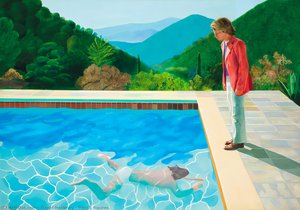
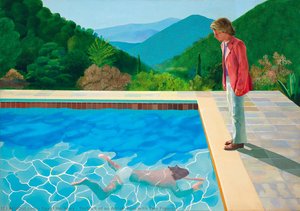
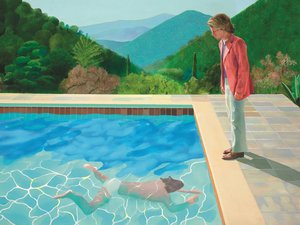
- Portrait of an Artist (Pool with Two Figures): This monumental painting—a landmark achievement in British art—demonstrates Hockney's unparalleled ability to convey emotion through formal innovation.
- We Two Boys Together Clinging: A poignant depiction of homosexual intimacy, reflecting Hockney’s courageous exploration of personal themes and challenging societal prejudices.
- Discover more about fellow British Pop artist Pauline Boty—a kindred spirit who shared Hockney's commitment to artistic experimentation.
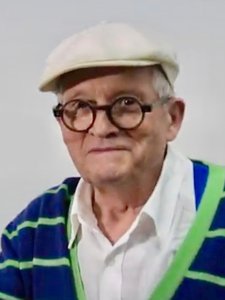
Дэвид Хокней
1937 - , Великобритания
Основные сведения
- Artistic Movement Or Style: Поп-арт
- Artists Or Movements Influenced By This Artist: ['Импрессионизм']
- Artists Who Influenced This Artist:
- Фрэнк Лисли
- Паулина Боты
- Date Of Birth: 9 июля 1937 г.
- Full Name: David Hockney
- Nationality: британский
- Notable Artworks:
- Бассейн. Две фигуры
- Большой разброс
- Портрет художника
- Place Of Birth: Брэдфорд, Великобритания
Похожие статьи

Белые шедевры: 10 знаменитых картин, покоривших мир (репродукции, декор)
Откройте для себя 10 знаменитых картин, где белый цвет – главный герой! Моне, Дега и другие мастера. История искусства, техники живописи и вдохновение для вашего интерьера. Репродукции высокого качества на ArtsDot.com
Монохромная элегия: Превратите личные воспоминания в вечные произведения искусства.
Превратите ваши личные фотографии в элегантные монохромные произведения искусства! ArtsDot – эксперты в создании репродукций и портретов на заказ. Доверьтесь мастерству наших художников и создайте вечное наследие для вашего дома.

Monochrome Visions: Exploring the Aesthetic & Historical Significance of Black & White Photography
Explore the rich history & artistic power of black and white photography. From early techniques to iconic masters like Ansel Adams, discover why monochrome continues to captivate art lovers today. Expert insights for collectors.
David Hockney: A Retrospective on Pop Art's Chronicler of Light, Space, and the Everyday
Explore the life & work of David Hockney, Pop Art's master chronicler. Discover his iconic paintings, Californian landscapes, and lasting influence on modern art. Expert analysis for collectors.

Топ-10 знаменитых картин в черных тонах: шедевры искусства для вашего интерьера
Погрузитесь в мир темных шедевров! Топ-10 знаменитых картин в черных тонах от Гойи, Рембрандта и Мунка. История искусства, техники живописи и вдохновение для вашего интерьера. Купите репродукции высокого качества на ArtsDot.com