

 Предпросмотр
 Поделиться
 Поделиться
 Детали произведения

 Скачать
 Похожие работы
 Рентгенография
 Слайд-шоу
 Статистика
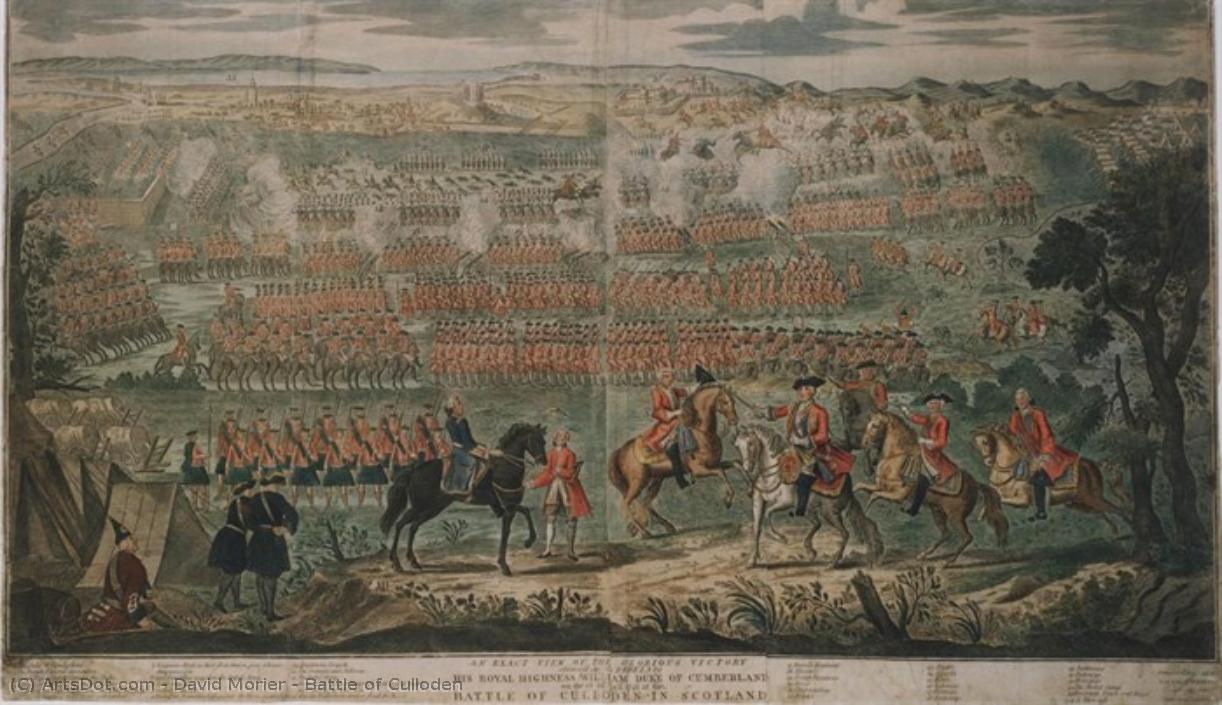
Battle of Culloden


 Читать далее
Приобретите цифровое изображение высокого разрешения в улучшенном качестве, которое значительно превосходит онлайн-превью.
Каждый файл тщательно подготавливается нашими специалистами с использованием передовых инструментов и экспертной ручной ретуши. Мы гарантируем исключительную четкость, точную цветопередачу и детальную проработку каждого изображения.
Финальный файл доставляется по электронной почте в течение 72 часов и оптимизирован для немедленного использования в профессиональной среде, при верстке и печати. Это тот же уровень качества, которому доверяют ведущие дизайнерские студии, издательства и галереи.
Цифровое изображение
Скачайте файл высокого разрешения для личного использования, печати и творческих проектов. ( Перейти к печати Купить картину ручной работы)
Включено в каждый заказ цифровых изображений
Гарантия экспертной цифровой доставки
Выбирая ArtsDot.com, вы получаете не просто изображение — вы приобретаете профессионально обработанное цифровое произведение искусства, созданное с безупречной точностью и под защитой гарантии качества. Вот всё, что автоматически входит в ваш заказ:

Мгновенная доставка по e-mail
Ваш цифровой файл в высоком разрешении будет отправлен вам по электронной почте в течение 72 часов после оформления заказа — и сразу станет доступен для использования.

Цифровой файл с ИИ-улучшением
Ваше произведение искусства проходит профессиональную оптимизацию с использованием передовых инструментов ИИ и ручной обработки, что гарантирует максимальную детализацию, четкость и точность цветопередачи.

Бессрочная бесплатная повторная доставка
Случайно удалили или потеряли файл? Не беспокойтесь — мы отправим его вам повторно в любое время и совершенно бесплатно.

Без импортных пошлин — навсегда
Наслаждайтесь вашим произведением искусства мгновенно без таможенных пошлин, сборов или затрат на доставку — цифровые загрузки всегда не облагаются налогом.

Гарантия точности цветопередачи
Мы гарантируем, что ваше цифровое изображение максимально точно передает оригинальные цвета благодаря использованию профессиональных инструментов и систем управления цветом.

Гарантия удовлетворенности 100 дней
Если вы не будете удовлетворены своим цифровым изображением, мы внесем правки или вернем 100% стоимости в течение 100 дней — без лишних вопросов.

100% Гарантия возврата средств
Не удовлетворены покупкой? Получите полный возврат средств в течение 100 дней после получения цифрового файла — без лишних вопросов.

Скидки на оптовые заказы
Купите 3 изображения, сэкономьте 10% — Купите 5, сэкономьте 15% — Купите 10+, сэкономьте 20%. Отличное решение для творческих проектов, галерей и агентств.
Похожие произведения
Биография художника
A Legacy of Valor: The Life and Art of David Morier
In the grand tapestry of eighteenth-century British art, few threads are as intricately woven with military precision and aristocratic splendor as those left by David Morier. An Anglo-Swiss master whose presence in England helped define the visual language of an era, Morier navigated a world of shifting political tides, from the echoes of the War of Austrian Succession to the profound upheaval of the Jacobite Rebellion. Though his early years remain partially veiled in the mists of history—with records suggesting a birth in Bern, Switzerland, around 1705—his arrival in England near 1743 marked the beginning of a transformative period for British equestrian and military portraiture.
Morier’s ascent within the competitive London art scene was not merely a matter of talent, but of profound professional acumen. He possessed a rare ability to secure the patronage of the highest echelons of society, most notably Duke Frederick Augustus II Cumberland. This relationship served as the cornerstone of his career, providing him with more than just financial stability; it granted him unprecedented access to the very heart of military life. Through this connection, Morier was able to observe the rhythms of the camp, the discipline of the regiment, and the raw intensity of the battlefield, translating these lived experiences into works that resonated with both accuracy and grandeur.
The Art of the Equestrian and the Military Landscape
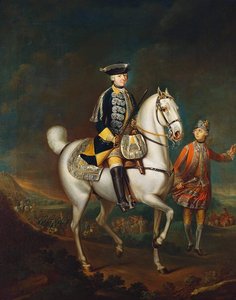
What distinguishes Morier from his contemporaries is his unparalleled ability to marry the anatomical rigor of equestrian portraiture with the dramatic narrative of military history. He did not merely paint horses and men; he captured the spirit of command. His works often centered on the idealized vision of leadership, where the powerful musculature of a mount and the resolute posture of a commander served as symbols of martial virtue and stability. This mastery is perhaps most evident in his depictions of the Duke of Cumberland, where the artist utilized the scarlet military state coat and the commanding presence of the cavalry to convey an image of unshakeable authority.
Beyond the singular portrait, Morier’s oeuvre extends into the realm of historical documentation. His engravings and paintings serve as vital windows into the chaos and consequence of 18th-century conflicts. One might consider his contributions through the following thematic lenses:
- The Drama of Conflict: Works such as his depiction of the Battle of Culloden (1746) utilize a sense of movement and atmospheric tension to convey the harrowing reality of the Jacobite defeat.
- Regimental Identity: His meticulous attention to detail allowed him to document specific military figures, such as Sir Armine Wodehouse and Major General Sir Charles Howard, preserving the lineage and pride of various regiments for posterity.
- Anatomical Excellence: A profound understanding of equine anatomy, which allowed him to celebrate legendary animals like the Godolphin Arabian alongside their human counterparts.
Historical Significance and Enduring Impression
The significance of David Morier lies in his role as a visual chronicler of a pivotal moment in British history. At a time when the nation was defining its imperial identity and navigating internal rebellions, Morier provided the imagery that helped solidify the mythos of the British military. His paintings were not merely decorative; they were instruments of prestige, designed to commemorate triumphs and immortalize the figures who shaped the destiny of the realm.
As we look back upon his career, we see an artist who successfully bridged the gap between the observational precision of a documentary artist and the emotive power of a classical painter. Though he passed away in London around 1770, leaving behind a legacy that continues to fascinate historians and art enthusiasts alike, Morier’s ability to capture the intersection of human ambition and animal grace ensures his place in the pantheon of great historical painters. His work remains an essential study in how art can serve as both a mirror to the turbulence of war and a monument to the enduring ideals of heroism.
David Morier
1705 - 1770 , Switzerland
Основные сведения
- Artistic Movement Or Style: 18th Century Painting
- Date Of Birth: Bern, Switzerland (1705)
- Date Of Death: c. 8 January 1770
- Full Name: David Morier
- Nationality: Swiss
- Notable Artworks:
- An incident in the rebellion of 1745 (The Battle of Culloden)
- George II (after David Morier)
- Frederick Louis, Prince of Wales (after David Morier)
- Place Of Birth: Bern