

 Предпросмотр
 Поделиться
 Поделиться
 Детали произведения

 Скачать
 Похожие работы
 Рентгенография
 Слайд-шоу
 Статистика
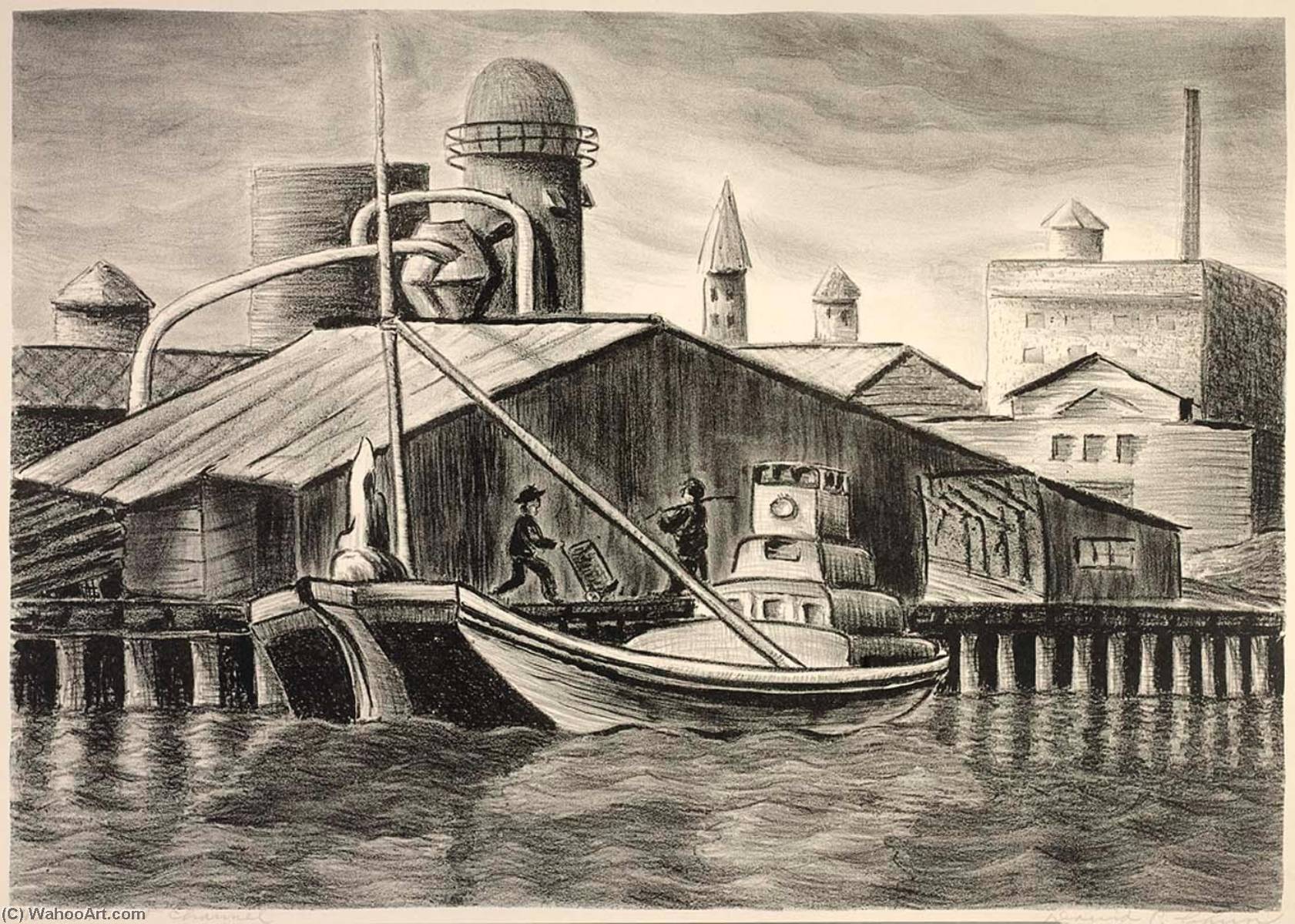
Third Street Channel
 1943
1943 25.0 x 36.0 cm
 Читать далее
Масляная репродукция ручной работы
Картина маслом на холсте в выбранном вами размере и раме, написанная на заказ нашими художниками. ( Перейти к печати Перейти к цифровым изображениям)




































Выберите один из наших стандартных размеров, соответствующих оригинальным пропорциям произведения искусства.

Вы можете указать собственные размеры, чтобы картина идеально вписалась в выбранную раму или пространство. Если выбранный вами размер не соответствует пропорциям оригинала, мы либо обрежем полотно, либо расширим его за счет дополнительных элементов, написанных вручную. Цифровой макет будет отправлен вам на утверждение перед началом производства.
Обратите внимание, что предварительный просмотр на экране не отражает фактическую обрезку или расширение. Только макет точно покажет окончательную композицию.
Хотя доступны индивидуальные размеры, мы рекомендуем выбирать вариант из предопределенного списка, чтобы сохранить исходные пропорции.
После оформления заказа команда ArtsDot.com свяжется с клиентом по электронной почте для уточнения деталей и предоставит предварительный макет
Доставка по всему миру () за 3–4 недели вместо стандартных 5 недель. (12 Сентябрь). Без компромиссов в качестве.

Бесплатная экспресс-доставка по всему миру

Высококачественный льняной холст

Полное страхование доставки

Гарантия возмещения таможенных пошлин

Гарантия точного соответствия цветов

100-дневная политика возврата (только при обнаружении дефектов)

Гарантия возврата 100% средств

Предложение оптовых скидок
 Вариант со стеклом доступен только для размеров менее 110 см

Third Street Channel
Техника репродукции
Размер репродукции
-


Итоговая стоимость
$ 263
A Glimpse into the Artist's Style
David P Chun's artwork is characterized by its simplicity and attention to detail. In "Third Street Channel", the artist masterfully captures the essence of a bustling harbor scene, complete with docked boats, people, and a truck parked on the left side of the image. The overall atmosphere of the painting suggests a sense of activity and energy. Key Features of the painting include:- The use of bold lines and geometric shapes to create a sense of depth and dimensionality
- The incorporation of everyday objects, such as boats and trucks, to add a touch of realism to the scene
- The artist's ability to convey a sense of movement and energy through the placement of figures and objects
Availability of Reproductions
For art enthusiasts who appreciate the beauty of "Third Street Channel", handmade oil painting reproductions are available for purchase. These high-quality reproductions allow collectors to own a piece of art history while supporting the work of talented artists. Learn More about David P Chun and his artwork on ArtsDot.com or visit the Smithsonian American Art Museum to see the original painting in person.The captivating "Third Street Channel" by David P Chun is a must-see for anyone who appreciates the beauty of black and white art. With its unique blend of simplicity and detail, this painting is sure to leave a lasting impression on all who view it.
Похожие произведения




Биография художника
A Chronicler of Honolulu: The Life and Art of David P. Chun
David P. Chun, also known as David Ramsey, stands as a significant, though often overlooked, figure in 20th-century American Regionalism, specifically within the context of Hawaiian art. Born in Honolulu in 1898, Chun dedicated his life to capturing the evolving spirit of his city and the surrounding Pacific landscape. Unlike many artists who sought training on the mainland or abroad, Chun’s artistic education was deeply rooted in Hawaii itself, fostering a unique perspective that blended traditional techniques with a modern sensibility. His career spanned decades, witnessing – and documenting – Honolulu's transformation from a quiet port town to a bustling urban center. While biographical details remain somewhat sparse, the body of his work speaks volumes about a man intimately connected to his environment and driven by a desire to preserve its beauty and character. He passed away in 1989, leaving behind a legacy of paintings that offer invaluable insights into a pivotal period of Hawaiian history.Early Influences and Artistic Development
Chun’s early artistic development was shaped by the vibrant cultural tapestry of Honolulu at the turn of the century. The city was undergoing rapid change, attracting diverse communities and experiencing a burgeoning interest in both Eastern and Western art forms. While formal training records are limited, it is believed he received instruction from local artists and likely benefited from exposure to visiting painters who often depicted Hawaiian scenes. His initial works demonstrate a clear fascination with light and color, reminiscent of the Impressionist movement, but quickly evolved into a more grounded style focused on depicting the specific architectural details and everyday life of Honolulu. He wasn’t merely painting *what* he saw, but *how* it felt to live in this rapidly changing place. This early period also reveals an interest in watercolor techniques, which would become a hallmark of his mature work. The influence of Japanese art is subtly present in some compositions, reflecting the strong cultural presence within Hawaii and potentially stemming from family connections or local artistic traditions.Honolulu as Muse: Themes and Techniques
The city of Honolulu served as Chun’s primary muse throughout his career. His paintings are not grand historical narratives but intimate portrayals of urban scenes, bustling marketplaces, quiet residential streets, and the dramatic coastline surrounding the island. He possessed a remarkable ability to capture the atmosphere of a place – the humidity hanging in the air, the warmth of the sun on weathered buildings, the energy of a busy street corner. His work is characterized by a meticulous attention to detail, rendering each building, vehicle, and figure with precision and care. Chun’s preferred medium was watercolor, which he masterfully employed to create luminous washes of color and subtle gradations of tone. He often combined watercolor with ink or gouache to achieve greater depth and contrast. His palette typically favored earthy tones – ochres, browns, greens, and blues – reflecting the natural colors of the Hawaiian landscape and urban environment. Recurring themes include depictions of local businesses, street life, harbor scenes, and the iconic Diamond Head crater looming in the background.American Regionalism and Historical Significance
While not formally affiliated with any specific art movement, Chun’s work aligns closely with the principles of American Regionalism, which emerged in the 1930s as a reaction against European abstraction and a celebration of distinctly American subjects. Like artists such as Thomas Hart Benton and Grant Wood, Chun focused on depicting the everyday life and landscapes of his region – in his case, Hawaii. However, his work differs from that of his mainland counterparts in its subject matter and cultural context. Chun’s paintings offer a unique perspective on American life during this period, showcasing a vibrant multicultural community often absent from mainstream Regionalist depictions. His art provides valuable documentation of Honolulu's architectural evolution and social changes throughout the 20th century. As Hawaii transitioned from a territorial possession to a state in 1959, Chun’s paintings captured a sense of both continuity and transformation, preserving a visual record of a pivotal moment in Hawaiian history. Today, his work is increasingly recognized for its artistic merit and historical significance, offering a compelling glimpse into the heart and soul of Honolulu.Legacy and Continued Appreciation
Despite not achieving widespread fame during his lifetime, David P. Chun’s legacy continues to grow as scholars and art enthusiasts rediscover his captivating paintings. His work is held in numerous private collections and museums throughout Hawaii and beyond.- His paintings are prized for their meticulous detail, evocative atmosphere, and unique perspective on Hawaiian life.
- Chun’s dedication to capturing the evolving spirit of Honolulu has made him a beloved figure among local art collectors and historians.
- The increasing interest in American Regionalism and multicultural art is further fueling appreciation for his contributions.
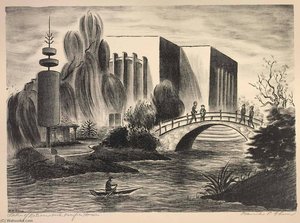
david p chun
1898 - 1989
Основные сведения
- Artistic Movement Or Style: Regionalism
- Artists Or Movements Influenced By This Artist: ['Milwaukee Art Museum']
- Artists Who Influenced This Artist:
- Wing Chun
- David Ramsey
- Date Of Death: 1989
- Full Name: David Paul Chun
- Nationality: American
- Notable Artworks:
- Lake of the Nation and Pacific House
- San Francisco Pier
- Place Of Birth: Honolulu, HI