The Genesis of a Visionary
Born into an environment where sculpture and form were part of the family lexicon, Bertha Evelyn Jaques possessed an early, innate connection to the visual world. Her upbringing, shaped by the artistic legacy of her sculptor father, laid the foundation for a life dedicated to the meticulous observation of nature and light. Through her studies at Wellesley College, she began to weave together the threads of Impressionistic ideals with a burgeoning interest in the emerging photographic sciences. This period of her life was not merely about academic pursuit but about cultivating a unique perspective that would eventually bridge the gap between the ephemeral beauty of a wildflower and the permanent, etched line of a print.
The Alchemy of Light and Line
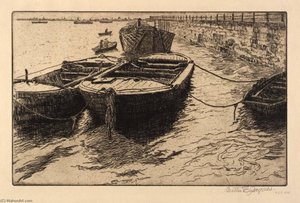
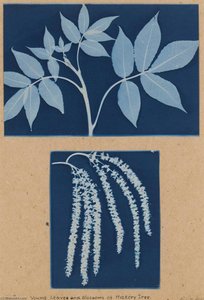
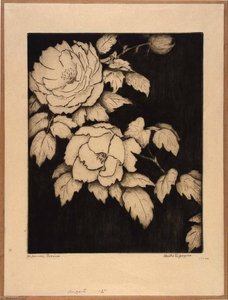
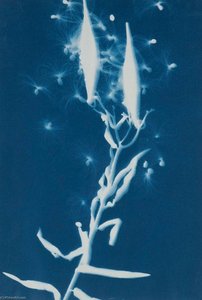
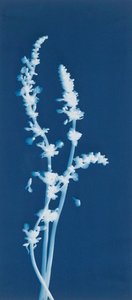
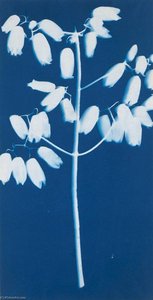
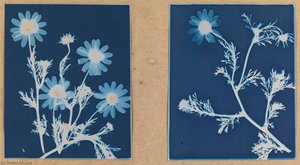
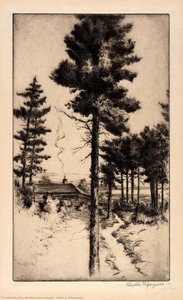
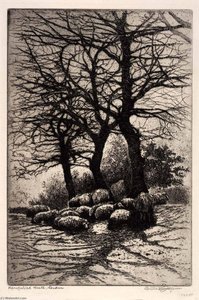
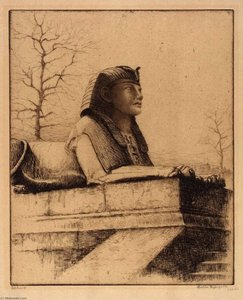
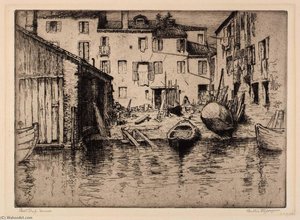
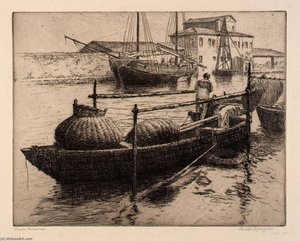
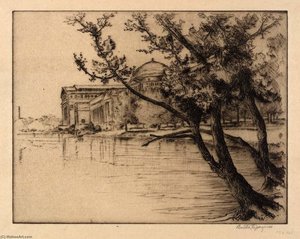
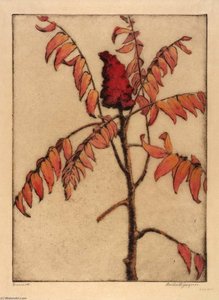
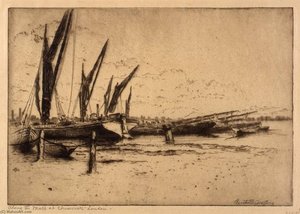
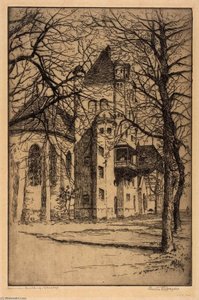
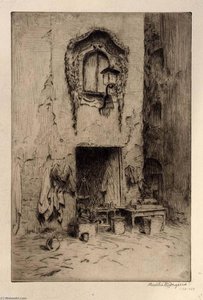
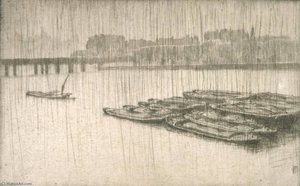
Jaques’s true mastery lay in her ability to manipulate both the chemical and the physical. She became a pioneer of the cyanotype process, an enchanting method that utilized ultraviolet light and ferric salts to conjure deep, monochromatic blue images directly upon paper. This photographic technique allowed her to capture the delicate anatomy of flora with a precision that felt almost scientific, yet remained deeply romantic. When she turned to etching and drypoint, as seen in works like Castor Bean, she brought a similar level of textural depth to her subjects. Her artistry was a dance between the spontaneous capture of light and the deliberate, painstaking incision of metal. Whether depicting the sun-drenched rural life in A Sunny Corner or the atmospheric grandeur of Venetian canals in Venice Fisherman, her work resonated with a sense of Romantic Realism—a style that celebrated both the truth of the subject and the beauty of its idealization.
A Legacy of Artistic Community
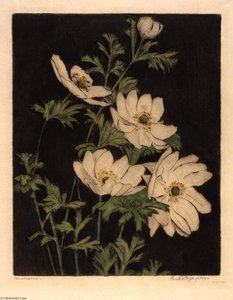
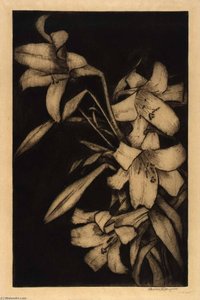
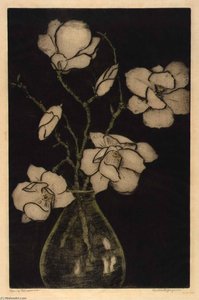
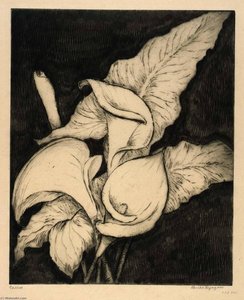
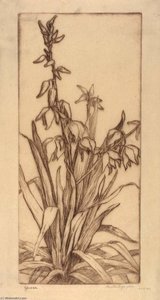
Beyond her individual technical triumphs, Jaques was a formidable force in the American art landscape. In 1893, she played a central role in founding the Chicago Society of Etchers, an achievement that breathed new life into printmaking within the Midwest and established a platform for collaborative experimentation. Her commitment to the arts extended to the preservation of the natural world; as an active member of the Wild Flower Preservation Society, she produced over a thousand botanical images that served as both art and record. Her enduring impact can be seen through her diverse subject matter:
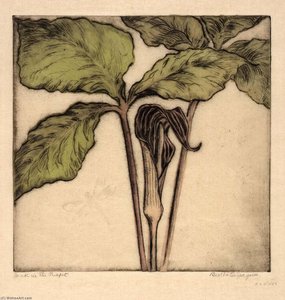
- The intricate textures of botanical specimens like the Jack in the Pulpit.
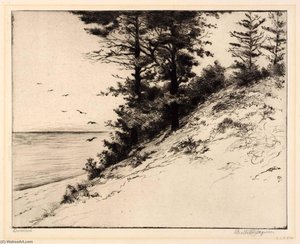
- The sweeping, atmospheric landscapes of the American Midwest.
- The evocative, light-drenched travel scenes from her journeys through Europe.
Through her travels across the United Kingdom and through the landscapes of Illinois and Wisconsin, she left behind a vast, enduring archive of American life. Her legacy is not found merely in the museum galleries of the Smithsonian or the National Gallery of Art, but in the very way she taught us to look at the world—with an eye for the intricate, the botanical, and the profoundly beautiful.