


 Предпросмотр
 Поделиться
 Поделиться
 Детали произведения

 Скачать
 Похожие работы
 Рентгенография
 Слайд-шоу
 Статистика
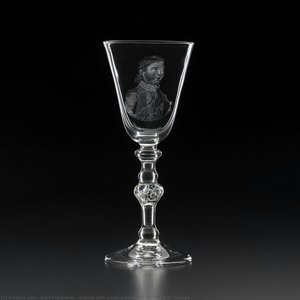
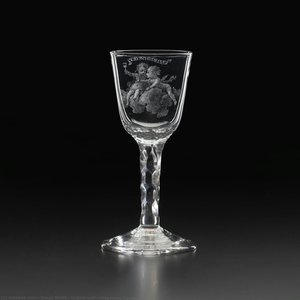
Гобелет с портретом Бергмейстера Темминка


 Читать далее
Приобретите цифровое изображение высокого разрешения в улучшенном качестве, которое значительно превосходит онлайн-превью.
Каждый файл тщательно подготавливается нашими специалистами с использованием передовых инструментов и экспертной ручной ретуши. Мы гарантируем исключительную четкость, точную цветопередачу и детальную проработку каждого изображения.
Финальный файл доставляется по электронной почте в течение 72 часов и оптимизирован для немедленного использования в профессиональной среде, при верстке и печати. Это тот же уровень качества, которому доверяют ведущие дизайнерские студии, издательства и галереи.
Цифровое изображение
Скачайте файл высокого разрешения для личного использования, печати и творческих проектов. ( Перейти к печати Купить картину ручной работы)
Включено в каждый заказ цифровых изображений
Гарантия экспертной цифровой доставки
Выбирая ArtsDot.com, вы получаете не просто изображение — вы приобретаете профессионально обработанное цифровое произведение искусства, созданное с безупречной точностью и под защитой гарантии качества. Вот всё, что автоматически входит в ваш заказ:

Мгновенная доставка по e-mail
Ваш цифровой файл в высоком разрешении будет отправлен вам по электронной почте в течение 72 часов после оформления заказа — и сразу станет доступен для использования.

Цифровой файл с ИИ-улучшением
Ваше произведение искусства проходит профессиональную оптимизацию с использованием передовых инструментов ИИ и ручной обработки, что гарантирует максимальную детализацию, четкость и точность цветопередачи.

Бессрочная бесплатная повторная доставка
Случайно удалили или потеряли файл? Не беспокойтесь — мы отправим его вам повторно в любое время и совершенно бесплатно.

Без импортных пошлин — навсегда
Наслаждайтесь вашим произведением искусства мгновенно без таможенных пошлин, сборов или затрат на доставку — цифровые загрузки всегда не облагаются налогом.

Гарантия точности цветопередачи
Мы гарантируем, что ваше цифровое изображение максимально точно передает оригинальные цвета благодаря использованию профессиональных инструментов и систем управления цветом.

Гарантия удовлетворенности 100 дней
Если вы не будете удовлетворены своим цифровым изображением, мы внесем правки или вернем 100% стоимости в течение 100 дней — без лишних вопросов.

100% Гарантия возврата средств
Не удовлетворены покупкой? Получите полный возврат средств в течение 100 дней после получения цифрового файла — без лишних вопросов.

Скидки на оптовые заказы
Купите 3 изображения, сэкономьте 10% — Купите 5, сэкономьте 15% — Купите 10+, сэкономьте 20%. Отличное решение для творческих проектов, галерей и агентств.
Goblet with Portrait of Burgermeester Temminck: A Reflection of Venetian Elegance
David Wolff’s meticulous recreation of this goblet exemplifies the zenith of neoclassical artistry—specifically, diamond-point engraving—a technique that flourished in Venice during the Renaissance and Baroque eras. More than just a vessel for drink, it embodies the opulent tastes of European aristocracy and serves as a tangible link to a bygone era of artistic innovation. The goblet’s stark black background amplifies its luminous transparency, highlighting the subtle interplay of light and shadow within the engraved portrait itself.The Technique: Diamond-Point Engraving – Precision Meets Ornamentation
Diamond-point engraving represents a remarkable achievement in craftsmanship. Developed in Murano around 1535 by Vincenzo di Angelo da Gallo, this method utilizes a stylus tipped with diamond or corundum—a material renowned for its hardness—to etch intricate designs onto glass surfaces. Unlike simpler etching techniques, diamond-point engraving allows for unparalleled detail, capturing the finest nuances of botanical motifs and heraldic emblems. As demonstrated in reproductions like “Making a Goblet from Parts,” this painstaking process demanded considerable skill and patience, resulting in artworks that are both aesthetically stunning and technically impressive. The engravers’ dedication ensured that each goblet was not merely decorated but transformed into a miniature masterpiece.Historical Context: Venetian Patronage and Artistic Expression
The goblet's creation coincides with the height of Venetian artistic influence—a period characterized by lavish patronage from wealthy merchants and noble families. Glassmakers like Francesco Murano skillfully blended tradition with innovation, producing vessels adorned with breathtaking designs that reflected the prevailing aesthetic sensibilities of the time. The engraving itself speaks to broader cultural trends: a fascination for classical ideals and a desire to express status through elaborate ornamentation. Consider the inscription “Heden vrolyk morgen Sorgen” (“Today merry, tomorrow sorrow”) adorning similar goblets—a poignant reminder of the ephemeral nature of joy amidst the grandeur of Venetian society.Symbolism: Status, Remembrance, and Artistic Legacy
Beyond its decorative qualities, the goblet carries symbolic weight. As a commemorative vessel—likely presented to honor Burgermeester Temminck—it symbolizes prestige and social recognition. The portrait itself reinforces this symbolism, portraying Temminck with dignified formality and capturing his likeness in exquisite detail. Wolff’s reproduction captures not only the visual beauty of the original but also its enduring legacy as an emblem of Venetian artistic excellence—a testament to the transformative power of craftsmanship and the ability of art to transcend time.A Window into Baroque Aesthetics
The goblet's style aligns perfectly with Baroque aesthetics, prioritizing dramatic contrasts of light and shadow and emphasizing opulent ornamentation. Like other pieces from this period, it showcases a masterful command of technique—particularly stipple-engraving—which achieves remarkable three-dimensional effects through the careful placement of dots of varying depths. Reproductions such as “Stuttgart, Germany” allow viewers to appreciate the subtle artistry involved in recreating these iconic artworks and experiencing their emotional impact firsthand.Похожие произведения
Биография художника
The Intersection of Ideology and Craft
Born in the industrial heart of Youngstown, Ohio, in 1942, David Wolff occupies a rare and intellectually demanding space where the precision of glass engraving meets the profound complexities of Marxist economic theory. To encounter Wolff’s work is to witness a unique dialogue between the tangible beauty of light passing through etched glass and the invisible structures of class struggle that shape human history. He does not merely view art as an aesthetic pursuit, but as a vital medium for critical analysis, using the delicate medium of glass to reflect the enduring tensions of capitalism and the persistent hope for societal transformation.
Wolff’s life has been defined by a dual commitment to scholarly rigor and artistic mastery. While he has earned international recognition within academic circles for his pioneering contributions to methodological Marxism, his hands remain deeply engaged in the neoclassical tradition of glass engraving. This duality allows him to approach the reproduction of iconic masterpieces not as a simple act of imitation, but as an act of reinterpretation. For Wolff, every stroke of the engraver's tool is an opportunity to illuminate the socio-political undercurrents that informed the original creator’s vision, making his work a profound exploration of how art mirrors the anxieties and aspirations of its era.
A Visionary Technique: The Art of Engraving
The technical brilliance of Wolff’s practice lies in his ability to manipulate light and shadow through the meticulous process of glass engraving. This technique, rooted in classical aesthetics, requires an extraordinary level of patience and a steady hand, as the artist must carve depth into a transparent surface to create the illusion of form and movement. In his hands, the cold, hard medium of glass becomes fluid and expressive, capable of capturing the subtle nuances of a Renaissance portrait or the dramatic chiaroscuro of a Baroque landscape.
What distinguishes Wolff from traditional engravers is his intentionality. He approaches each piece with a deep understanding of the historical context of the original artwork, seeking to imbue the glass with its underlying ideological significance. His process involves:
- Thematic Selection: Choosing subjects that resonate with themes of resistance, social justice, and the struggle against oppression.
- Structural Analysis: Examining how the composition of a masterpiece reflects the prevailing social forces of its time.
- Luminous Execution: Utilizing the transparency of glass to create a sense of depth that invites the viewer to look through the art and into the historical truths it represents.
Legacy and Intellectual Contribution
Beyond the studio, Wolff’s influence extends into the global discourse on economic reform and class analysis. As a prominent voice in the critique of modern capitalism, his scholarly work—including influential publications such as “Capitalism Hits The Fan”—serves as a cornerstone for those seeking to understand the mechanics of economic inequality. Through accessible mediums like podcasts and educational programming, he has successfully bridged the gap between dense academic theory and public consciousness, fostering a much-needed dialogue about social justice and the necessity of systemic change.
The historical significance of David Wolff lies in his refusal to separate the intellect from the aesthetic. He stands as a testament to the power of interdisciplinary thought, proving that the tools of an artist can be just as potent as the arguments of an economist in challenging the status quo. His body of work remains a vital contribution to both the history of American craftsmanship and the ongoing evolution of critical economic thought, reminding us that even through the most delicate medium, the truths of our social reality can be etched indelibly into the collective memory.

David Wolff
1942 - , United States of America
Основные сведения
- Artistic Movement Or Style: Marxist economics
- Artists Or Movements Influenced By This Artist: ['Marxism']
- Artists Who Influenced This Artist: ['']
- Date Of Birth: 1942
- Full Name: David Wolff
- Nationality: American
- Notable Artworks:
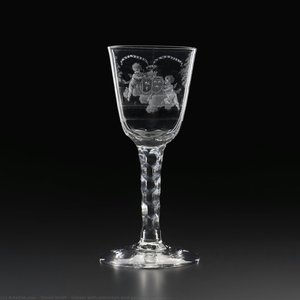
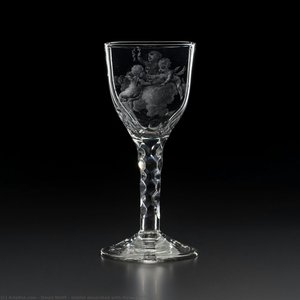
- Goblet decorated with three putti
- Goblet with allegorical figures
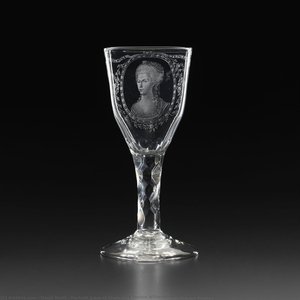
- Portrait glass of Frederika Sophie Wilhelmina of Orange-Nassau
- Place Of Birth: Youngstown, United States